Beginner's Guide: 6 Types of Pour-Over Coffee Beans and Flavor Profiles
Introduction: From Africa to Asia, a selection of representative pour-over beans from six major regions, covering washed, honey and other mainstream processes. This article explains the terroir characteristics and flavor profiles of each region, with references for the balance of acidity, sweetness and bitterness, helping beginners quickly build a taste coordinate system and find their first everyday beans.
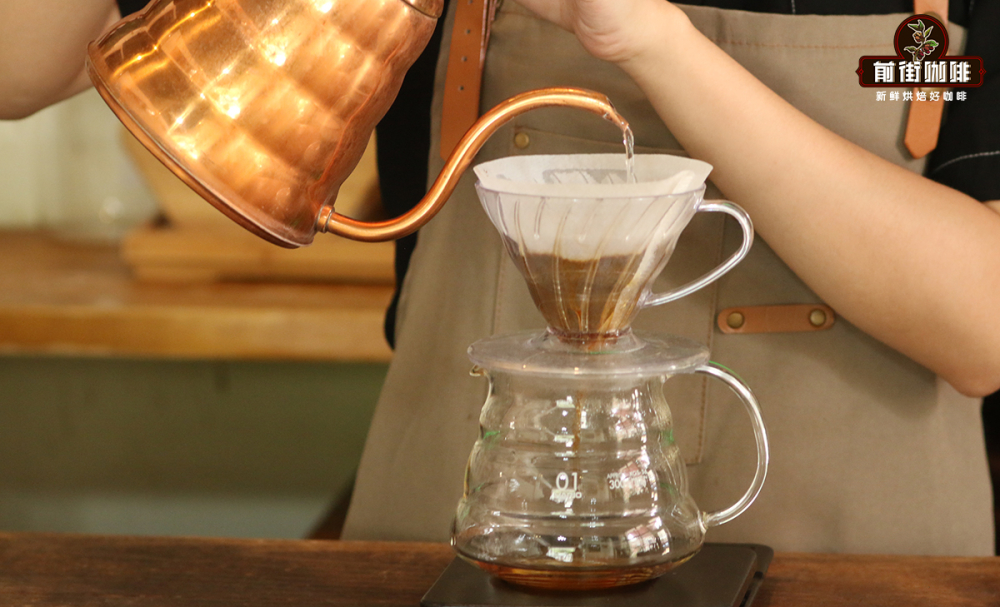 The specialty coffee system has developed over decades, and its core lies in the regional flavors shaped jointly by microclimate and soil. Faced with hundreds of single-origin beans worldwide, beginners are often deterred by technical terms such as origin and processing method. Mastering the basic bean classifications and understanding typical flavor characteristics is the key first step to starting a pour-over journey.
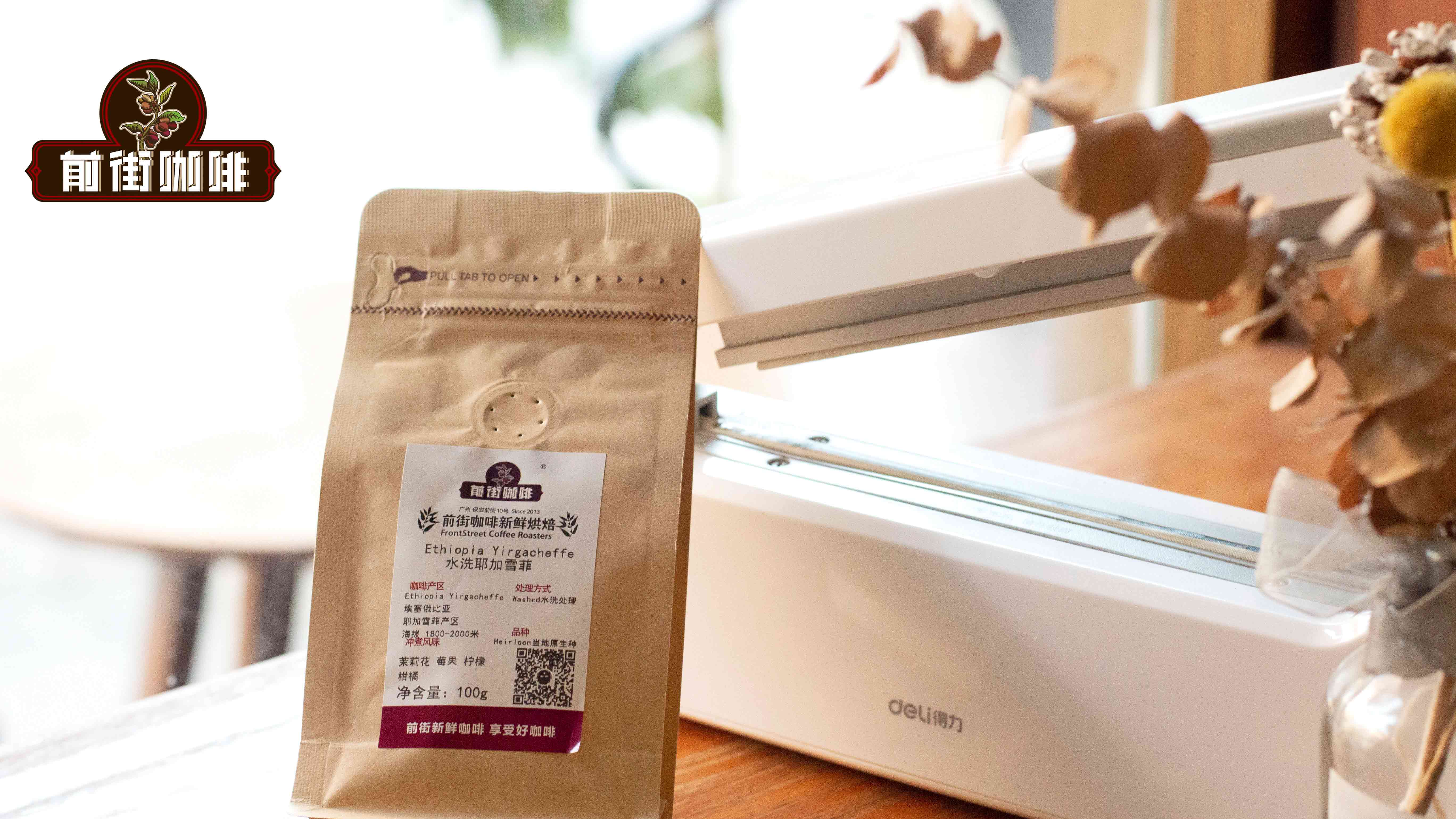 Africa's top entry choice: Yirgacheffe washed beans (suggested pairing with for reference) As a classic Ethiopian region, this area has cultivated its signature bright acidity since the washed process was introduced last century. Typical flavors show citric acidity interwoven with jasmine floral notes, lively acidity (pH 5.8-6.2 range), and soft bitterness, suitable for experiencing coffee's original fruity and floral character. Brewing suggestion: water temperature 88-90°C, coffee-to-water ratio 1:15, pour in stages to avoid over-extraction.
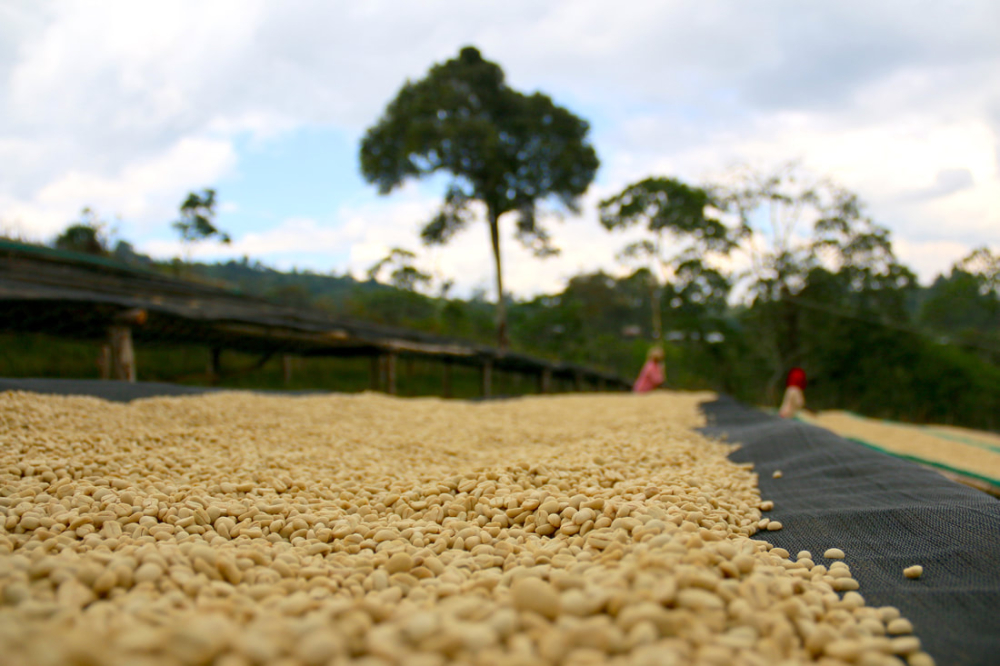
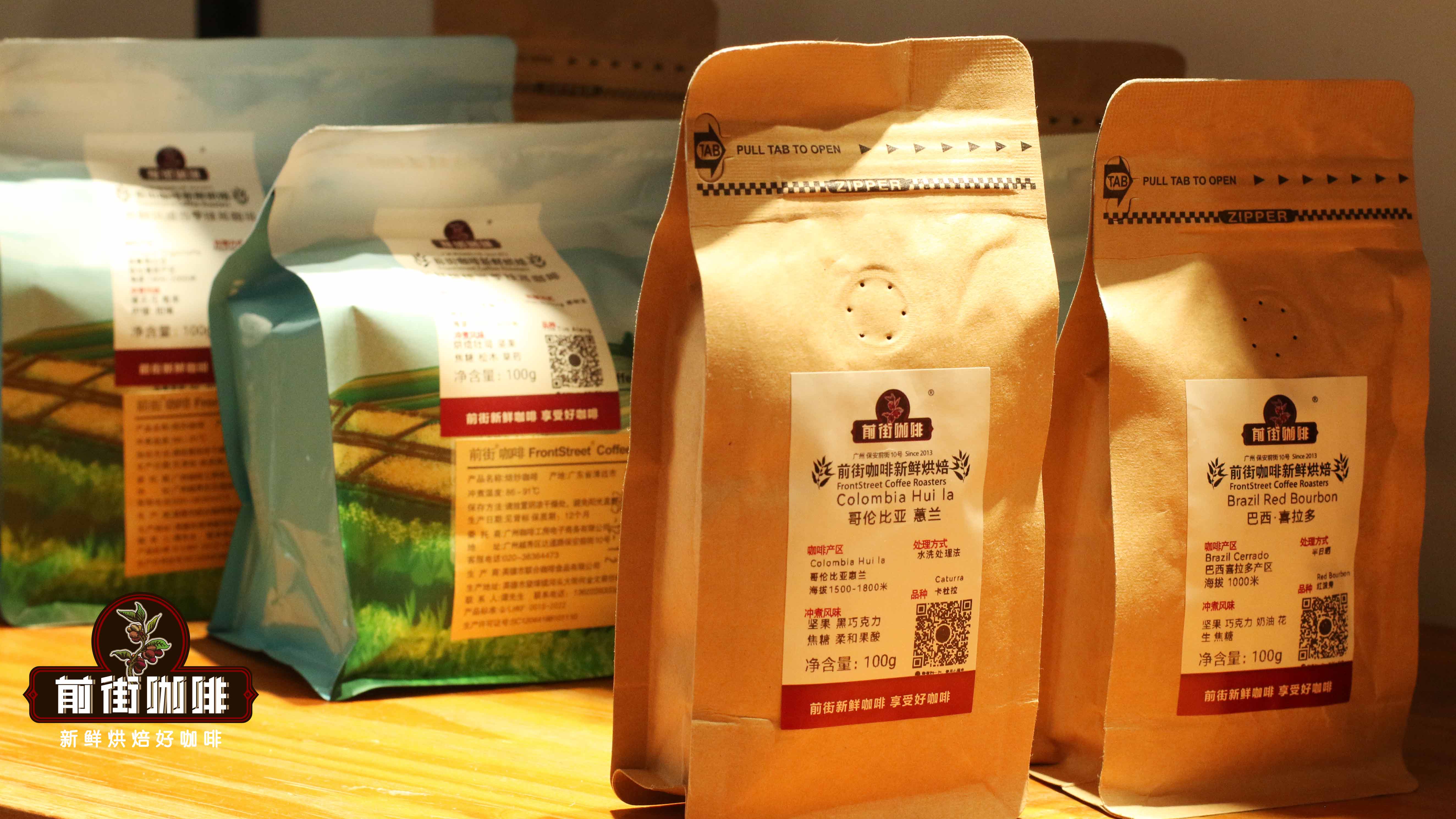
Classic Americas representative: Colombia Huila region (pair with for observation) A model of balance in South American coffee, high-altitude cultivation gives the Caturra variety a full nutty base. Its flavor pyramid has citrus acidity at the apex, with mid-layer dark chocolate richness and a base of roasted almond sweetness forming a stable structure. Pay attention to the integrity of the silver skin on the beans; high-quality lots usually have a blue-green sheen.
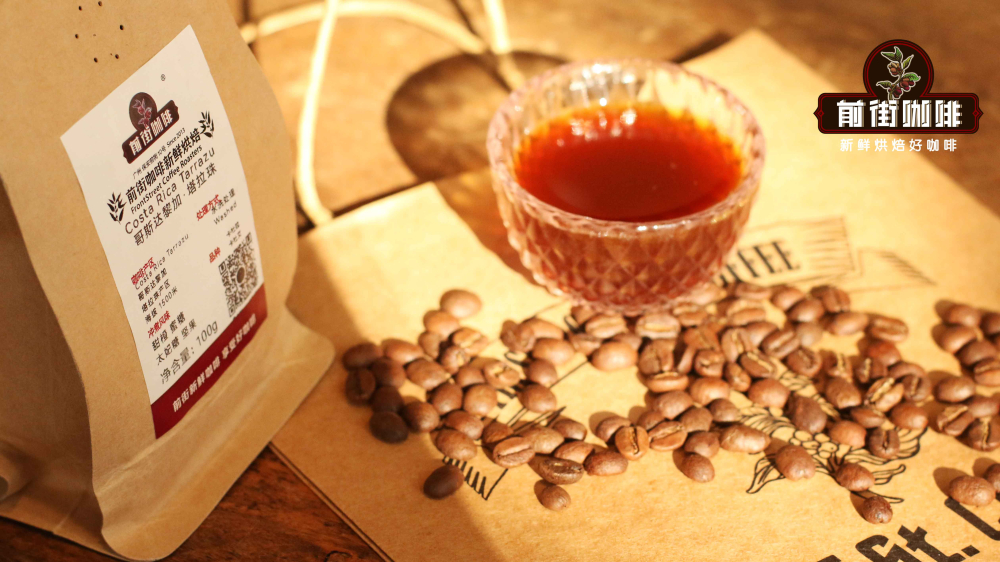
Central America's technical style: Costa Rica washed Tarrazú (refer to ) Although famous for honey processing, traditional washed beans are more pure. Two hundred years of cultivation history have settled into a solid nutty character, with clear orange-peel acidity emerging in the middle and a sugarcane sweetness in the finish. Special note: beans from this region have higher density, so a slightly finer grind than usual is recommended (about 75% passing through the Chinese standard No. 20 sieve).
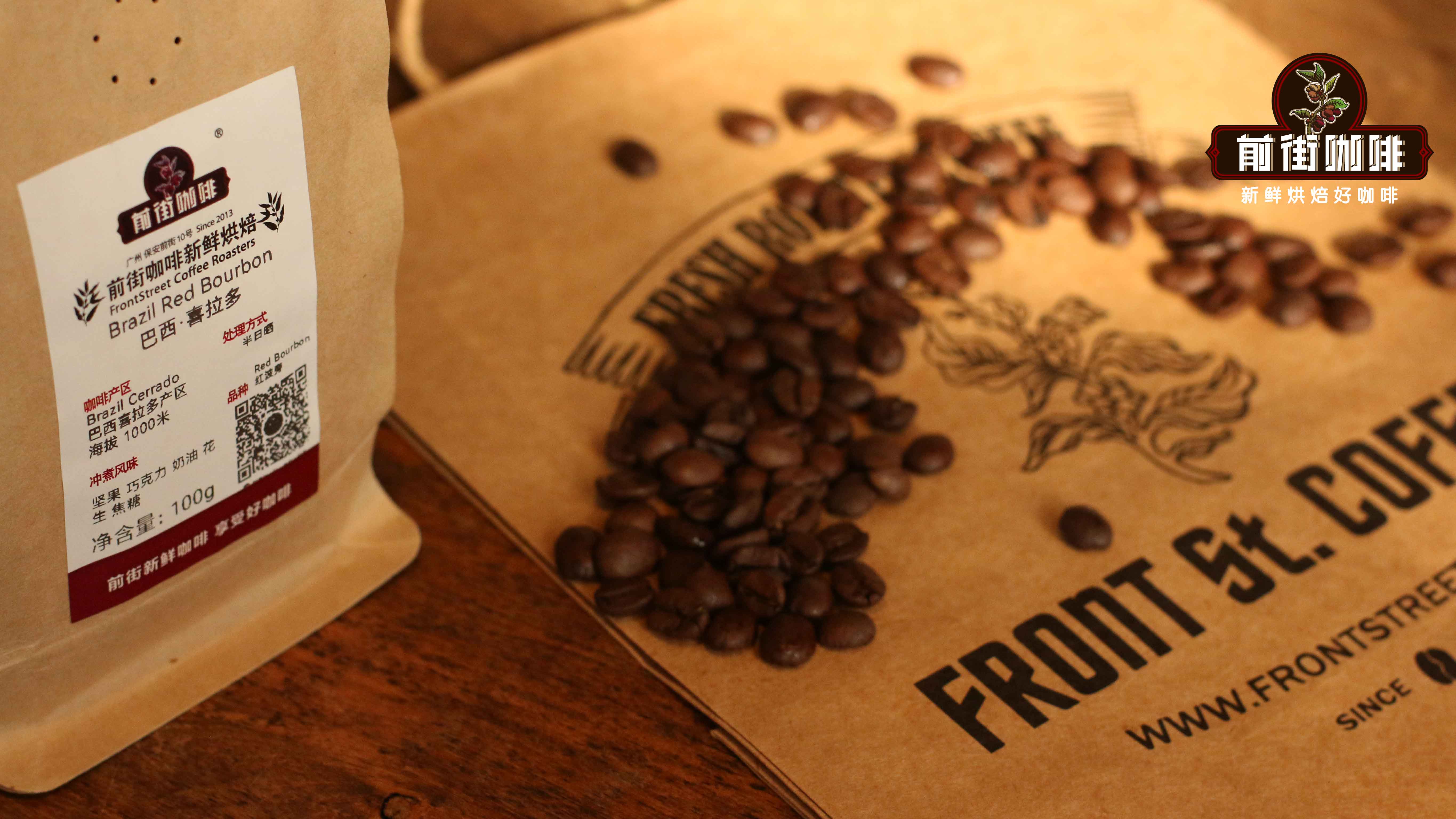
South America's full-bodied representative: Brazil Cerrado (compare with ) The world's largest Arabica region, where the large day-night temperature difference on the plateau creates a unique nutty chocolate flavor. In sharp contrast to African beans is its low-acidity character (pH 6.3+), with a body close to milk chocolate in texture. Extending the bloom time to 45 seconds during brewing can effectively enhance sweetness.
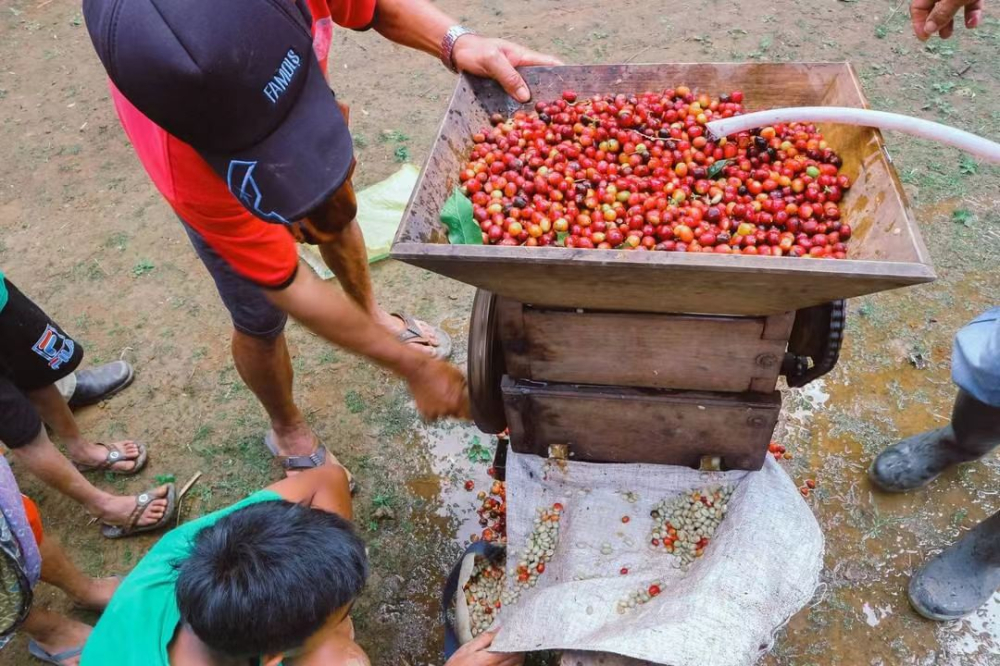
Asia's distinctive process: Indonesian wet-hulled Mandheling (observe ) The wet-hulling method developed for the rainy climate unexpectedly creates a dimension of herbal spice flavors. Repeated turning and hulling during processing gives the bean surface unique wrinkles. When brewing, note: ① pre-wet to remove surface floating powder ② steady extraction over medium heat (90-92°C recommended) ③ avoid excessively long blooming that brings out woody flavors.
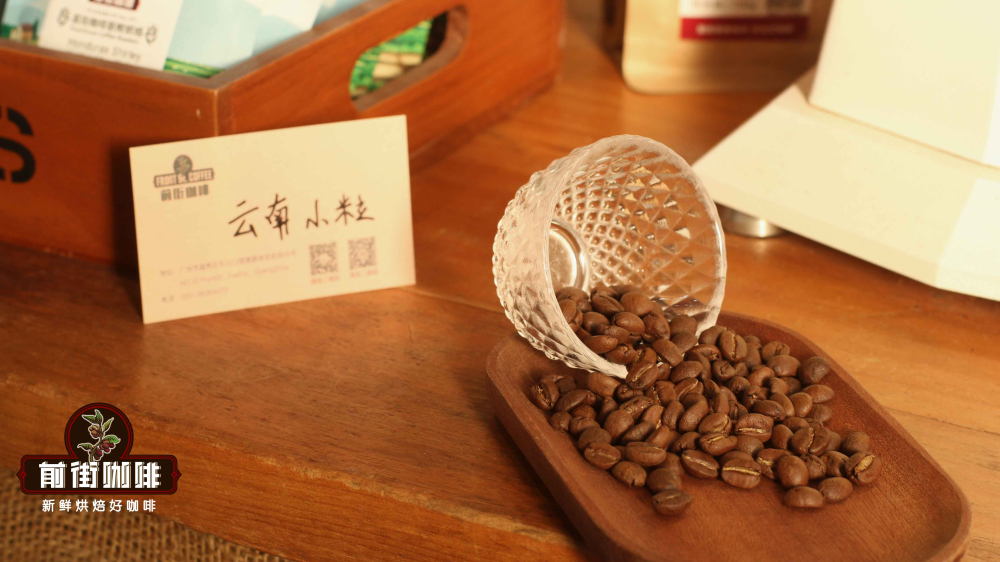
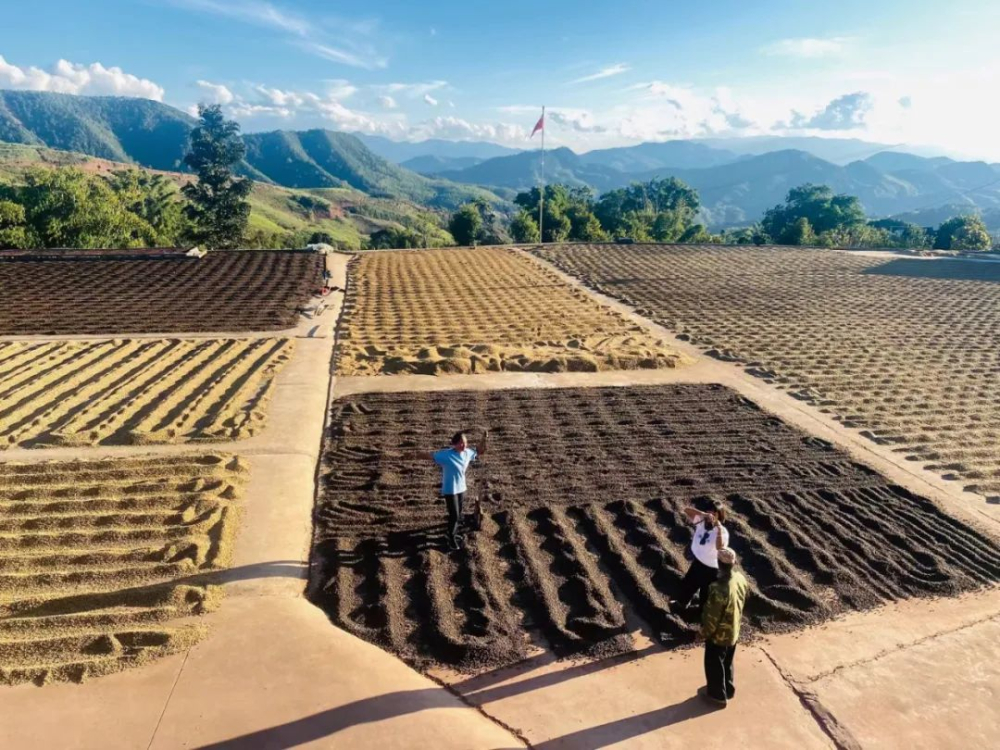
China's local choice: Yunnan Baoshan washed Catimor (refer to ) As one of the few quality regions at 20° north latitude worldwide, the Catimor variety combines Arabica aroma with Robusta disease resistance. The washed process strengthens brown sugar sweetness and a roasted nut base, with a body on the medium-full side (similar to dark-baked biscuits). Beginners can compare different roast levels (medium roast recommended) to experience how processing methods affect flavor differences.