Aged vs. Fresh Mandheling: Flavor Differences, Brewing Parameters, and a Flavor Guide
Introduction: Aged Mandheling and fresh Mandheling each have unique flavors—which tastes better? This article explains both beans' flavor profiles, storage requirements, and brewing techniques, including practical parameters such as optimal grind size, water temperature, and coffee-to-water ratio, and uncovers the secrets of the aging process to help you find the flavor experience that suits you.
When people mention Mandheling, many first think of its signature herbal and earthy notes, and among these there is a special type—aged Mandheling—which, for its unique matured flavor, has become a collector's choice for many seasoned coffee lovers. Compared with ordinary freshly roasted Mandheling, aged Mandheling has undergone long storage and maturation, so its acidity is softer, its body is fuller, and it even carries a complex layering reminiscent of aged whiskey.
So what is aged Mandheling? Simply put, it is not just “beans left for a long time,” but green coffee that has undergone at least 24 months of professional maturation under specific temperature, humidity, and ventilation conditions. During this period, the acidic substances in the coffee beans gradually transform, the originally pronounced fruit acidity becomes more restrained, while sweetness, body, and complex flavors such as wood and spice gradually emerge. These beans have extremely high requirements for the storage environment: they must be kept ventilated, cool, and dry, and protected from damp, mold, and even pests. Therefore, not all “old” beans can be called aged beans.
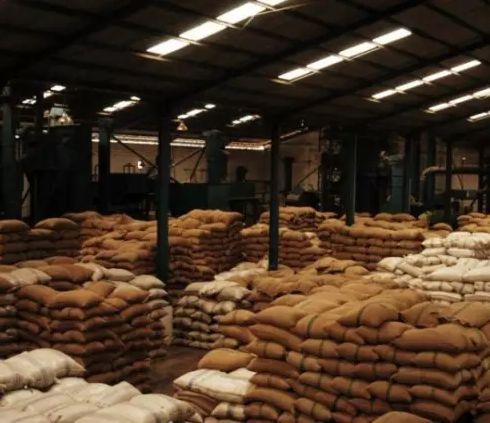
The aging process actually originates from the natural maturation that occurred during early coffee transport in Indonesia. In an era before ship transport was well developed, coffee took months to travel from Indonesia to Europe; during the long sea voyage, the humid sea breeze and time worked together to give the coffee beans a special flavor. To reproduce and precisely control this change, modern producers have developed a strict aging process, including regularly turning the bean pile to ensure even maturation and controlling environmental temperature and humidity to prevent deterioration, ultimately producing a rich and stable aged Mandheling.
So which tastes better, aged beans or fresh beans? There is actually no absolute answer; it mainly depends on personal taste preference. Freshly roasted coffee usually has bright fruit acidity and rich floral and fruity notes, suitable for people who like a fresh taste; aged Mandheling, having settled over time, has lower acidity, enhanced sweetness and body, and a more composed flavor, suitable for drinkers who prefer rich, complex flavors. It can be said that aged beans are not a “second-grade product,” but another kind of specialty coffee transformed through a special process.
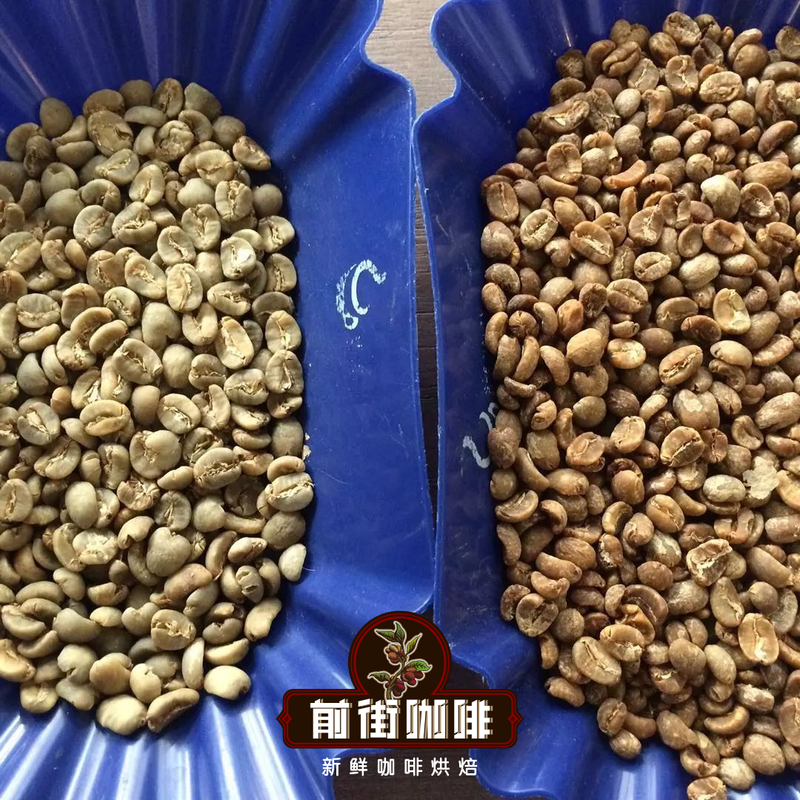
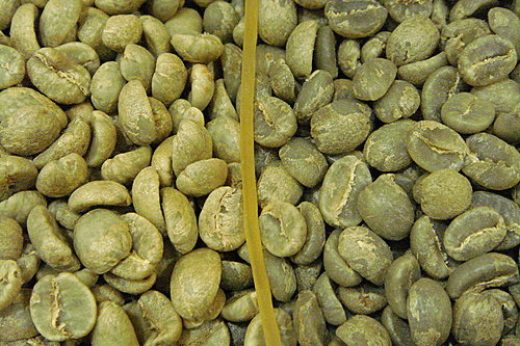
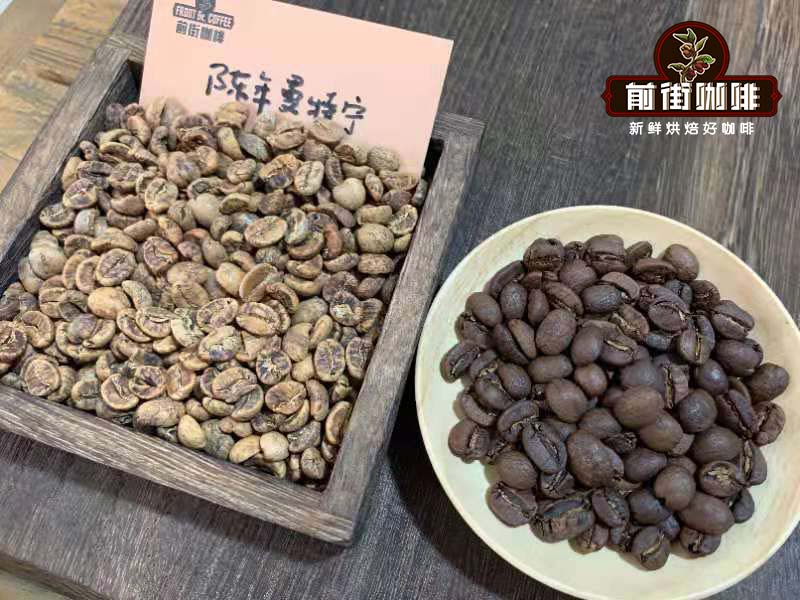
In terms of green bean appearance, properly stored aged Mandheling becomes darker in color, close to dark brown, with reduced surface luster, lower moisture content, and a denser texture. In flavor, any raw-bean defect notes that may have been present are greatly reduced, giving way to honey-like sweetness and woody notes. Note, however, that if stored improperly, aged beans may also absorb off-flavors from the environment, such as mustiness or burlap-bag smell, which instead harms their overall performance.
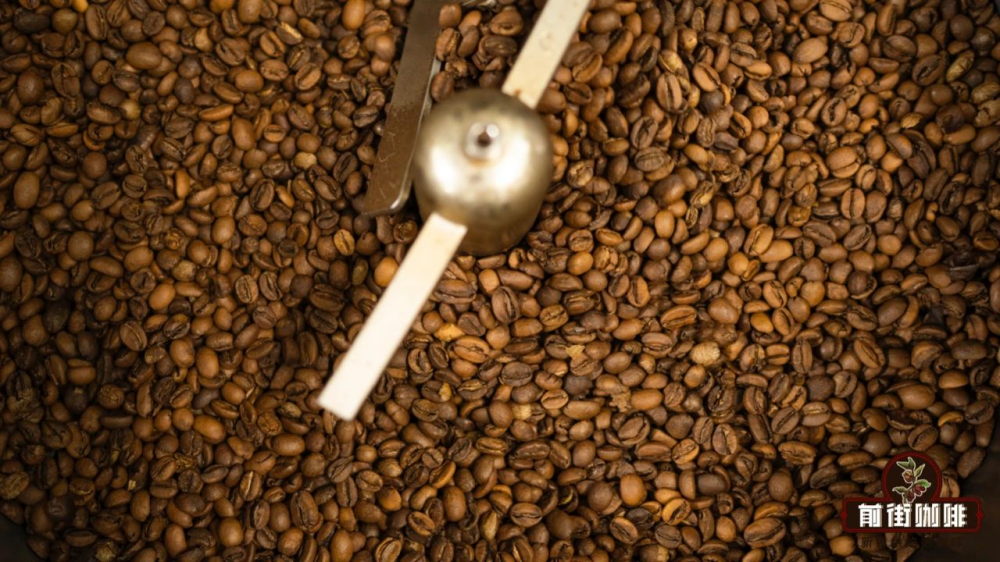
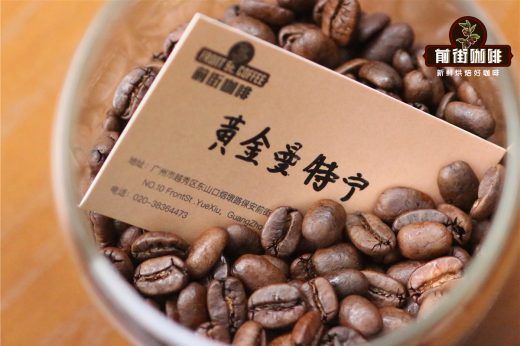
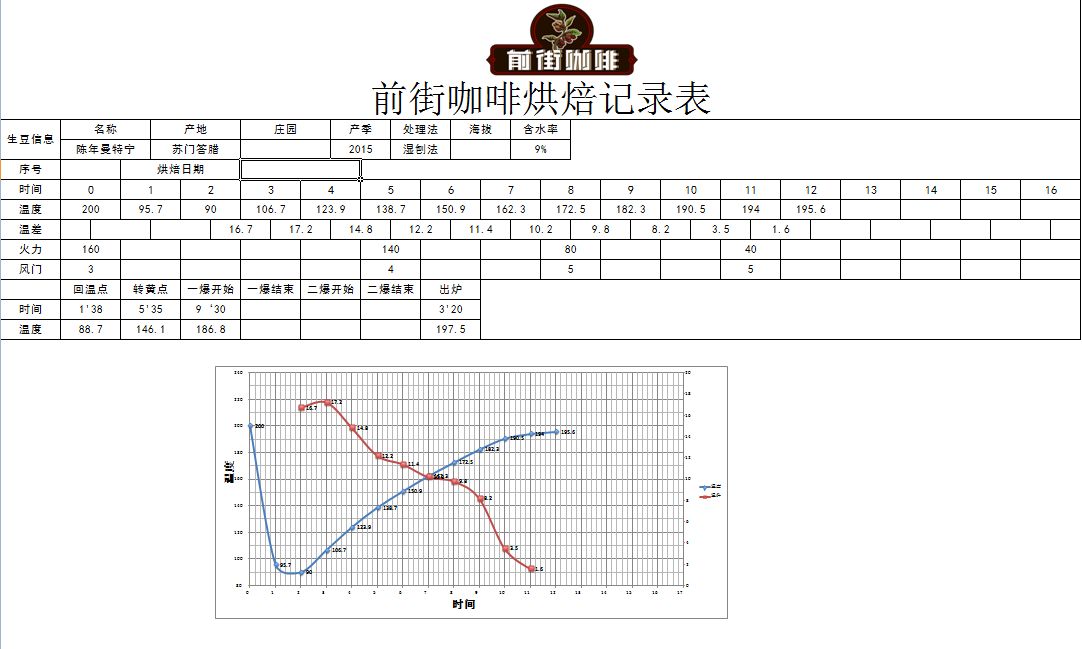
In roasting, because aged Mandheling green beans have higher density and lower moisture content, special attention must be paid to controlling the heat to avoid excessive scorching of the surface. A medium-dark roast is generally recommended to fully bring out its full body and complex sweet aroma. Taking a common roast profile as an example, charge the drum at about 200°C, set the initial airflow to 3, and adjust heat and airflow in stages to control the drying and first-crack phases, finally discharging when the bean surface shows an even oily sheen and full aroma, ensuring that the flavor compounds are well preserved.
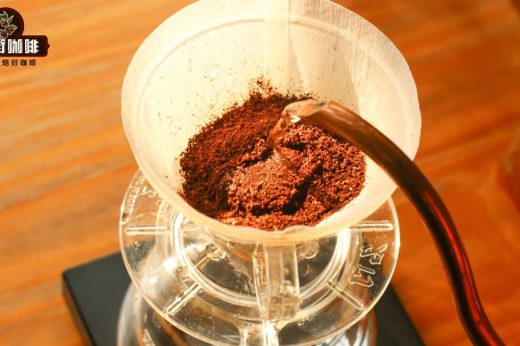
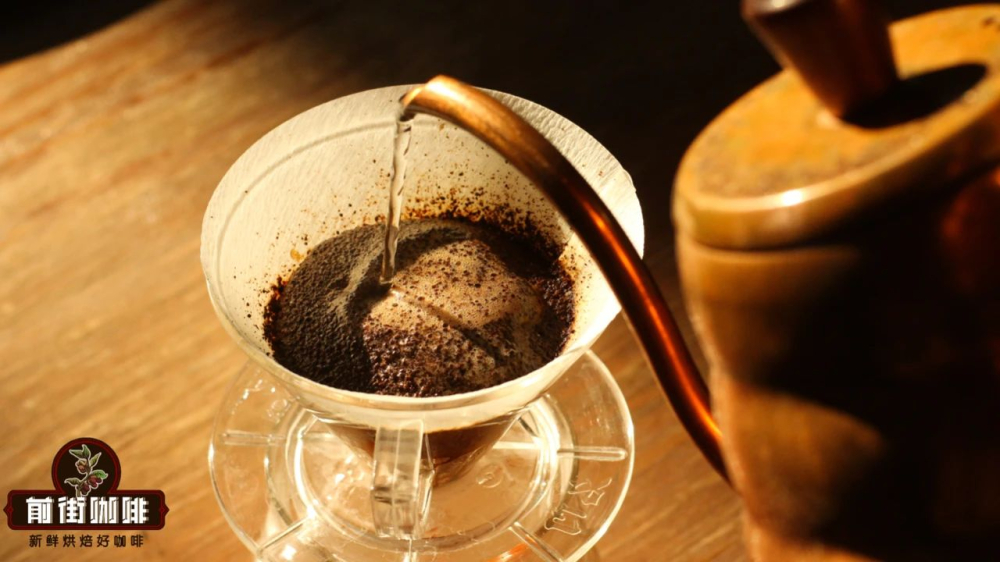
For brewing, aged Mandheling is suited to a medium-coarse grind. Taking a KONO dripper as an example, paired with a Fuji Royal grinder at setting 4 (about medium-coarse), this can effectively extend the contact time between water and coffee and improve extraction evenness. It is recommended to keep the water temperature at about 88°C and set the coffee-to-water ratio at 1:14, that is, 17 grams of coffee grounds with 238 milliliters of water. The brewing process is divided into two pouring stages: first pour 25 grams of water and bloom for 30 seconds to awaken the coffee's activity; then continue pouring to 238 grams, with the total extraction time controlled at about 2 minutes. These parameters help fully release the full body and sweetness of aged Mandheling while avoiding the bitterness caused by over-extraction.
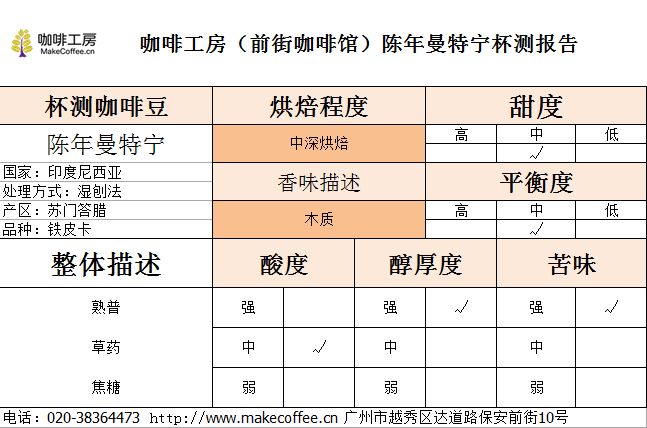
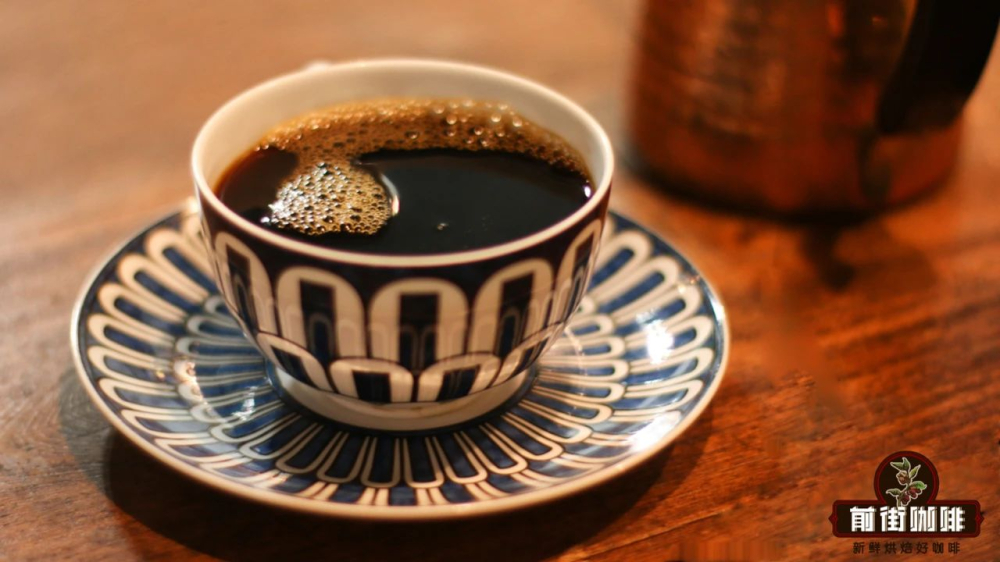
In terms of flavor, aged Mandheling often has pronounced herbal aroma, caramel sweetness, and slight woody notes, with a round, full mouthfeel and a long finish. Compared with the lively fruit acidity of fresh Mandheling, the aged version is more composed and suited to slow savoring, especially with cheese, chocolate, or strongly flavored desserts, which further highlight its multi-layered flavor structure.
In summary, whether you seek the fresh, bright character of fresh Mandheling or love the rich complexity of aged Mandheling, each has its own unique charm. The key is to understand their respective flavor characteristics and brewing points and choose the one that suits you. If you are a coffee lover, you might as well try both and experience the diverse possibilities that time and craft give to coffee.