Indonesian Sumatra Tiger Mandheling: Pour-Over Parameters and Flavor Analysis

Introduction: Sumatra Tiger Mandheling is known for its full body and unique processing method. Its wet-hulled process creates distinct herbal notes and a rich body. This article details the origin background, variety characteristics, key pour-over extraction parameters of this coffee bean, and analyzes why it has both dark chocolate depth and bright citrus notes, helping you precisely grasp the flavor code of this classic bean.

Indonesia, as an important global coffee-producing region, has long had its Mandheling series from Sumatra Island ranking high on specialty coffee lists. Among them, Tiger Mandheling, with its full-bodied texture similar to Blue Mountain, is especially favored by the Asian market. This coffee from the equatorial rainforest hides a classic name born from a linguistic misunderstanding—when Japanese officers asked local tribes about delicious coffee, a communication error led them to mistake the tribal name "Mandheling" for a coffee variety, creating this classic name that continues to this day.
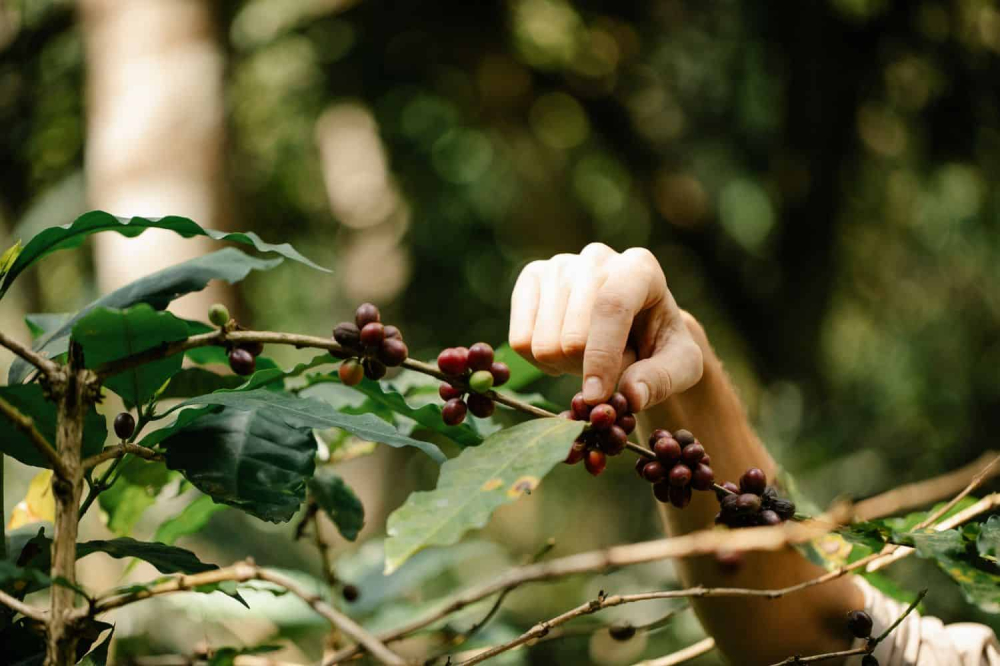
The core production area of Tiger Mandheling is around Lake Tawar in Aceh Province, Sumatra, located in the high-altitude Gayo mountains crossed by the equator. The tropical rainforest climate with annual humidity of 70%-90% and annual rainfall exceeding 2000 mm, combined with the rich minerals of volcanic soil, provides an ideal environment for coffee growth. It is worth noting that large-scale coffee planting only began locally in 1924, and smallholder management continues to this day—about 60,000 growers each manage 1-2 hectares of shade-grown plantations, with traditional organic farming methods without pesticides continuing to this day.

Coffee from this region is distributed through a multi-layered intermediary system, with direct trade models being rare. The name Tiger Mandheling originates from strict quality standards: it must meet a screen size of 17 mesh or above, and the defect rate must be below 4%. More uniquely, influenced by Indonesia's year-round humid climate, the local area commonly uses the wet-hulled processing method—after conventional washed fermentation, the beans are sun-dried with parchment for 2-3 days to a moisture content of 20%-24%, at which point the outer fibrous layer is hulled off. Although this process easily produces horseshoe-shaped defective beans, it gives the coffee a more concentrated full body and unique herbal notes.
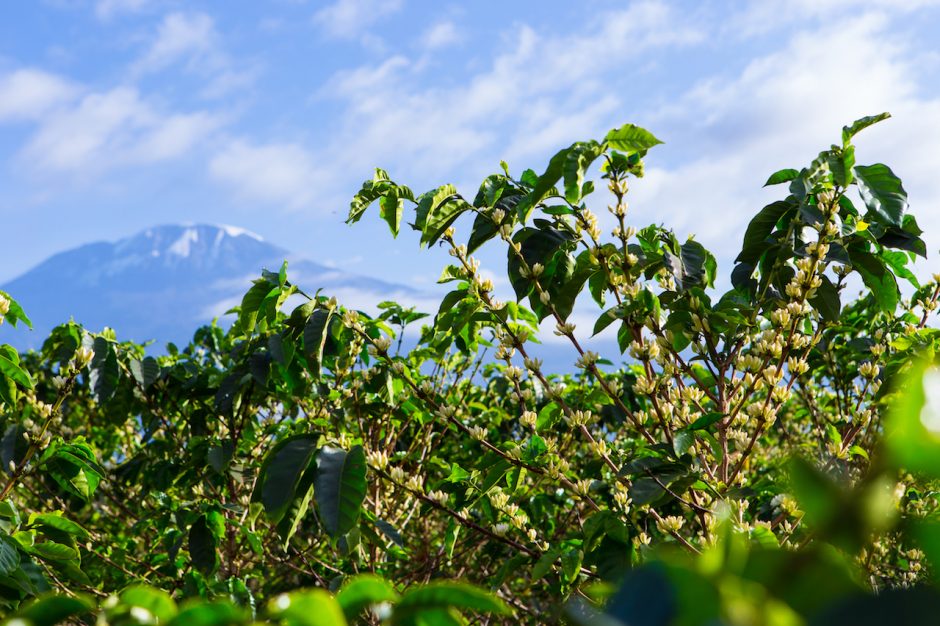
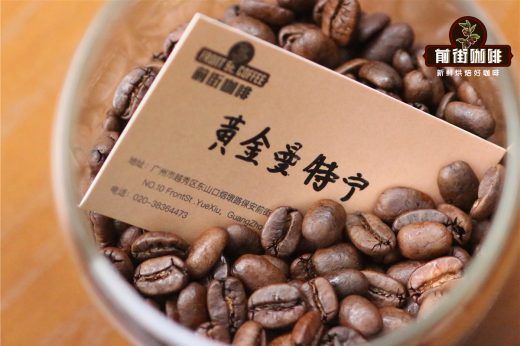
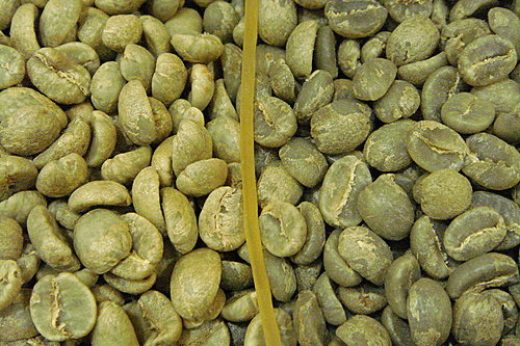
The variety combination is mainly Caturra, Typica, and Sidikalong, with rich flavor layers: bright citric acidity takes the lead, the middle section presents clean dark chocolate and caramel sweetness, and the finish has nutty and creamy aromas. The green beans are round and greenish-yellow, and their high moisture content requires precise medium-dark roasting—which can suppress excessive astringency while highlighting the cedar base aroma. Special reminder: its characteristic herbal bitterness is not a defect, but a flavor marker shaped jointly by the wet-hulled method and high-humidity environment.
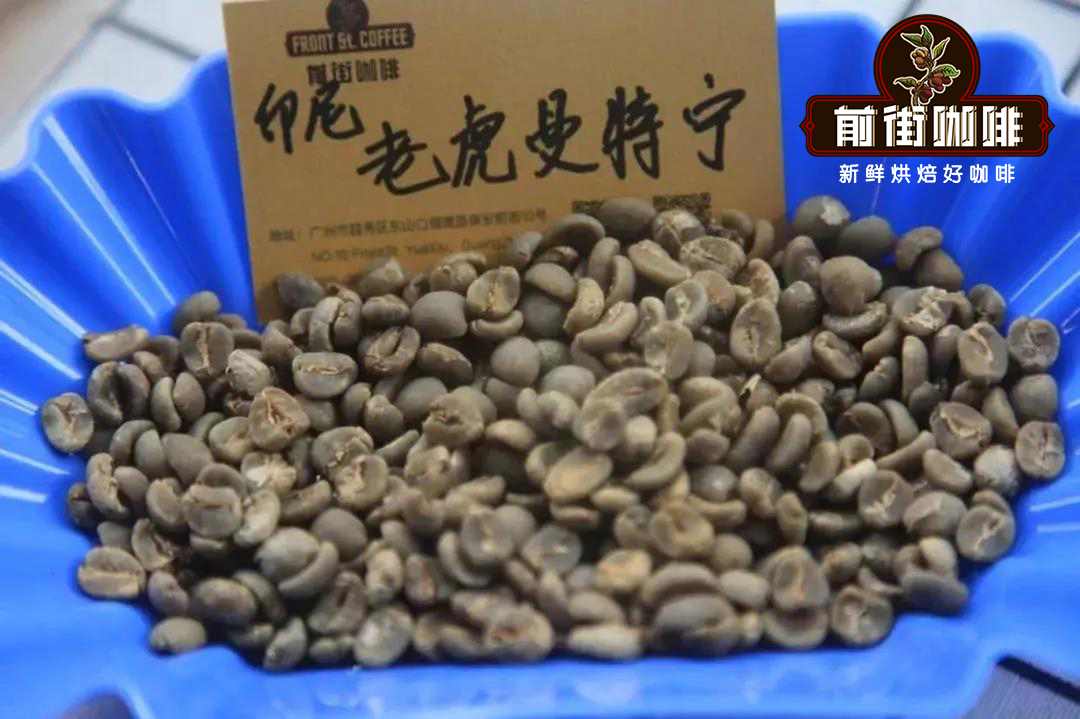
The particularity of the processing method is worth further exploration: Sumatra's frequent typhoon weather and economic constraints gave rise to this unique process. Compared with the time-consuming and labor-intensive washed method, the wet-hulled method retains the parchment wrapper after fermentation for short-term sun drying, and then hulls off the fibrous layer after the moisture content drops to a specific range. The bean body in this semi-dried state is easier to handle, but attention must be paid to defect control—the standards of 17 mesh screen and 4% defect rate are precisely the key to quality assurance. The special microclimate of the Lake Tawar region distinguishes it from other Sumatra Mandheling, showing more prominent fruity sweetness and creamy texture.
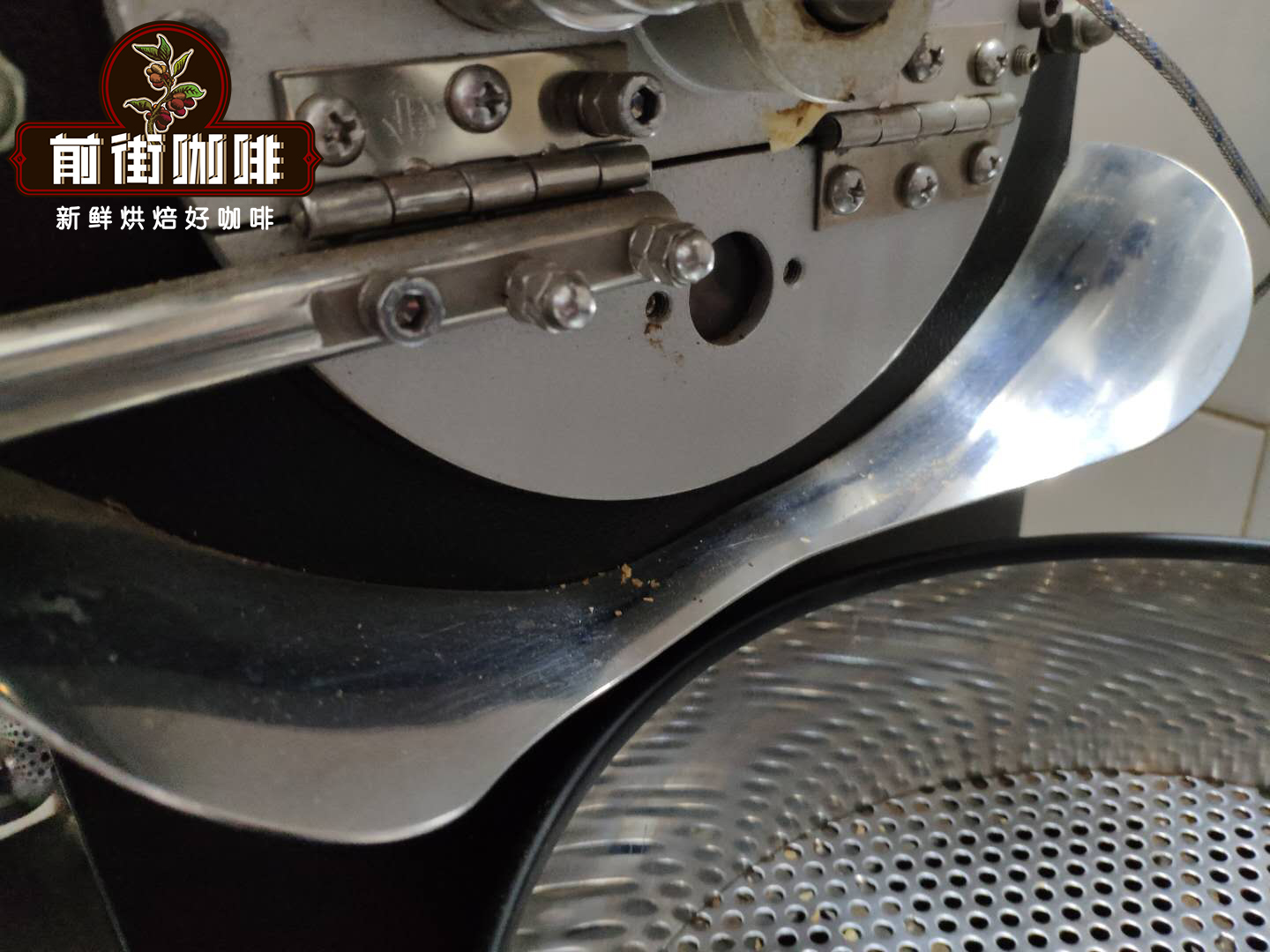
Practical suggestions for medium-dark roasting: the optimal roast level needs to balance body and acidity. Taking a professional roasting curve as an example, the charge temperature is recommended at 200°C, and the initial heat should be controlled at around 160°C. Given the soft texture brought by the medium altitude of this bean, the dehydration phase needs to be extended to about 5 minutes, during which the heat is gradually reduced to 140°C and the airflow adjusted to level 4. When the bean surface shows typical wrinkles and the aroma transforms to toasted bread (about 8'55''), it indicates that first crack is approaching. Focus on observing the start of first crack (about 9'00''); it is recommended to discharge at 4 minutes after first crack when the temperature reaches 203°C, at which point caramelization is sufficient and acidity and bitterness reach an ideal balance.
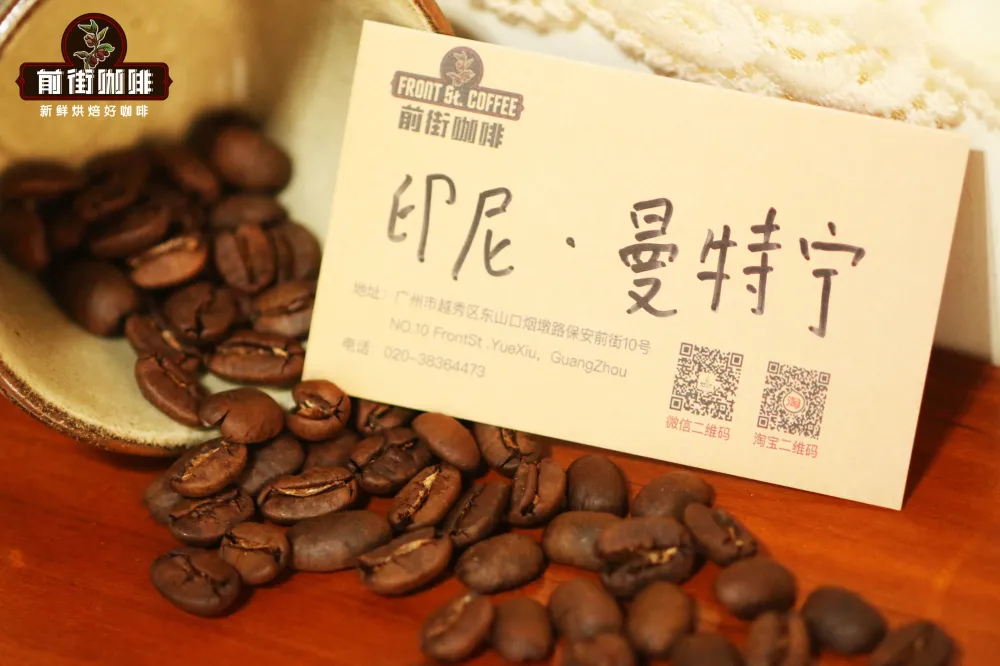
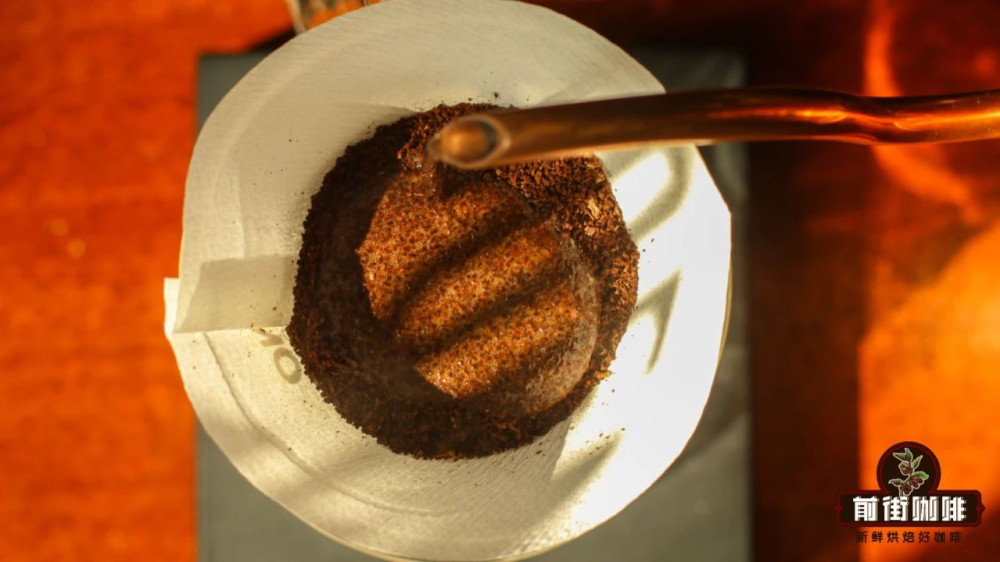
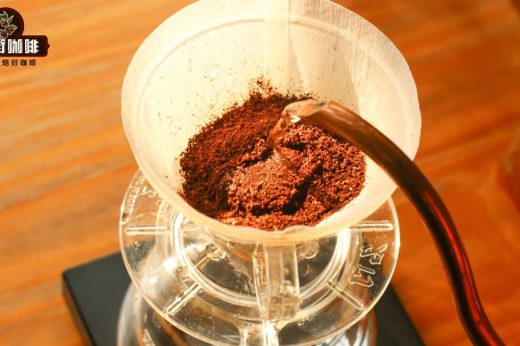
Recommended home pour-over plan: using a KONO dripper can better restore its full-bodied characteristics. The parameters are medium-coarse grind (70% passing through a 20 mesh sieve), 1:15 coffee-to-water ratio, 87°C water temperature, 15 g coffee dose. The specific operation uses three-stage pouring: first, pour 40 g of water in a circular motion from the center and let it bloom for 30 seconds until the coffee bed rises to form a "hamburger"; then, using the same method, pour 120 g of water to the edge of the coffee bed; finally, pour 100 g to complete the extraction. Keep the pouring height stable throughout to avoid disturbing the coffee bed structure, and control the total extraction time to about 2 minutes. Common misconceptions: do not increase the water temperature to pursue acidity, as this will amplify the herbal bitterness; similarly, over-grinding will lead to over-extraction and produce woody off-flavors.