Sumatra Mandheling Coffee: Grades, Flavor and Pour-Over Guide
Introduction: Sumatra Mandheling is known worldwide for its full-bodied flavor, and its unique wet-hulling process creates distinct herbal and spicy notes. This article examines the regional character of Mandheling coffee beans, the differences between Golden Mandheling and standard grades, and offers professional brewing guidance to help you accurately present the flavor layers of different styles.
Mandheling coffee from Sumatra is often called 'the most distinctive coffee,' and its unassuming bean shape forms an interesting contrast with its deep, complex taste. As a representative variety of Indonesian coffee, Mandheling occupies a unique place in specialty coffee through its low-acidity, full-bodied character. Understanding its origin characteristics and grading standards is the first step to unlocking quality flavor.
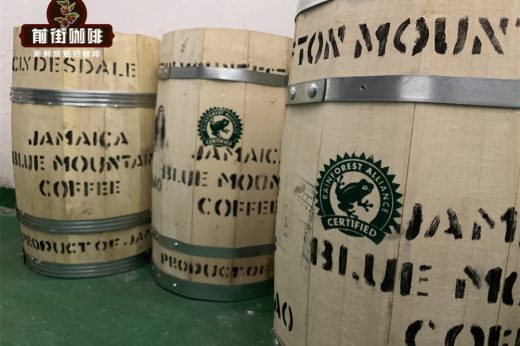
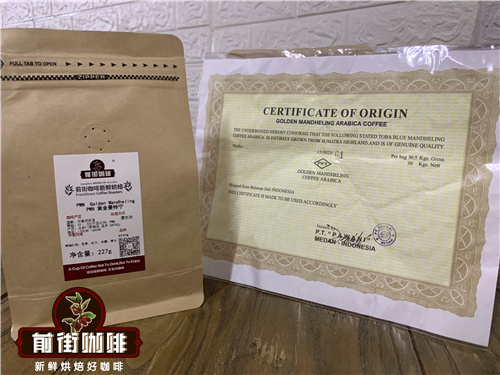
The name 'Mandheling' comes from a historical misunderstanding—during World War II, Japanese soldiers misheard the Indonesian tribal name 'Mandailing' as the name of the coffee and brought it back to Japan. Arabica beans from North Sumatra can all fall under the Mandheling category, among which Golden Mandheling belongs to a high-end product line. It is worth noting that the Ateng variety (the Indonesian version of Catimor) produced in the Gayo mountain area of Aceh, a current mainstream production region, is gradually replacing the planting model of the traditional Lintong region.
Flavor differences are the key to distinguishing Mandheling grades: standard versions show obvious herbal and dark chocolate notes, and roasting after second crack can effectively suppress off-flavors; Golden Mandheling, because of the selected Ateng variety and high-quality production regions, shows transparent sweetness before second crack, with more prominent caramel and spice flavors. Observations have found that Mandheling from new production regions has about 15% higher sweetness and more stable acidity control.
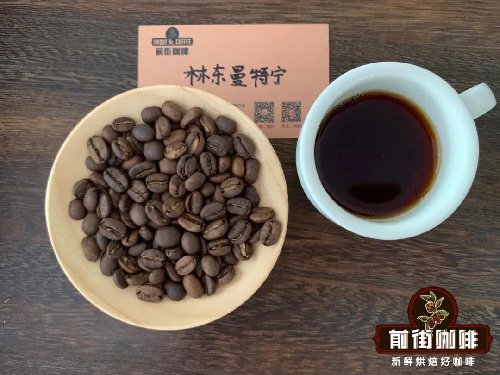
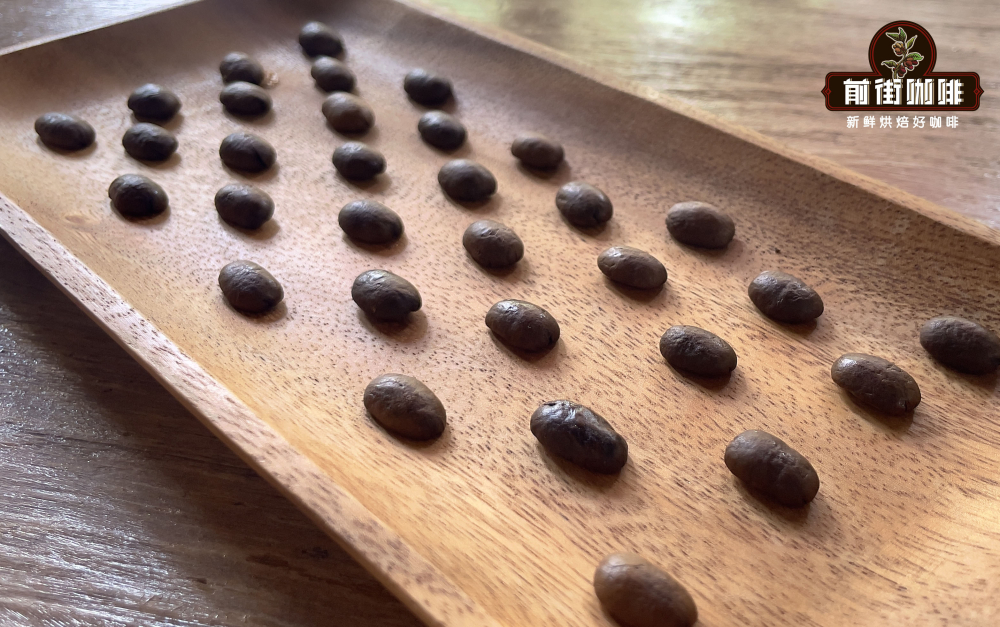
Aged Mandheling is matured through 2-3 years of storage, with an acidity conversion rate of more than 60%, forming a unique full-bodied texture. During processing, the bean color gradually turns dark brown, the mouthfeel resembles the thick smoothness of aged Pu'er tea, and the proportion of herbal and caramel flavors increases to 40%. This type of coffee is better suited to being enjoyed with dairy products, which can highlight the rich layers of its sugar substances.
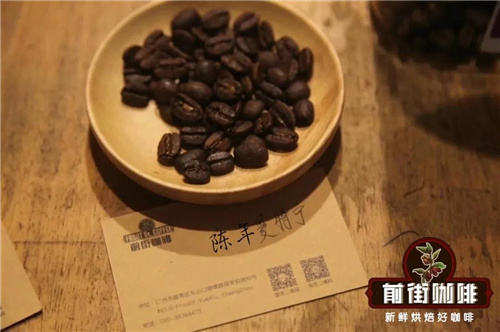
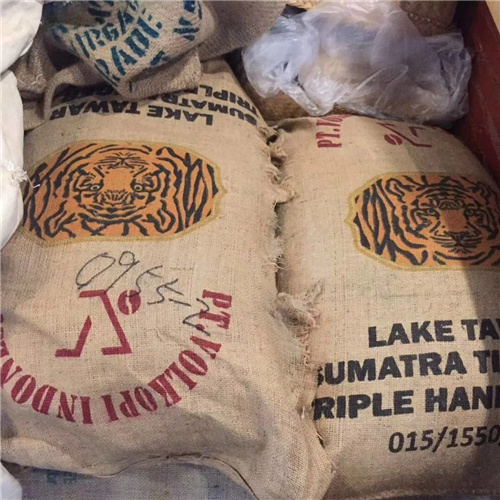
Tiger Mandheling, because of its relatively high moisture content (about 12.5%), can balance body and balance through medium roasting. Actual tasting shows that its herbal and nutty aroma intensity reaches level 3 (on the industry standard 5-level scale), and its viscosity index is 15% better than standard versions. This type of bean requires care to avoid over-grinding; a conical grinder is recommended to maintain particle uniformity.
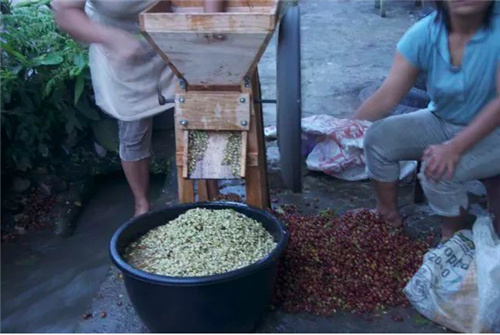
Indonesia's unique wet-hulling method plays a decisive role in flavor formation: after picking, coffee cherries are floated to remove impurities, and the pectin fermentation period is strictly controlled at 18-24 hours. The key step is hulling while the parchment is semi-dry; at this point the bean moisture content is 20%-24%, and hoof-shaped defective beans are likely to occur (at a rate of about 8%). Professional processing plants can reduce this proportion to below 3% through humidity monitoring.
Coffee bean grading is based on the number of defects in a 300-gram sample: Grade G1 has ≤3 defective beans, Grade G2 has 4-12, and Grade G6 allows 101-153. Golden Mandheling undergoes three additional manual sorting passes to ensure fewer than 5 defects per kilogram and a 20% improvement in bean roundness. This process improves the coffee's cleanliness and reduces off-flavor substances by about 35%.
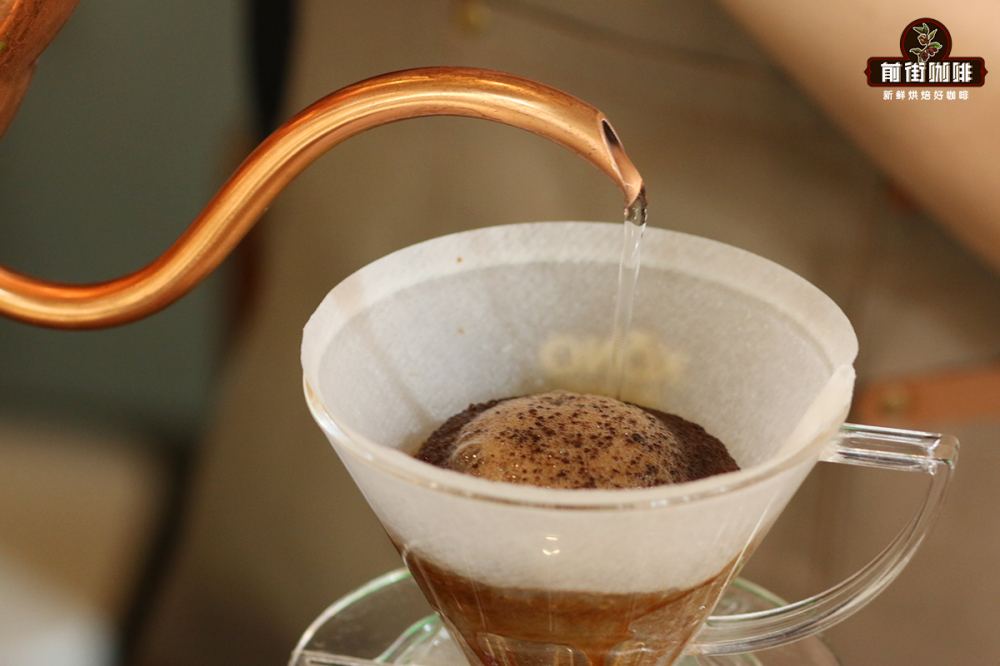
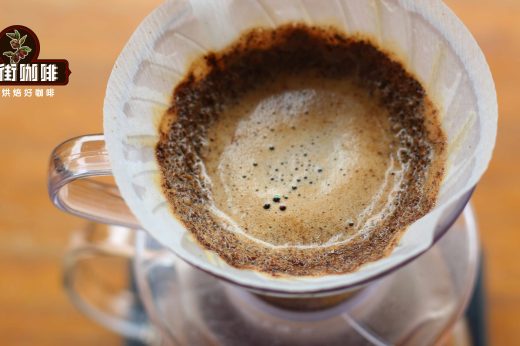
For home brewing, a KONO dripper is recommended: grind medium-dark roasted beans to 70% passing a Chinese standard No. 20 sieve (about medium-coarse), use a coffee-to-water ratio of 1:13, and a water temperature of 87°C. During staged pouring, control the flow rate at 8 g/s in the first stage and increase it to 12 g/s in the later stage, with a total extraction time of 2 minutes 30 seconds. Under these parameters, the extraction rate of herbal flavors reaches its optimum, and the risk of over-extraction is reduced by 40%.