Brazil Santos Coffee Review: Espresso Blends and Pour-Over Guide
Introduction: As the world's largest coffee-producing region, Brazil is known for its Santos coffee beans, which are renowned for their unique drying process and consistent quality. This article takes a deep look at how this classic bean is processed, its flavor characteristics and its brewing suitability—from espresso blends to pour-over single origins—to show why it meets the needs of both large-scale production and specialty coffee, while offering practical advice on roast level selection and brewing parameters.
Brazil's exceptional climate conditions—high temperatures and abundant rainfall—keep it firmly at the top of global coffee production. Notably, more than seventy percent of the plantations in this coffee giant are under 10 acres. The differentiated processing methods used by smallholders give each batch of coffee beans a distinct regional imprint, while the uniform quality standards strictly enforced across the industry ensure the reliability of the baseline flavor.
The classic processing method for Santos coffee beans is natural drying: the whole coffee cherries are dried intact on drying beds before the beans are removed. This process allows the sugars in the fruit pulp to fully permeate the core of the bean, so that when brewed it shows a clear sweet base, accompanied by moderate citrus fruit notes and nutty tones; the overall flavor is fuller and richer than that of washed beans.
<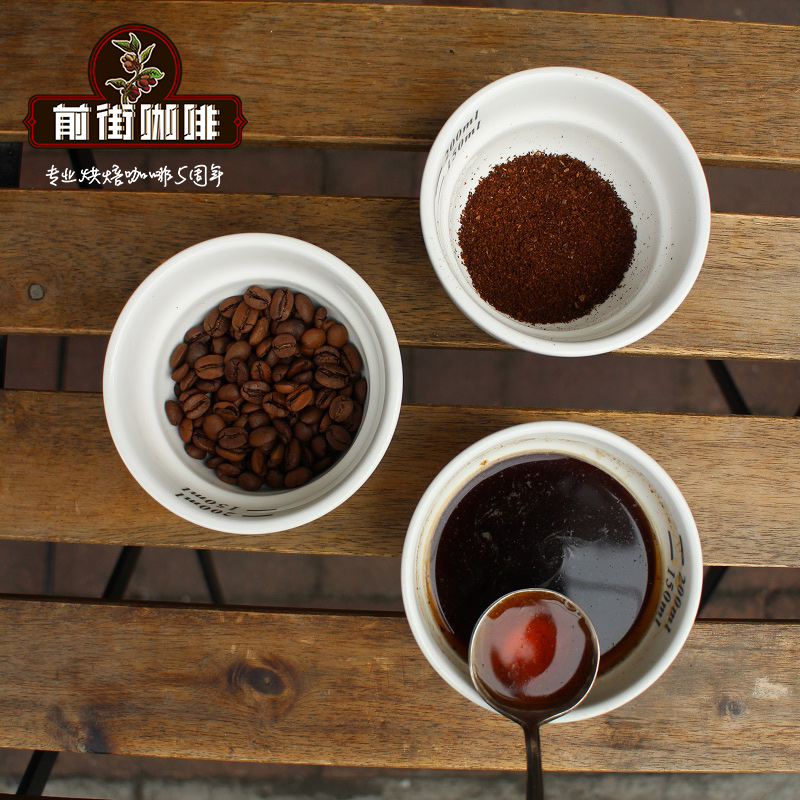 >
Brazil Santos beans, represented by the Santos growing region, are usually roasted to a medium level (around Agtron 55-60), which effectively keeps acidity at a low level. On the first sip you sense a steady dark-chocolate-like base, followed by the toffee sweetness brought out by caramelization. This mild character makes it an ideal base for milk coffee; whether in a latte or a cappuccino, it perfectly balances the richness of the milk foam.
As a core ingredient in espresso blends, Brazil Santos beans contribute three key elements: stable body, a moderate bitter-sweet balance and excellent crema. Professional roasters often blend them with high-acidity African beans at a 7:3 ratio, which maintains the sharpness of the espresso while avoiding excessive pungency. Home users who want to make their own blend are advised to pair Brazilian beans with Ethiopian Yirgacheffe at a 1:1 ratio, using beans of the same roast level.
Pour-over enthusiasts can choose light-to-medium roasted (Agtron 65-70) Santos beans to explore more of their flavor potential. A V60 dripper is recommended, with parameters set at a 1:15 coffee-to-water ratio and 92°C water temperature, using a three-stage pouring method (pour into the center until one-third full, then expand in circles). The beans will then show brighter red berry flavors, with a faint almond-nut aroma in the finish, making them better suited to drinking on their own than the dark-roasted version.
When buying, note that genuine Brazil Santos should be blue-green hard beans, and their surface oiliness increases with darker roasting. Light-roast versions are best used within 7-14 days of roasting, while medium-dark roasts can be extended to one month. For storage, use aluminum foil bags with one-way degassing valves, and avoid storing them together with strongly scented items such as spices and tea leaves.


