Guatemala Antigua La Flor Coffee Bean Flavor Analysis and V60 Pour-Over Guide
Introduction: Explore the unique charm of the iconic La Flor coffee beans from Guatemala's Antigua region. This article explains how the volcanic soil surrounded by three volcanoes cultivates balanced and mellow flavor layers, analyzes the characteristics of Caturra and Bourbon varieties and the advantages of washed processing, and provides a professional V60 pour-over recipe, from grind size to staged pouring techniques, to help you precisely present this classic bean's citrus, berry, and chocolate finish.
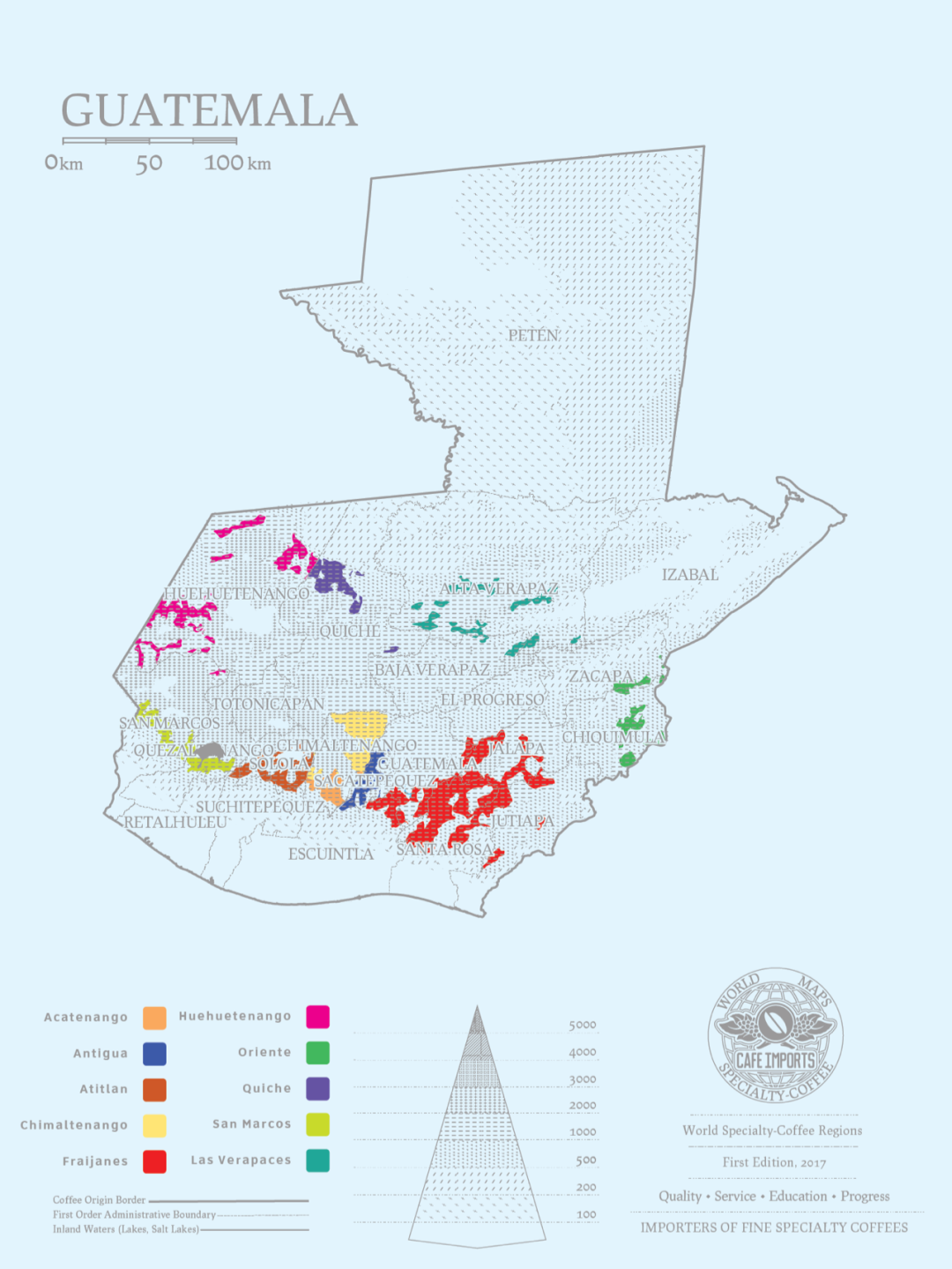
In the specialty coffee landscape of the Americas, Guatemala, though limited in land area, has cultivated several renowned regions thanks to its unique geography. The Antigua region is particularly special—surrounded by three volcanoes: Agua, Fuego, and Acatenango. In particular, the persistently active Fuego volcano periodically erupts, injecting rich minerals into the surrounding soil and creating a natural advantage for growing high-quality coffee.
The representative coffee bean of the Antigua region, "La Flor," grows on the volcanic slopes of the La Minita estate. The estate adheres to ecological management: chemical pesticides are completely prohibited, and high altitude and cool climate naturally suppress pests; soil tests are conducted twice a year with precise application of fertilizers containing zinc, boron, and other trace elements to ensure healthy coffee tree growth. During harvest, only fully red ripe cherries are strictly selected to avoid underripe beans affecting overall flavor harmony.
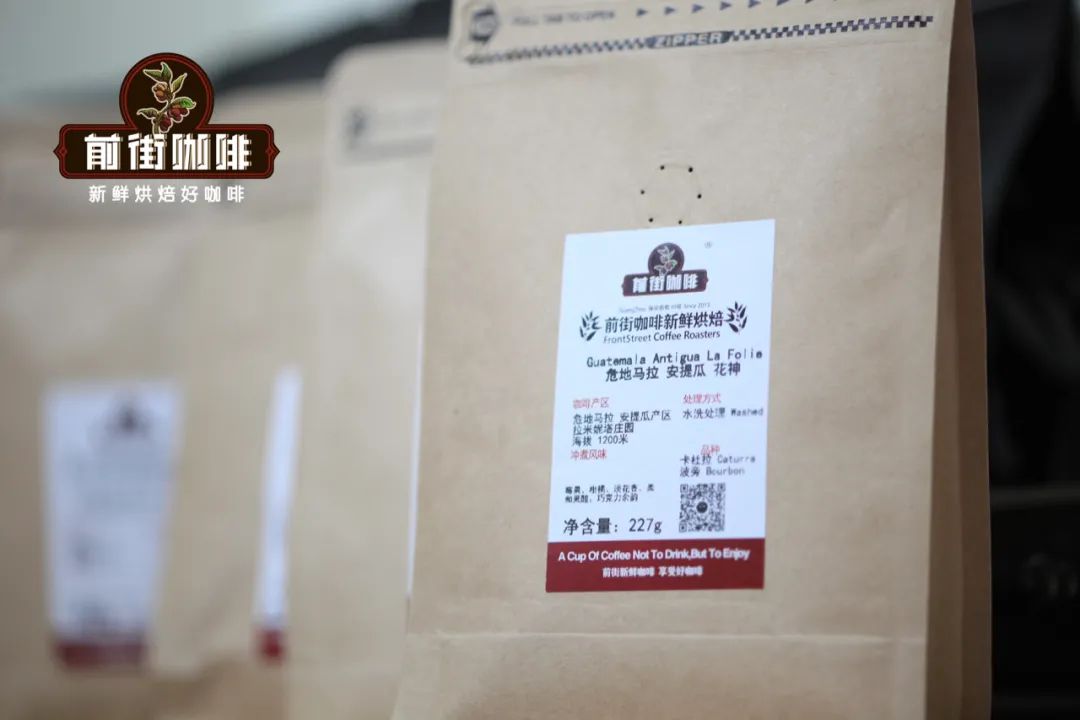
The flavor characteristics of La Flor coffee stem from the synergy of multiple factors. The variety combination uses a blend of Guatemala's classic Bourbon and Caturra—Bourbon contributes elegant citrus notes and a nutty base, while its natural mutation Caturra increases planting density by shortening internode distance while retaining bright acidity. The processing method is completed at the region's largest washed processing station: after flotation to remove defective cherries, standardized steps including pulping, fermentation to break down mucilage, rinsing with clean water, and drying to 11% moisture content effectively highlight acidity clarity and form a clean taste foundation.
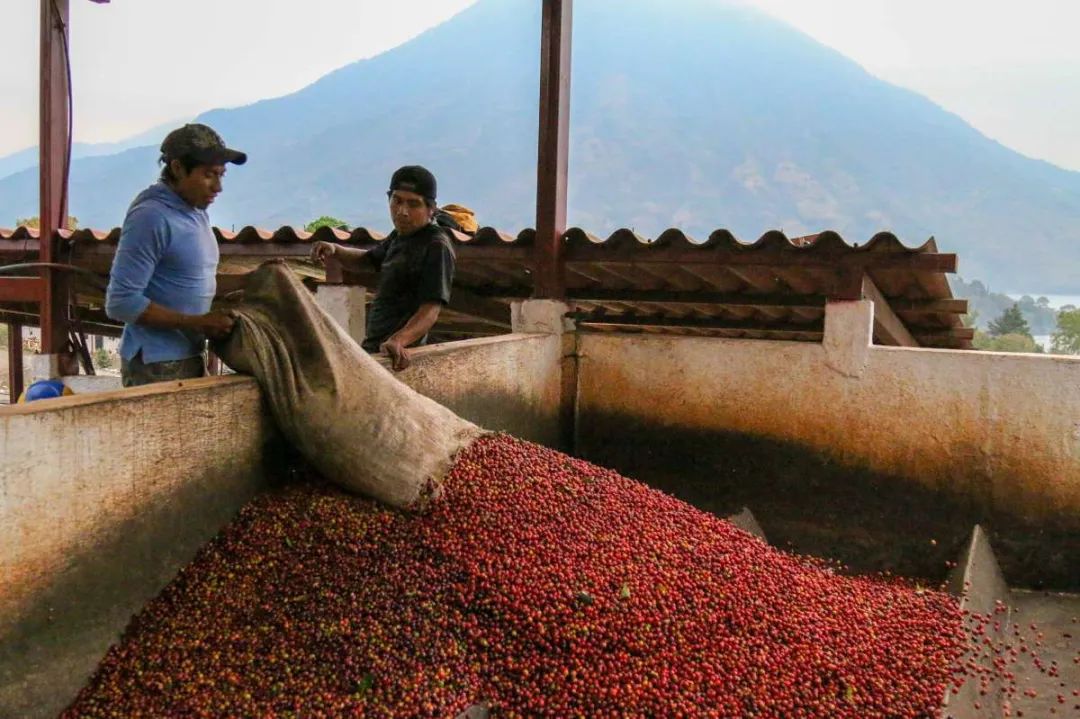

In actual tasting, at high temperatures you can capture medium-intensity citrus fruit aromas and nutty flavors; as the temperature drops to the medium range, soft berry notes gradually emerge; the finish presents a long-lasting chocolate aftertaste, with an overall balanced and clean performance. This layered flavor structure comes from the combination of variety characteristics and processing method, as well as the estate's scientific cultivation management system.
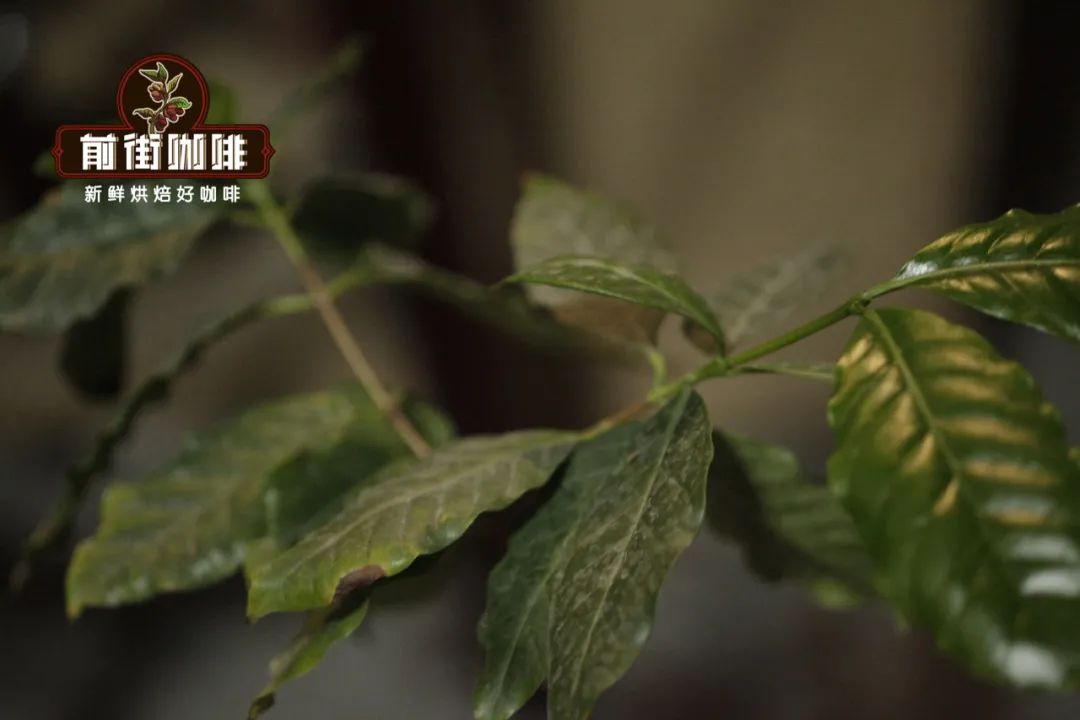
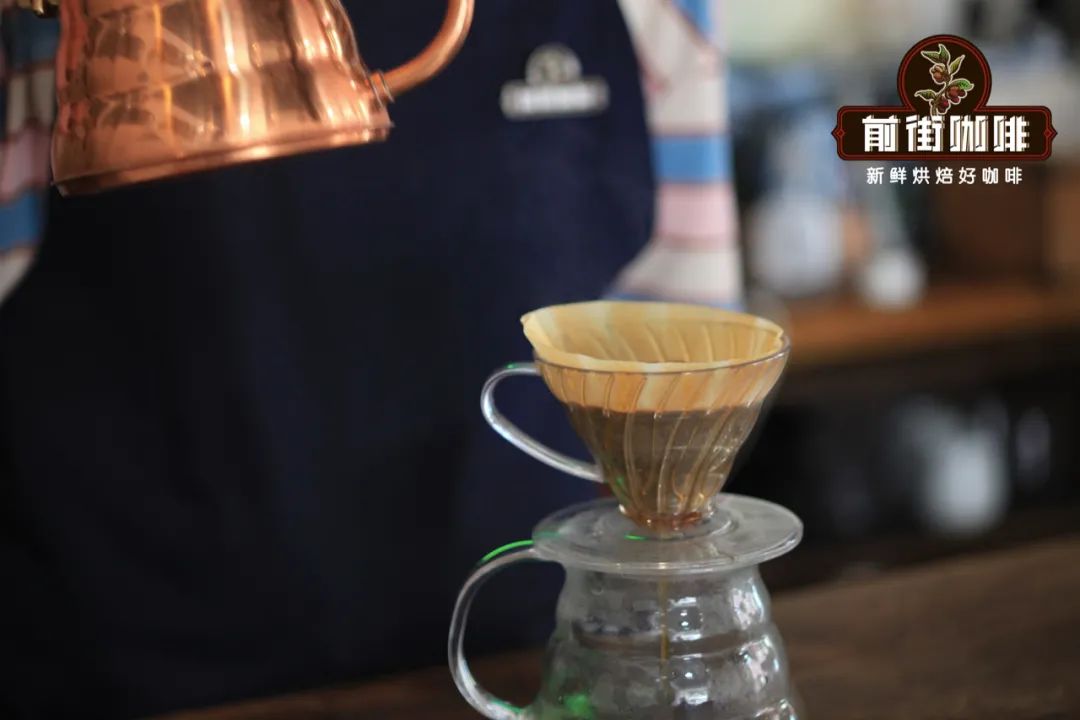
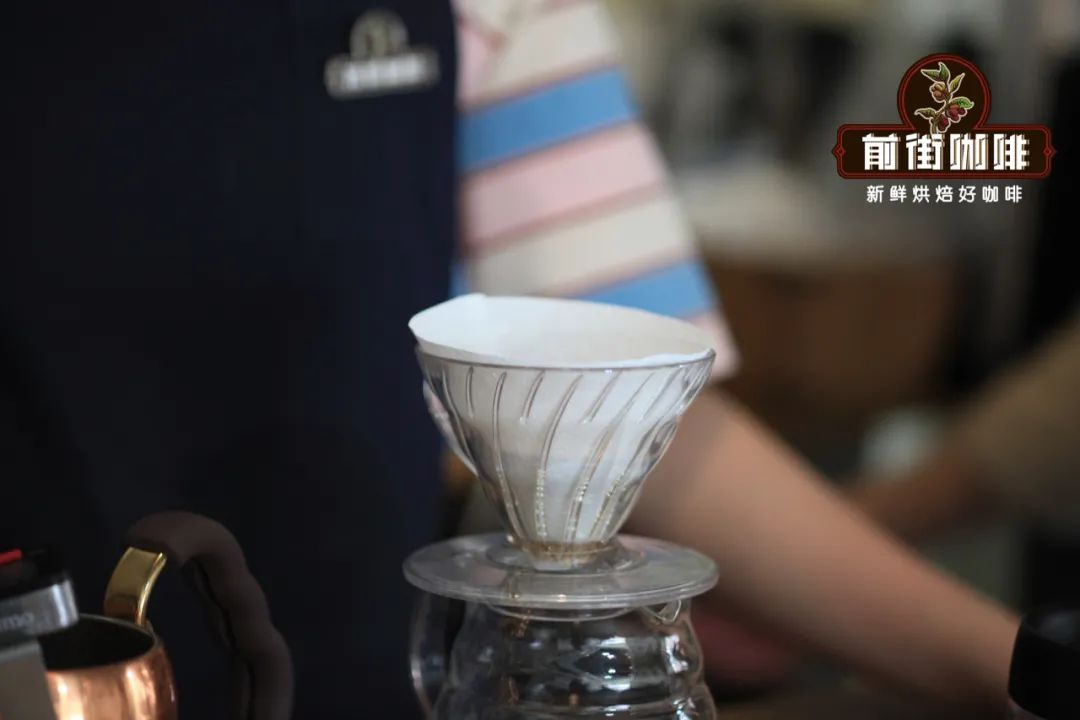
For brewing this bean, a V60 dripper is recommended for pour-over. The cone design helps enhance extraction layering, and the large aperture filter allows precise control of flow rate. Specific parameters suggested: 16g dose (grind size 0.85mm standard sieve 80% pass, i.e., medium-fine), water temperature 90°C, brew ratio 1:15. Pay attention to three key steps: first, pre-wet the filter paper with a small amount of hot water to ensure it fits; second, pour 30g of water for a 30-second bloom (ratio about 1:1.8) to fully release carbon dioxide; then, pour in a circular motion to 125g (total water 155g), focusing on extracting sweet and acidic compounds; finally, pour to 225g (total water 225g), adjusting the pouring rhythm to balance bitterness and strength. The whole process should be completed in about 2 minutes.
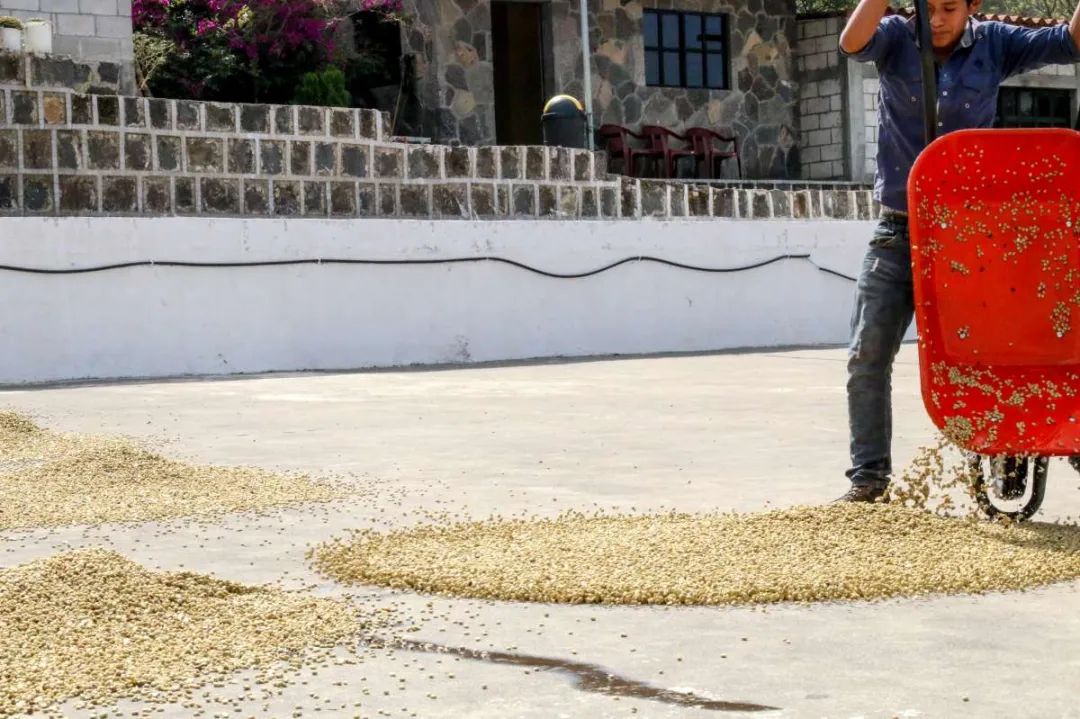
Additionally, before grinding, you can use a small amount of beans to clean the grinder to avoid residual flavor interference. When pouring, maintain a spiral trajectory expanding from the center outward to improve extraction uniformity. For beginners, if concerned about difficulty, you can start by extending the bloom time to 45 seconds or lowering the water temperature to 88°C, gradually finding a brewing plan that suits your personal taste preferences.
From the gift of volcanic soil to fine agronomic management to scientific pour-over parameter control, La Flor coffee demonstrates the Guatemalan region's pursuit of quality. Understanding these details not only helps you better appreciate the flavor charm of this classic bean but also provides a valuable reference framework for exploring other Central American specialty coffees.