Geisha Coffee Bean Flavor Analysis: Pour-Over vs. Siphon Brewing Guide
Introduction: Geisha coffee beans are known for their distinctive floral and fruity aromas and clean, transparent mouthfeel, making them the first choice of many coffee lovers. This article details the characteristics of Geisha green beans, suitable roast levels, and the flavor differences presented through two different extraction methods—pour-over and siphon—to help you better understand and experience the diverse charm of this specialty coffee.
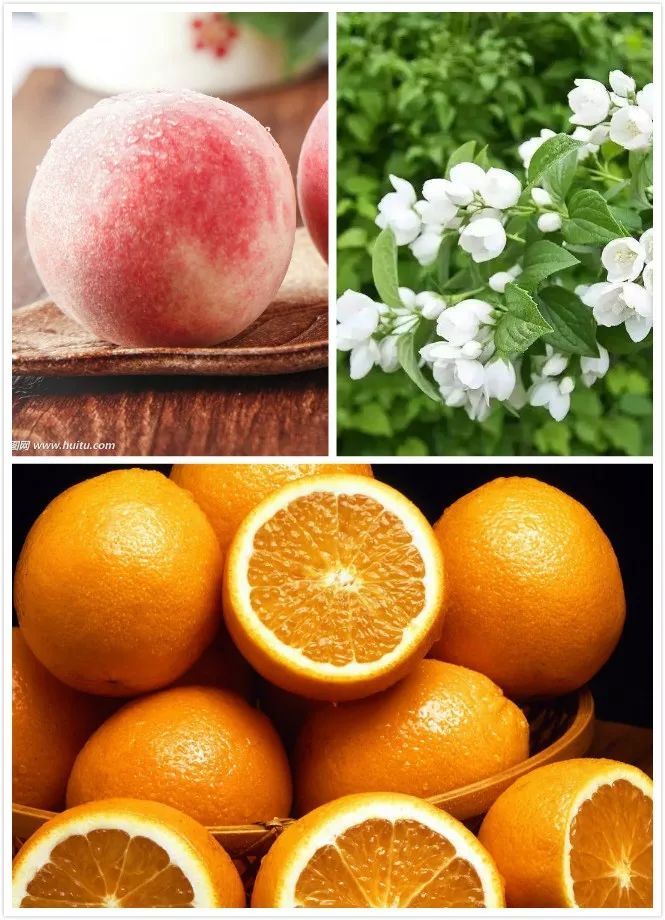
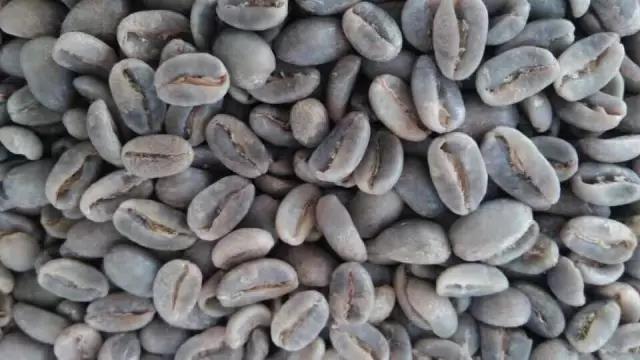
The raw Geisha coffee beans present an attractive blue-green appearance, with a texture as warm and delicate as jade. Smelled closely, their dry aroma carries a fresh grassy note, ripe peach flavors, distinct berry aromas, and a unique oolong tea sweetness that most coffee beans do not possess. This elegant tea character is precisely one of the key sensory features that distinguishes Geisha from other coffee varieties, and one reason it is so widely loved.
To fully bring out the flavor characteristics of Geisha, roasters usually roast it to a stage close to the beginning of second crack. This roast level preserves the bean's original delicate aromas without over-developing burnt bitter notes. Note that roasting too light can easily cause miscellaneous astringent flavors to emerge, while roasting too dark weakens the prized floral and fruity aromas and bright acidity. Therefore, precisely controlling the roasting process and flexibly adjusting according to the specific characteristics of the beans is the key to roasting high-quality Geisha.
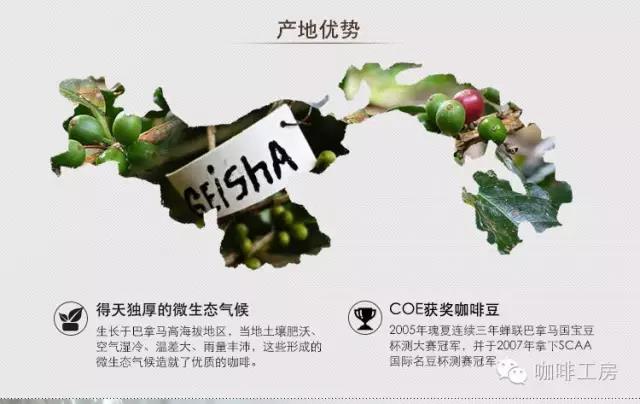
In terms of flavor expression, Geisha is known for its rich floral aromas, intense tropical fruit notes, and pronounced sweetness. After proper roasting, its flavor layers are like tasting a fresh bouquet—clean and full of dimension. As an ancient native coffee variety of Ethiopia, Geisha was first introduced as a research sample to a coffee experimental garden in Costa Rica, and later trialed on a small scale in a few small farms. For a long time, Geisha did not attract widespread attention until Panama's Hacienda Esmeralda (La Esmeralda) graded it separately and, with its outstanding quality, repeatedly won awards in international coffee competitions, gradually bringing it into the public eye. Today, some small farms have also begun trying to grow Geisha, hoping to replicate or develop their own unique style.
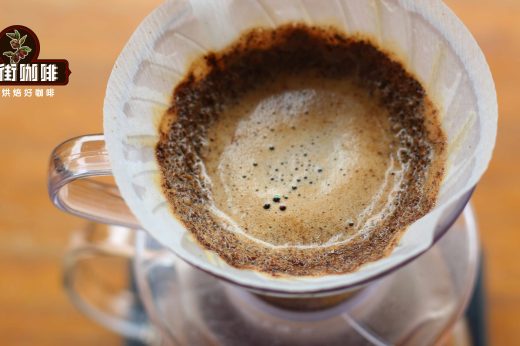
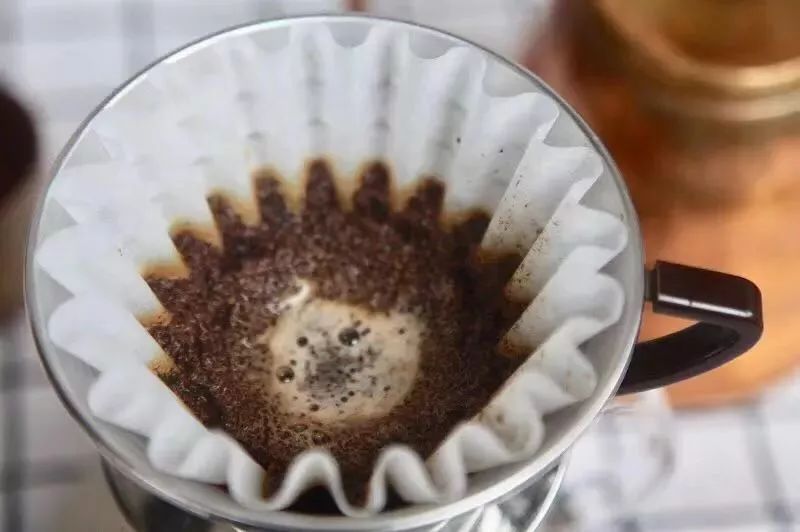
From a brewing perspective, Geisha is extremely sensitive to the extraction method, and different techniques bring completely different flavor experiences. The pour-over method, because of its gentle and stable extraction environment, better highlights Geisha's cleanliness and layered changes. Using a medium-fine grind and medium-high water temperature (about 90-93°C), controlling the pouring rhythm and staged extraction can reveal its rich floral and fruity aromas, bright acidity, and long caramel sweetness in the finish. This brewing method suits coffee lovers who pursue clear flavor lines and balanced taste.
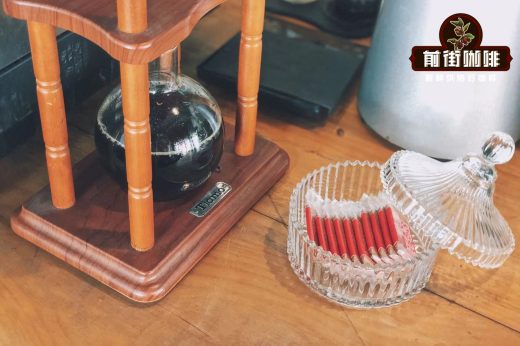
By contrast, the siphon brewing method, through the pressure and vacuum cycle generated by heating, makes the coffee extraction more even and intense. Using a medium grind and slightly higher water temperature (about 92-94°C), the siphon can bring out a rounder, fuller body in Geisha, with more concentrated and impactful floral and fruity aromas and more obvious sweetness. This extraction method is better suited to drinkers who prefer a full-bodied mouthfeel and rich aromas; especially in cold seasons, a cup of siphon Geisha brings a warm and full enjoyment.