Brewing Guide and Flavor Analysis of Indonesian Sumatra Honey-Process Mandheling Coffee Beans

Introduction: This article provides an in-depth analysis of the distinctive flavor characteristics of honey-process Mandheling coffee beans from the Aceh region of Sumatra, Indonesia, detailing their origin environment, processing method, and flavor layers. From a professional perspective, it explains the key pour-over brewing points for these high-altitude beans, helping coffee enthusiasts master the optimal extraction parameters and fully experience the multi-layered flavor changes of peach, passion fruit acidity, and honey finish.
These honey-process Mandheling coffee beans from northern Sumatra, Indonesia, are grown in the Lintong region at altitudes of 1,000–1,500 meters, where an annual rainfall of 2,000–3,000 mm and a humid environment give them a distinct regional character. The beans undergo the rare honey process, retaining the mucilage layer while precisely controlling the degree of fermentation, creating a unique flavor balance.
In the dry aroma, clear tropical fruit notes of mango and passion fruit can be detected, accompanied by an elegant floral tone. On the palate, plump peach and passion fruit acidity appear first, developing into the subtle pungency characteristic of pineapple in the mid-palate, while the finish gradually turns to the sweetness of honey and a complex aftertaste of herbal and woody notes. The overall flavor structure is solid and richly layered.
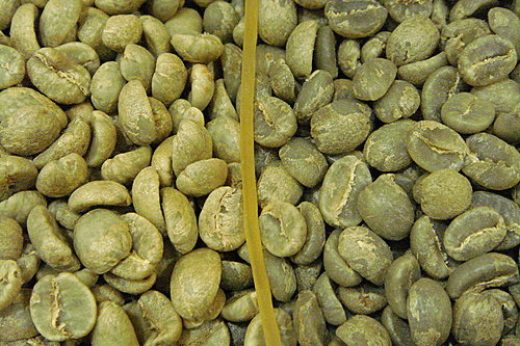
Core producing region characteristics: The Gayo region in northern Sumatra, the central Toba area, and the SP Bolon area are high-quality producing regions, with regular harvest periods from March to June and September to December each year. This lot is selected from fully red, ripe coffee cherries and undergoes Indonesia's standard double-screening system to ensure quality; the dark green raw bean state indicates a rich accumulation of aromatic substances.
The details of the honey process are worth noting: after the coffee cherries are floated to remove defects, the beans are fermented in their parchment for a short dry-body fermentation (usually several hours) to promote the conversion of sugars in the mucilage. When initially dried to a moisture content of 30%–50%, the parchment is removed, followed by 1–2 days of sun drying to bring the moisture down to 35%–40%, with the final stage stabilizing at 12%–13%. This staged drying method preserves the characteristics of the honey process while ensuring drying efficiency.
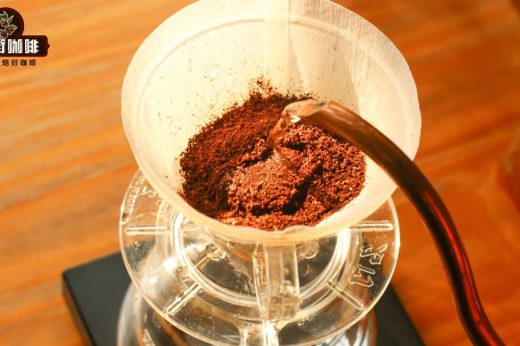
Recommended brewing parameters: Use a medium-fine grind (similar to fine sugar texture) and a coffee-to-water ratio of 1:15–1:16. A water temperature of 90–92°C is recommended, using a three-stage pouring method—bloom with 20 g of water for 30 seconds, then pour in circles to 125 g in stages, and finally pour slowly to a total water amount of 225 g. Keep the total extraction time in the range of 2 minutes 10 seconds to 2 minutes 30 seconds to highlight the balance between its bright fruit acidity and full body.
Common brewing mistakes include: excessively prolonging extraction time will make woody flavors prominent, and water temperatures above 93°C tend to amplify defective off-flavors. For storage, keep the beans dry and away from light; after opening, it is recommended to store them in an airtight canister with a one-way degassing valve. The optimal flavor period is within 2–4 weeks after roasting.
These honey-process Mandheling beans perfectly interpret the unique charm of Sumatra coffee—they have the signature full body of the Mandheling series, while the honey process reveals an uncommon fruit acidity. For coffee enthusiasts pursuing complex flavors, the contrasting tension between its peach acidity and honey finish, combined with an herbal background tone, offers a highly recognizable drinking experience.