Indonesian Mandheling Coffee: Flavor, Origin and Variety Guide
Introduction: Indonesian Mandheling coffee is often mistaken for Robusta, but it is actually a high-quality Arabica bean. This article explains the true identity of Mandheling, from the growing altitude of its core production areas in Sumatra to the rigorous selection process behind Golden Mandheling. It analyzes its unique full-bodied, low-acid, chocolate-toned flavor and compares the differences between the Reserve and aged versions, helping you choose the Mandheling that suits you best.
In the 17th century, Dutch colonists introduced Arabica coffee seedlings to the Indonesian archipelago, and they were first successfully cultivated in Java and Sumatra. However, the massive coffee leaf rust outbreak of 1877 nearly destroyed Arabica plantations across the region, forcing farmers to switch to disease-resistant Robusta. Today, Indonesia is the world's fourth-largest coffee producer, with 90% of its output being Robusta, yet Mandheling from northern Sumatra is a precious representative of Arabica—grown on volcanic soil slopes at altitudes of 750 to 1,500 meters, it develops its signature heavy body.
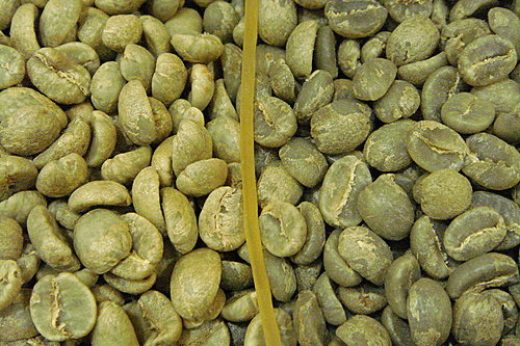
Mandheling's flavor is highly recognizable: its body is close to that of dark chocolate, with pronounced syrupy sweetness and woody notes; its low acidity makes it silky smooth on the palate. Visually, these beans often appear unevenly blue-green with a fair amount of silver skin remaining on the surface, but experienced roasters consider these "flaws" to be an expression of concentrated flavor. Professional cupping shows that high-quality Mandheling can score 8.5/10 for body and only 2/10 for acidity, in sharp contrast to Ethiopia's Yirgacheffe.
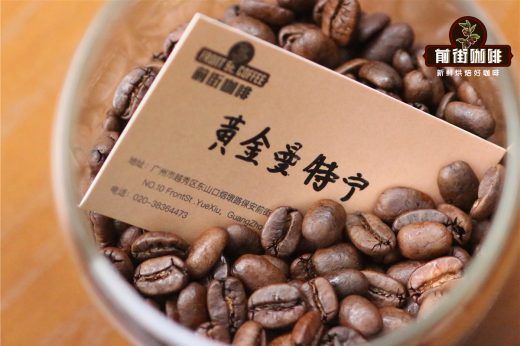
Mandheling from Sumatra is divided into several subcategories: ordinary commercial grade usually uses the traditional wet-hulling process, emphasizing earthy and smoky notes; Golden Mandheling must undergo rigorous screening by Japanese importers—each batch is hand-sorted more than four times to remove defective beans, keeping only plump, evenly sized, dark green beans. This process creates a brighter citrus finish.Reserve Mandheling is particularly special: the green beans rest in a constant-temperature, constant-humidity cellar for three years, during which slow fermentation and transformation reduce acidity by 30% while raising body to 9/10, developing a complex aroma of cinnamon and cocoa powder.
There is a common misconception about aged Mandheling: successfully aged beans go through a "tartness → caramelization" transformation, and storage of more than two years can turn sharp acidity into honey-like sweetness. However, if storage humidity exceeds 65% or the temperature fluctuates too much, there is a risk of mold—poor-quality aged beans develop an off-flavor resembling wet cardboard. Professional advice is to choose products with an aging period of within five years; the best flavor window usually occurs in the third year.
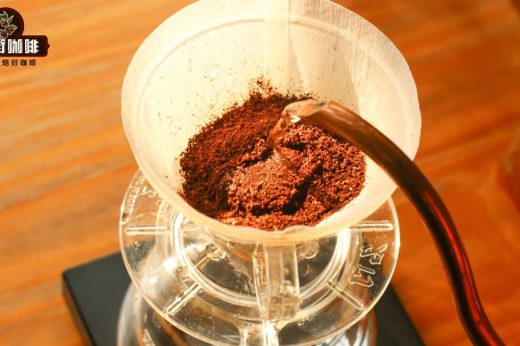
Golden Mandheling was born out of Japanese market demand in the 1990s: importers set a "four times hand-sorted" standard, requiring fewer than 3 defective beans per 300 grams of green coffee. This rigorous screening brings the finished product's density to above 0.78 g/cm³, making it more suitable for light-to-medium roasts that highlight floral and fruity notes. Actual brewing tests show that when pour-over brewed with 92°C water at a 1:15 coffee-to-water ratio, Golden Mandheling's sweetness index is 22% higher than that of ordinary Mandheling.
Sumatran Mandheling cultivation is concentrated in three major regions: the Gayo Mountains of Aceh Province produce clean, bright acidity at high altitudes (1,200-1,500 meters); the Mandheling region of North Sumatra develops a heavy body thanks to its volcanic ash soil; the area around Lake Toba combines fruity and herbal aromas. Notably, local farmers use a unique shade-growing system, intercropping coffee trees with rubber trees. This model both protects the ecology and extends the fruit's ripening period, indirectly enhancing sugar accumulation.