Sumatra Mandheling coffee: regions, flavor and classic varieties

Introduction: Want to understand the unique appeal of Mandheling coffee? This article takes a deep look at the core growing regions, flavor characteristics and classic varieties of Sumatran Mandheling coffee in Indonesia, from the differences between Lintong and Mandheling origins to the sorting process behind Gold Mandheling, helping you master the key points of buying and tasting this full-bodied, low-acid coffee, with references for both pour-over and dark roasting.
Mandheling coffee is known worldwide for its rich, full-bodied mouthfeel; on entry, the tip of the tongue registers a distinct silky texture, with low acidity yet clear layers, a lively subtle acidity balancing the intense aroma, accompanied by a faint earthy or herbal freshness, making it a classic choice for dark-roast lovers. This coffee from Sumatra, Indonesia, with its masculine full-bodied character and signature low-acid sweetness on the finish, has long been regarded as a representative of Asian specialty coffee.
Sumatra is the core producing region of Mandheling, with two sub-regions, Lintong and Mandheling, being the most representative. Lintong coffee grows in the highland clay areas southwest of Lake Toba, at higher altitude and covered with fern vegetation, grown by smallholders using non-shaded cultivation without chemical inputs, and the beans produced have a distinct regional character. Mandheling, as a broader collective term, covers coffee grown in Lintong and similar environments nearby, such as Diari and northern Lake Toba, and is likewise known for a heavy body and low acidity.
As for the origin of the name, Mandheling is not a geographical or varietal name but a transliteration of the Indonesian Mandailing people. During World War II, a Japanese soldier who tasted fine coffee in Indonesia asked the shopkeeper, and mistakenly took the ethnic name in the reply as the name of the coffee and brought it back to Japan, where it became widely known after promotion by the Pawani coffee company. The name subsequently became closely associated with the producing areas around Lake Toba in northern Sumatra, whose coffee often carries a distinctive herbal and forest aroma.
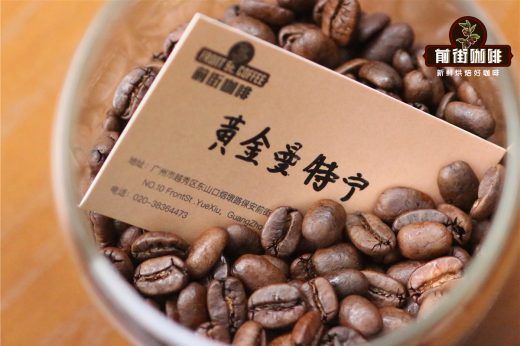
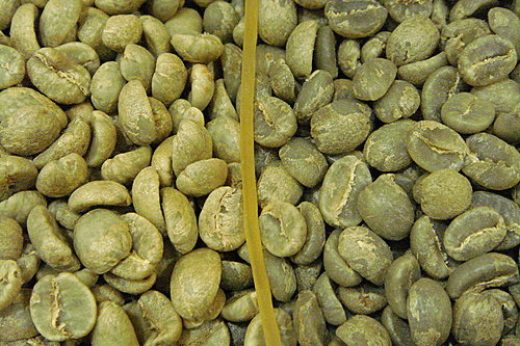
Within the Mandheling family, Gold Mandheling is a premium variety much sought after in recent years. Japanese traders remove defective beans through four rounds of hand sorting, ensuring every bean is even in color, plump and deep green. This strict quality control gives Gold Mandheling a cleaner cup and prominent sweetness, making it a best-selling specialty coffee representative in European and American markets. Another classic is aged Mandheling: after several years of proper storage, the originally pronounced tartness transforms into a soft sweetness, and accumulated sugars make the mouthfeel rounder. Note, however, that improper control of the aging process can easily lead to flavor deterioration, and failed cases often show up as woody off-flavors.
Historically, the development of Sumatra's coffee industry is closely tied to Indonesia's colonial past. From the 17th century European powers gradually gained influence, and after the Dutch East India Company monopolized the spice trade in 1602, coffee cultivation gradually became large-scale. After Indonesian independence, Japan's occupation during World War II unexpectedly boosted Mandheling's international reputation, while after the war local traders continued to optimize cultivation and processing techniques, establishing its position in the specialty coffee field.
The producing environment has a particularly marked influence on flavor. Sumatra is dominated by volcanic soils, and the high-humidity climate with stable temperatures year-round provides ideal conditions for coffee trees. The clay highlands and shade vegetation of the Lintong area give the coffee rich herbal and earthy tones; and the wet-hulling method commonly used in processing accelerates drying while strengthening the full body and low acidity. The combination of these natural and human factors creates Mandheling's distinctive character, setting it apart from other Asian coffees.
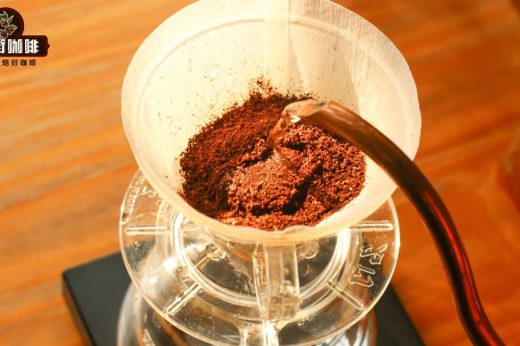
For consumers, when buying Mandheling it is advisable to look at the bean variety (mainly Arabica), the processing method (mainly wet-hulled) and the roast level (medium-dark roasts better highlight the full body). For pour-over, use a water temperature of 90-93°C, a medium-coarse grind and a slower flow rate to fully bring out its layers. Whether you seek the classic full body or want to try the changes of aging, Mandheling offers coffee lovers a rich flavor experience.