10 Common Coffee Drinks: Flavor Guide and Buying Tips, from Pour-Over to Specialty

Introduction: From classic espresso to creative specialty drinks, coffee lovers often face more than ten choices and don't know where to start. This article systematically sorts out the 10 mainstream types of coffee drinks on the market, detailing each one's basic recipe, flavor characteristics and brewing key points, and specifically notes key parameters such as coffee-to-water ratio and milk foam thickness. Whether you are a beginner or want a deeper understanding of coffee differences, this guide will help you find the type that suits your taste.
When you walk into a café to order, the dozen or so names on the menu always make you hesitate. In fact, the coffee we drink daily is mainly divided into ten major categories, including espresso, SOE coffee, Americano, latte, flat white, cappuccino, pour-over coffee, cold brew, Dirty and specialty coffee. Most of these drinks are made with arabica coffee beans that have rich flavor layers, making them especially suitable for consumers who pursue quality.
The espresso family includes six classic types: first is the most basic espresso, in which an espresso machine uses about 92°C hot water at 9-10 atmospheres of pressure to quickly extract very finely ground coffee (about 20-30 seconds for 30ml). This type of coffee usually uses medium-dark roasted blend beans to ensure a full-bodied base. The advanced version, SOE coffee, instead uses single-origin beans and can clearly show the unique flavor of the origin, such as the citrus notes of Ethiopian beans or the nutty aroma of Colombian beans.
Americano is made by diluting espresso with water (regular ratio 1:2), while iced Americano adds ice cubes for cooling. Note: some shops adjust the ratio to 1:3 to reduce bitterness. Latte, flat white and cappuccino are all milk coffees, and the difference lies in the proportions: latte is 1/3 espresso plus 2/3 steamed milk plus 1cm dense milk foam (about 150ml total), flat white is reduced to 2/3 espresso plus 1/3 milk plus 0.5cm thin foam (about 180ml), while cappuccino maintains the classic 1:1:1 triangle structure (milk foam up to 1.5cm).
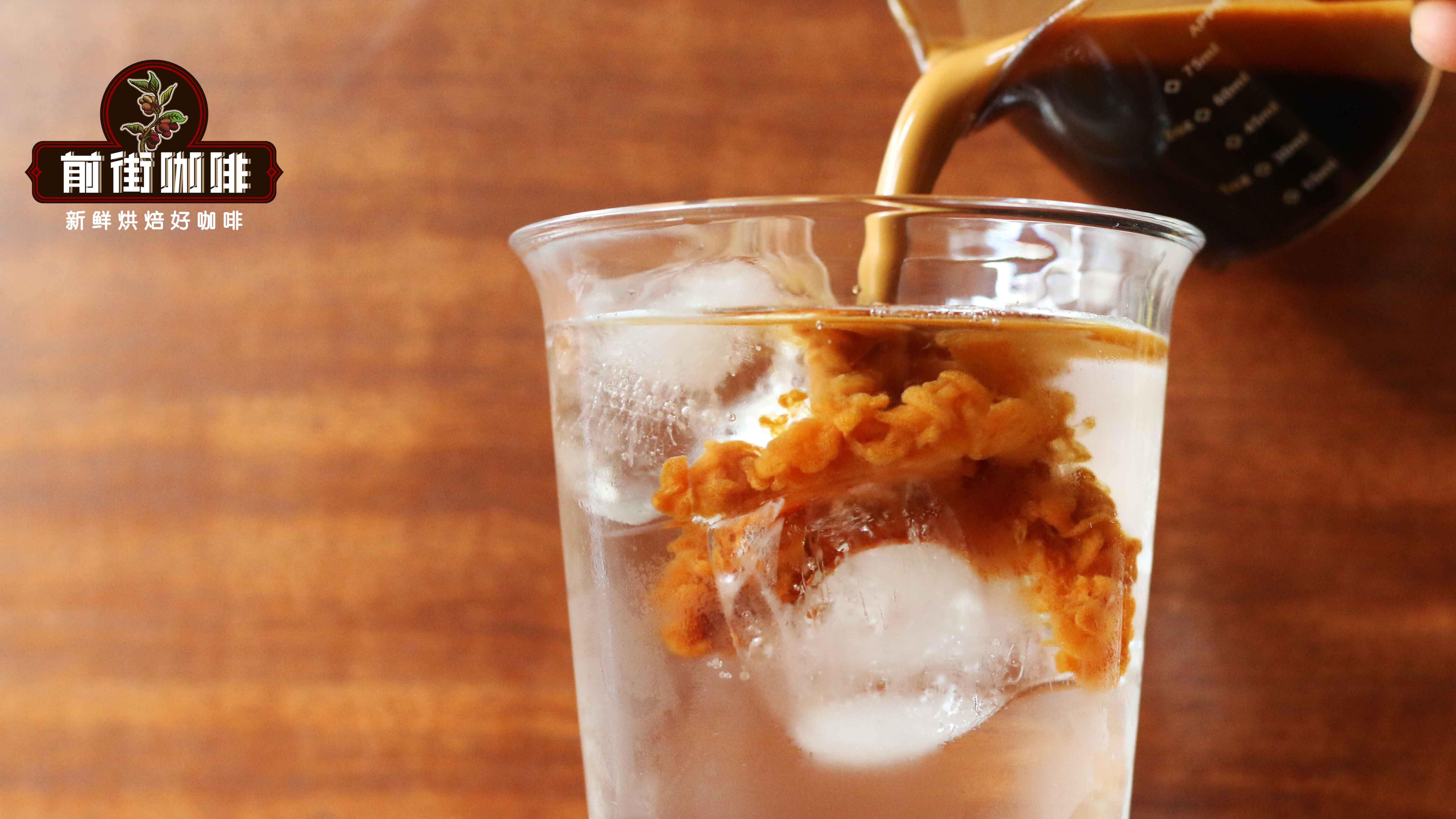
Dirty is a typical collision of hot and cold: chilled milk (fresh milk with a fat content of 3.8% or above is recommended) is poured directly into freshly extracted espresso, using the temperature difference to create visual layers. Key point: use a thick-bottomed glass and drink quickly to experience the transition from rich to smooth. Pour-over coffee is completely outside the espresso system. It uses a V60 or Kalita dripper and slowly pours 88-92°C hot water (recommended coffee-to-water ratio 1:15-1:17) for extraction. Beginners are advised to start with medium-roast beans, with a grind size similar to fine sugar.

Cold brew coffee uses a long low-temperature extraction method: mix medium-fine ground coffee (about 80-100 mesh) with cold water at a 1:8 ratio (total water includes the ice added later), and soak in the refrigerator for 12-16 hours. Optimization tips: add a small amount of salt to enhance sweetness, or use a one-way valve filter bag for filtration. Its variant, ice drip coffee, is even more time-consuming—ice water passes through the coffee grounds at a rate of 1-2 drops per minute (coffee-to-water ratio 1:12-1:15), taking 6-8 hours in total, and after completion it is recommended to refrigerate for 12 hours to let the flavors blend.
Specialty coffee belongs to the creative category, and common forms are adding fruit puree, sparkling water or liqueur to basic coffee. For example: "citrus cold brew" made by mixing espresso with citrus juice and soda water, or "affogato" with vanilla ice cream added. Note: the flavor of such drinks is greatly affected by the ingredients, so it is recommended to prioritize fresh seasonal fruit. For beginners who pursue a balanced taste, start with latte or flat white; if you like pure coffee flavor, pour-over or ice drip can better reflect the true characteristics of the beans.
The suitable scenarios for different coffees are also worth considering: espresso is suitable for quick refreshment at breakfast, milk coffees (such as latte) are more suitable as after-meal drinks, and cold brew and ice drip are the first choice for cooling off in summer. Important reminder: the best flavor period for all coffees is within 10-15 minutes after extraction, especially products containing milk, which need to be drunk in time to avoid separation. By understanding these basic differences, you can choose your preferred taste more accurately the next time you order.