Colombian Specialty Coffee Traceability: Sidra Variety and Finca El Diviso Guide
Introduction: Explore in depth how Colombia became a major specialty coffee origin worldwide, from the origins of coffee cultivation in the 19th century to the modern regional management system, and analyze the terroir advantages of core regions such as Huila. The focus is on Sidra, the star variety of championship competitions, revealing its variety evolution path in Central and South America, and through the case of Finca El Diviso at an altitude of 2,100 meters, providing a complete reference for pour-over parameters and flavor tasting.
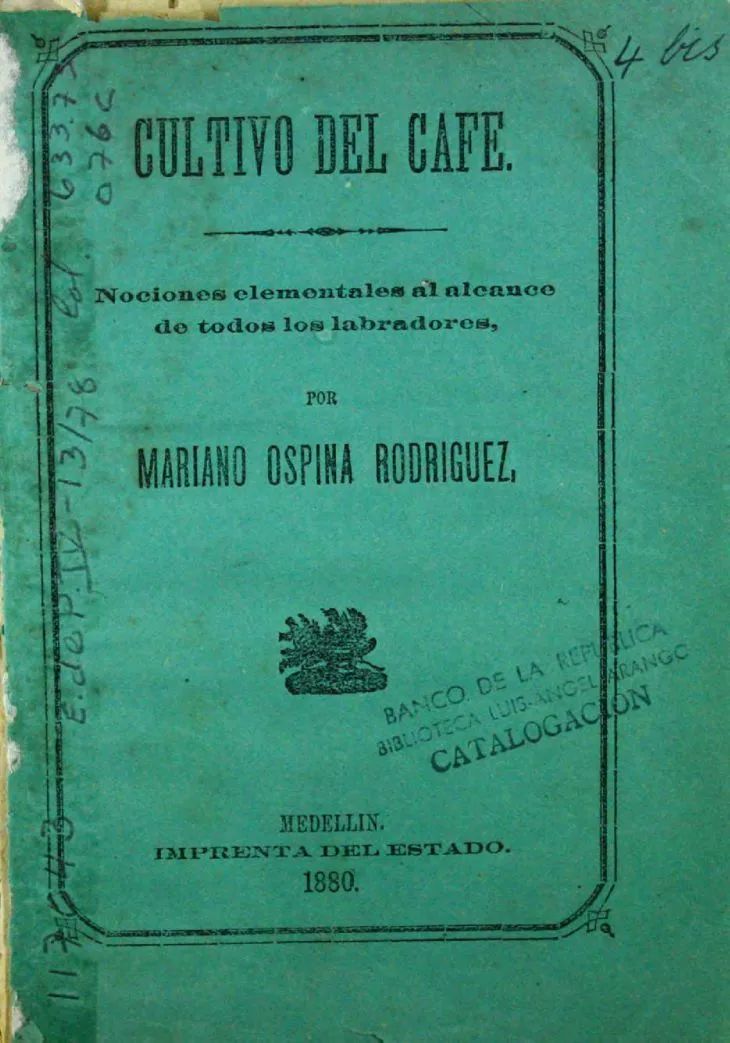
As the world's third-largest coffee producer, Colombia is known for its export share of 40% specialty-grade washed Arabica beans. Its coffee culture began with the experimental cultivation of Don Mariano Ospina Rodríguez in the 19th century. The plantation this pioneer established in 1835 in Fredonia, Antioquia, laid the foundation of the country's coffee industry.
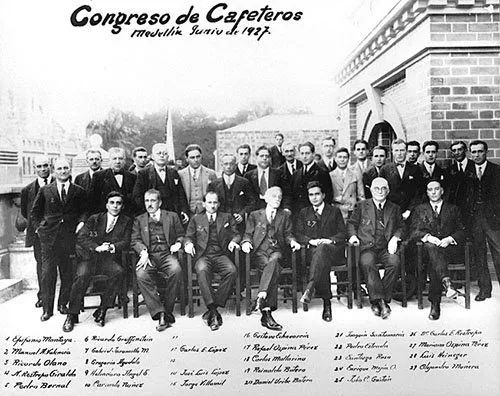
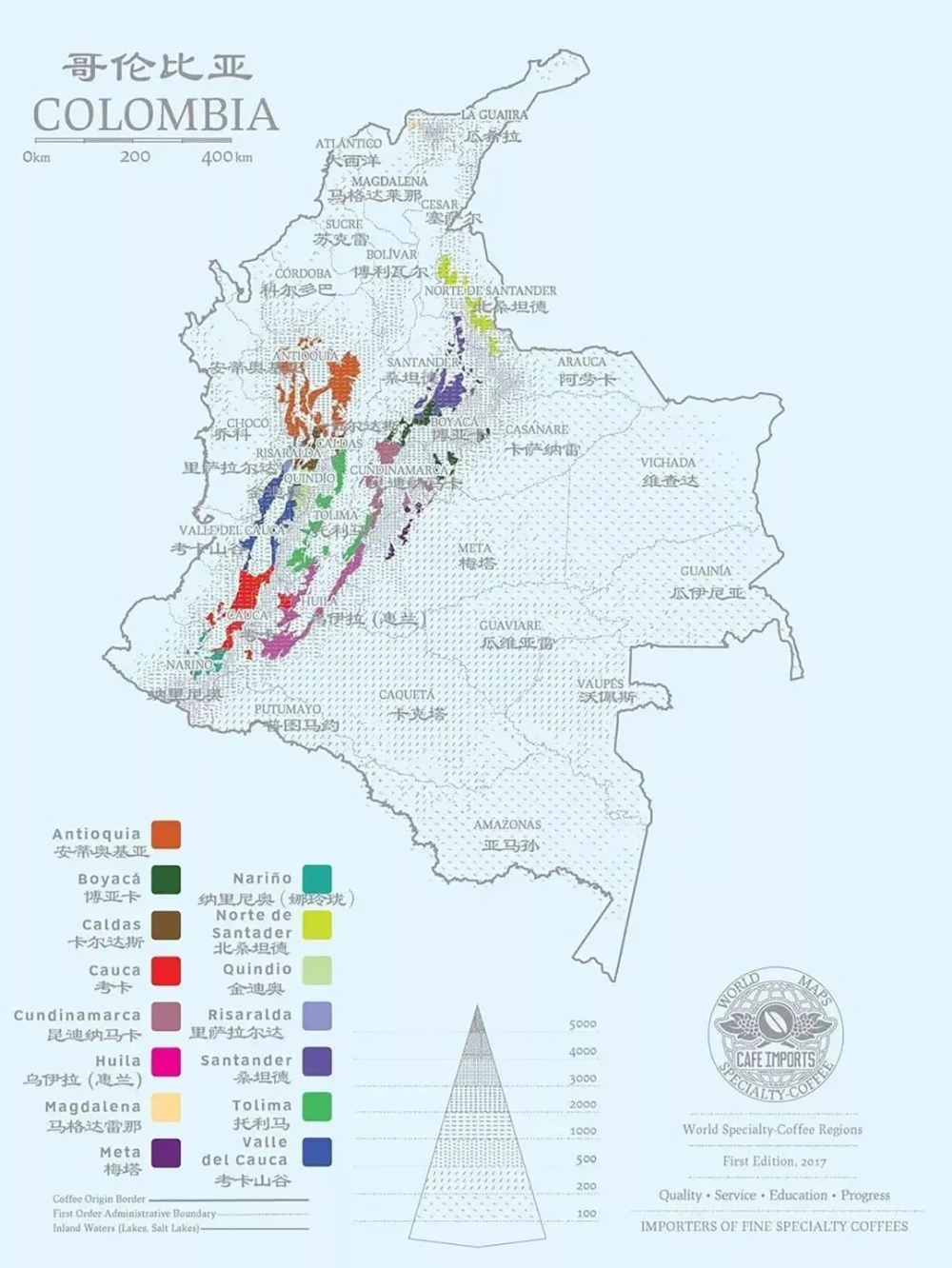
After a century of development, Colombia has formed a unique industrial landscape: the publication of the first coffee cultivation technical textbook in 1880 promoted the spread of technology, and the National Federation of Coffee Growers, founded in 1927, integrated the resources of 560,000 producing families across the country. The country's coffee belt runs along the Andes, and the microclimates in the 1,000–2,500-meter altitude range create a year-round harvest period. Among them, southern regions such as Huila and Cauca, supported by 30%–40% of the rural coffee-working population, sustain a small-farm model with meticulous management.
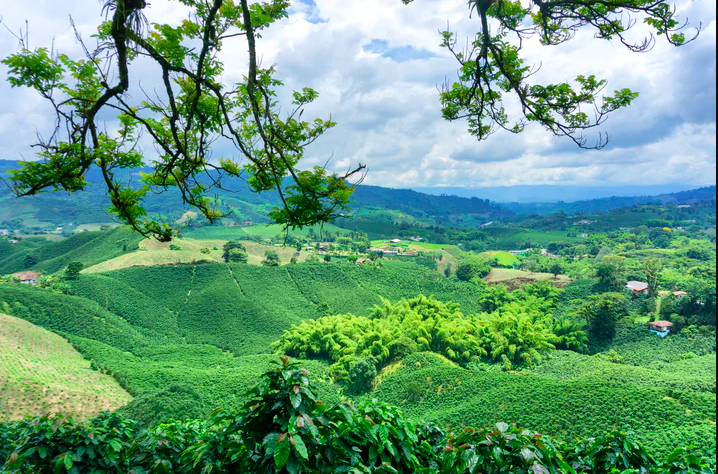
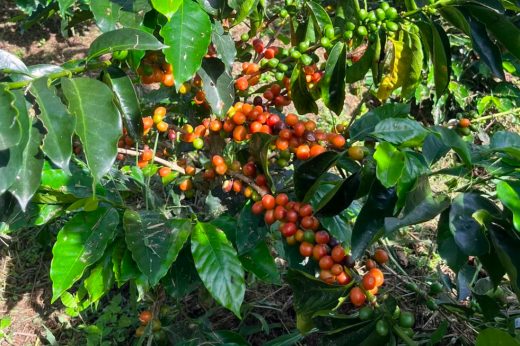
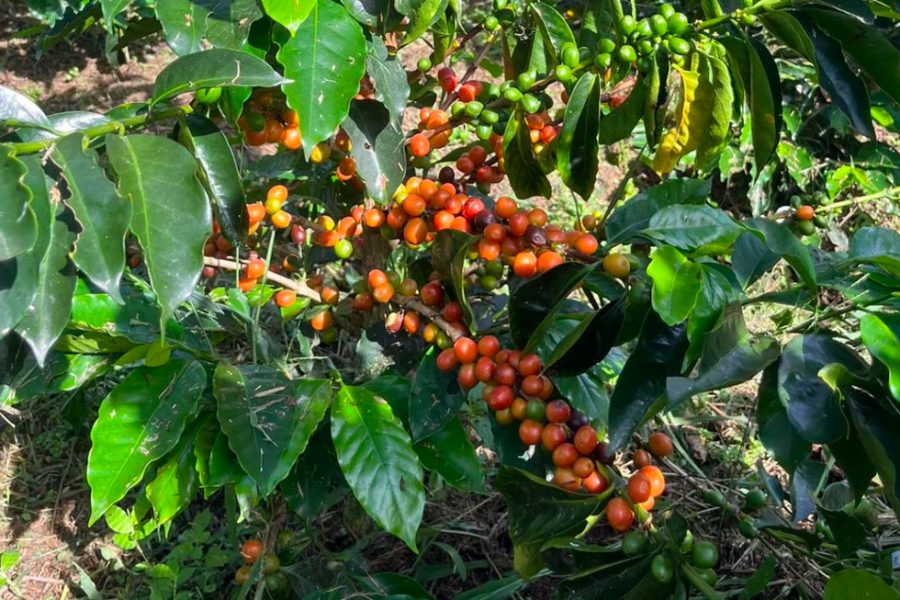
Among the many high-quality varieties, Sidra has attracted much attention in recent years. This laboratory hybrid variety originating from Pichincha Province, Ecuador, has been shown by genetic testing to be related to Ethiopian landraces and may be a cross between an early research variety and local Bourbon. Its plant characteristics are notable: the tree can reach 4 meters in height, requires a moderately shaded environment, has strong pest resistance but is susceptible to leaf rust, and produces plump round fruit with relatively high yield.
The case of the World Barista Championship winners in 2019 and 2022 choosing Sidra beans made it a focus of the specialty coffee world. Of particular note is that this variety, produced at Finca El Diviso at 1,650–1,800 meters in Colombia's Huila region, has its bright acidity enhanced through a double anaerobic washed processing method.
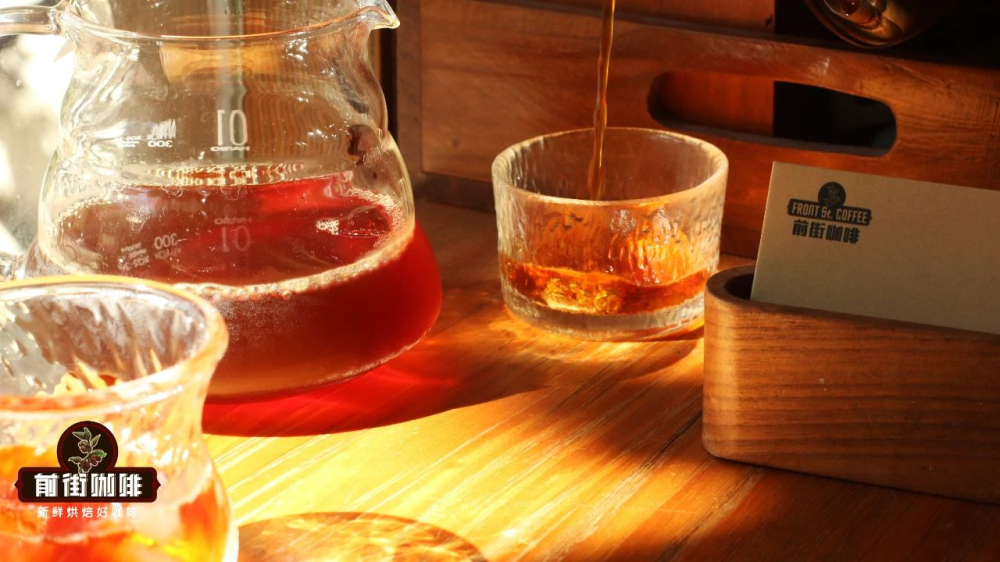
This family estate, established in 1996, is now managed by third-generation operator Nestor Lasso, with 12 varieties including Caturra and Geisha cultivated on the 14-hectare plantation. The estate uses shade-tree cultivation, combined with an average annual temperature of 18°C and abundant rainfall, creating unique flavor characteristics—cupping often presents complex fruit aromas such as apricot and citrus, accompanied by honey sweetness and a rounded mouthfeel.
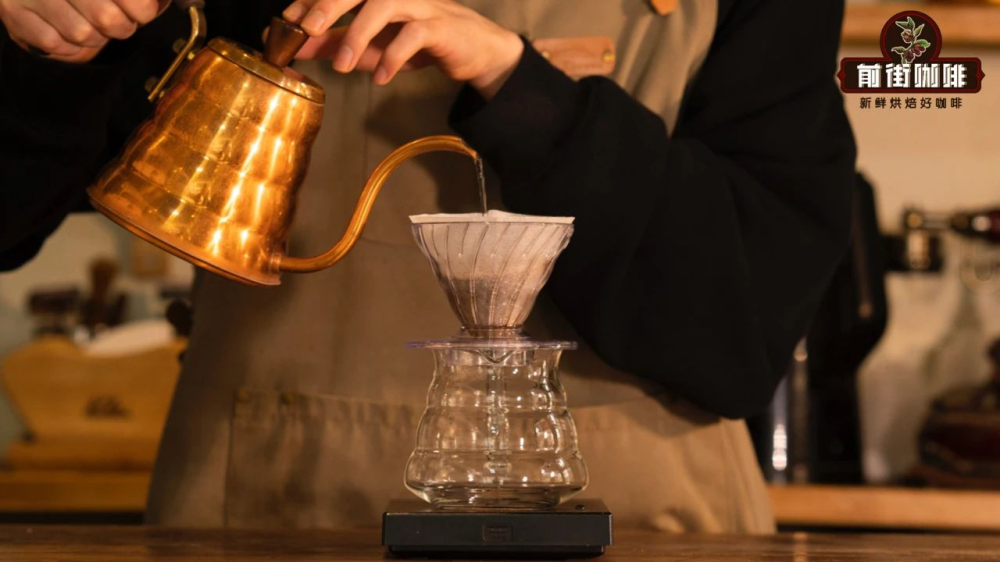
Pour-over recommendations for the Sidra variety: use 15 grams of coffee with a 1:15 coffee-to-water ratio, at 91°C water temperature with a medium-fine grind (80% passing a No. 20 sieve). The specific operation is divided into three-stage pouring: the first stage is 30 milliliters for a 30-second bloom, then a small stream pours 120 milliliters until the water level drops halfway, and finally 90 milliliters is added to complete the extraction, with the total duration controlled at about 2 minutes. This parameter setting effectively balances its rich floral and fruity character with a full body.
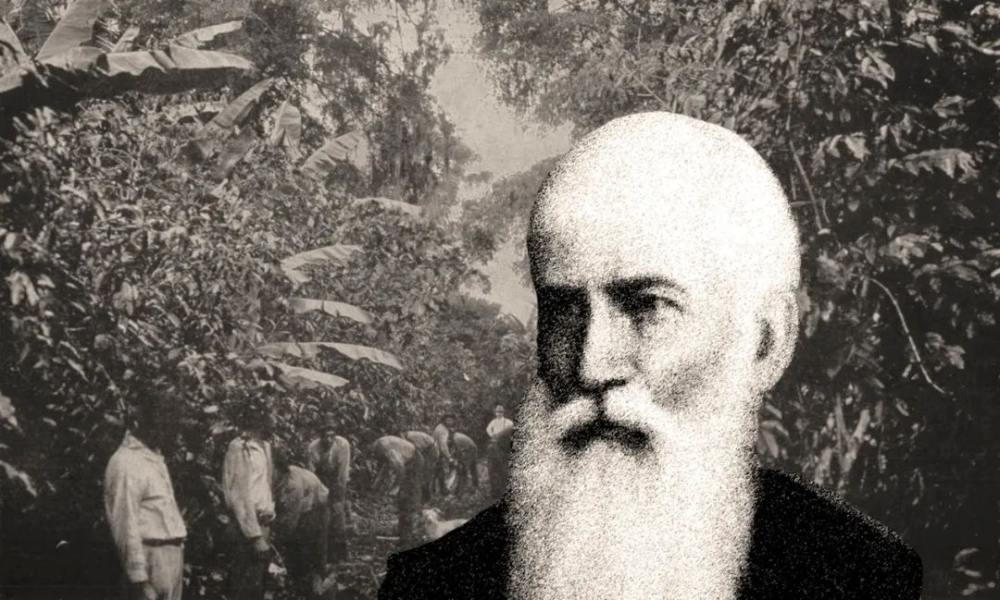
From a historical perspective, the rise of Colombia's coffee industry is inseparable from the promulgation of the Coffee Act of 1879. Through policy support and infrastructure investment, this regulation gradually established a cultivation network covering the entire country. Today, more than 70% of the country's coffee regions operate under a smallholder model, with an average farm size of only about two hectares. This refined operation method, together with the exceptional geographical conditions, jointly shapes its quality advantages.
The practical case of Finca El Diviso shows that high-altitude cultivation (2,100 meters) combined with scientific processing methods can fully unlock the potential of rare varieties. For coffee lovers, understanding the variety origins and regional characteristics of such specialty beans not only enhances the tasting experience but also provides a deeper understanding of the value creation process at each link of the coffee industry chain.