Colombian Decaf Explained: How CO2 Processing Preserves Flavor
Introduction: Want to understand how decaf coffee removes caffeine without losing flavor? This article takes an in-depth look at the three decaffeination methods commonly used for Colombian coffee, focusing on the unique advantages of CO2 high-pressure extraction. From the traditional solvent method to the eco-friendly Swiss Water Process, and on to the high-tech supercritical carbon dioxide process, this guide covers the principles, pros and cons, and flavor impact of each method to help you choose truly high-quality decaf beans.
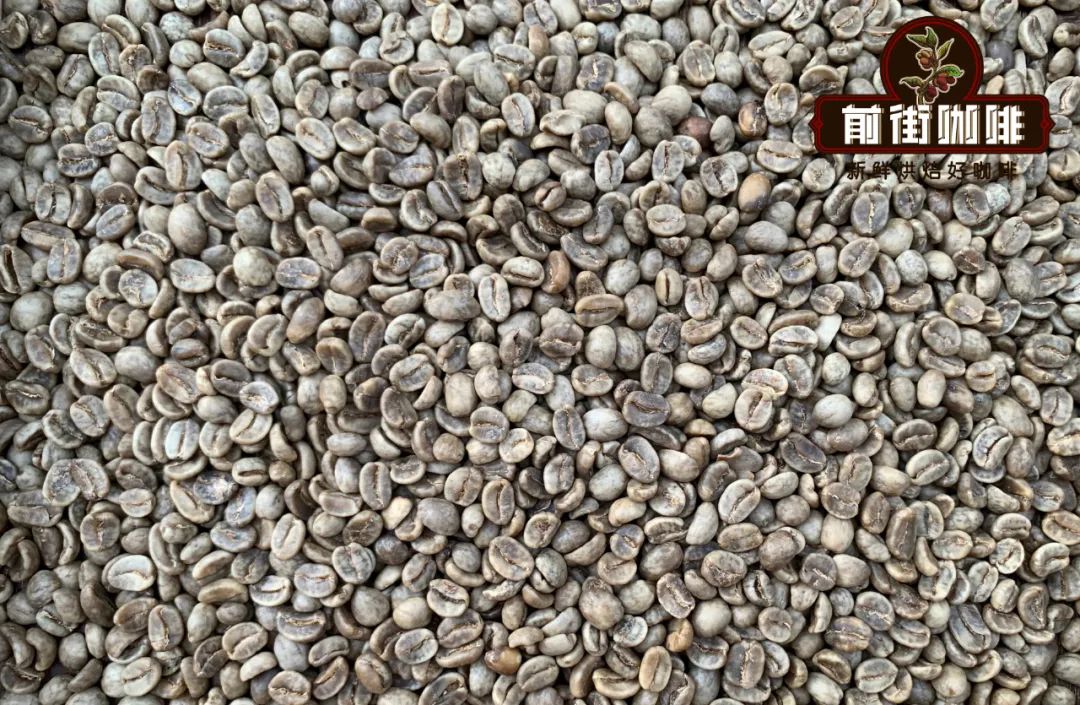
Decaf coffee is not simply stripped of caffeine; it reduces the stimulant while preserving flavor as much as possible. Colombia, a globally renowned producer of high-quality Arabica, commonly uses three mainstream decaffeination methods for its decaf: solvent extraction, the Swiss Water Process, and high-pressure carbon dioxide extraction. Among these, CO2 supercritical technology is highly regarded for its ability to target caffeine precisely.
Traditional solvent extraction comes in direct and indirect forms. The direct method first softens and expands the green beans with steam to increase their surface area, then introduces dichloromethane solvent. The solvent selectively binds caffeine molecules, typically acting at 80-100°C for 1-2 hours, after which residual solvent is removed by high-temperature volatilization. This method causes relatively little damage to heat-sensitive aromatic compounds, but poor temperature control can easily affect the expression of acidity.
The indirect extraction method first soaks the green beans in boiling water (about 95°C) for 4-6 hours, drawing both caffeine and flavor compounds into the water. The caffeine-containing extract is then separated and treated with dichloromethane or ethyl acetate for decaffeination—these organic solvents bind with the caffeine in the water to form complexes, and heating to around 40°C separates out pure caffeine. Finally, the decaffeinated flavor water is re-absorbed into the beans, but repeated exchange of water-soluble substances may weaken floral and fruity notes.
The Swiss Water Process avoids chemical reagents entirely, achieving decaffeination through physical filtration. Green beans are soaked in 100°C hot water for 8-12 hours, allowing caffeine and soluble compounds such as chlorogenic acid to diffuse into the water. The key step is a food-grade activated carbon filter: this porous material specifically adsorbs caffeine molecules (molecular weight 194.19) while retaining small-molecule flavor compounds such as sugars and amino acids. The treated flavor water is then recirculated to soak the beans, completing flavor compensation. However, this process may cause some loss of body, and the sweet-acid balance may need to be compensated for in later roasting.
The most advanced method is supercritical carbon dioxide extraction. The green beans are first given a conventional roast to release aromatic compounds, which are collected separately; the beans are then placed in a high-pressure environment of 250-300 bar and a critical environment of 31-40°C, and moist CO₂ fluid is injected. At this point the carbon dioxide is in a special state that is neither gas nor liquid; its diffusion coefficient is 100 times higher than that of liquid, allowing it to penetrate the gaps in cell walls and precisely capture caffeine (selectivity coefficient up to 50:1). The whole process takes about 6-8 hours, and finally the pressure is reduced so the CO₂ returns to a gaseous state for recovery and reuse, with a decaffeination rate of over 97%. The greatest advantage of this technology is zero chemical residue and perfect preservation of the beans' original color and aroma, and the density uniformity of the treated beans is better than with other methods.
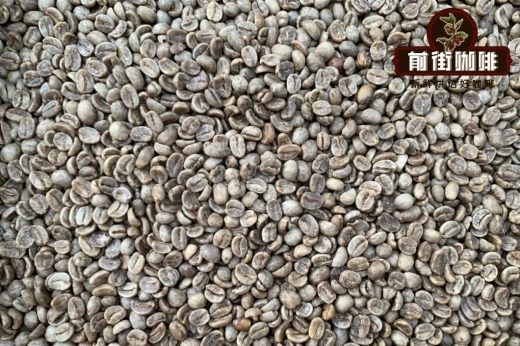
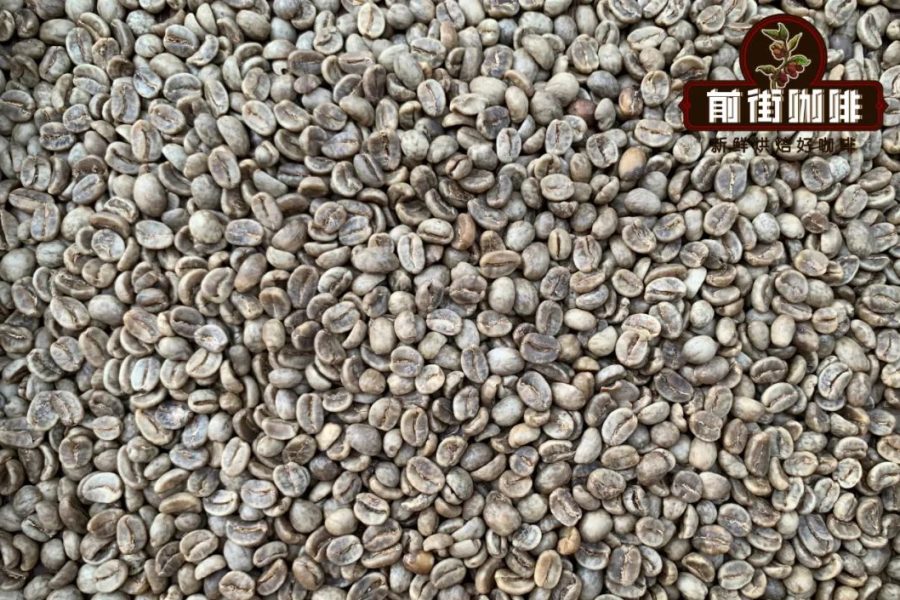
When buying Colombian decaf, check the processing method on the label first. Beans processed with CO2 usually look more intact; when brewing, use water at 90-93°C with a medium-fine grind to better express the preserved citrus notes and nutty finish. Whichever process is used, high-quality decaf should contain less than 0.1% caffeine while maintaining an extraction yield of 18-22% to present a complete flavor layering.