Colombia's Three Specialty Coffee Estates: Flavor, Craft, and Processing Methods Explained
Introduction: An in-depth look at three renowned Colombian coffee estates—from a pioneer of innovative fermentation technology, to a model of tradition combined with modernity, to a nursery for rare varieties. Learn how they create layered specialty coffee beans through unique terroir, meticulous processing methods, and scientific cultivation, and master the key knowledge for choosing high-quality Colombian coffee.
In Colombia's coffee landscape, three estates stand out for their distinctive characteristics. La Palma y El Túcan is known for breakthrough fermentation techniques, Finca Santuario has earned recognition in multiple competitions through precise cultivation and processing, and Immaculate Coffee Farm focuses on the cultivation and development of rare varieties. These three estates not only demonstrate the diverse potential of Colombian coffee but also offer coffee lovers directions for flavor exploration.
La Palma y El Túcan:  Founded in 2011 by three young Colombians, this estate is located in Cundinamarca Department near the capital, Bogotá. The growing area averages 1,600–1,800 meters in elevation, lies in the volcanic soil belt of the eastern Andes, and has an average annual temperature of 21°C, 75% humidity, and 1,600 hours of sunshine per year—excellent natural conditions. To address local smallholders' lack of technical expertise and limited sales channels, the founding team partnered with 200 neighboring farming households and developed multiple fermentation protocols through laboratory research to unlock the coffee beans' unique potential.
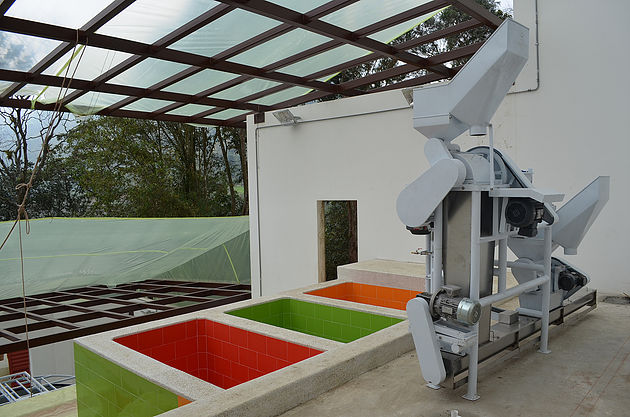
The estate divided 18 hectares of abandoned farmland into 14 micro-lots and uses custom wet-milling equipment to process small batches of coffee. Its fermentation techniques center on microbial control. Lactic fermentation (anaerobic environment) uses lactic acid bacteria to convert sugars into lactic acid, imparting sweetness, chocolate notes, and a silky mouthfeel, with strict control of temperature and pH; acetic fermentation (aerobic environment) uses yeast to produce alcohol that is then converted into acetic acid, highlighting citrus acidity and stone-fruit aromas; mixed fermentation combines the strengths of both, creating complex flavors interweaving red-berry fruitiness and vinous notes with a long finish.
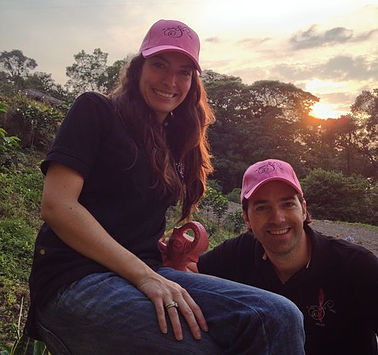 The estate also runs the "Estate&Varietal" program, growing rare varieties such as Geisha and SL-28. Consumers can trace the specific origin and processing details through the farmer information on the packaging.
Finca Santuario: 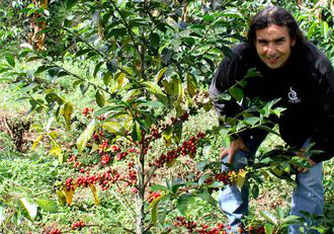 Owner Camilo Merizalde was born into a coffee family. After studying food management in the United States in his early years, he returned home to start his business. He divided the family's 135-hectare farm in Cauca Valley (62 hectares of which are planted with coffee) into 266 plots of 0.25 hectares each, named after plants (such as the false bird-of-paradise plot and the pomegranate plot) for easy observation. The growing area sits at 1,890–2,010 meters in elevation; the volcanic slope terrain brings significant day-night temperature differences, and wide-row planting with shade trees (legumes fix nitrogen and provide wind protection and moisture retention) effectively controls disease and improves quality.
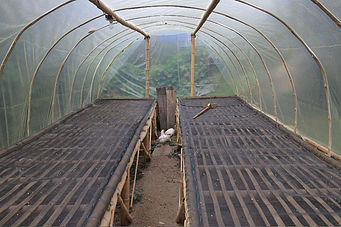
Camilo insists on growing native varieties (such as Typica and Bourbon) and rare varieties (such as Geisha and Sapphire), cultivates experimental varieties in greenhouses, and has discovered 4 natural hybrids. At harvest, a second washing removes the pulp, followed by 35–40 hours of water-free fermentation to enhance the sweet-acid balance, and finally 14 days of sun-drying on UV-protected raised beds.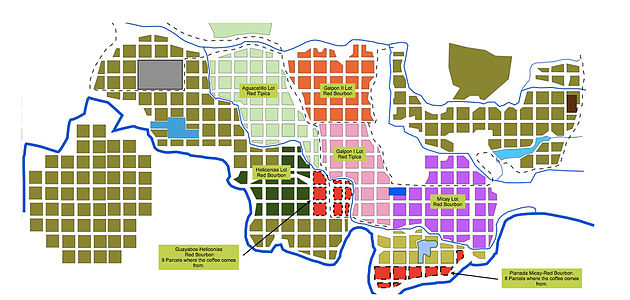 His signature coffees include Sofia (Red Bourbon), named after his daughter, and Heliconias (Red Bourbon), the "love potion." These beans have been used in international competitions such as the WBC and show excellent flavor performance.
Immaculate Coffee Farm: 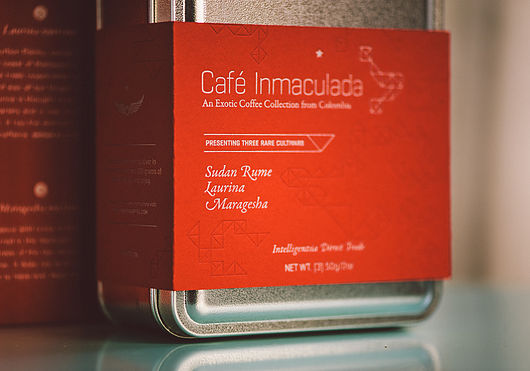 This series originates from a 2011 collaboration between Camilo and a childhood friend, focusing on limited rare varieties. Its three sub-estates (Cloud Mist Estate, Holy Farm, and Montserrat Estate) are located in the Pichindé area of Cauca Valley, with fertile soil and abundant rainfall. The total planted area is 50 hectares (30 hectares of coffee), covering distinctive varieties such as Sudan Rume, Laurina, and Maragogipe Geisha.
Each estate optimizes the growing environment through shade trees (such as the nitrogen-fixing gray-leaf tree and guava for shade) and precise elevation control (1,670–2,000 meters).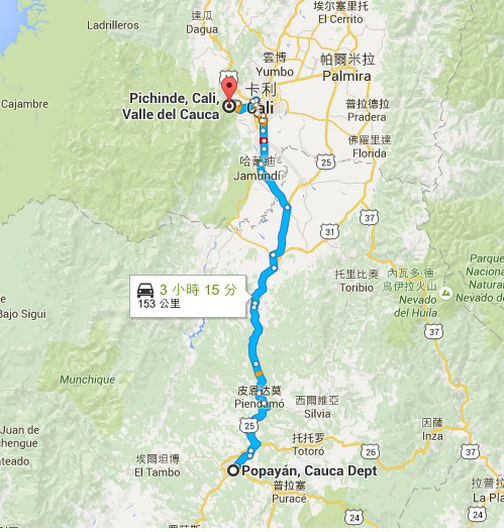 Among them, Holy Farm's Sudan Rume was used in competition by WBC champion Sasa Sestic, processed with 50% sun-drying + 50% carbon dioxide maceration—coffee cherries are placed in sealed stainless-steel tanks where carbon dioxide creates an oxygen-free environment, sugars convert into alcohol and carbon dioxide, ultimately producing complex, layered flavor characteristics.
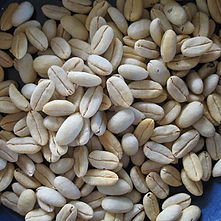 Among the rare varieties, Sudan Rume has strong disease resistance but low yield; Laurina originates from Réunion Island and contains only half the caffeine of regular Arabica, with prominent sweetness; and Maragogipe Geisha is a natural hybrid of Geisha and Maragogipe, combining the characteristics of both.