Colombia's Seven Coffee Regions: Grading and Brew Parameters
Introduction: An in-depth analysis of Colombia's seven core coffee regions from north to south, comparing the terroir differences between the MAM commercial region and the southern specialty region. Detailed explanation of the official size grading (Supremo/Excelso) and defect-count grading (AA/A) standards, with professional roaster's practical parameters for medium-dark roasting of high-altitude hard beans, helping you precisely select your preferred beans and optimize your extraction plan.
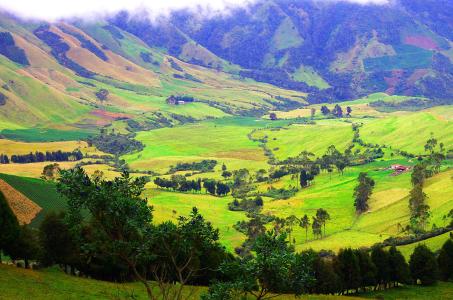
On the map of coffee origins, Colombia stands out as one of the few golden regions worldwide that balances both yield and quality thanks to its exceptional geography and climate—coffee-growing belts stretch across the entire country from the southern Andes to the northern plains, with the high-altitude southern areas in particular producing many distinctive specialty coffees.
Historically, Colombia once took the global coffee market by storm with the Typica variety, but in recent years, under the pressure of commercialization, most regions have shifted to easy-to-mass-produce commercial varieties, with only a few southern highlands still upholding the specialty coffee tradition.
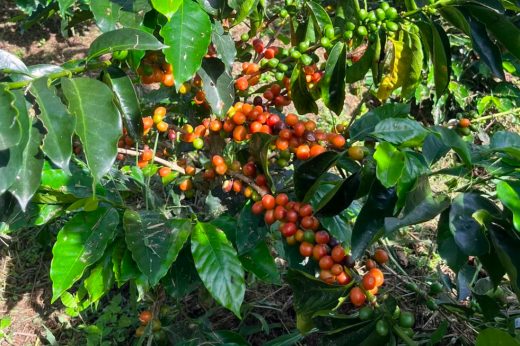
Colombia's main producing regions can currently be divided into two types: the north-central area concentrates the three traditional regions of Medellín, Armenia and Manizales, known in the industry as the MAM triangle, whose coffee is mostly of commercial circulation grade, suitable for everyday instant coffee or basic espresso blends; while the specialty beans that truly represent Colombia's terroir essence come from the four core southern regions above 1,500 meters—San Augustin, Popayan, Tolima and Nariño—where large day-night temperature swings and fertile volcanic soil give the coffee more complex fruit aromas and bright acidity.
Knowing the regions is only the first step; when buying you also need to understand Colombia's unique green bean grading system. Its official grading is mainly based on green bean size:
• Maragogype: a special large-bean variety, noticeably larger than regular beans;
• Supremo: top specification with screen size above 17 (1 screen = 1/64 inch), Colombia's highest grade;
• Excelso Extra: bean diameter below screen 16, with no more than 5% below screen 14;
• Excelso EP: bean diameter below screen 15, likewise limited to no more than 5% below screen 14;
• UGQ (Usual Good Quality): mainly below screen 14, with no more than 1.5% below screen 12.
Beyond size, modern specialty coffee places more emphasis on how the proportion of defective beans affects flavor, graded as follows:
• Grade AA: no serious defects (such as black beans or moldy beans) per 500 grams of green beans, and no more than 5 secondary defects;
• Grade A: allows 3 serious defects and 8 secondary defects;
• (The original text is missing the complete parameters for Grade B; the original structure is retained here but with a logical transition added.) Subsequent grades usually tolerate more defective beans; when buying, it is recommended to prioritize AA or A grade to ensure flavor purity.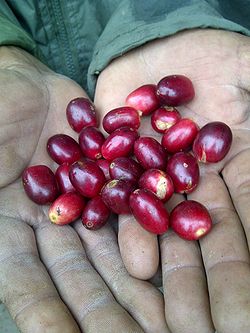
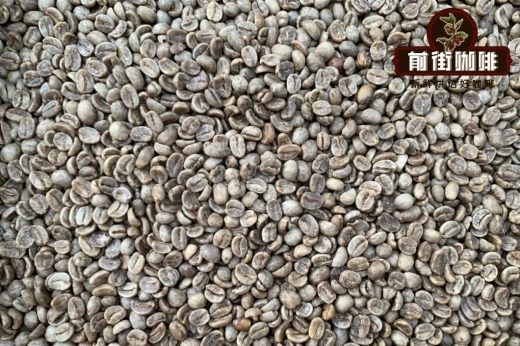
For roasting practice with high-altitude hard beans, take a typical southern-region bean as an example: such green beans usually have a round, plump shape, a greenish-yellow color, good uniformity and relatively high moisture content (about 11%-12%). Professional roasters often adopt a medium-dark roasting strategy, aiming to preserve a balanced, full-bodied base while drawing out layered chocolate and nut aromas.
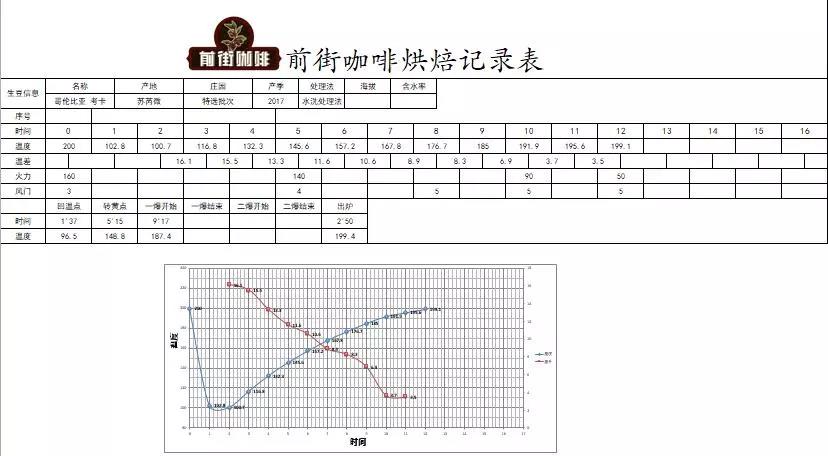
In practice, it is recommended to set the initial charge temperature at 200°C (fine-tuned according to equipment power), with the first phase focusing on the drying stage—because high-altitude beans are dense, the drying time needs to be extended to 5-6 minutes while gradually lowering the heat (from medium-high to medium) to avoid localized overheating that leaves scorch marks on the bean surface. Once the bean surface turns from green to yellow and moisture is clearly released, you enter the **critical pre-first-crack period**; at this point reduce the heat further and stabilize the rate of rise until first crack erupts, then continue roasting for about 2 minutes 50 seconds before dropping, balancing fruit acidity and body by extending the caramelization reaction and ultimately strengthening the nut and caramel finish.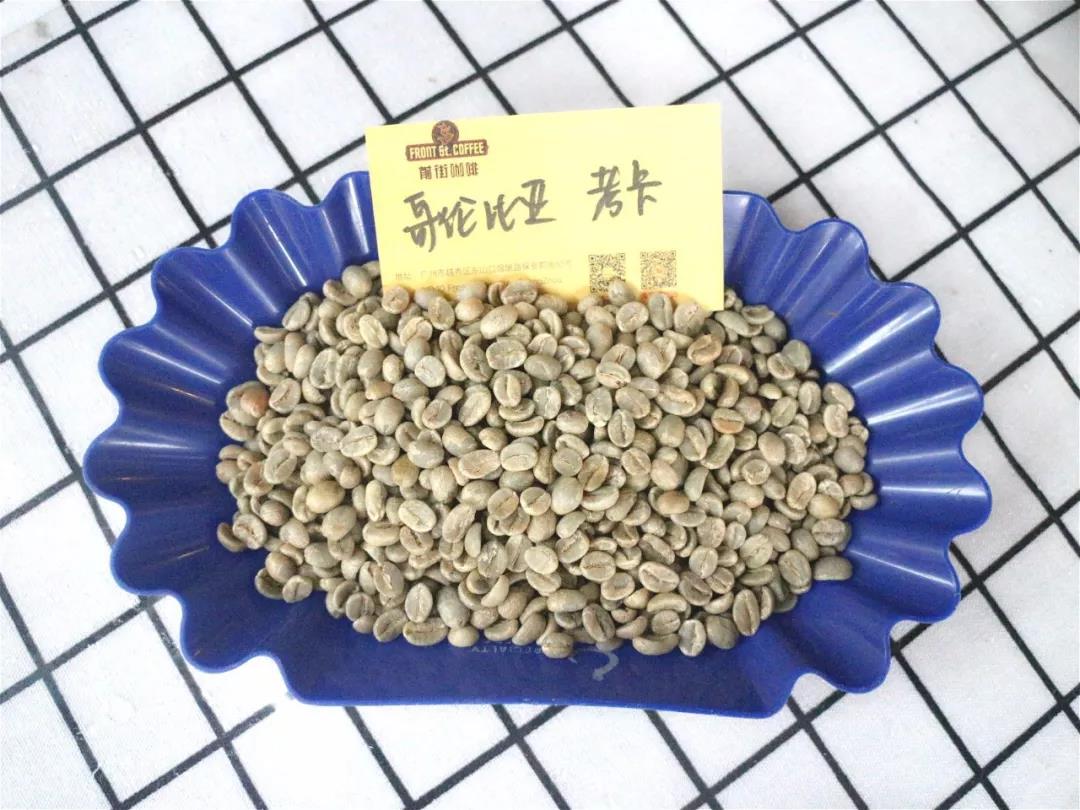
It is worth noting that such hard beans are particularly sensitive to roasting rhythm: insufficient early drying can easily cause uneven internal heat absorption and underdeveloped centers; dropping too early after first crack may lose the sweetness and body the beans should have. Therefore, it is recommended to use a sample roaster for small-batch tests, recording the temperature curve and flavor performance of each batch, and gradually optimizing the roasting parameters best suited to your target brewing method.