Colombian Decaf Coffee Beans: Flavor, Decaffeination and Brewing Guide
Introduction: Looking for a healthier new choice in decaf coffee? This article takes an in-depth look at the flavor characteristics of Colombian decaf coffee beans, the principles behind three mainstream decaffeination processes, and provides professional roasting and pour-over parameters. From the EU 0.1% caffeine standard to the 99.9% decaffeination rate of the Swiss Water Process, it walks you through the key details of buying and brewing decaf coffee.
With the rise of healthy eating trends in recent years, decaf coffee has become a new choice for coffee lovers. This type of coffee removes most of the caffeine through special processes while preserving the original flavor as much as possible. Take Colombia's Huila region as an example: local Typica, Caturra and other varieties grown at 1,750 meters above sea level can have their caffeine content reduced to below 0.1% after Swiss Water processing, while still retaining the mellow flavors of dark chocolate and nuts.
The origins of decaf coffee can be traced back to the 19th century. Legend has it that the poet Goethe, suffering from insomnia, asked his friend Runge to analyze the components of coffee, and in 1820 the latter discovered that caffeine was the key substance affecting sleep. But true mass production had to wait until 1903, when the German businessman Roselius discovered that soaking beans in seawater could reduce caffeine content, and subsequently developed chemical extraction technology. Modern processes have developed four mainstream methods, among which the Swiss Water Process, with a 99.9% decaffeination rate, has become the industry benchmark.

Judging the quality of decaf coffee requires attention to two core indicators: the EU stipulates that artificially decaffeinated coffee must not contain more than 0.1% caffeine relative to green beans, while the US FDA standard is below 3% of the original content. Natural Arabica beans themselves contain 0.9%-1.4% caffeine (1.2% on average), far lower than Robusta beans at 1.8%-4% (2.2% on average). Professional decaffeination can meet the need to control caffeine intake without losing too much flavor complexity.
Common decaffeination processes each have their own characteristics:
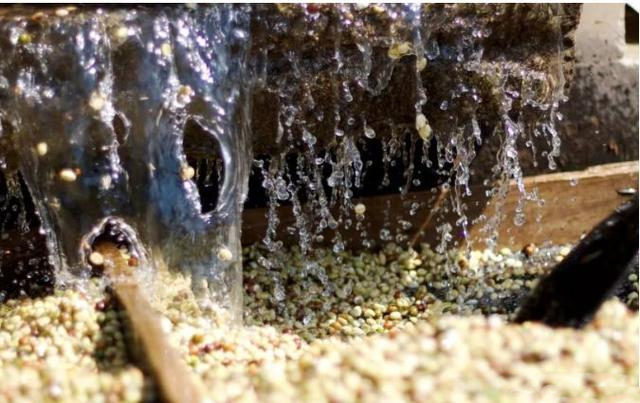
• Swiss Water Process: green beans are soaked in hot water and then filtered through activated carbon; caffeine removal rate of 99.9% but some flavor may be lost; the solution can be recycled
• Indirect Solvent Method: caffeine and flavor compounds are first extracted with hot water, then the caffeine is selectively removed using solvents such as dichloromethane
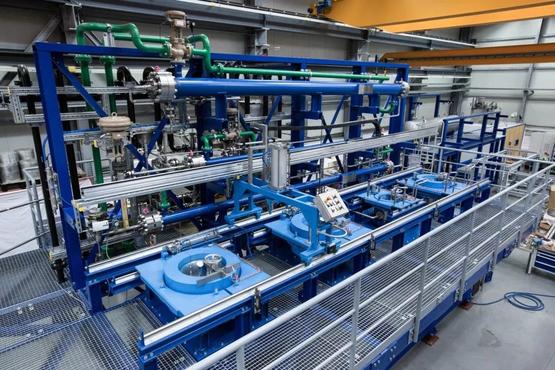
• Supercritical CO₂ Method: high-pressure carbon dioxide precisely extracts caffeine, better preserving the original flavor but with higher equipment costs
• Direct Solvent Method: chemical solvents are injected after steam opens the bean pores; relatively simple to operate but has a greater impact on flavor
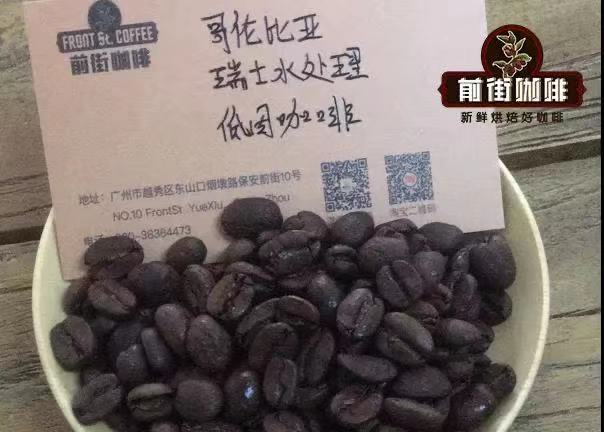
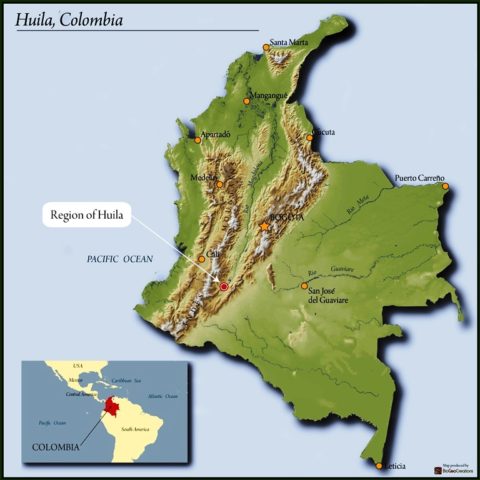
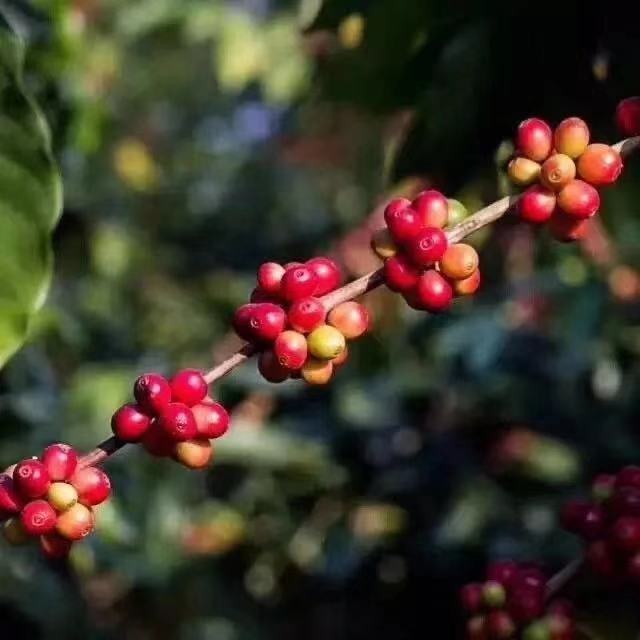
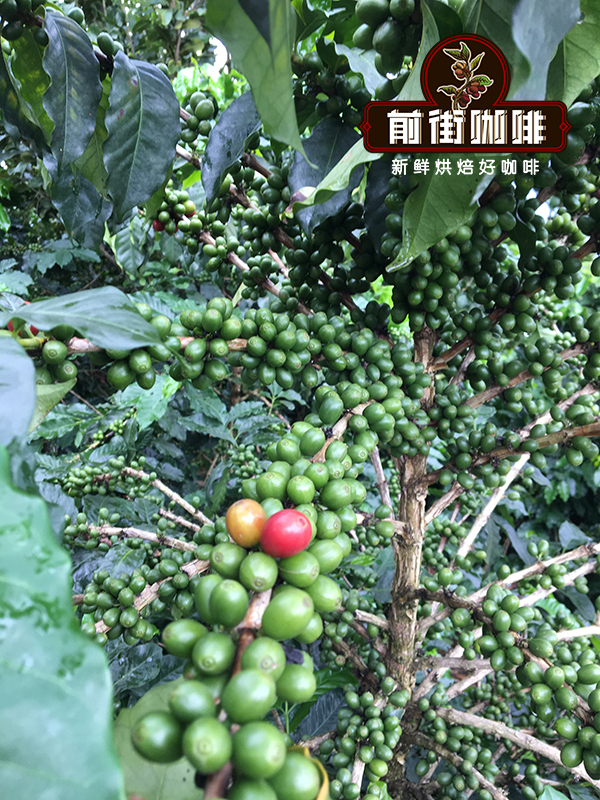
Take Colombia's Huila region as an example: the decaf coffee beans here usually use three high-quality varieties—Typica, Caturra and Castillo. Typica, the oldest Arabica variety, has a unique sweet flavor; Caturra is highly adaptable and has stable yields; Castillo is an improved variety developed through ten generations of crossbreeding. These beans grow at 1,750 meters above sea level, and combined with the Swiss Water Process, they can lock in 18-20% of high-quality flavor compounds while reducing caffeine.
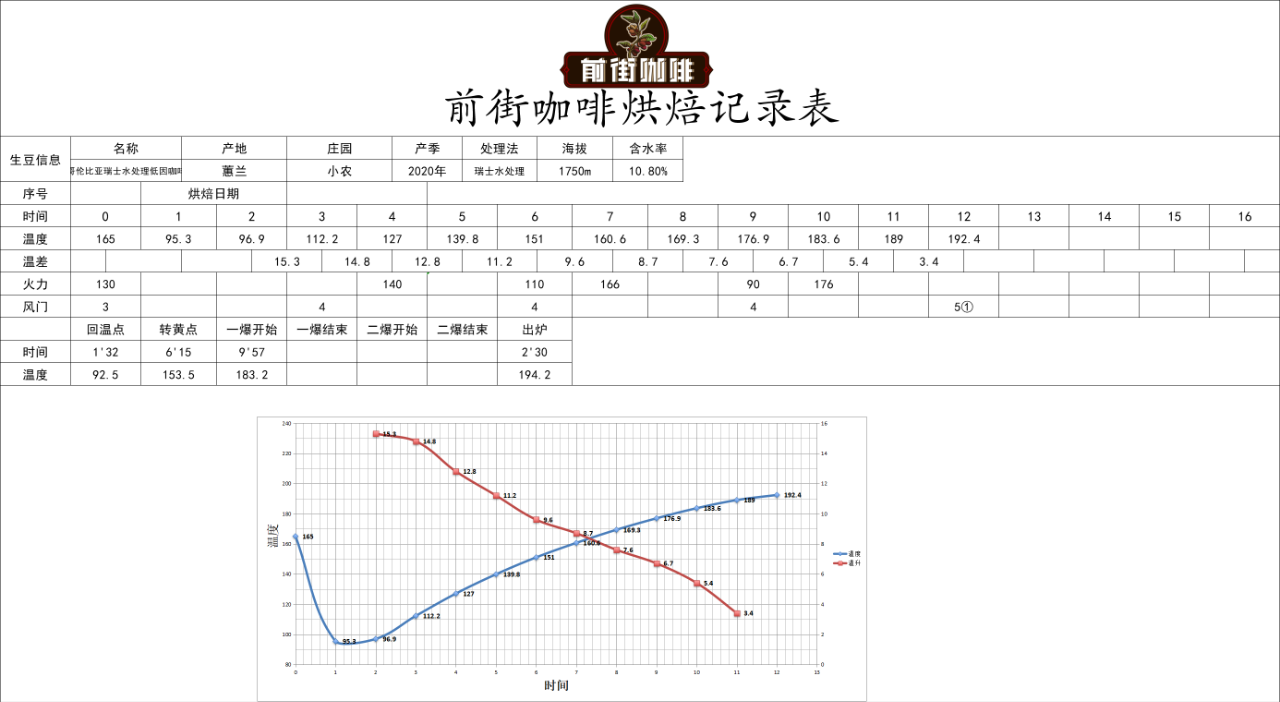
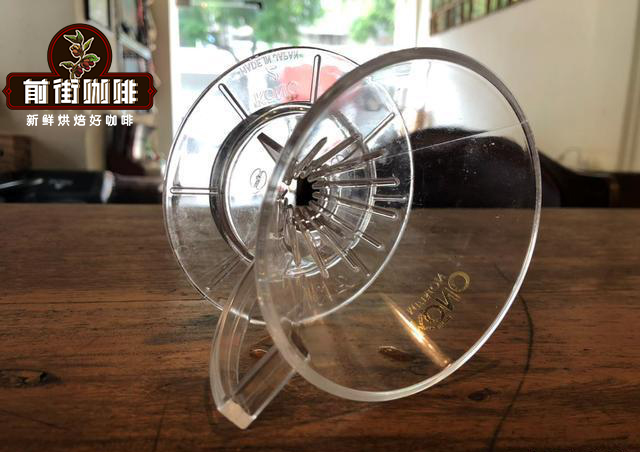
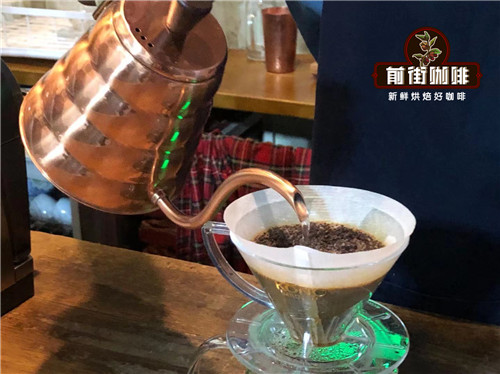
For professional roasting, a medium roast (stages 3-4 of the roast curve) is recommended; at this point the bean surface shows a light brown color with fine oil spots, bringing out a balanced flavor of vanilla and dark chocolate. Brewing parameters for reference: use a Kono dripper, keep the water temperature at 90±2°C, a coffee-to-water ratio of 1:15, and a medium-coarse grind (67% passing through a No. 20 sieve). The three-stage extraction method is: 30 g of water for blooming for 30 seconds → 125 g in stages → 225 g as the endpoint, with a total time of about 3 minutes, finally presenting a mellow caramel and nutty finish.
When buying decaf coffee, note the following: truly high-quality decaf products should use Arabica varieties rather than cheap Robusta, and you should check the description of the decaffeination process. Store in a sealed, light-proof container, and after grinding it is recommended to finish drinking within 2 weeks to keep the flavor fresh. For consumers who need to strictly control their daily caffeine intake, single-origin decaf beans processed by the Swiss Water Process are a good choice, allowing you to enjoy coffee while reducing health concerns.


