Colombia Huila, Caldas and Santander Coffee Beans: Flavor Analysis and Pour-Over Guide
Introduction: An in-depth look at Colombia's three specialty coffee regions—Huila, Caldas and Santander—covering their terroir, the aroma layers, acidity, body and flavor characteristics of representative beans from each region. From a professional roasting perspective, it explains the causes of these flavors and offers reference pour-over extraction parameters to help you precisely match your personal taste preferences.
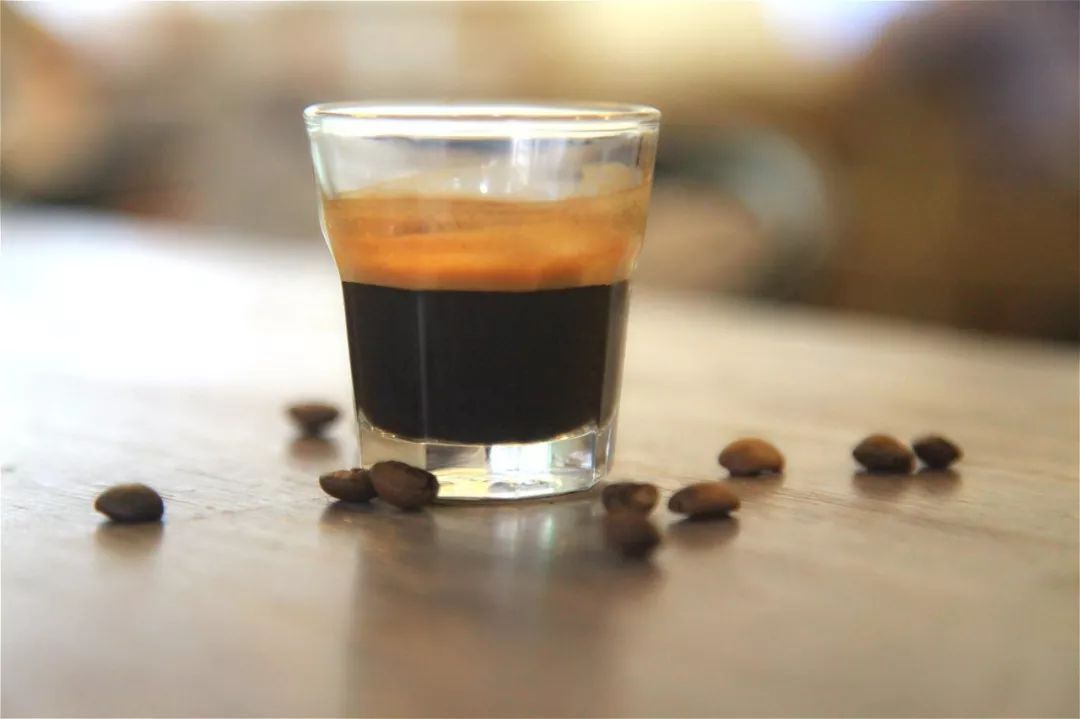
As one of the few top single-origin coffee regions named after a country, Colombia—thanks to the unique geographic meeting of the Andes and warm equatorial currents—nurtures richly layered coffee microclimates. Among them, the three major regions of Huila, Caldas and Santander, with their distinct regional flavor characteristics, have become the entry-level benchmark for coffee lovers exploring South American beans.

Located in southwestern Colombia, the Huila region generally sits at 1,500–2,000 meters, with volcanic soil rich in minerals and a day-night temperature difference of more than 12°C. Beans from this region are mostly sorted as medium-to-large screen sizes of 17 and above, 100% Arabica and strictly graded by cupping. Its core flavor is a bright citrus aroma (like bergamot interwoven with lemon); on the palate it shows a silky body, with bright but not excessive acidity (pH about 5.2–5.4), and a finish of honeyed sweetness and clean fruit. For pour-over, 92–94°C water and a 1:15 coffee-to-water ratio are recommended; staged extraction can enhance the floral and fruity notes.
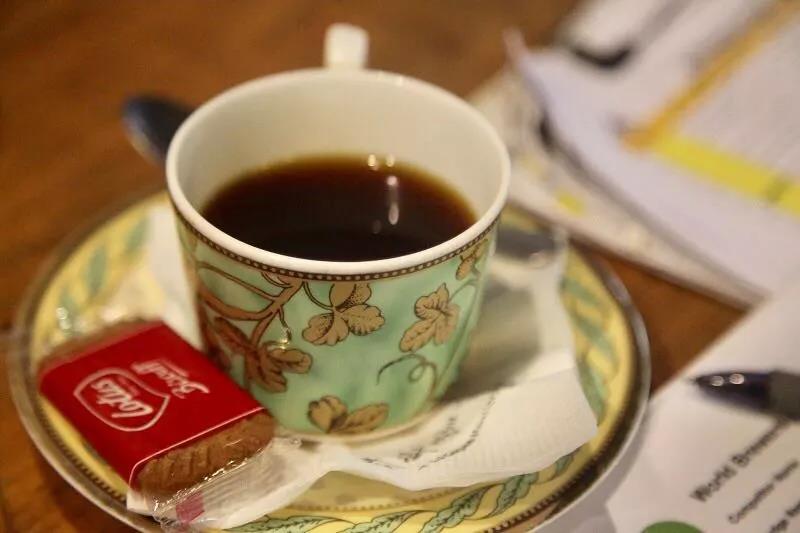
The central core tourist region, the Caldas region, is known for the microclimate on the eastern slopes of the Antioquia mountains; an humid environment with average annual rainfall above 2,000 mm gives the beans a unique mellow aroma. Beans here have higher density, and after roasting release a rich caramelized vanilla aroma (from the natural formation of furfuryl alcohol compounds during roasting), with soft, yogurt-like acidity (acidity value about 4.8–5.0) and a full, velvety mouthfeel. The flavor base is a complex foundation of dark chocolate and roasted nuts, with a trace of sweet vanilla pod emerging in the finish. Medium roast is recommended; extending the bloom to 45 seconds during pour-over can bring out the vanilla flavor.
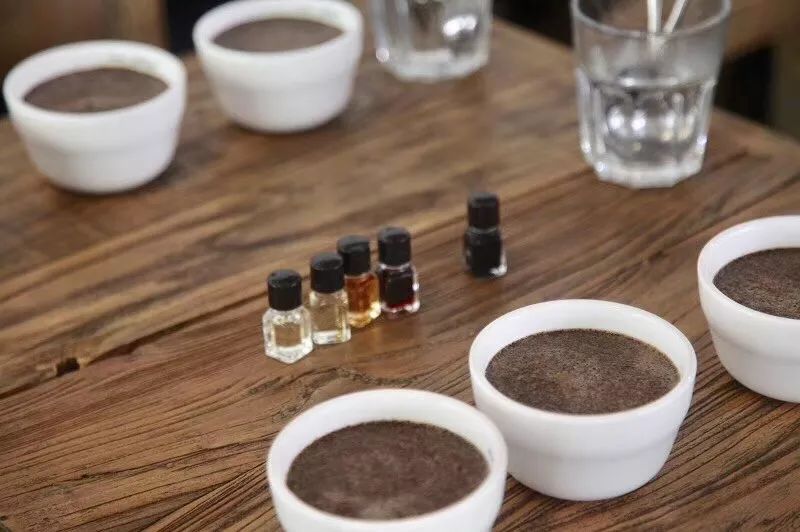
The northern traditional region of Santander, located at the northern edge of Colombia's coffee-growing belt, has high altitude and strong sunlight in sharp contrast, creating its signature fresh herbal character. The beans have a distinct green, fresh lettuce-like raw note (higher pyrazine content), medium-to-lively acidity (a sharpness like green apple), and a slightly thinner body than the previous two but with clear layers. Its unique flavor comes from the region's distinctive early-picking process (usually 20–22 days after the fruit turns red), which preserves more plant-based aromatic substances. Suitable for drinkers who prefer herbal flavors; try French press extraction to balance the sharp acidity.