Decaf Coffee Explained: Definition, Standards, and Three Main Extraction Methods
Introduction: Decaffeinated coffee suits people who are sensitive to caffeine but still want to enjoy coffee's flavor. This article explains in depth the authoritative definition of decaf coffee and the standards in various countries, compares the natural caffeine differences between arabica and robusta beans, and details the principles, advantages and disadvantages, and practical applications of three mainstream extraction processes: the chemical solvent method, the water process, and the supercritical CO₂ method, to help you scientifically choose a decaf coffee product that suits you.
Decaffeinated coffee refers to coffee products that have undergone special processing to greatly reduce the caffeine in green coffee beans while still retaining their original flavor. According to international food standards, qualified decaf coffee must not contain more than 0.3% caffeine in each cup of brewed liquid (that is, no more than 5 mg per 150 ml standard cup). This type of coffee is particularly suitable for pregnant women, people with caffeine intolerance, or consumers who need to stay alert at night but worry about affecting their sleep.
From the perspective of raw materials, the original caffeine content varies significantly among different coffee bean varieties. Arabica coffee beans have a natural caffeine content of about 1.1% to 1.7%, while robusta coffee beans have a higher caffeine proportion, reaching 2% to 4.5%. This means that when making decaf coffee, robusta beans require the removal of more caffeine substances, placing stricter demands on the process. Currently, the world's major decaf coffee producing countries all implement strict residue standards to ensure that the final product is both safe and meets flavor expectations.
The industry currently generally adopts three core technologies to achieve caffeine removal, each with its own scientific principles and applicable scenarios:
The chemical solvent method (traditional solvent extraction) uses food-grade organic solvents (such as dichloromethane or ethyl acetate) to selectively dissolve caffeine molecules. This technology can precisely remove caffeine while maximally retaining sugars, acidity, and aromatic substances. Modern processes have optimized solvent residue control—after high-temperature roasting (usually above 200°C), residual solvents completely evaporate, and tested compliant products have solvent residues far below international safety thresholds. However, some consumers still have cognitive biases about "chemical treatment"; in reality, modern equipment can achieve extremely low residues.
The water process (Swiss Water Process technology) uses the principle of pure water permeation: green beans are first soaked in hot water to release caffeine and flavor substances, and then the caffeine molecules are selectively adsorbed through activated carbon filter columns. Although this method avoids the use of chemical reagents, it causes a large loss of water-soluble flavor components, which easily results in a flat taste and weak layers in the finished product. Improved processes recycle a flavor-saturated aqueous solution, which alleviates the flavor loss to some extent, but overall it is still considered to have low flavor restoration and is mostly used for large-scale commercial decaf coffee production.
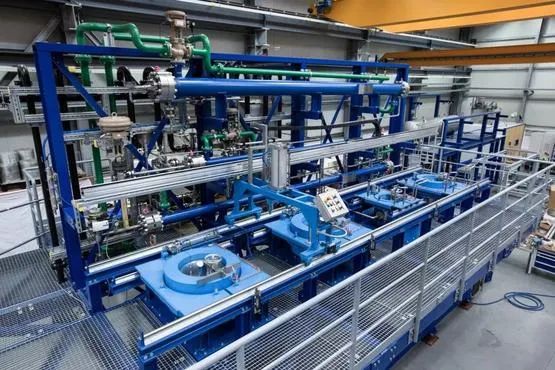
The supercritical carbon dioxide method is currently the most advanced physical extraction technology. It utilizes the supercritical fluid properties formed by carbon dioxide at 31°C and 74 bar—combining gas permeability with liquid dissolving capacity. During processing, pre-steamed green beans contact supercritical CO₂ in a closed reaction chamber; caffeine molecules are precisely captured and carried away with the gas flow, while solid substances such as proteins and fibers are unaffected. This process requires no chemical additives, the CO₂ after processing can be recycled, and the appearance, color, and density of the coffee beans hardly change. However, the investment cost of the entire equipment is high, and currently only a few high-end decaf coffee brands adopt this technology, with relatively limited output.
When purchasing decaf coffee, it is recommended to note three points: first, check whether the caffeine content stated on the product label meets national standards; second, choose the processing method according to personal taste preferences—those pursuing flavor retention can prioritize CO₂ process products, while those focusing on cost-effectiveness can choose the traditional solvent method; finally, pay attention to the roast level, as dark roasting usually further reduces the sensory stimulation of caffeine. Reasonably choosing decaf coffee can satisfy daily coffee drinking habits without worrying about excessive caffeine intake.