What Are SOE Coffee Beans? Pour-Over vs. Espresso Flavor Differences and a Beginner's Guide
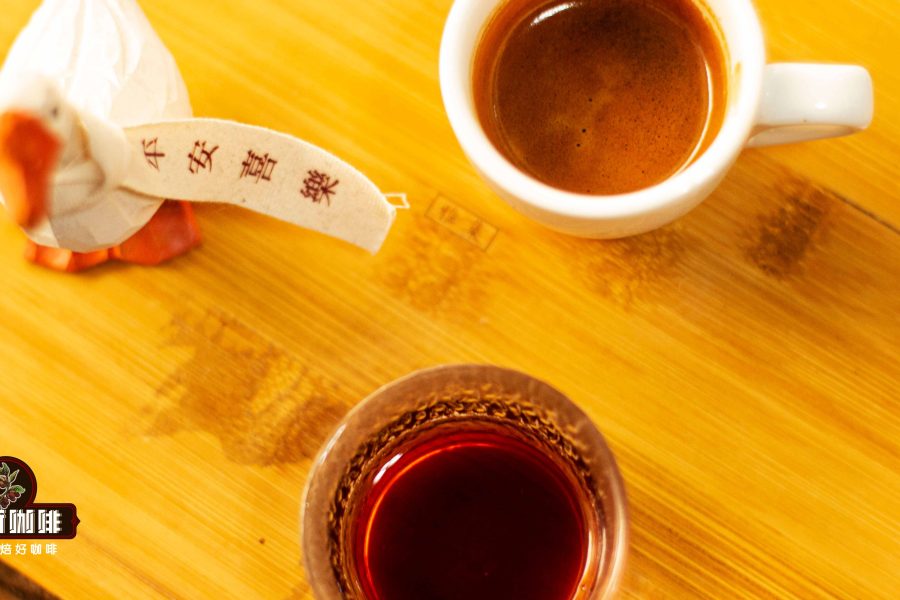
Introduction: As a popular choice in the specialty coffee world, SOE coffee has gradually gained attention for its distinct single-origin flavors. This article takes an in-depth look at the definition of SOE coffee, its core differences from blended coffee, whether it is suitable for pour-over, and the flavor performance at different roast levels. Through practical parameters and extraction advice, it helps coffee enthusiasts fully understand the characteristics of SOE coffee and how to drink it.
As the coffee consumer market continues to heat up, more and more cafés are launching SOE coffee centered on single-origin coffee beans. This coffee type, which originates from espresso, has gradually become a new favorite among specialty coffee enthusiasts thanks to its unique flavor expression.

SOE stands for Single Origin Espresso, literally single-origin espresso. As the name suggests, this type of coffee is made entirely with coffee beans from the same origin. Compared with traditional blended coffee, SOE's biggest characteristic is its pure flavor—it does not mix beans from other origins and focuses on showcasing the terroir of a specific origin.

Conventional blended espresso is usually composed of 2-4 coffee beans from different origins carefully selected by the roaster. These beans may be roasted separately and then blended in proportion, or roasted together and then blended. The main purpose of this approach is to balance the mouthfeel and ensure that the aroma, acidity, sweetness and body of every cup remain stable. For example, common medium-dark roasted blends often carry complex aromas of chocolate, caramel and nuts, and are very friendly to beginners new to espresso.
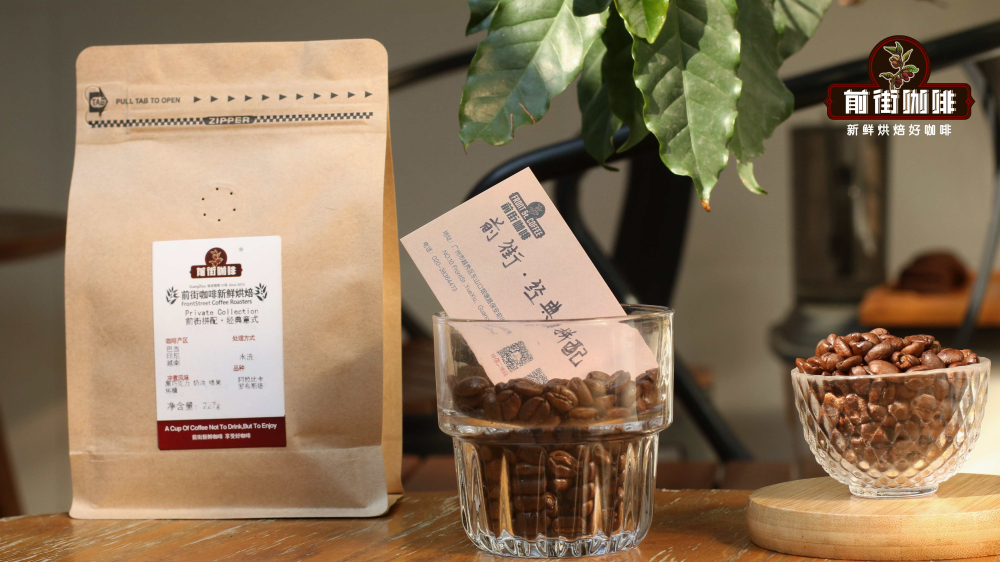
SOE coffee, by contrast, insists on using coffee beans from a single origin, with the core goal of highlighting the unique flavor characteristics of that region. For example, Ethiopian coffee often has bright citrus notes and jasmine aromas, while Kenyan beans may show distinct tomato-like acidity and berry flavors. This single-source nature allows SOE coffee to clearly convey the terroir imprint of its origin.
Looking back at the history of espresso, in the early stages cafés generally used single-origin beans from specific regions to make espresso, but at the time the concept of "single origin" was not particularly emphasized. As global coffee supply increased, quality differences between batches of beans gradually became apparent, and to ensure product stability, merchants began to adopt multi-origin blending schemes. It was not until the rise of specialty coffee culture and consumers' growing attention to coffee traceability and terroir that SOE returned to the mainstream spotlight.

As for whether SOE coffee beans can be used for pour-over, the answer is yes. In fact, before the concept of SOE became widespread, many specialty cafés were already accustomed to making pour-over coffee with single-origin beans. As long as the correct brewing parameters are mastered, SOE coffee beans are fully capable of presenting the flavor layers unique to their origin. For pour-over, it is recommended to adjust the grind size according to the roast level: for light roasts, use a medium-fine grind (similar to fine granulated sugar) with water at 90-93°C; for medium-dark roasts, a slightly coarser grind (close to white granulated sugar) with water slightly lowered to 88-90°C.

The flavor expression of SOE single-origin espresso is closely related to its roasting strategy. For origin beans characterized by floral notes and fruity acidity, roasters usually choose a lighter roast level (such as City roast), which preserves the fruit character to the greatest extent; for example, some naturally processed SOEs present bright strawberry or citrus flavors. Beans dominated by chocolate and nutty flavors may be given a slightly darker roast (such as Full City roast), bringing out warm aromas of caramel and hazelnut.
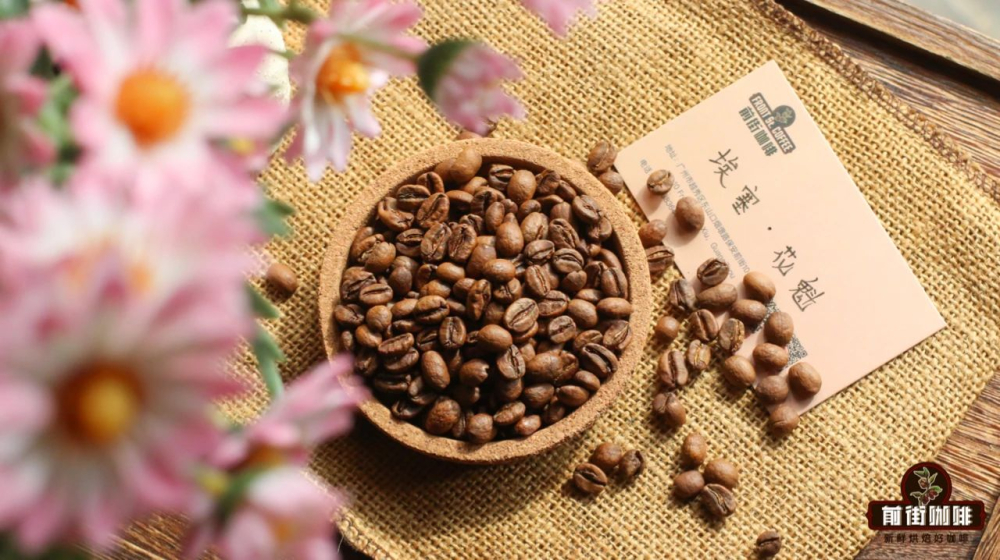
In terms of flavor direction, light-roast SOE often shows fresh qualities such as citrus, berries and florals, with lively acidity and clear layers; medium-roast SOE balances sweetness, acidity and body, and may show transitional flavors such as honey and caramel; dark-roast SOE more prominently features chocolate, brown sugar and woody notes produced by caramelization reactions. It is worth noting that the flavor intensity of SOE is usually higher than that of ordinary blends, which places higher demands on extraction technique.
As for whether "SOE tastes better than blended coffee," the answer is not absolute. SOE emphasizes the original flavor of a single origin, which places extremely high demands on the precision of roasting and extraction—a slight misstep may amplify defective flavors. By contrast, high-quality blended coffee, through the complementary effect of beans from multiple origins, often achieves a more stable balance of mouthfeel. When designing a blend, professional roasters comprehensively consider the pairing of acidity, sweetness, body and aroma, so that the final product retains rich layers without easily developing extreme flavors.
To achieve an ideal SOE coffee experience, pay attention to the following key steps: First, freshness is crucial—coffee beans usually need a resting period of 4-7 days after roasting (dark-roast beans may need 10 days), during which carbon dioxide is gradually released and the flavor gradually stabilizes. It is recommended to finish drinking within 2-3 weeks after roasting, when the peak flavor period has passed but the coffee still performs well. Second, extraction parameters need to be adjusted according to the characteristics of the beans: for espresso, a medium-fine grind is recommended (slightly finer than pour-over), with a dose-to-yield ratio of about 1:2 and an extraction time of 25-30 seconds; for pour-over, water temperature and grind size need to be adjusted flexibly according to the roast level. Finally, pay attention to the flow rate of the coffee liquid and the state of the crema—these are important indicators for judging whether the extraction is balanced.