Decaf Coffee Beans: Processing, Flavor, and Buying Guide
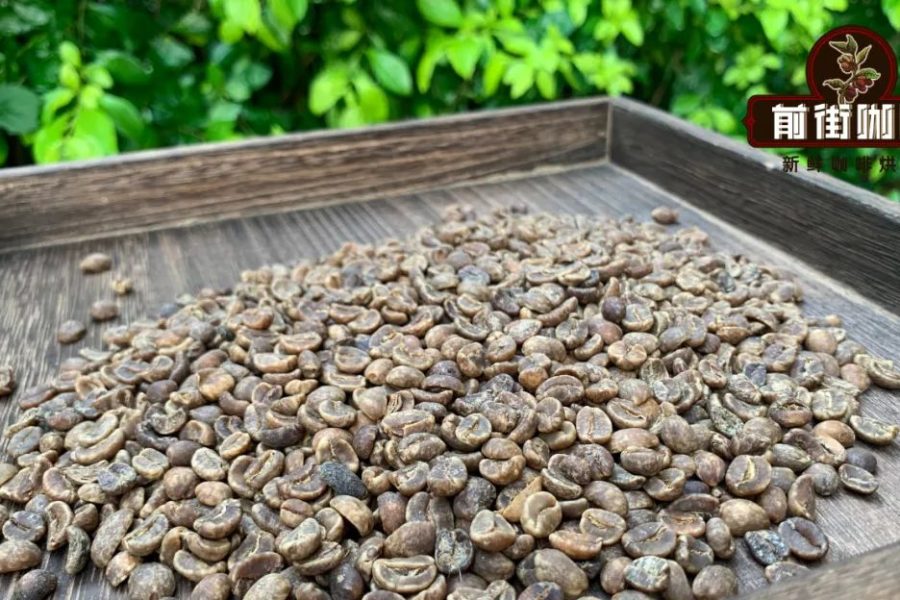
Introduction: Decaf coffee beans suit people who are sensitive to caffeine but unwilling to give up coffee flavor. This article takes an in-depth look at the definition and standards for decaf coffee beans, the principles and flavor differences of the two mainstream decaffeination processes, reveals the difference in caffeine content between Arabica and Robusta varieties, and offers professional storage advice and drinking precautions to help you choose the right decaf coffee solution for your needs.
Humans have used caffeine to stay alert since ancient times, but modern people have more refined requirements for caffeine intake. Decaf coffee refers specifically to coffee products with no more than 5 mg of caffeine per brewed cup (that is, below 0.3%). This content standard both preserves the basic coffee experience and significantly reduces the impact on sensitive people.
Currently, the internationally accepted decaffeination processes for coffee beans fall mainly into two categories: the Swiss Water Process and supercritical carbon dioxide extraction. The Swiss Water Process achieves decaffeination through a physical process with no chemical solvents—first the green beans are soaked in hot water to dissolve flavor compounds and caffeine, then the caffeine is filtered out with a special activated carbon, and finally the flavor compounds are reabsorbed into the beans. This method involves no chemical reagents at any stage, is environmentally friendly, and preserves the layers of the original flavor relatively well, but it may slightly affect the coffee's body and aroma complexity.
Supercritical carbon dioxide extraction uses a high-pressure, high-temperature environment (about 31°C, 74 atmospheres), causing carbon dioxide to enter a supercritical state that combines the density of a liquid with the permeability of a gas. In this state, carbon dioxide can penetrate the cell walls of green beans, precisely dissolve caffeine molecules, and then the caffeine is separated and recovered by reducing the pressure. This process can theoretically preserve flavor precursors more completely, but it relies on specialized equipment; currently there are few such products in circulation domestically, and in the future, as the technology becomes more widespread, it may become the mainstream choice for high-end decaf coffee.
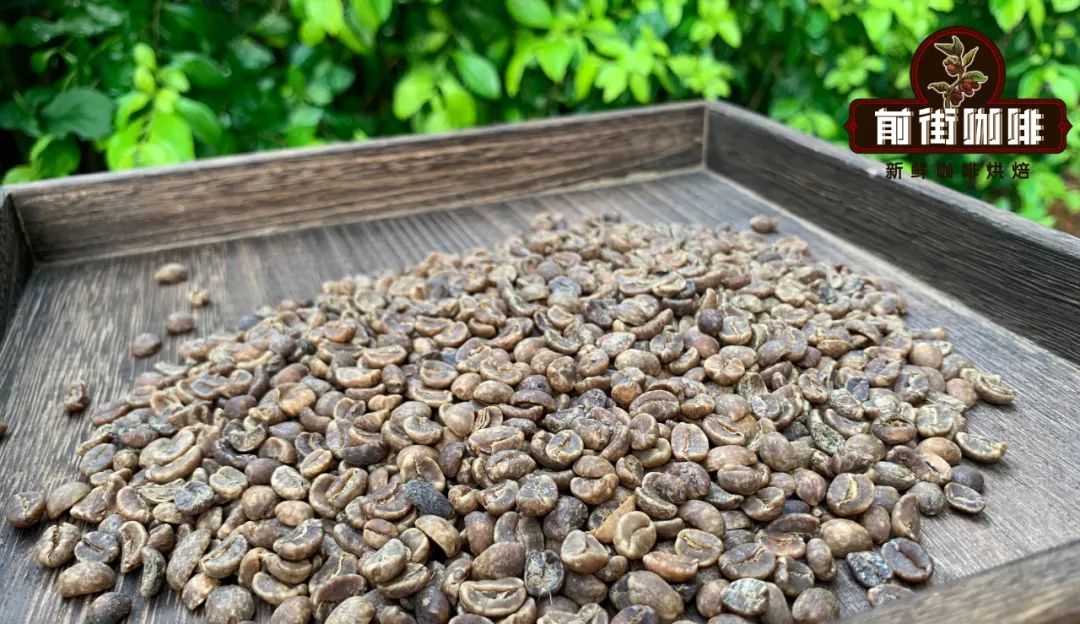
From the raw material side, the base caffeine content differs significantly among coffee varieties: Arabica beans typically contain 1.1%–1.7% caffeine, while Robusta beans reach as high as 2%–4.5%. This also explains why most decaf coffee products prioritize Arabica beans as the base—their own caffeine content is lower, making it easier to meet the final decaf standard. It should be noted that regardless of the processing method used, decaf coffee beans undergo additional processing steps (such as multiple soaks and high-pressure treatment), so their antioxidant capacity is noticeably weaker than that of regular coffee beans.
When buying decaf coffee beans, consumers should focus on three practical details: first, check the caffeine content stated on the packaging (compliant products must clearly state ≤0.3%); second, note the production date and shelf life (products closer to their production date are recommended); and finally, control the quantity purchased at one time (ideally use it up within a week). After opening, store in a sealed, light-proof container, and give preference to packaging with a one-way degassing valve to slow oxidation. In addition, decaf coffee is not completely caffeine-free; special groups such as pregnant women and patients with cardiovascular disease should still consult a doctor.
A little background on caffeine: this natural alkaloid is widely found in tea, cocoa, energy drinks, and even some plants. Its mechanism of action is to stimulate the central nervous system by blocking adenosine receptors, thereby producing an alerting effect. In healthy adults, caffeine takes effect about 15–45 minutes after ingestion, and its effect lasts 3–6 hours, but it cannot replace the need for normal sleep. It is worth noting that pets (such as dogs and birds) have very weak ability to metabolize caffeine, and accidental ingestion may lead to poisoning, so avoid feeding them caffeine-containing foods in daily life.


