Fall Warm-Up Special: Turmeric Latte Recipe and Flavor Analysis, a Guide to Coffee and Spice Pairings
Introduction: As the weather turns cooler, a warming cup of turmeric latte has become a new favorite among many coffee lovers. This golden-hued specialty coffee not only looks good but is also thought to offer certain health benefits. So what does the combination of turmeric and coffee actually taste like? Starting with the ingredients, this article explains the origins of the turmeric latte, two classic methods, and the flavor experience, helping you easily master this fall and winter specialty drink.
As autumn deepens and temperatures gradually drop, many people begin looking for a drink that is both warming and distinctive. Recently, a golden-colored drink with a unique flavor, the "turmeric latte," has gone viral on social media, sparking a wave of experimentation among coffee lovers. With its warm tones and exotic spice aroma, this drink has become a hot topic during the change of seasons. But what exactly is turmeric? And what kind of taste experience does it bring when paired with coffee? Let's find out.
Turmeric is often confused with ginger, but in fact they are only "distant relatives." Ginger belongs to the genus Zingiber and is commonly used in everyday cooking, known for its pungent gingerol; turmeric belongs to the genus Curcuma, has a deep orange-yellow appearance and a firmer texture, and its main active component is curcumin, which is also the source of the bright yellow color commonly found in curry dishes and hard to wash off. Turmeric is not only widely used in cooking but also has a place in traditional medicine for its antioxidant and anti-inflammatory properties.

The popularity of the turmeric latte is no accident. In recent years, with the rise of healthy eating concepts, turmeric has attracted much attention for its potential health benefits. This drink originally contained no coffee; it comes from the traditional Indian medicinal drink "Haldi Doodh," meaning "turmeric milk." In Ayurvedic medicine it is believed to warm the body and balance the constitution. With the spread of coffee culture, this drink gradually evolved into today's turmeric latte, becoming a creative specialty on café menus.

Today, coffee lovers combine turmeric with coffee to create a variety of ways to drink it. The mainstream methods fall roughly into two categories: one is to add turmeric powder directly to espresso and then combine it with milk or plant-based milk; the other is to incorporate turmeric into the milk foam or milk cap and then pair it with espresso, such as the popular turmeric Dirty. Next, we will analyze these two methods one by one, so you can easily recreate this autumn specialty drink.

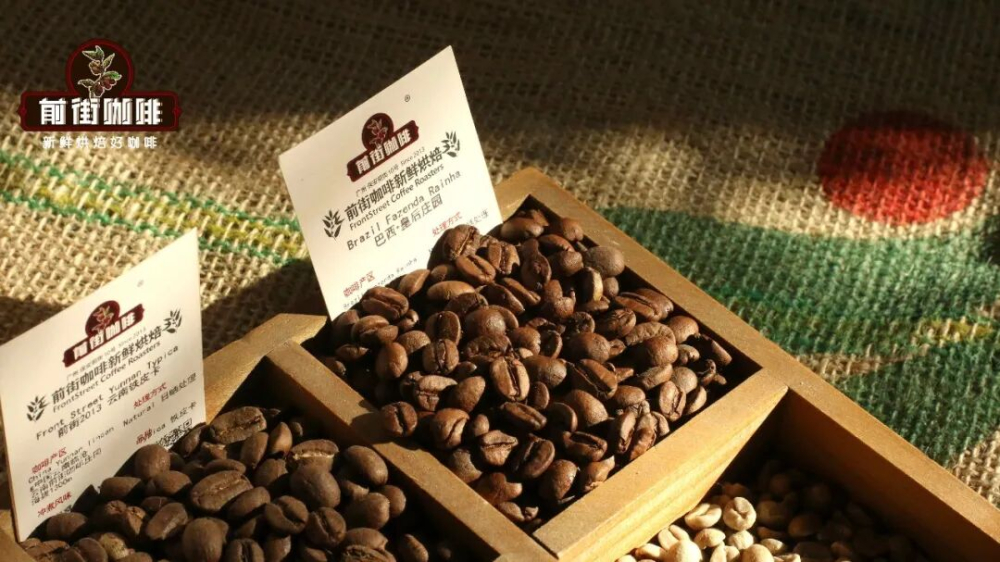
The ingredients needed to make a turmeric latte are not complicated. Common ones include: coffee beans (medium-dark roast is recommended, for a rich and balanced flavor), fresh milk or plant-based milk (such as oat milk), turmeric powder, cinnamon powder, honey, and light cream. Among these, oat milk, with its natural grain aroma, can effectively neutralize the earthy smell that turmeric may bring, making it the preferred choice in many recipes. The addition of turmeric powder and cinnamon powder adds warm, spicy layers to the drink.

First, here is a turmeric latte recipe based on oat milk, suitable for hot drinks. Use 20 grams of medium-dark roasted coffee beans and extract about 35 grams of espresso at a 1:1.75 coffee-to-water ratio, keeping the extraction time between 25 and 30 seconds to ensure a concentrated flavor that is not overly bitter.
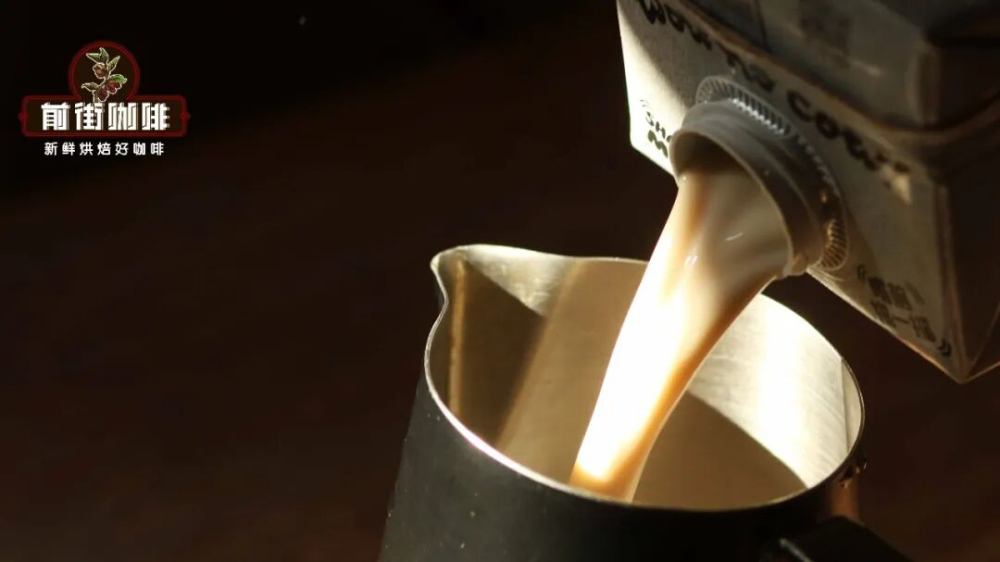
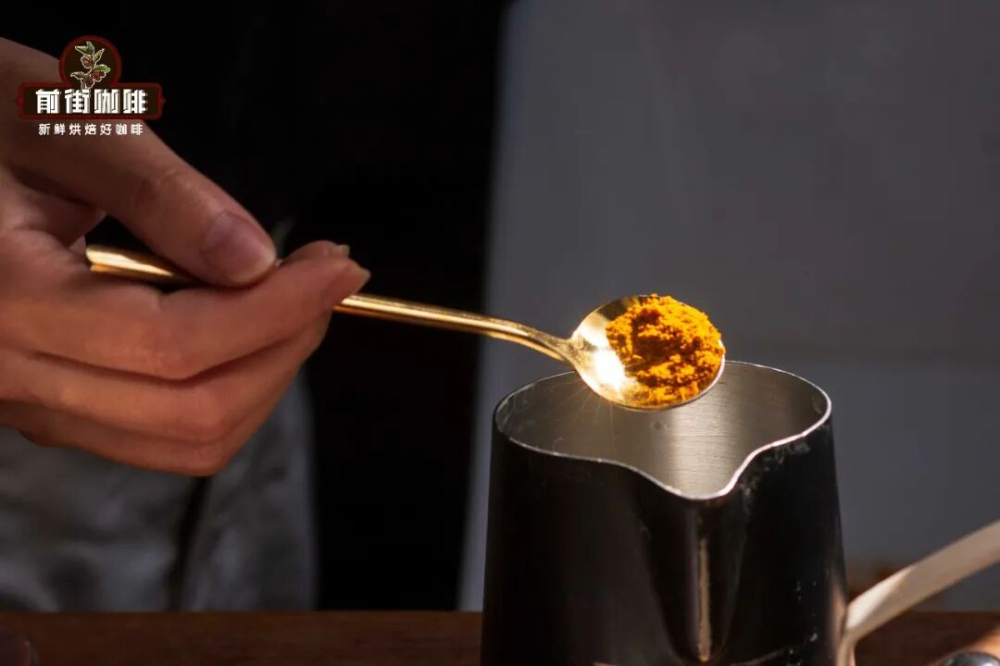
In a milk pitcher, add 2 grams of turmeric powder and 2 grams of cinnamon powder, then pour in 190 milliliters of oat milk, and use a steam wand to froth it to about 0.5 centimeters of milk foam. Heat the milk to 50 to 55 degrees Celsius, then blend it evenly with the previously extracted espresso. Finally, lightly sprinkle a layer of turmeric powder on the surface of the drink as a garnish, adding visual and flavor layers.
Another recommendation is the turmeric Dirty, whose special feature is incorporating the turmeric element into the milk cap, creating a striking contrast with cold fresh milk and espresso. First make the milk cap: sift 2 grams of turmeric powder and 2 grams of cinnamon powder into a cup, add 70 grams of light cream and 5 grams of honey, and whip with a whisk until thick and semi-fluid; set aside.
Next, prepare a Dirty: pour 150 milliliters of fresh milk into a glass, use 20 grams of coffee beans to extract a double espresso, and pour the espresso over the milk from a relatively close distance so that the crema and milk form a gradient layering effect, enhancing the visual layering.

Finally, slowly pour the whipped turmeric milk cap into the center of the Dirty coffee, letting the thick milk cap slowly stack up to form a golden top layer, creating a "Golden Ring" visual effect while making every sip full of turmeric and honey aroma.

Regarding the flavor experience, the hot version of the turmeric oat latte usually comes across as more harmonious. The grain aroma of the oat milk blends with the spiciness of the turmeric, complemented by the slight sweetness of the cinnamon; the overall mouthfeel is mellow, with a nutty finish, suitable for coffee lovers who like to explore new flavors. However, if the earthy notes of the turmeric itself are not sufficiently balanced by the milk, first-time tasters may find it unfamiliar.
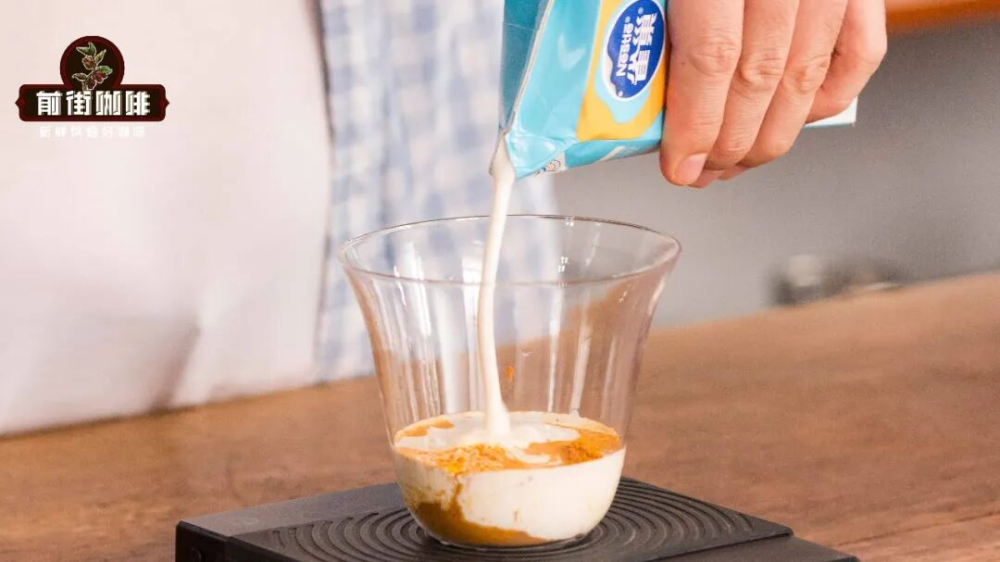
The turmeric Dirty, by contrast, has more distinct flavor layers, with the alternation of hot and cold and multiple textures bringing a rich experience. But because turmeric powder has relatively coarse particles, if it is not fully dissolved, it can easily create a noticeable grainy texture when drinking, affecting the overall experience. Therefore, it is recommended to mix the turmeric powder thoroughly with the milk foam during preparation, or adjust the amount used to reduce the grainy texture.
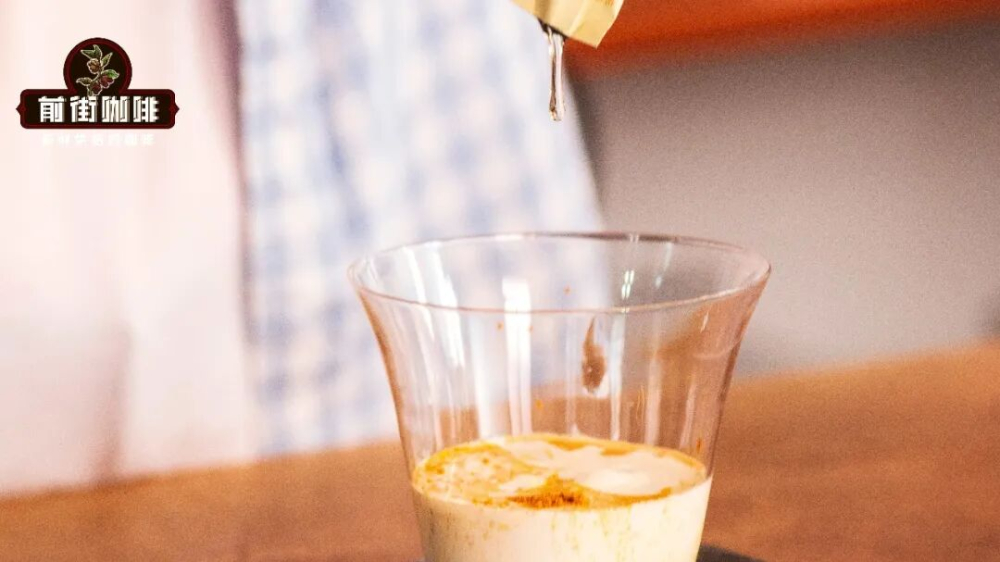
In summary, the turmeric latte is an autumn specialty drink that combines visual appeal with potential for flavor exploration. Whether you prefer the warm mouthfeel of the hot version or the hot-and-cold contrast of the Dirty style, you can find a flavor combination that suits you by adjusting the ingredients and proportions. If you are interested in the collision of spices and coffee, why not try making one at home and experience this unique warmth from autumn.