Does Brewing Drip Bag Coffee with Milk Affect Flavor? Best Water Temperature and Brewing Parameters
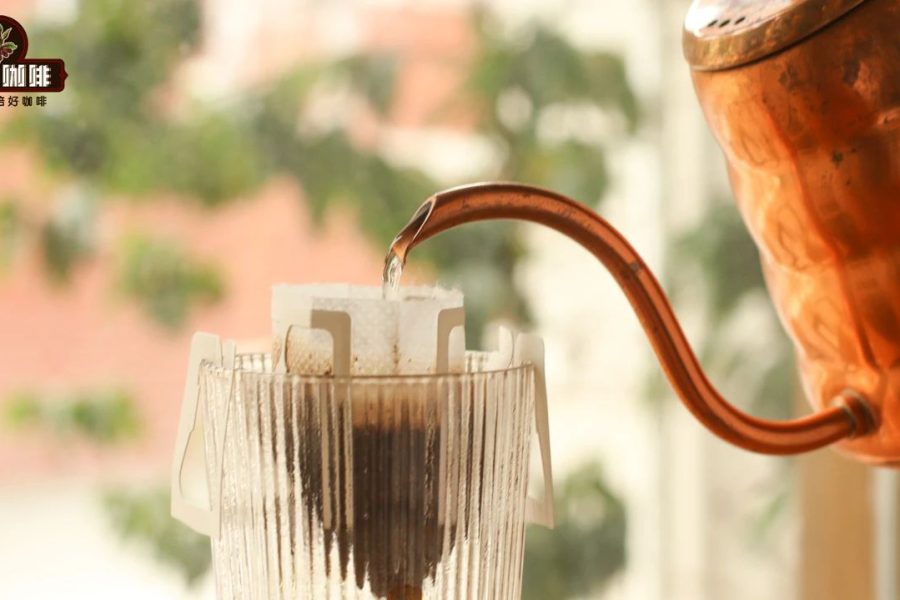
Introduction: Drip bag coffee has become a daily choice for many coffee lovers due to its convenience, but there are still many questions about how to brew it. This article takes a deep look at whether drip bag coffee can be brewed directly with milk, and how to extract the best flavor by controlling water temperature and water volume. It also details the origins of drip bag coffee, its common flavor characteristics, and provides professional-level brewing parameters to help you enjoy a coffee experience close to café quality at home.
As a solution for quickly getting high-quality black coffee, drip bag coffee is widely popular in East Asia. For busy office workers, drip bag coffee saves a great deal of preparation time compared with traditional pour-over methods. Quality drip bag coffee sold on the market is usually made from freshly roasted coffee beans that are ground and then sealed in packaging. Although it is not as flavor-complete as grinding and brewing fresh, it still preserves the coffee's original characteristics fairly well.

The idea of drip bag coffee can be traced back to Japan. In the 1990s, against the backdrop of Japan's flourishing tea culture, people began trying to apply the tea bag concept to coffee. In 1990, a Japanese company first attempted to use a hanging filter design for coffee and applied for a patent, but due to problems with the early design such as insufficient load-bearing capacity and easy imbalance during brewing, it was never commercialized. It was not until 1998 that an improved drip bag design—extending the ear flaps outward to enhance stability—truly laid the foundation for modern drip bag coffee.
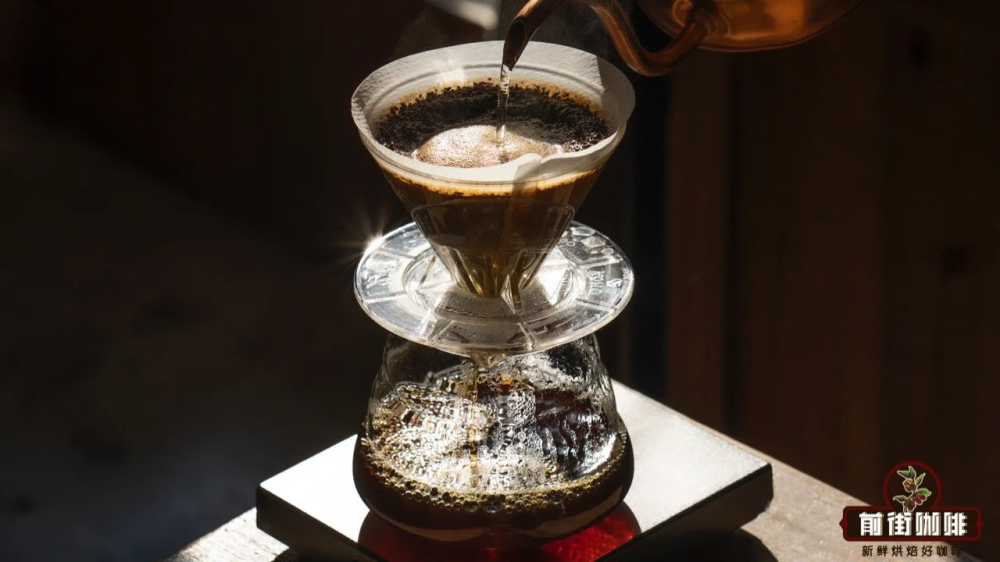
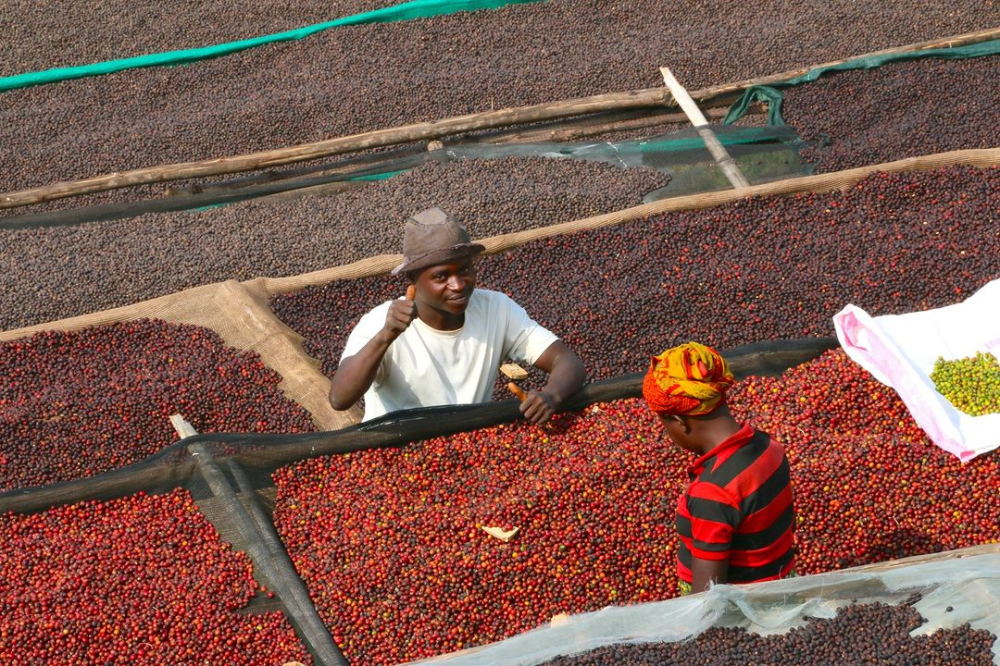
Quality drip bag coffee usually uses specialty coffee beans from different producing regions. For example, Ethiopia's Yirgacheffe region is known for producing coffee beans with distinct citrus notes, thanks to the local "Red Cherry" quality improvement program. By raising the purchase price of high-quality green beans, the program incentivizes coffee farmers to carefully process every coffee cherry, using entirely manual picking to ensure only the ripest fruit is selected.
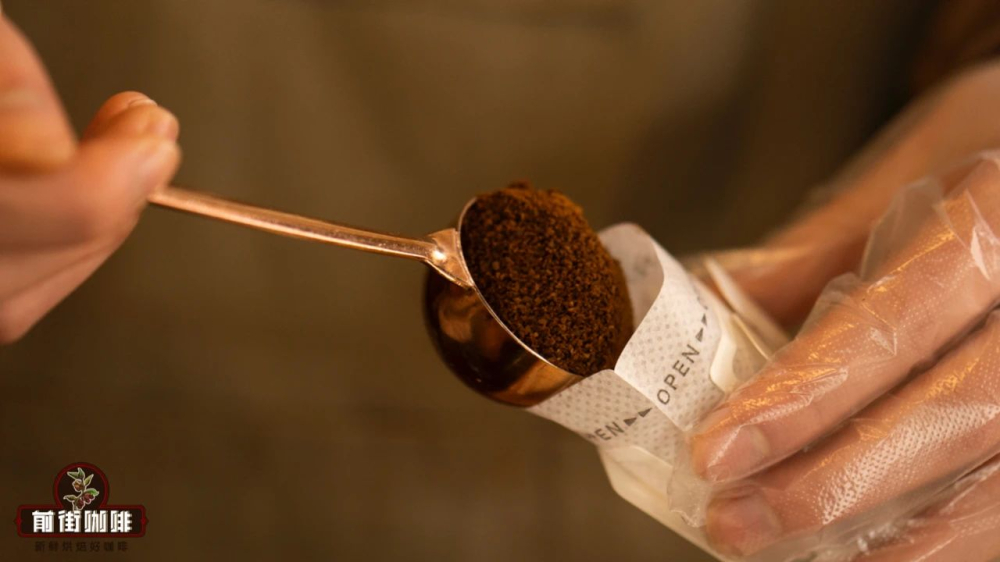
Brazil, as the world's largest coffee-producing country, has a distinctive coffee bean history. In 1720, a Portuguese military officer stationed in Brazil introduced coffee seeds into the country, which at the time strictly prohibited coffee from leaving the country, through special means. Brazil's warm climate and vast growing areas allowed coffee to spread rapidly, and by 1845 it accounted for 45% of global coffee production. Brazilian coffee is known for its nutty notes and full-bodied mouthfeel, making it particularly suitable as a base bean for drip bag coffee.
The Honduras region in Central America has attracted much attention in recent years due to its unique processing methods. The sherry-style coffee beans produced in the country's Marcala region undergo special barrel fermentation, presenting vanilla cream flavors reminiscent of whiskey sherry, with a lasting nutty chocolate finish. This type of coffee bean usually has a rich spiciness and tropical fruit flavors, sharing similar regional characteristics with coffee from neighboring producing regions such as Nicaragua and Guatemala.
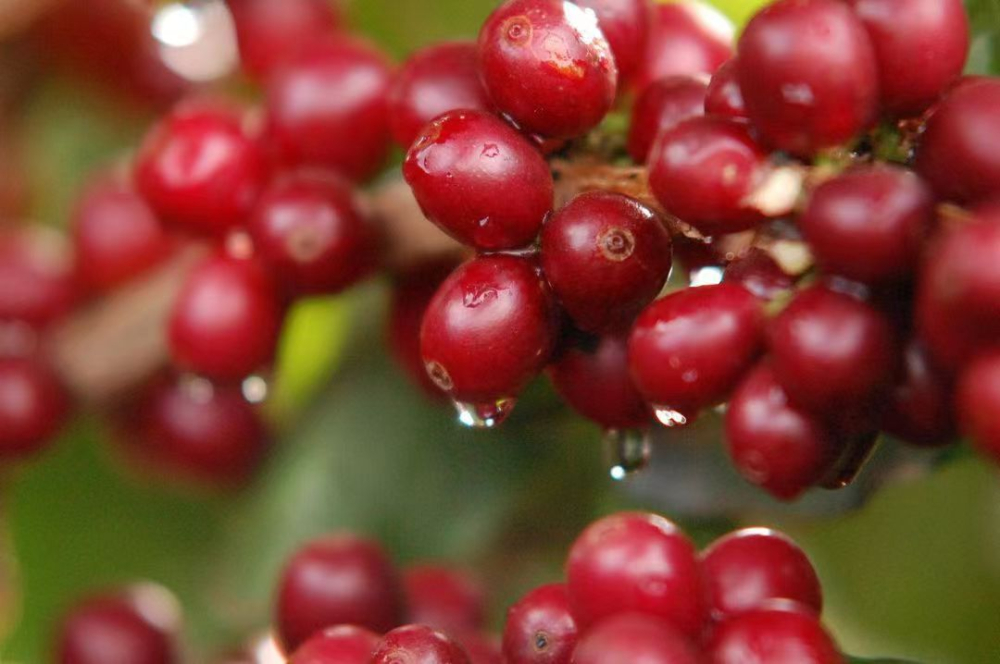
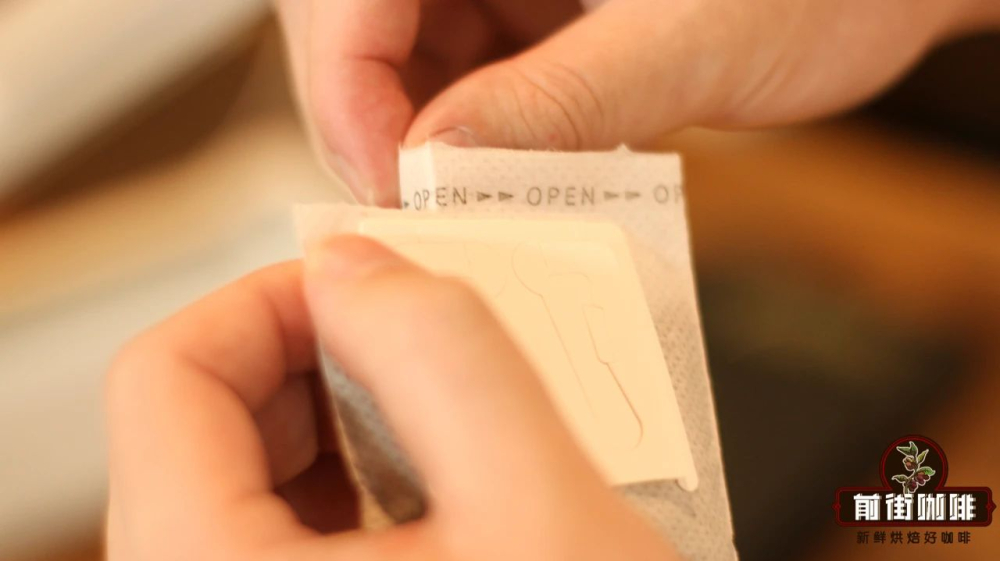
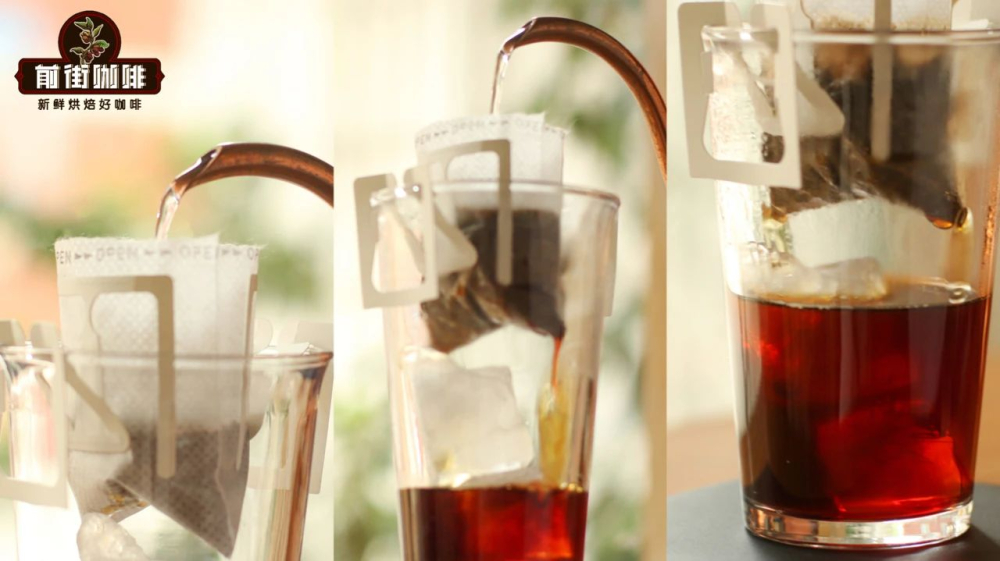
Regarding the brewing method for drip bag coffee, the standard approach is to use hot water at 85-95°C, with a recommended water volume of 180-200 ml. Most drip bags contain 8-12 g of coffee grounds; for medium to medium-dark roast coffee grounds, the amount is usually about 10 g, in which case 180 ml of water delivers the best balance. When brewing, note the following: first, carefully tear open along the indicator notch on the packaging, shake the filter bag flat, then evenly spread the ear flaps and hang them on the cup rim; use purified water and let it sit for about 1 minute so the water temperature drops slightly; key parameter tip: during the blooming stage, pour in a small amount of hot water and maintain a blooming time of 25-30 seconds; subsequent pouring should be kept at a steady rate to avoid overflow caused by too rapid a flow.
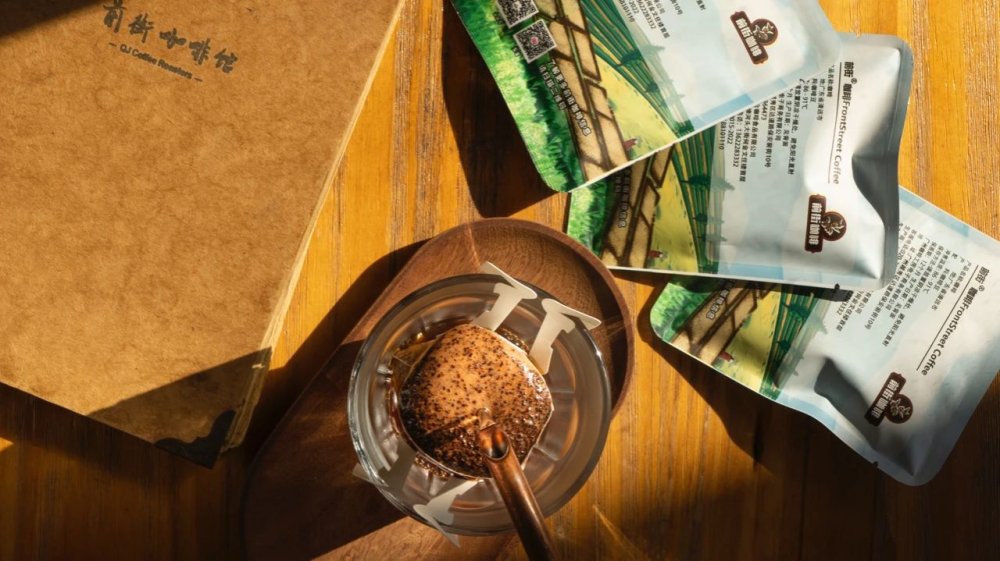
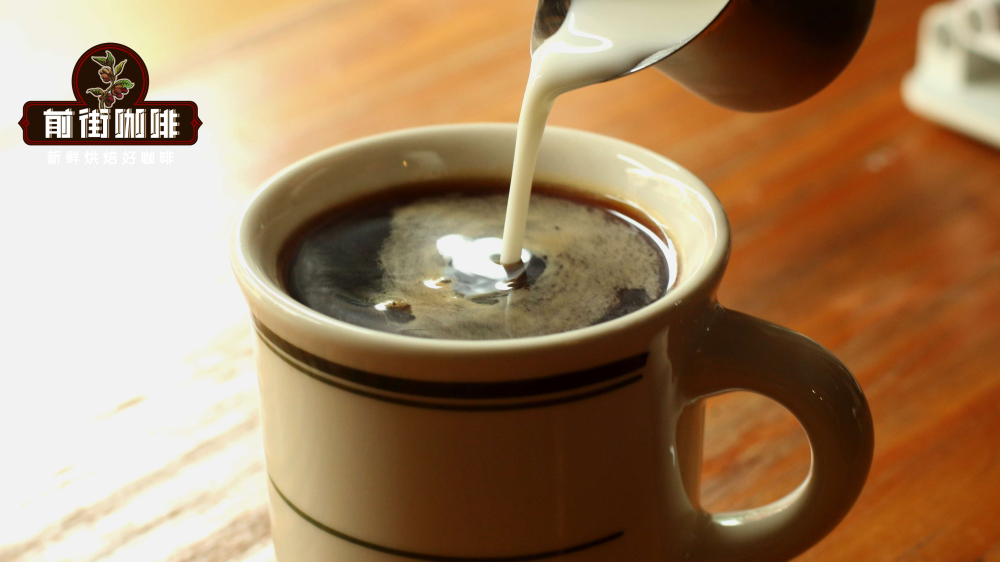
Pairing drip bag coffee with milk is a common need, but the method matters. In principle, drip bag coffee can be drunk with milk, but beans with different flavor profiles perform differently. For example, Yirgacheffe with distinct fruit notes may have its characteristic flavors masked when milk is added, while the more bitter Brazilian coffee can gain a smoother mouthfeel through milk. Special reminder: it is not recommended to pour hot milk directly for extraction, because milk contacting room-temperature coffee grounds will cool rapidly and form a milk skin on the surface of the filter bag, causing clogging. The correct approach is to add an appropriate amount of hot milk and mix before drinking after the coffee liquid has been extracted.
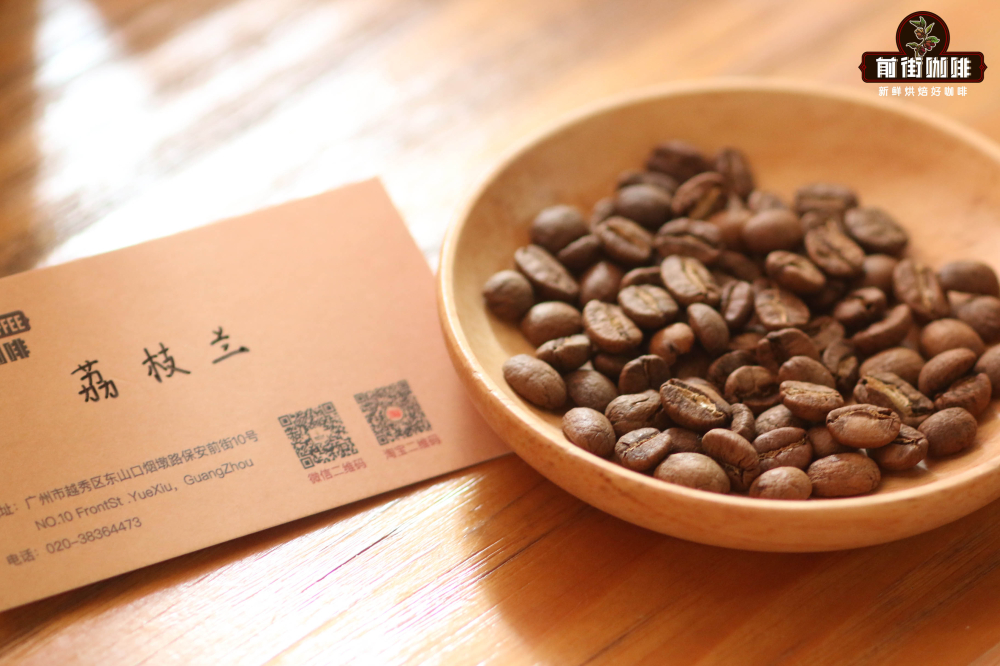
For coffee lovers who like to try different flavors, there are also mixed-origin drip bags available on the market. These products usually combine coffee beans randomly selected from 5 major coffee-producing regions, including Ethiopia's citrus notes, Indonesia's herbal and nutty aroma, Brazil's clean nutty flavor, Colombia's peanut and creaminess, Costa Rica's toffee and nutty notes, Yunnan arabica's fruity and tea-like feel, and Guatemala's citrus and smoky flavors. This "blind box" style combination often brings unexpected tasting experiences.
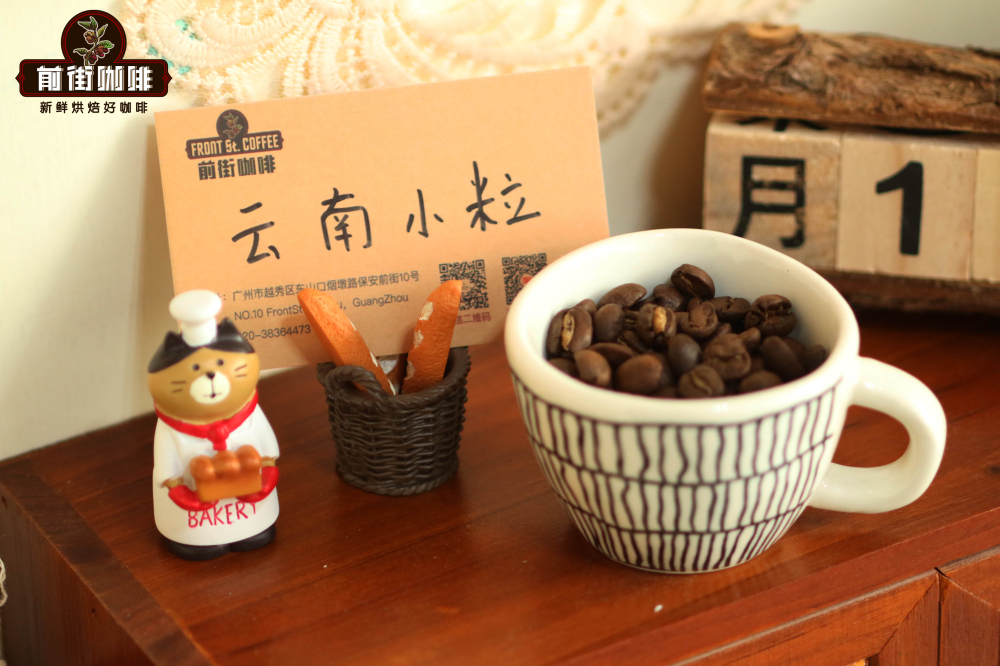
Mastering the correct brewing parameters for drip bag coffee is crucial to improving the drinking experience. Professional recommendation: keep the water temperature in the 85-95°C range, the optimal brewing water volume is 180 ml, and the amount of medium-roast coffee grounds is about 10 g. When brewing, pay attention to the speed and evenness of the water flow, and give enough time during the blooming stage for the coffee grounds to fully release gas. Through attention to these details, even with the convenient drip bag method, the original flavor characteristics of the coffee beans can be fully expressed.