Espresso Gold Extraction Ratio and Grind Size: A Beginner's Guide
Introduction: Espresso is known for its rich, full-bodied flavor, but consistently pulling a balanced shot of espresso is no easy task. This article takes an in-depth look at the core parameters that affect espresso quality—dose-to-yield ratio and grind size—breaking down the gold range from 1:1.5 to 1:2.5, and explaining how to precisely control flow rate and flavor by adjusting grind fineness, dose, and liquid weight. With these techniques, even beginners can quickly find the best extraction plan for their home espresso machine.
As a classic form in the coffee world, espresso, with its rapid extraction within 30 seconds and highly concentrated flavor, has become a required introductory lesson for countless coffee enthusiasts. But to consistently produce a cup of espresso with rich layers and balanced taste, multiple key parameters need to be precisely controlled, among which the dose-to-yield ratio and grind size are the most fundamental and most important.
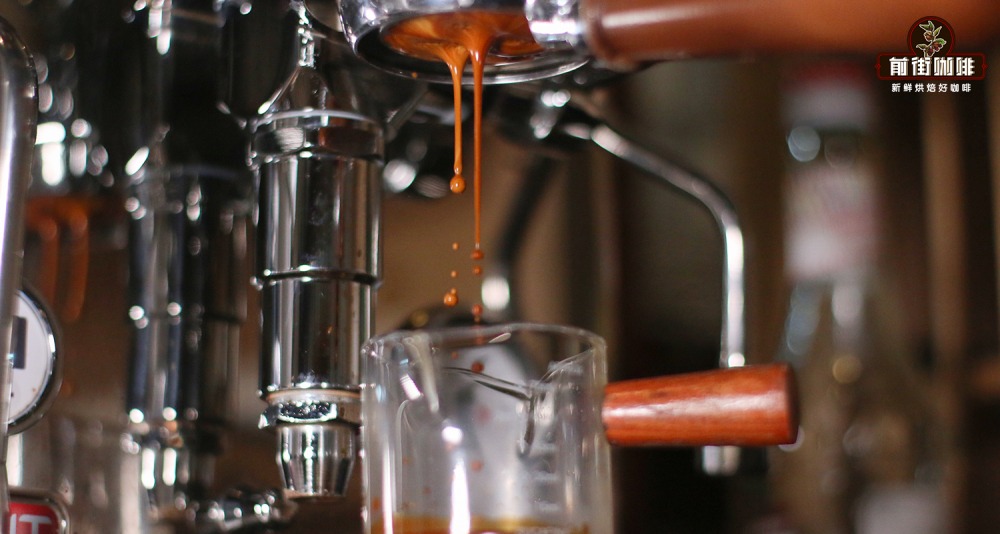
In the professional coffee field, the standard espresso dose-to-yield ratio is usually set between 1:1.5 and 1:2.5. This range ensures the coffee's richness without over-extraction leading to bitterness. In practice, many cafés choose 1:2 as the baseline ratio—that is, extracting 2 grams of coffee liquid for every gram of coffee grounds. For example, when using 20 grams of coffee grounds, the target liquid weight should be 40 grams; this combination can produce a full-flavored espresso within 25-30 seconds.
Specifically for home or commercial scenarios, note the parameter differences between single (Solo) and double (Doppio) shots: for a single, use 8-9 grams of grounds and extract 28-30 grams of liquid; for a double, use 18-20 grams of grounds, corresponding to 30-40 grams of liquid weight. It is worth noting that fine-tuning the dose directly affects puck density—increasing the dose makes the puck firmer, prolonging the time water flows through and thereby increasing extraction concentration; conversely, the flow rate speeds up and the flavor tends toward lightness. When adjusting, it is recommended to increase or decrease by no more than 0.5 grams each time, optimizing while observing changes in flow rate.
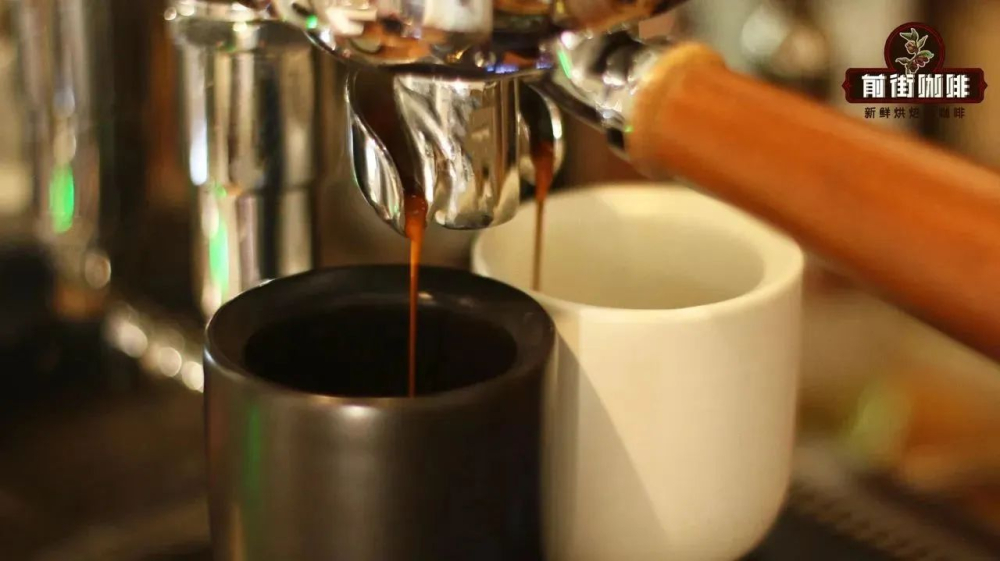
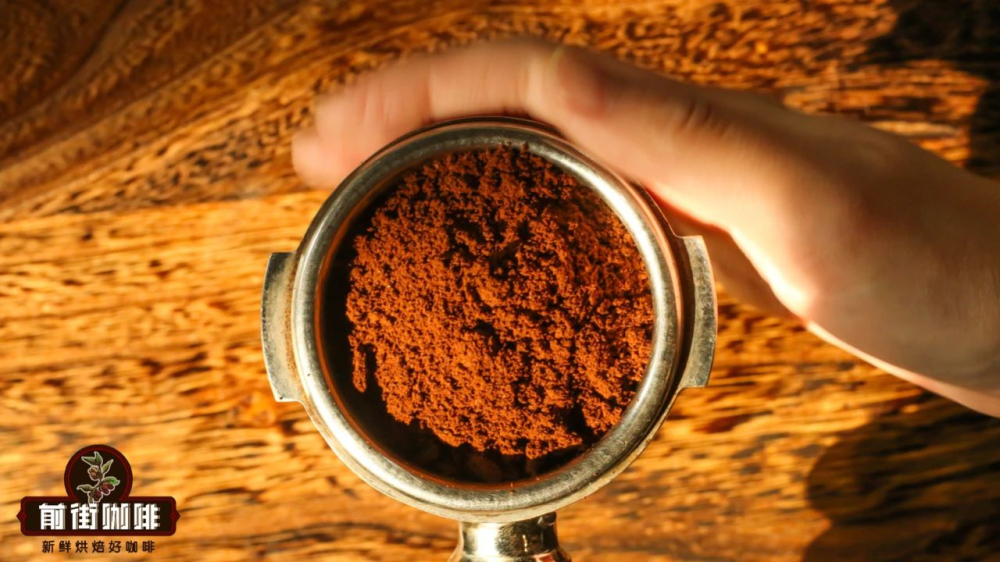
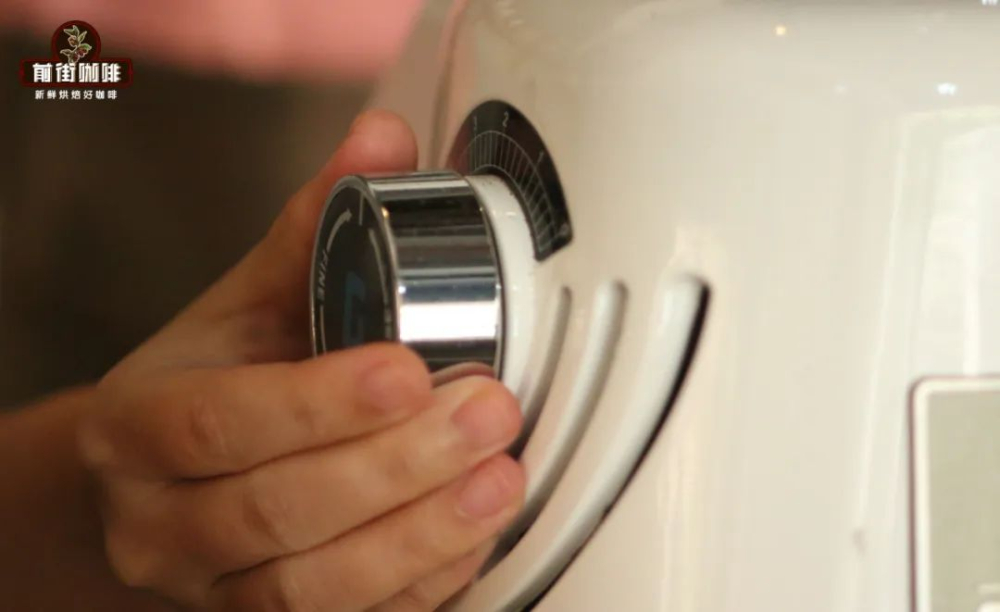
For espresso, the importance of grind size even exceeds that of the dose-to-yield ratio. The ideal grind fineness should be between flour and fine granulated sugar, about 30%-40% finer than common pour-over coffee. Too coarse a grind causes water to pass through the coffee bed too quickly, resulting in under-extraction, manifested as prominent acidity and thin aroma; too fine a grind may trigger over-extraction, producing obvious burnt bitterness and a rough mouthfeel. A special reminder: the dial adjustment of an espresso grinder should follow the principle of "small increments, multiple times," with each rotation not exceeding 1/4 turn, to avoid excessive parameter jumps that affect stability.
Facing seasonal changes or differences in coffee bean freshness, flexible parameter adjustment is key to maintaining consistency in output. When ambient humidity rises (such as in the rainy season), coffee grounds absorbing water and swelling may slow the flow rate; in this case, first try reducing the dose by 0.1-0.2 grams; if the flow rate is still slow, then moderately coarsen the grind. Conversely, in a dry environment, if the flow rate is too fast (extraction time <25 seconds), first increase the dose, and if ineffective, then fine-tune the grind finer. Professional advice: record the dose, grind setting, liquid weight, and extraction time of each adjustment to form your own coffee log.
A complete dialing-in process can refer to the following steps: first fix the water temperature (most machines default to 90-96°C) and pressure (commercial machines standard at 9 Bar), and start extraction with baseline parameters (e.g., 20 grams of grounds → 40 grams of liquid weight). If the flow rate is too fast (<25 seconds), try in order ① increasing the dose by 0.1 grams ② grinding finer; if the flow rate is too slow (>35 seconds), do the reverse ① reduce the dose ② grind coarser. After each adjustment, make two consecutive cups to compare flavor changes, focusing on the balance of sweetness and acidity, body, and finish.
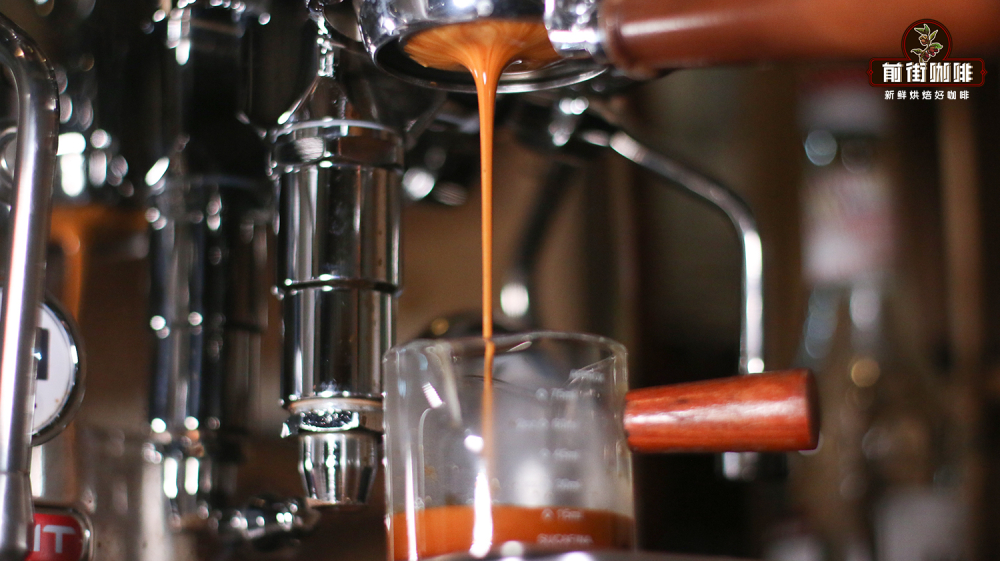
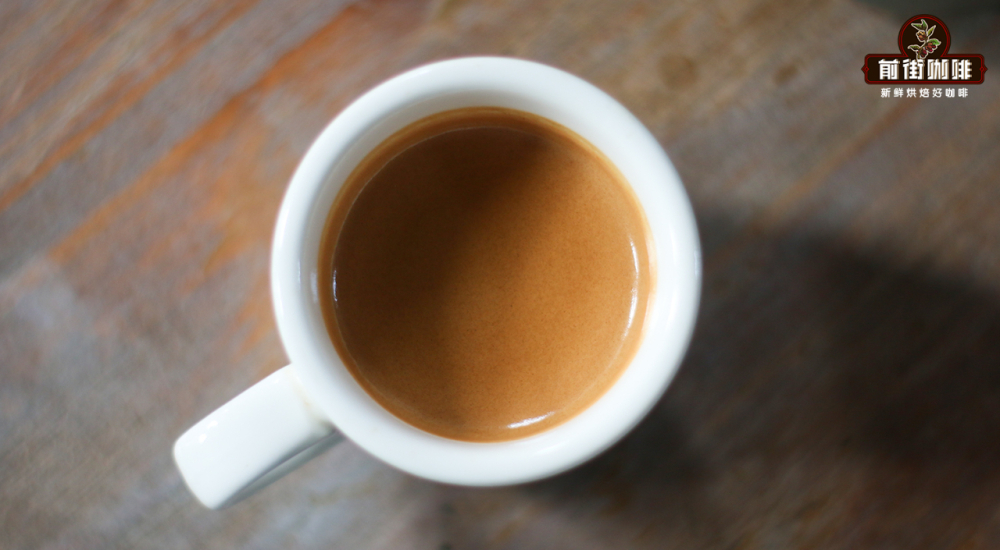
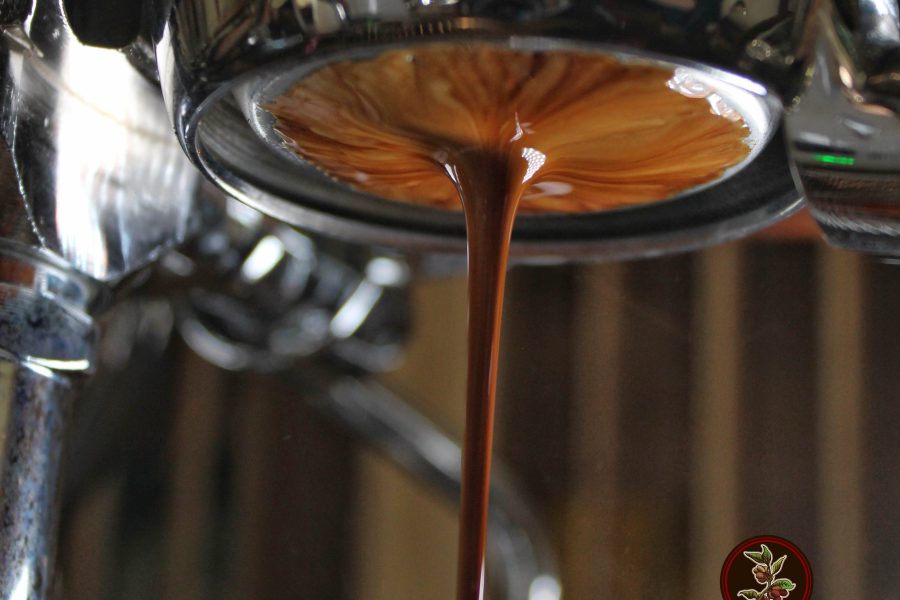
Taking a common blend as an example, when extracting 20 grams of grounds at a 1:2 ratio, the ideal state should show the following characteristics: golden crema flowing out in the initial stage, peak flow rate reached in the 20-25 second interval, final liquid weight of 40 grams ±2 grams, and total time controlled at 28-32 seconds. At the flavor level, a high-quality extraction should show a clear sweet base, accompanied by moderate citrus acidity and nutty notes, with chocolate and caramel finish emerging when the temperature drops to around 60°C. If sharp acidity or astringency appears, it usually means the grind is too coarse or the extraction is insufficient; while persistent bitterness or a smoky sensation signals a risk of over-extraction.
Finally, a reminder: each espresso machine has inherent differences in extraction characteristics, including factors such as boiler pressure stability and dispersion screen design that all affect actual parameter performance. It is recommended that beginners prioritize medium-roast blends (such as a blend containing 20%-30% Robusta), as these beans are more tolerant of parameter fluctuations and help build a stable feel for operation. Remember, a perfect espresso is not only the result of scientific ratios, but also a personalized flavor art achieved through continuous fine-tuning.