Americano Brewing Guide: Coffee-to-Water Ratio and Flavor Blending, Plus an Espresso Tutorial
Introduction: From harshly bitter and hard to drink to rich and layered, the differences in Americano flavor often come down to the choice of espresso base and brewing parameters. This article explains the core extraction parameters of espresso, the ideal coffee-to-water ratio for Americano, and practical blending techniques for the home setting, and by comparing the flavor profiles of hot and iced Americano, helps coffee lovers find a brewing method that suits them.
Faced with the many options on a café menu, many beginners often order an Americano because they can't decide. But first-timers are often put off by its strong bitterness—in fact, an Americano's flavor is closely tied to the quality of the espresso base and the brewing parameters. A good Americano should avoid burnt, bitter, and muddy flavors and present clear, pleasant layers of coffee flavor.
Americano in cafés today is usually made with espresso as the base, diluted by adjusting the water-to-coffee ratio. Although the term "Italian coffee" comes from the birthplace of the Italian coffee machine, it is now more often classified as a category of espresso drinks. So which espresso beans should you choose to make an Americano? What is the standard water-to-coffee ratio? The following explains step by step, from basic concepts to practical details.
Americano is essentially a drink made with espresso as the base and diluted with hot water to personal taste. The traditional ratio is about 1:8 (a double shot of 40 ml espresso to 320 ml water), but it needs to be adjusted according to the characteristics of the beans. For example, some blends are suited to a higher concentration of 1:4.5, which preserves body without becoming overly bitter. The key is to determine the best ratio through small-cup tests—add 5% more water each time and taste and compare, ultimately locking in the balance point of flavor.
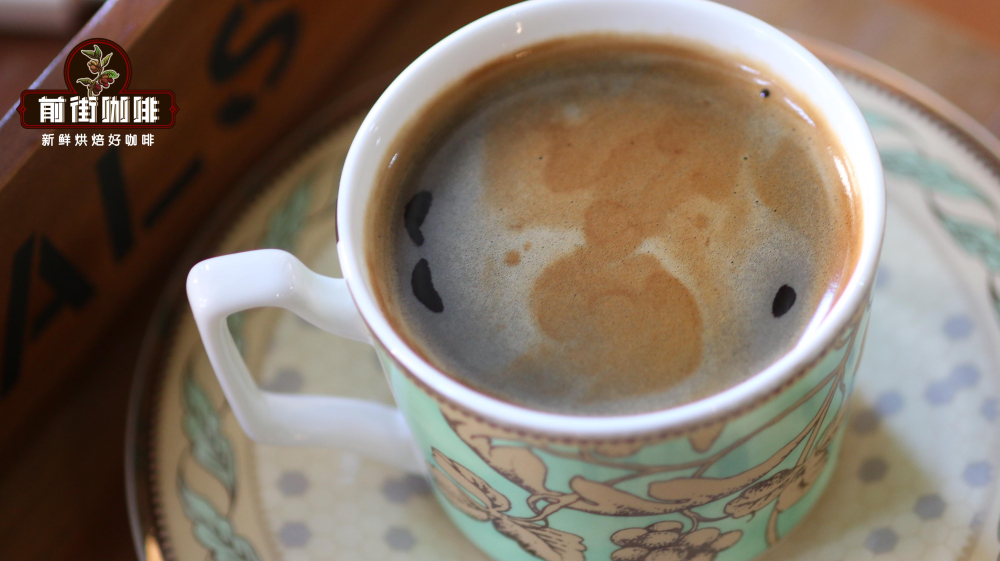
The debate over preferring espresso or Americano centers on the difference in flavor intensity. Undiluted espresso (about 30 ml) has a concentrated, intense flavor, with sour and bitter compounds highly concentrated; Americano, diluted with water, both softens the intense taste and reveals richer regional flavor characteristics. For consumers not used to heavy flavors, it is recommended to start with a higher water-to-coffee ratio of 1:7 or above.
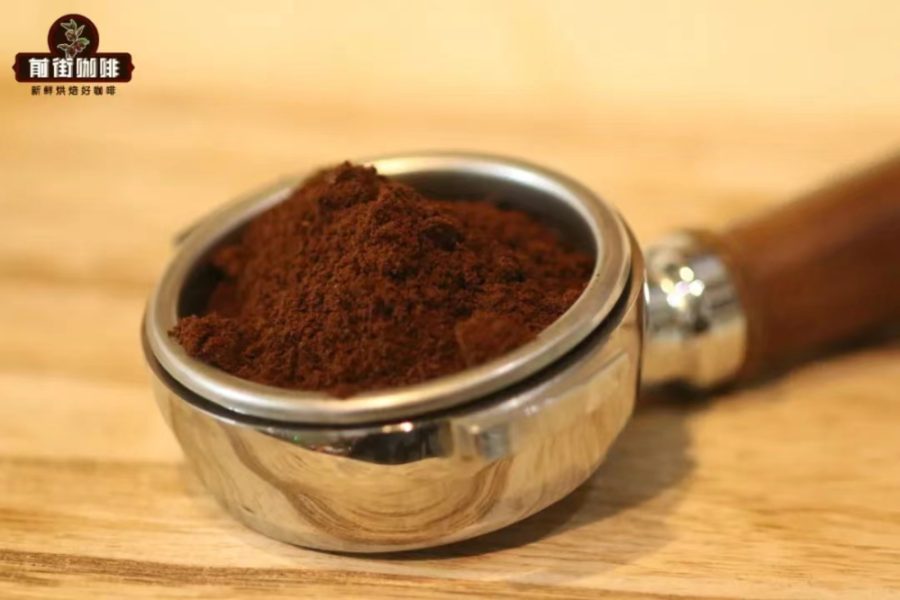
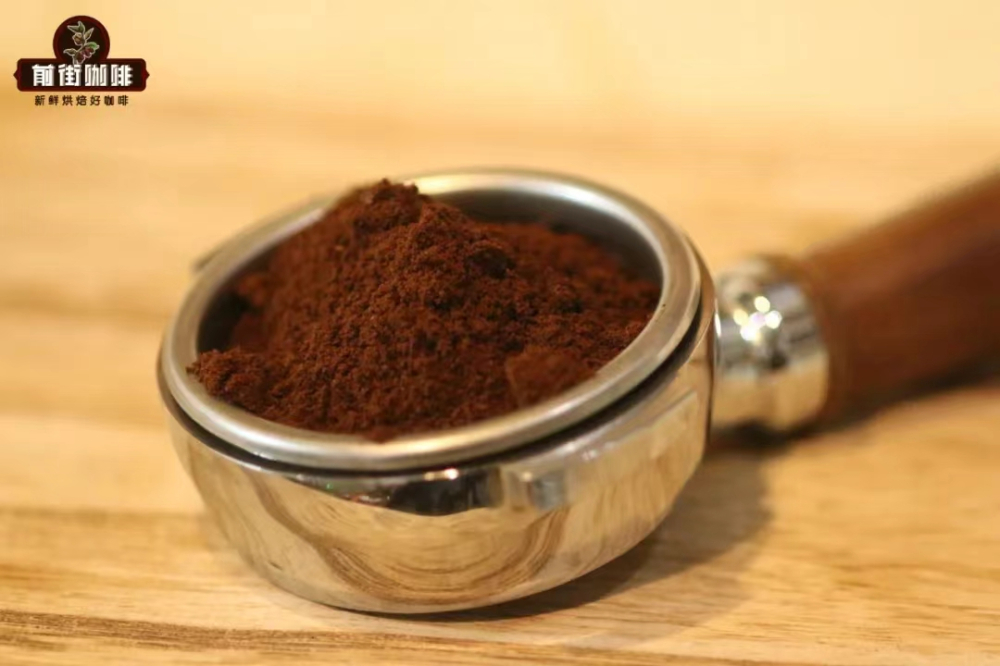
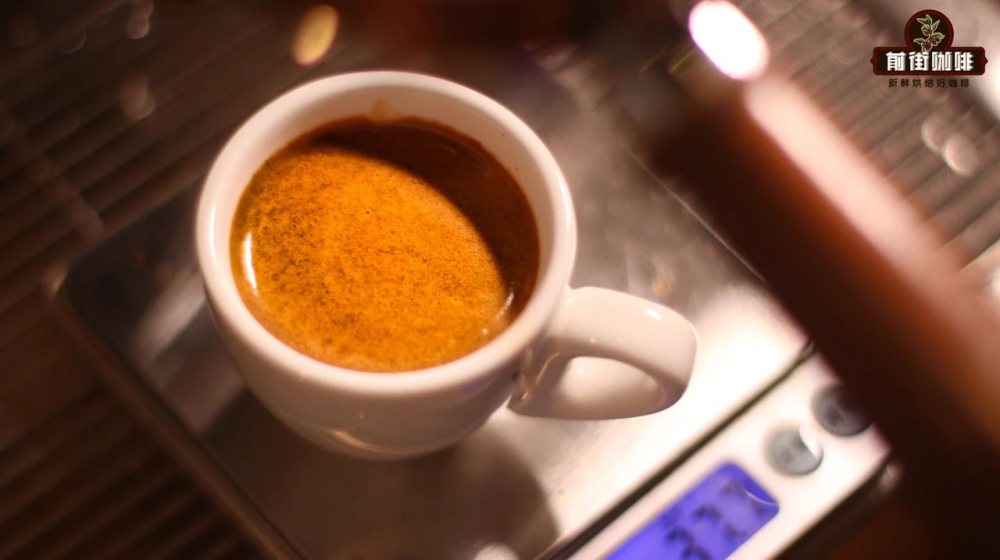
Making good espresso requires attention to four main parameters: dose (12–18 g for a single shot / 20–22 g for a double), extraction time (20–30 seconds), pressure (9 bar standard), and water temperature (ideal range 90.5–96°C). Taking a double shot as an example, to produce 40 ml of concentrated liquid, the coffee-to-water ratio should fall within the range of 1:1.7 to 1:2. Note that beans of different roast levels require slight parameter adjustments—for light roasts, the water temperature can be lowered appropriately to 90°C, while dark roasts need a longer extraction time of 25 seconds or more to fully extract the flavor compounds.
For the home setting, a gradual tuning method is recommended to determine your own ratio: first make a basic Americano at the standard 1:8 ratio, then add 10–20 ml of water each time and record the flavor changes. Focus on three dimensions: ① whether the acidity is bright without being sharp ② whether sweetness emerges naturally ③ whether the bitterness is balanced and not harsh. A good Americano should show positive flavors such as nuts and caramel, rather than obvious smoky or burnt notes.
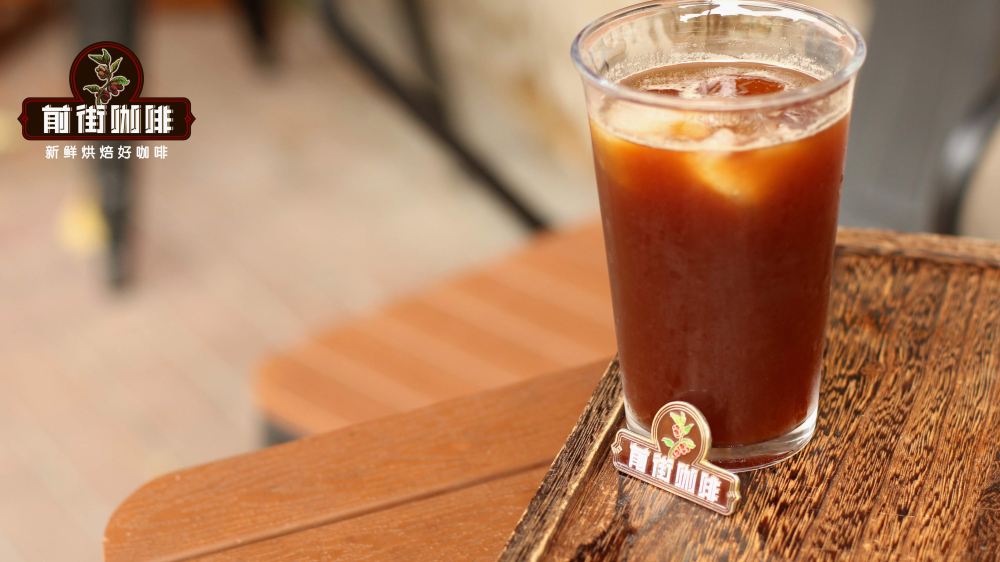
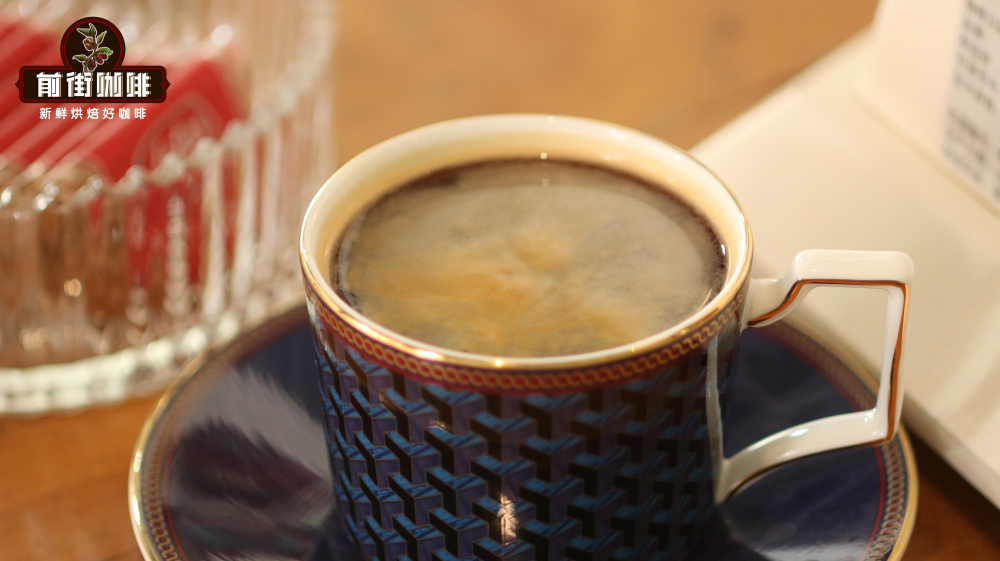
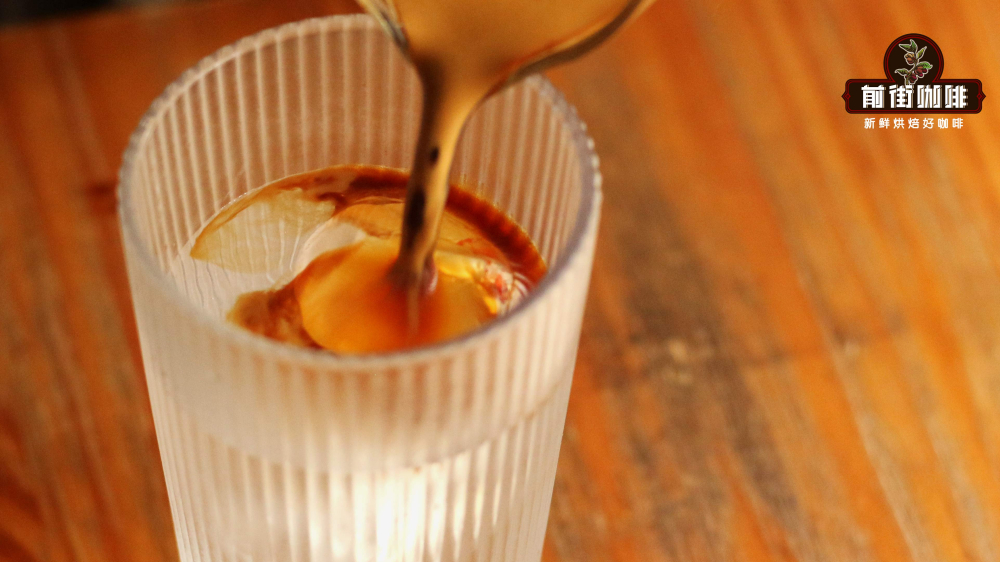
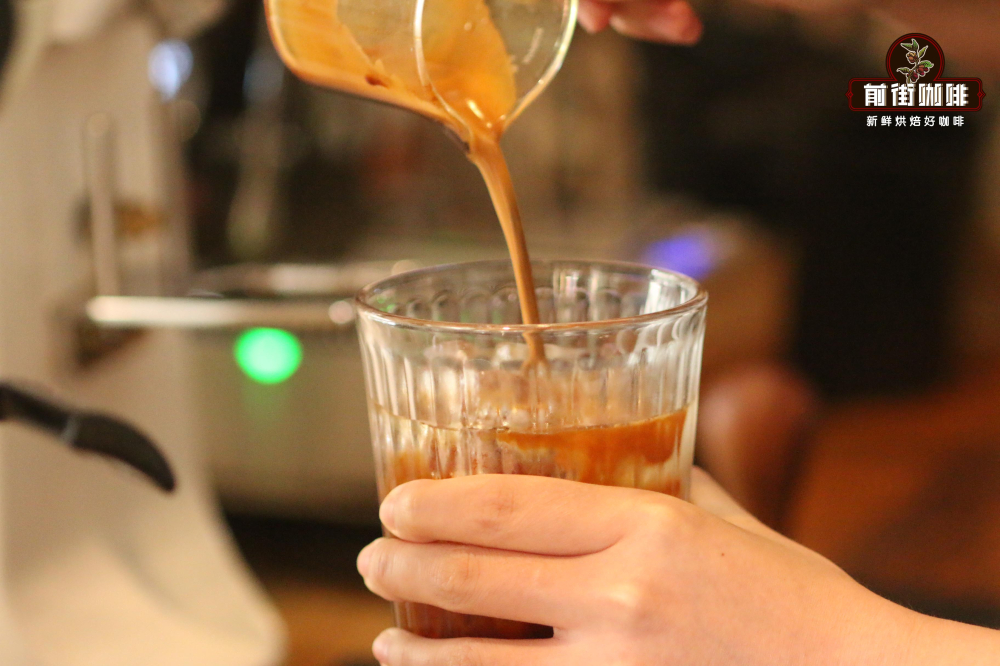
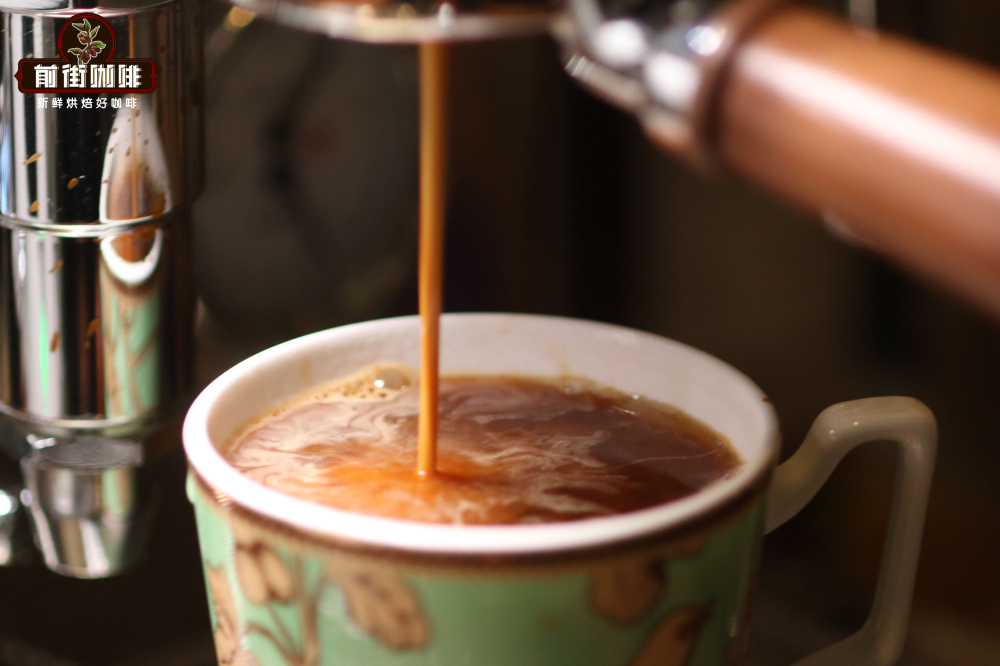
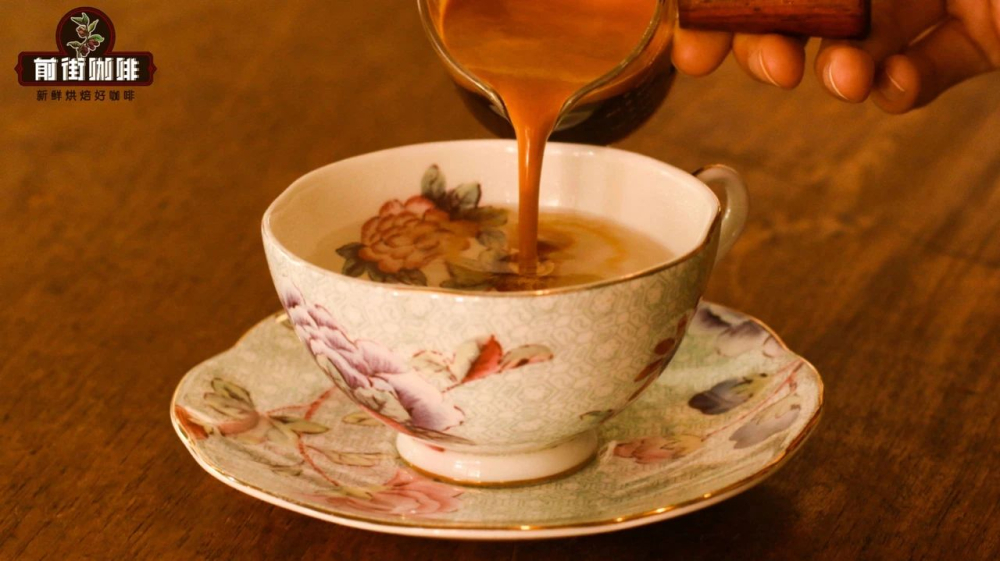
For hot Americano, the recommended order is "water first, then espresso"—first pour hot water at 65–85°C into the cup (leaving room at the top), then slowly pour in freshly extracted espresso. This method effectively protects the crema (the layer of coffee oils), avoiding rupture of the oils caused by direct impact of high temperature. For iced Americano, pre-mix ice cubes with room-temperature water (ratio 1:1), and once the ice-water mixture has cooled to 4–8°C, immediately pour in the espresso to prevent over-dilution.
The flavor profile of Americano is influenced by multiple factors: roast level determines the base tone (medium-dark roasts highlight chocolate and caramel, light roasts emphasize citrus and floral notes), freshness affects aroma intensity (beans 7–21 days after roasting are recommended), and water hardness is directly related to extraction efficiency (ideal TDS 50–150 mg/L). When using blended beans, note how the characteristics of beans from different origins complement each other—for example, adding a small amount of natural-process beans can enhance sweetness, while washed beans strengthen cleanliness and brightness of acidity.
Three common mistakes in practice include: ① over-extraction leading to bitterness (manifesting as a rough finish) ② water temperature too high causing burnt notes (above 98°C easily scorches the coffee grounds) ③ imbalanced coffee-to-water ratio (below 1:12 is too strong, above 1:15 is too weak in flavor). It is recommended to use a digital scale to precisely measure the coffee dose and liquid amount, and a thermometer to monitor the extraction water temperature.
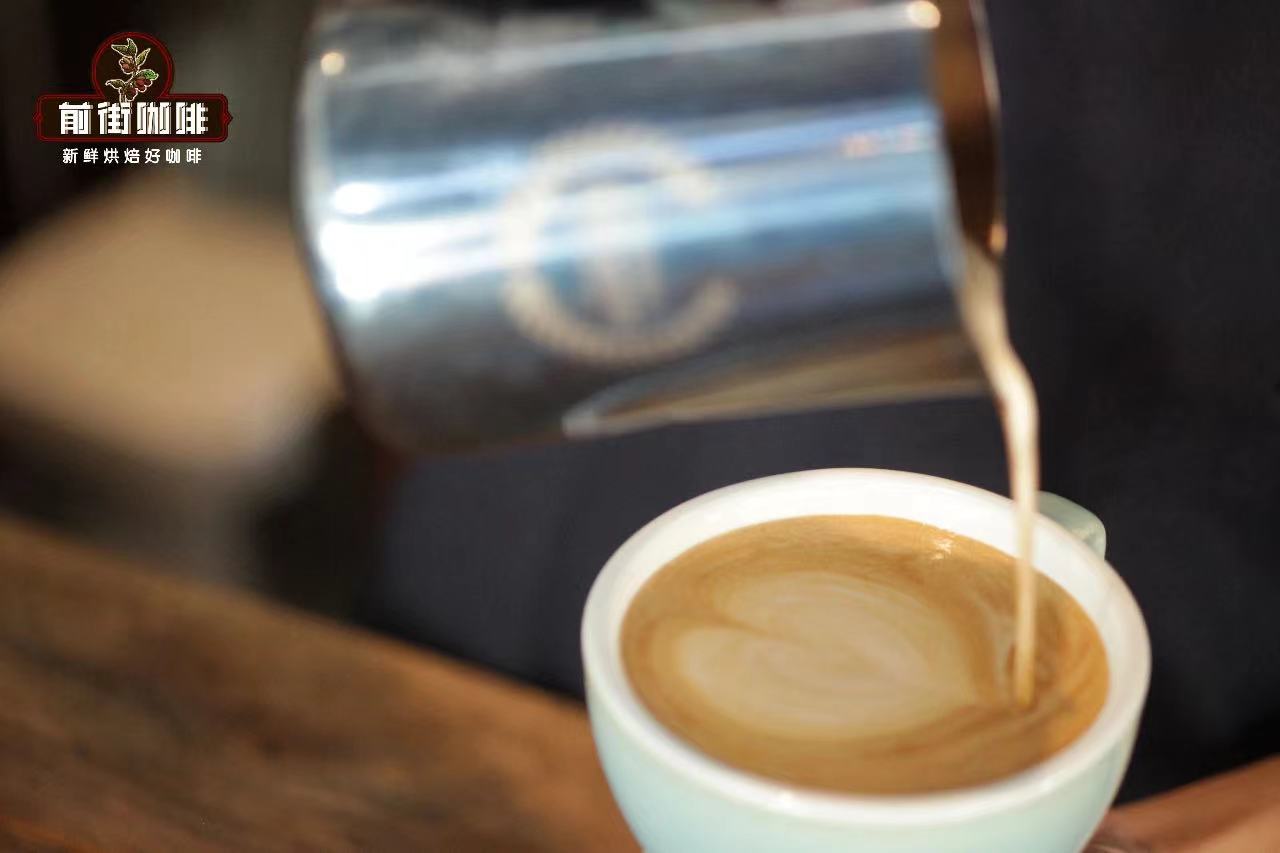
As for latte art techniques, basic patterns can also be created in Americano. The method is to mix two shots of espresso with an appropriate amount of ice water and aerate (ratio about 1:1), creating a fine foam layer through rapid stirring. Key points: ① keep the foam thickness at 0.5–1 cm ② shake well before pouring art to eliminate large bubbles ③ maintain a steady rotation when integrating. Note, however, that Americano is quite fluid, so simple leaf or heart patterns are recommended.

From the perspective of flavor development, freshly extracted Americano has more pronounced acidity; it is recommended to let it rest for 3–5 minutes until the temperature drops to 60–65°C before drinking, when sweetness and body reach their best balance. For storage, unsweetened Americano is best consumed within 15 minutes to avoid flavor degradation from oxidation. If you need to extend drinking time, add a small amount of milk or plant-based milk to slow down spoilage.
In summary, the keys to brewing a quality Americano are: carefully selecting suitable beans (medium-roast blends recommended), precisely controlling the coffee-to-water ratio (experiment to determine your preferred range), and following a standardized extraction process (stable pressure and water temperature). Through systematic practice, even home equipment can produce Americano comparable to café quality.