Pour-Over Coffee Grind Size Guide: How Particle Size Affects Extraction and Flavor
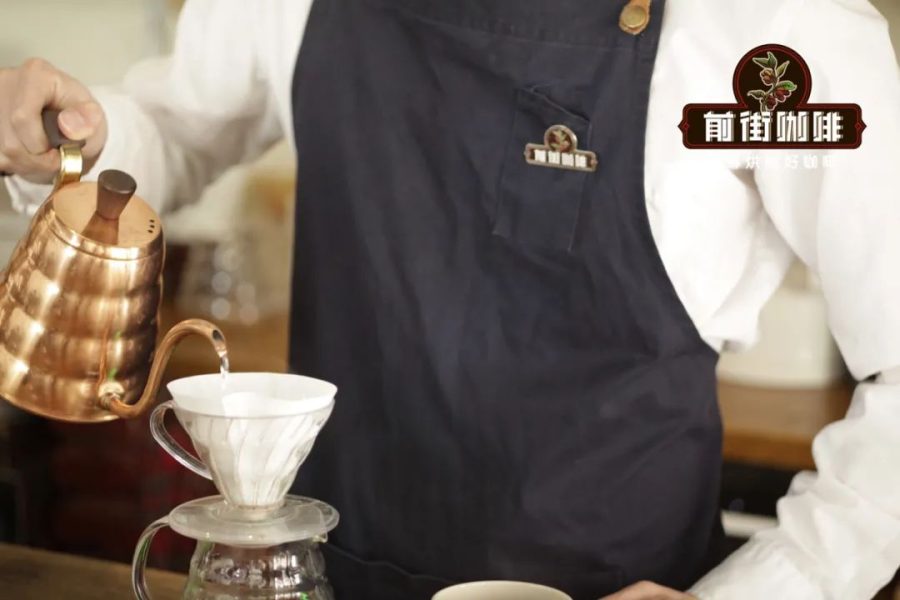
Introduction: Grind size is one of the key variables in pour-over coffee, directly affecting extraction efficiency and flavor expression. This article starts with everyday analogies to help you understand the taste differences brought by different grind sizes, and through linked adjustments of water temperature, coffee-to-water ratio, blooming, and other parameters, helps you find the best grind setting for your own taste. Whether you are a beginner or a coffee enthusiast with some experience, you can gain practical adjustment techniques and flavor optimization suggestions from it.
The grind size of coffee beans is a fundamental factor affecting the flavor and extraction efficiency of pour-over coffee. Different grind sizes determine the speed at which water passes through the coffee bed, the contact area, and ultimately the extraction yield. For beginners just getting into pour-over, understanding and mastering how to adjust grind size is an important step toward consistent results.
A simple everyday method is to use common sugar granules as a reference. For example, the particle size of fine granulated sugar usually corresponds to a moderately medium grind, suitable for most pour-over scenarios. You can set the initial grind for pour-over coffee between fine granulated sugar and coarse granulated sugar; this is a starting point suitable for most light to medium roast coffee beans.
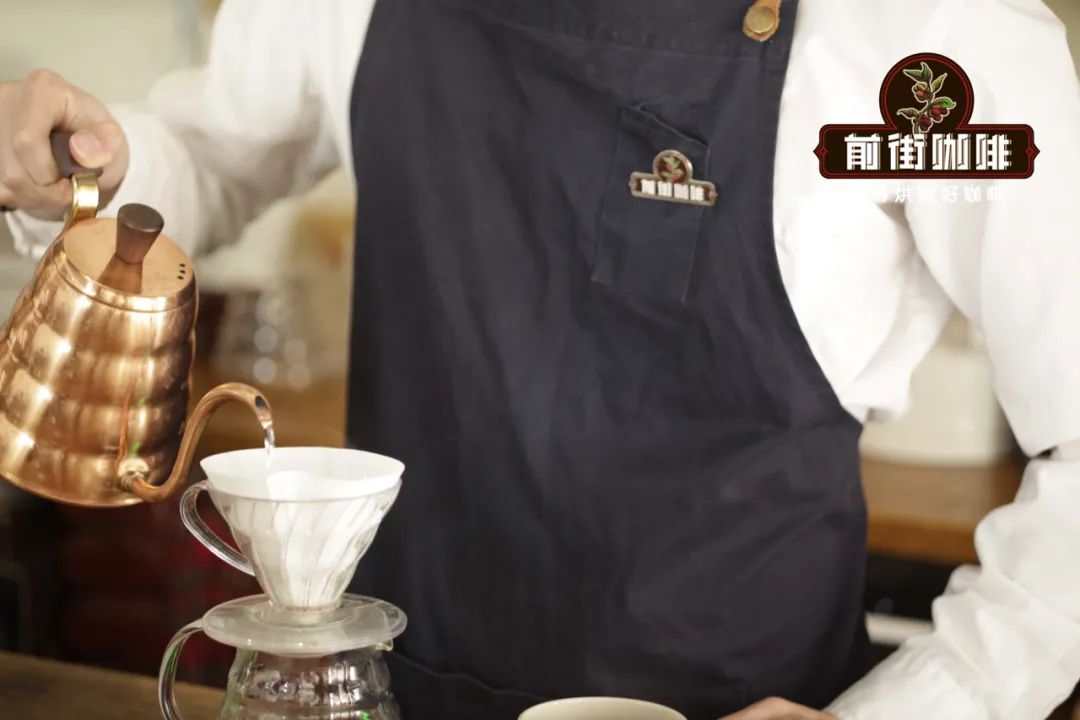
If the coffee you brew tastes too intense, heavy, or even has a noticeable bitterness, the grind may be too fine, causing over-extraction. In this case, try making the grind coarser, close to the particle feel of coarse granulated sugar, or even a bit coarser. Conversely, if the coffee tastes thin, lacks layers, or the water flows too fast causing under-extraction, you should make the grind finer, moving toward the fineness of fine granulated sugar.
While adjusting grind size, do not overlook the "blooming" step. Blooming is an important part of pour-over coffee; it not only wakes up the coffee grounds but also lays a good foundation for subsequent extraction. Generally, **a coffee-to-water ratio of 1:15, using about 30 grams of water for a bloom of about 30 seconds** is a fairly common parameter. Observe the water penetration during blooming—when the coffee bed absorbs water, expands, and forms fine cracks, and the water flow gradually changes from a stream to drips, it often means the bed structure is good and the grind and pouring state are well matched.
Besides grind and blooming, water temperature is also an important factor affecting extraction results. For light to medium roast coffee beans, a water temperature of 90°C to 95°C is recommended, which helps fully extract acidity and fruit flavors, bringing a brighter and livelier cup. For dark roast coffee beans, a water temperature of 87°C to 88°C is recommended to avoid over-extraction that causes obvious burnt bitterness or astringency in the finish.
In practice, it is recommended to keep other variables fixed (such as coffee-to-water ratio, water temperature, and time) and adjust only the grind size through multiple attempts, thereby finding the "sweet spot" that best suits your personal taste preference. For example, when you find the coffee flavor too sharp or sour and astringent, try making the grind half a step coarser; if the taste is too thin and lacks aroma, try half a step finer, adjusting gradually until you reach the ideal flavor balance.
It is worth noting that different coffee bean roast levels also have different grind size needs. Light roast coffee beans, because their structure is relatively dense, usually need a slightly finer grind to help fully release flavor; medium roast beans are relatively balanced and a medium grind is sufficient; and dark roast beans, because their texture is looser, are prone to over-extraction, so a coarser grind is recommended. This article mainly uses light roast coffee as an example to discuss its applicable grind and extraction parameters.
In summary, there is no absolute standard for pour-over coffee grind size; it needs to be dynamically adjusted based on bean variety, roast level, brewing equipment, and personal preference. By observing bloom performance, adjusting water temperature and coffee-to-water ratio, and gradually fine-tuning grind size, you will be able to control the flavor expression of each cup of pour-over coffee more accurately and enjoy a more precise and pleasant coffee experience.


