Yirgacheffe Pour-Over Guide: Drinking, Brewing and Tasting Etiquette
Introduction: Yirgacheffe, a classic representative of Ethiopian coffee regions, is known for its distinctive citrus notes and floral aroma. This article explains in detail the pour-over parameter settings for these specialty coffee beans, the etiquette standards for drinking, and key techniques from grind size selection to water temperature control, helping coffee enthusiasts fully bring out Yirgacheffe's bright fruit acidity and layers, while also mastering the details of tasting on formal occasions.
In the specialty coffee world, Yirgacheffe has always held a special place. This region, located at an altitude of 1,700–2,100 meters in southern Ethiopia, produces coffee beans that generally have vivid citrus, jasmine and black tea finish notes, with a lively acidity that is never sharp. For beginners encountering these high-altitude light-roast beans for the first time, mastering the correct brewing method and drinking etiquette is especially important.
The way you hold professional coffee cups directly affects the drinking experience.A standard pour-over cup usually has a handle on one side; the correct method is to naturally grip the handle with the thumb and the second joint of the index finger, while the remaining fingers rest lightly against the bottom of the cup for support. Avoid threading your fingertips through a small handle (common on espresso cups); this posture not only increases the risk of tipping the cup but also looks unsteady. If using a wide-mouthed mug, it is recommended to hold the base with both hands to keep it stable.
Yirgacheffe's flavor layers are extremely sensitive to additives. If you need to adjust sweetness, fine granulated sugar is recommended over sugar cubes—the latter dissolve slowly and tend to leave a grainy texture. In modern pour-over settings, individually packaged trehalose or brown sugar packets are more convenient; add no more than half a packet per 150 ml of coffee. Pay special attention: when stirring, always use a dedicated coffee spoon and lightly trace a "Z" shape along the cup wall; never use a metal spoon to scoop the liquid directly into your mouth, as this causes a sudden temperature change that disrupts the flavor structure.
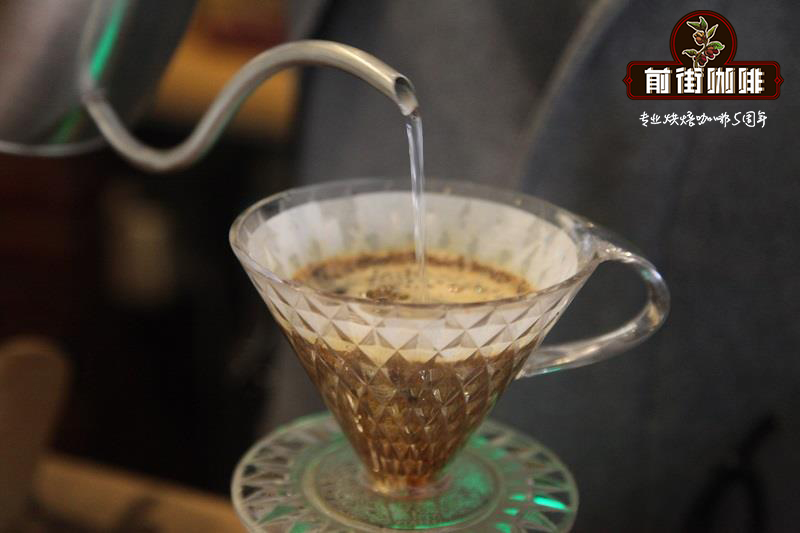
Recommended core parameters for brewing Yirgacheffe: use a medium-fine grind (similar to the texture of fine granulated sugar), with a coffee-to-water ratio between 1:15 and 1:16. Use 90–92°C as the baseline water temperature; if the beans are very fresh, you can lower it appropriately to 88°C to highlight the floral and fruity notes. The staged pouring method works best—first pour 30 ml of hot water and let it bloom for 30 seconds to awaken the coffee grounds, then slowly pour in a circular motion to 125 ml, wait 20 seconds, and complete the remaining pour. The whole process should ideally finish within 2 minutes 30 seconds; too long an extraction time will turn citric acid into astringent tannic acid.
Details in tasting etiquette that are easily overlooked include: wait for the coffee to cool to 65–70°C before sipping (high temperatures numb the taste buds); if you need to cool it quickly, lightly touch the cup wall with the back of a coffee spoon to speed up heat dissipation. When pairing with snacks, follow the principle of "sweet first, bitter later," and it is recommended to alternate tastings with a 2–3 minute interval. Special note: Yirgacheffe's bright acidity pairs wonderfully with nut-based desserts such as cheesecake and almond cookies, but avoid pairing with heavily flavored chocolate desserts, which would mask the flavor layers.
When hosting coffee guests at home, it is recommended to prepare three basic options in advance: plain, a single serving of fresh milk (about 5 ml per cup), and a tiny amount of sea salt (the amount pinched between two fingertips). Yirgacheffe itself has prominent sweetness, and excessive syrup additions will instead upset the balance. The small trick of keeping cool boiled water on hand, common among professional baristas, also applies—drinking room-temperature purified water between sips lets you perceive the trajectory of each flavor change more clearly.
Finally, note that Yirgacheffe has strict freshness requirements. The best drinking window is within 7–21 days after roasting; store in an aluminum foil bag with a one-way degassing valve, avoiding direct sunlight and humid environments. Make sure it is completely sealed after each use; if the aroma turns woody or develops a flat caramel note, the beans have entered their decline phase.


