Espresso Bean Buying Guide and Extraction Tips: 5 Flavor Profiles from Blends to Single Origins

Introduction: The flavor expression of espresso is closely tied to the roast level of the coffee beans, the blend ratio and the extraction parameters. This article takes an in-depth look at the core characteristics of medium-dark roasted espresso beans, compares five classic blend combinations with different flavor profiles, covering crema performance, sweetness balance and suitable applications, and provides professional extraction plans to help you choose the right coffee beans for your needs and optimize your preparation process.
The distinctive flavor of espresso comes from its unique roasting process and extraction method. Typically, coffee beans used to make espresso are roasted in the medium to medium-dark range, and some specialty blends may even use medium-dark roasting. This roast level not only promotes the abundant production of crema but also ensures the coffee's base flavor is rich enough not to be diluted when combined with milk. Even for single-origin SOE (single origin espresso) beans, when used on espresso machines, roasters tend to deepen the roast moderately to enhance their expressiveness and complexity under high-pressure extraction.
Because espresso is consumed in large volumes in coffee shops, these beans are usually sold in large packages, such as 1-pound or 1-kilogram sizes, at more affordable prices than small-package single-origin beans. Next, we will introduce five representative espresso bean blend combinations, covering different flavor orientations and applications, to help you understand the logic of choosing espresso beans more comprehensively.
The first is the classic espresso blend, typically combining coffee beans from South America and Southeast Asia. This blend uses Brazilian beans as a base, paired with beans from Indonesia or Vietnam, to form a balanced foundation. In terms of flavor, these beans often show pronounced caramel sweetness, accompanied by a mellow finish of nuts and dark chocolate, with rich and smooth crema, suitable for making all kinds of classic espressos and milk coffee drinks. The roast level is generally medium-dark, ensuring stable aroma and body are released during high-pressure extraction.
The second formula leans toward a medium-roast specialty blend, often using a combination of Colombian and Brazilian coffee beans. Beans from the Colombian region contribute moderate acidity and fresh herbal notes, while Brazilian beans bring smooth bittersweetness and a solid mouthfeel. The flavor characteristics of this blend are smooth on the palate, with balanced acidity and bitterness, a slight grassy aroma and a lasting sweet aftertaste, suitable for coffee shops seeking stable daily output, especially when making lattes or cappuccinos, where it shows good milk integration.

The third is a typical commercial-grade blend, usually containing Colombia, Brazil and a certain proportion of Robusta beans. The addition of Robusta significantly increases the coffee's crema content and intensity, making it suitable for high-volume coffee shops or beverage stores. In terms of flavor, this blend is dominated by caramel sweetness, accompanied by a rich base of nuts and dark chocolate, with balanced acidity and sweetness and a lasting finish. Although Robusta may bring a slightly rough mouthfeel, in a reasonable ratio it can effectively enhance the overall body and consistency of the coffee.
The fourth formula focuses on the combination of soft fruit acidity and mellow sweetness, often using Yunnan or similarly flavored coffee beans blended with Brazilian beans. Coffee beans from the high-altitude Yunnan region have mellow aromatic characteristics similar to Colombia, with moderate acidity and natural fruit aromas, complementing the bittersweetness of Brazilian beans. The flavor of this blend centers on caramel sweetness, with nut and dark chocolate flavors throughout, a smooth and syrupy mouthfeel, but the overall expression is relatively mild, suitable for scenarios with lower requirements for flavor intensity, such as bakeries or home use. Its crema performance is good, suitable for making basic espresso.

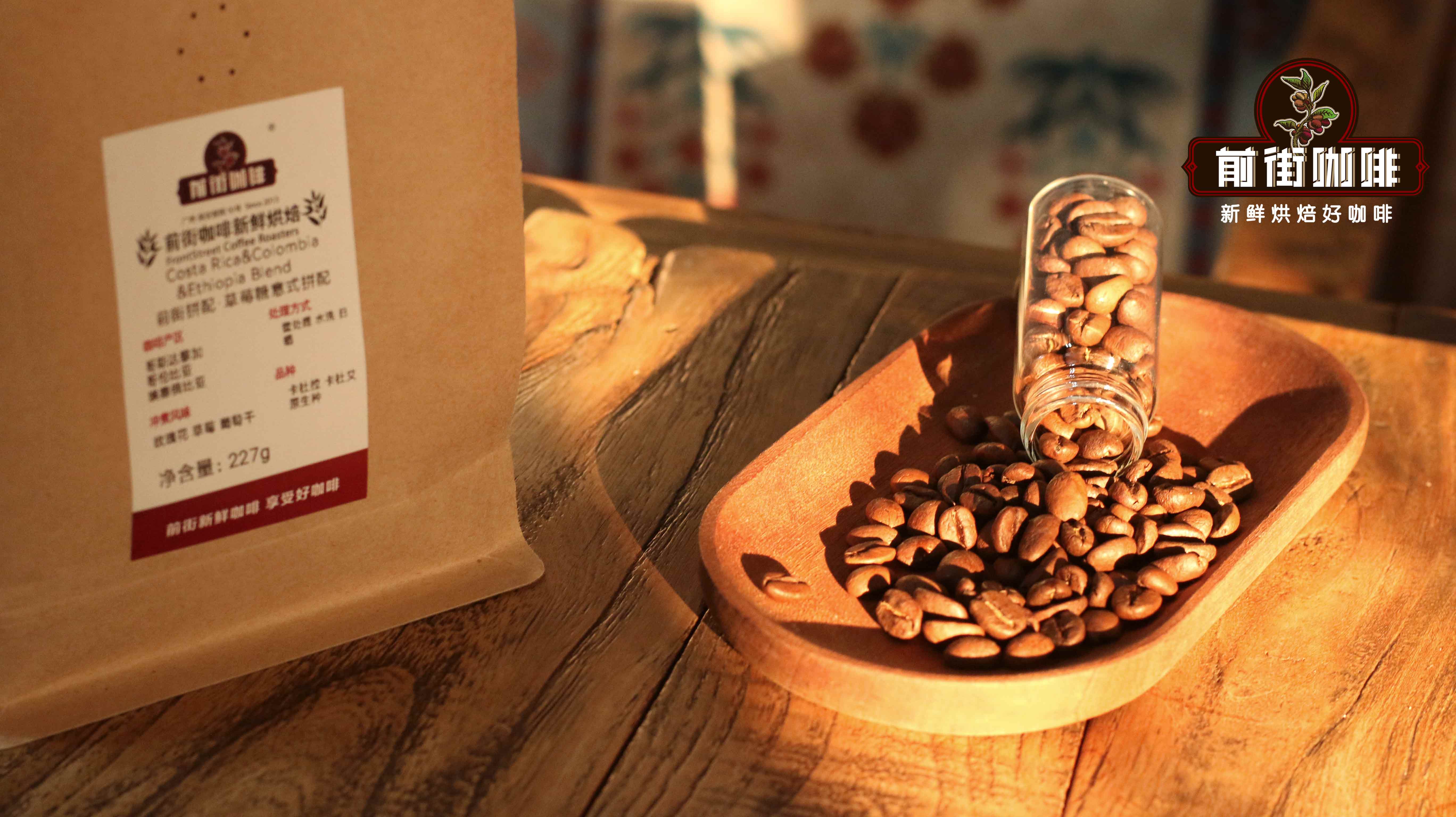
The fifth formula is more innovative, presenting a unique sweet-and-sour balance through a combination of honey-processed Costa Rican beans, Ethiopian beans and Colombian beans. The honey processing gives the coffee beans brighter fruit acidity and syrupy sweetness, while the addition of Ethiopian beans introduces floral and citrus notes. During extraction, this blend produces fine crema and a dense mouthfeel, with a flavor reminiscent of the sweet-and-sour interplay of strawberry gummy candy, suitable for coffee shops pursuing individualized flavors. Note that this type of blend is more sensitive to extraction parameters (such as grind size and pressure), and it is recommended to optimize the extraction plan through small-batch testing.
When extracting espresso, the key parameters include grind size (usually medium-fine to extra-fine), dose-to-yield ratio (generally 1:2 to 1:3), extraction time (25-30 seconds) and pressure (9 bar). It is recommended to fine-tune the grind size according to the roast level and blend characteristics of the coffee beans; for example, medium-dark roasted beans can be ground slightly coarser to avoid bitterness caused by over-extraction. In addition, regularly cleaning the espresso machine and grinder is a key step to maintaining crema quality and flavor purity.

In summary, choosing espresso beans requires comprehensive consideration of roast level, blend ratio and application scenario. Whether pursuing a classic, full-bodied commercial blend or trying an innovative combination with bright fruit acidity, understanding flavor characteristics and extraction logic will help you better realize the potential of the coffee beans. By adjusting parameters and optimizing the process, even a basic formula can deliver satisfying flavor performance.

For home users or small coffee shops, it is recommended to prioritize blend options with high cost-effectiveness and stable flavor, such as the classic combination based mainly on Brazilian and Southeast Asian beans. For stores that focus on flavor complexity, you can try introducing blends with single origins or special processing methods, showcasing the unique personality of the coffee through precise extraction techniques. Whichever choice you make, high-quality coffee beans and the correct preparation process are always the core of delicious espresso.