Espresso Blend Guide: Ratio Tips and Flavor Pairing Explained

Introduction: The flavor performance of espresso depends heavily on coffee bean blending strategy. This article explains in detail the core role of espresso blends, blending methods (pre-roast blend/post-roast blend), the logic of ratio design, and how to balance acidity, sweetness, bitterness, and body through scientific proportions to create a stable coffee base. It also analyzes the impact of blending on extraction parameters, helping you master the key points of the entire process from bean selection to extraction.
Espresso has extremely strict quality requirements for coffee beans. Because espresso machines extract at 9 atmospheres of pressure, the flavor substances in the beans are significantly amplified—high-quality flavors become more prominent, and defects are also reinforced. If the resting period is insufficient, residual carbon dioxide in the cell walls of the beans will cause uneven extraction: when hot water contacts the puck, the carbon dioxide expands with heat and creates high resistance, so water flows only through the edge of the portafilter basket, causing an imbalance in the first and middle stages of extraction. The crema that finally forms is mostly made up of large bubbles and dissipates very quickly, while the later stage produces a burnt bitter taste because the puck is overheated.
Most coffee beans have flavor shortcomings—either thin layers, lack of depth, or a certain type of flavor (such as fruity acidity/bitterness) that is too sharp. By scientifically blending beans with different characteristics, shortcomings can be complemented and strengths merged, ultimately presenting a harmonious and layered espresso base. There are mainly two blending methods: pre-roast blending (mixing green beans before roasting) and post-roast blending (mixing roasted beans after roasting). The former is more conducive to uniform development, while the latter makes it easier to adjust the formula flexibly.
The core value of blending is reflected in three dimensions: cost control (reasonably combining bean sources of different grades), flavor stability (offsetting differences between single batches through combinations of beans from multiple regions), and flavor innovation (combining complex tastes that a single origin cannot achieve). For example, adding Brazilian beans can improve body, and pairing high-sweetness beans with high-acidity beans can achieve a balance of acidity and sweetness.
Blending requires a full understanding of the flavor characteristics of beans from each region: Ethiopian beans often have bright fruity acidity and floral/fruity aromas; washed versions have a refreshing taste, while natural versions have a rich and complex flavor. Central and South American beans are generally full-bodied and balanced, suitable for laying the foundational structure; Asian beans (such as Indonesian) have prominent body but may carry woody notes. Professional blenders combine beans from different origins, processing methods, and roast levels in proportion according to the target flavor (such as a nutty-chocolate profile or a fruity-creamy feel).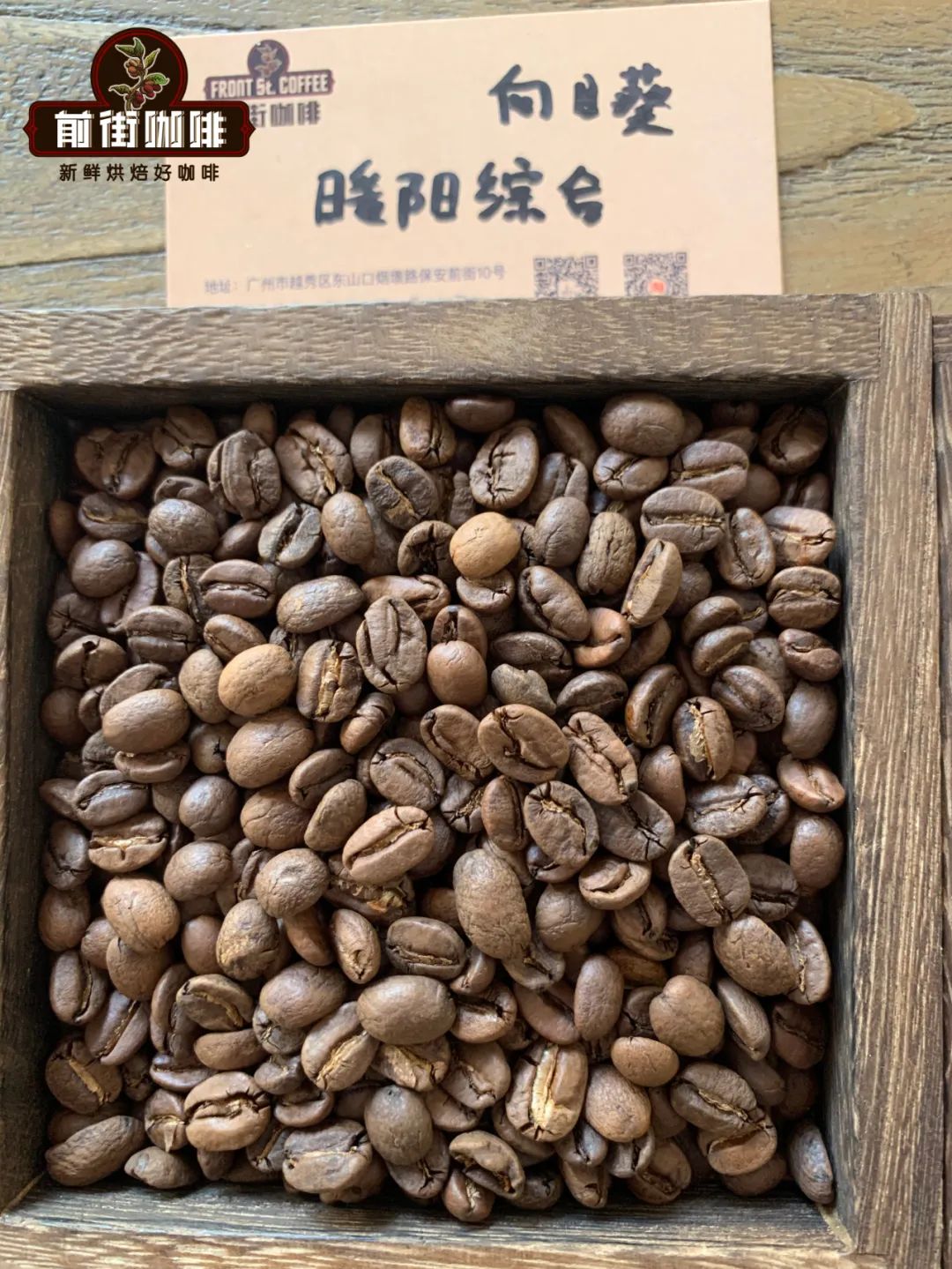
For actual blending cases, you can refer to classic formula logic: 60% Honduran sherry-barrel beans (providing caramel sweetness and a full body) paired with 40% Ethiopian natural Yirgacheffe (contributing citrus-like fruity acidity and floral aroma). This type of ratio ensures the rich base of the espresso while enhancing the overall layering through acidity.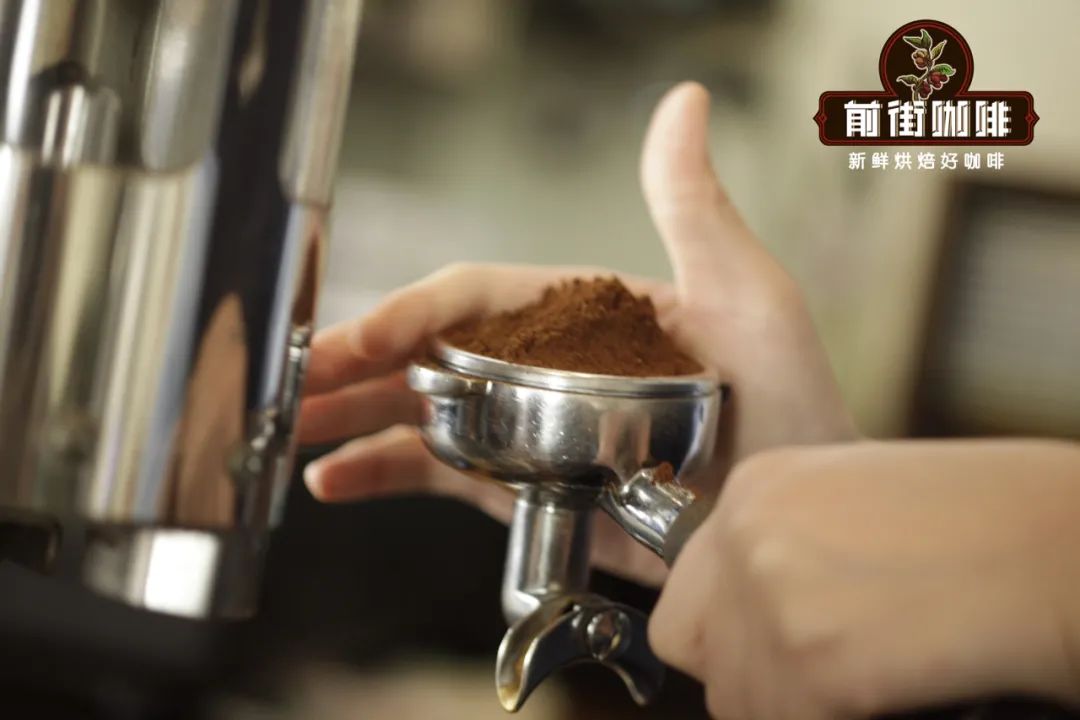 Note that after blending, the resting period usually needs to be extended to 10-14 days, and only after the carbon dioxide has been fully released and the flavors have integrated can the best extraction effect be shown.


