How Espresso Crema Forms and How to Choose the Best Beans

Introduction: The layer of crema on the surface of espresso is not only a visual pleasure but also an important reflection of flavor and extraction quality. This article analyzes in depth the key factors affecting crema formation, including coffee bean freshness, roast level, and extraction pressure, and guides you on how to choose suitable coffee bean types according to different needs, helping coffee enthusiasts make high-quality espresso with rich crema and balanced flavor at home.
Espresso is known for its rich taste and unique surface layer of crema, a golden-brown foam. Many coffee enthusiasts consider crema the soul of espresso; its presence not only enhances the visual experience but also directly affects the overall flavor and texture of the coffee. So how exactly does this layer of crema form? And what factors influence its condition?
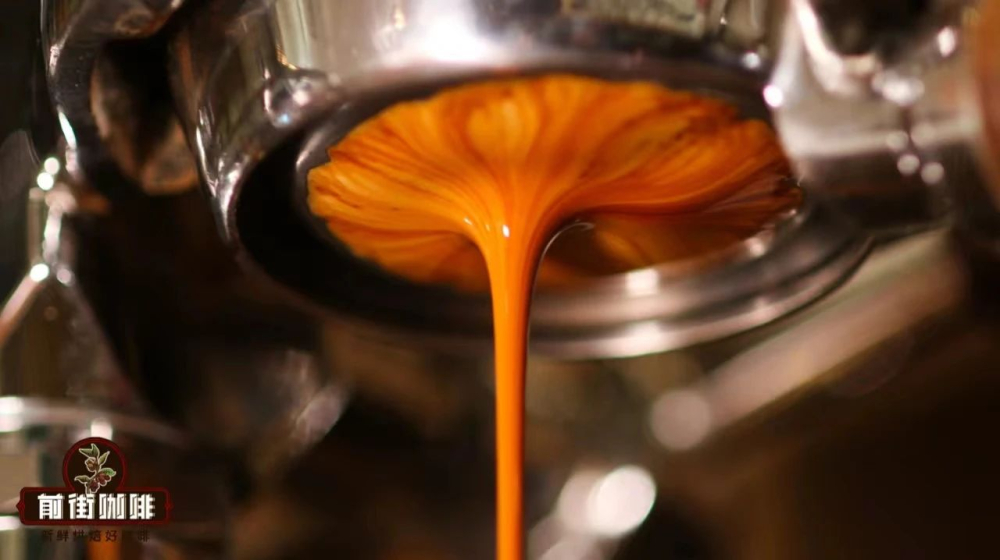
Crema is mainly produced during high-pressure extraction. When hot water passes through finely ground coffee at a high pressure of about 9 atmospheres, it dissolves a large amount of carbon dioxide produced during roasting. Dark-roasted coffee beans, in particular, accumulate more gas inside due to the longer roasting time. When the high-pressure coffee liquid flows into the cup, the pressure drops sharply, and this carbon dioxide is released as tiny bubbles, wrapped by the oils and colloids in the coffee, thus forming a fine, dense foam layer.

An ideal shot of espresso usually has a crema layer occupying about one-third of the entire coffee surface, bright golden in color, smooth and evenly distributed, without obvious large bubbles. To achieve this crema effect, you need to start from multiple aspects such as coffee bean selection, freshness control, and extraction parameter adjustment.
1. Coffee bean freshness is the foundation
Freshly roasted coffee beans are the primary condition for obtaining high-quality crema. After roasting, coffee beans continue to release carbon dioxide, a process that usually lasts from several days to two weeks. If the beans are stored for too long, not only does the aroma dissipate, but the internal gas also decreases significantly, making it difficult to form rich crema during extraction. It is generally recommended to use coffee beans within 10 days after roasting to ensure the best flavor and extraction performance.
In addition, how the coffee beans are stored is also important. Coffee beans should be kept in a dark, sealed, dry environment, avoiding high temperatures and humidity, to slow the loss of aroma and the oxidation process. If conditions permit, choose coffee beans that are roasted and ground fresh to preserve their activity and flavor potential to the greatest extent.
2. Coffee bean types suitable for extracting crema
Not all coffee beans are suitable for making espresso with rich crema. Generally, dark-roasted coffee beans are more likely to produce thick crema because they contain more gas and oils. As for coffee bean varieties, although Arabica beans have more delicate flavor and bright acidity, their natural oil content and gas volume are usually lower than those of Robusta beans. Therefore, many espresso recipes blend in a certain proportion of Robusta beans to enhance crema performance and overall body.
From a flavor perspective, high-quality espresso usually has complex aromas such as nuts, caramel, chocolate, and cream, and these flavors often complement the dark roasting process and the proper crema layer.
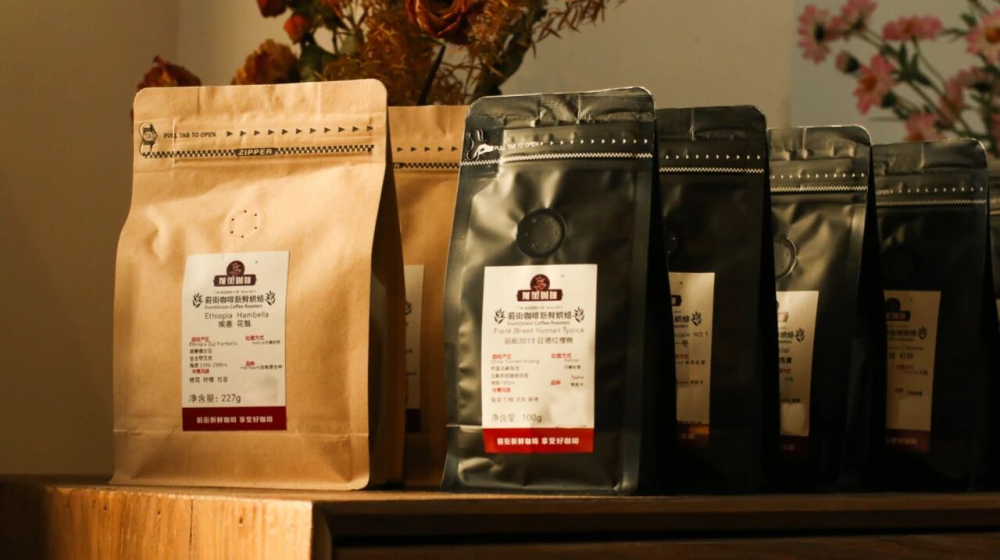
3. Recommended coffee beans with different characteristics
According to personal taste preferences, you can choose coffee bean combinations with different flavors to adjust the performance of espresso:
1. **Rich crema type**: Choose blended beans including producing regions of Indonesia, Brazil, and Vietnam. This combination often brings aromas of nuts, dark chocolate, and caramel, with a thick crema layer and full body.
2. **Full-bodied and balanced type**: Blend Robusta with Colombian and Brazilian beans, emphasizing a full-bodied taste and stable crema performance, suitable for people who like a strong coffee experience.
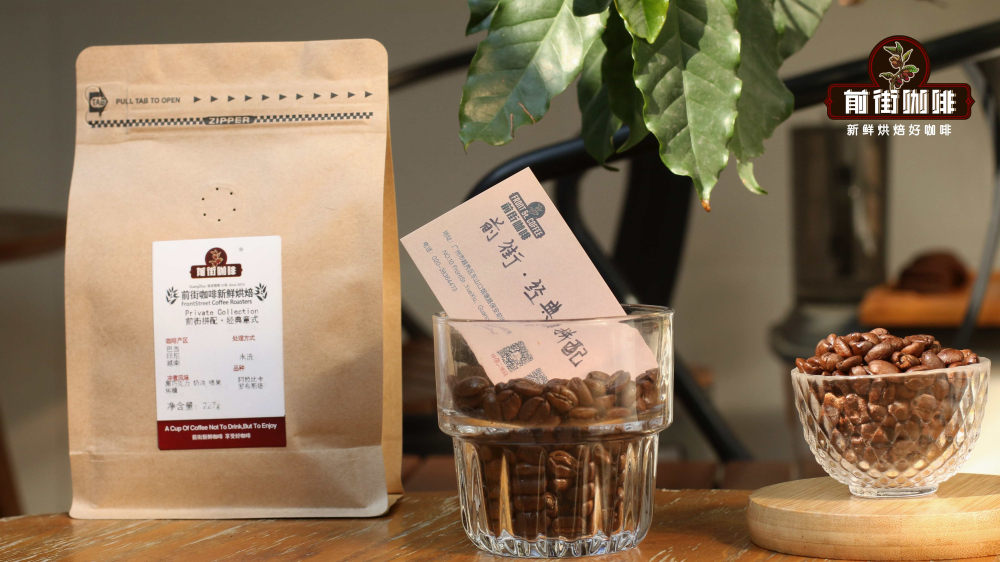
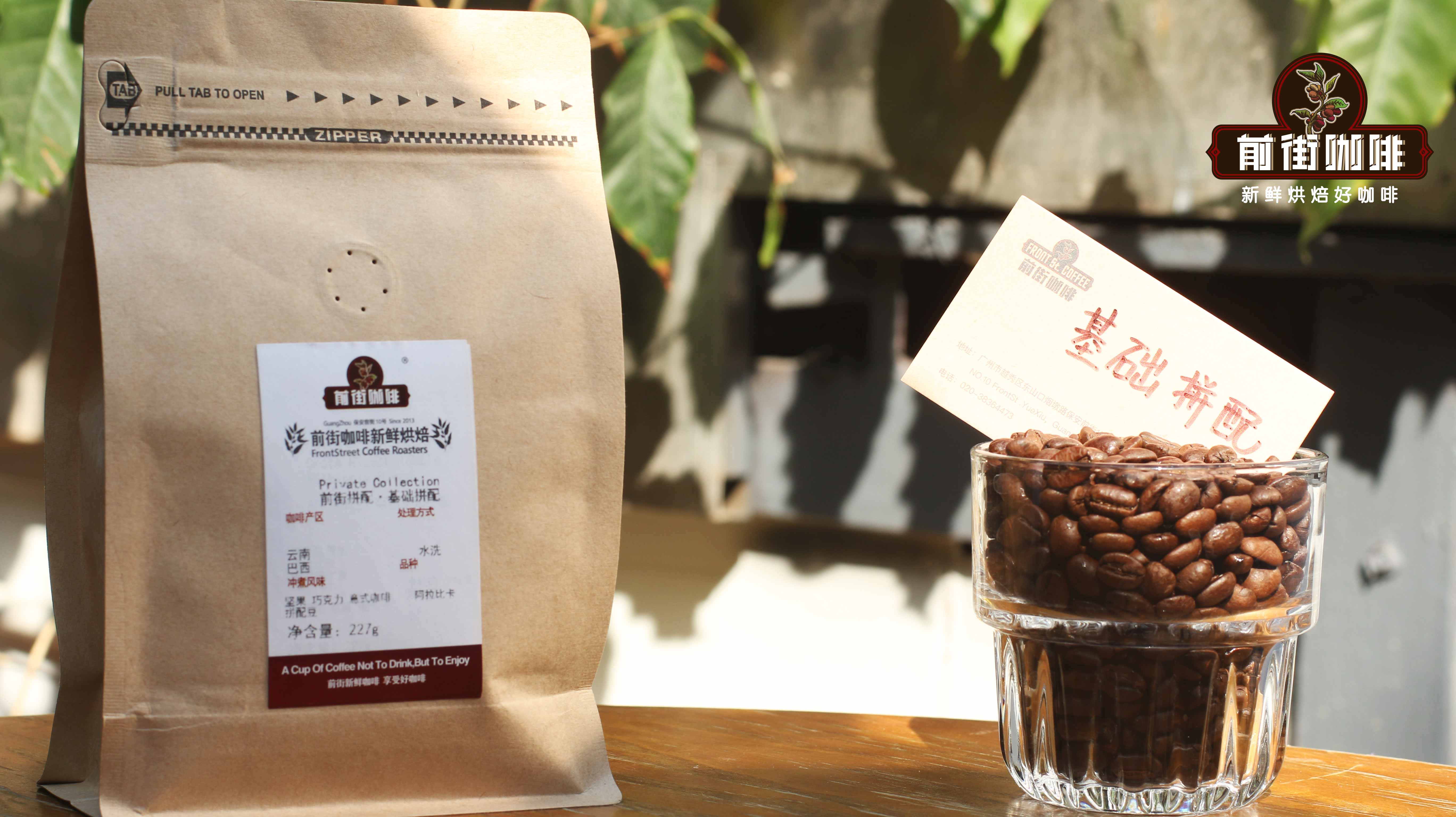
3. **Slightly acidic and balanced type**: Combine coffee beans from Yunnan and Brazil producing regions, bringing soft fruit acidity and caramel-nut flavors, with an overall fresher taste and distinct layers.
4. **Nutty and creamy type**: Use a blend of Brazil and Colombia, highlighting the aromas of nuts and dark chocolate, suitable for making lattes or Americanos, with moderate crema performance and high milk flavor integration.


4. The influence of extraction pressure and equipment
Even if you choose fresh and suitable dark-roasted coffee beans, it is difficult to form an ideal crema layer if the extraction equipment has insufficient pressure. Crema is essentially a product of a high-pressure environment. The pressure of a typical home espresso machine is around 9 bar, which is the key to forming high-quality crema. If your home equipment has insufficient pressure, it is recommended to check the machine's performance or consider upgrading to a professional commercial espresso machine.
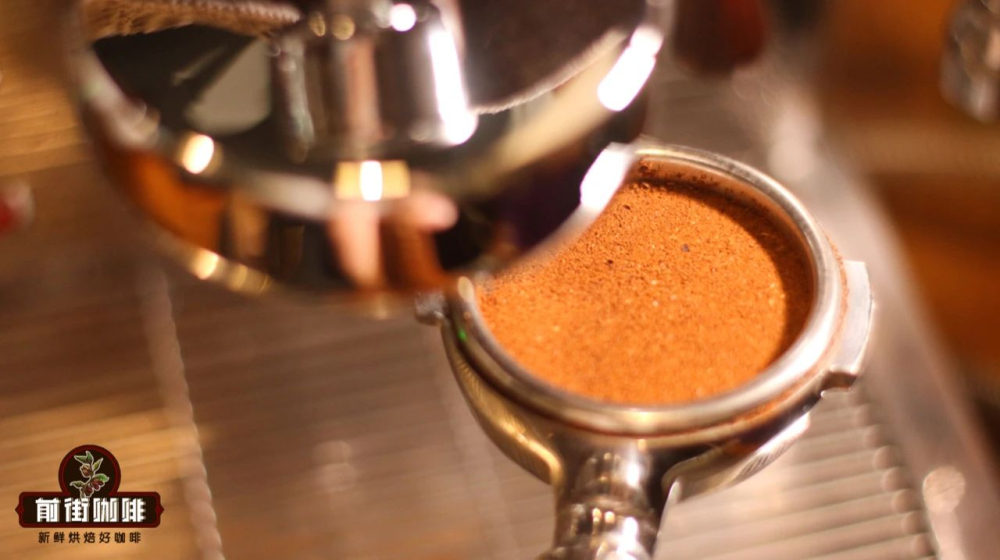
In addition, parameters such as grind size, tamping force, and extraction time also affect crema formation. It is generally recommended to use a fine grind, maintain even density when tamping, and control the extraction time between 25 and 30 seconds to obtain a balanced flow rate and full crema performance.

In short, to make espresso with rich crema and outstanding flavor at home, you need comprehensive control from coffee bean freshness, roast level, and blend selection to the performance and parameter settings of the extraction equipment. Through continuous experimentation and adjustment, you too can find the perfect shot of espresso that best suits your taste.


