Can Espresso Beans Be Used for Pour-Over? How to Choose Pour-Over Beans with Brewing Parameters
Introduction: Can espresso beans be used for pour-over? The answer is yes, but the flavor differs clearly from purpose-built beans. This article explains the core differences between espresso and pour-over beans, analyzes how roast level affects flavor, and provides optimized pour-over parameters for dark-roasted beans. It also reveals the design approach behind a blend intended for both pour-over and espresso extraction, with practical parameters for a three-stage brew, to help you find the flavor balance that suits you.
Many coffee lovers often ask: are espresso beans suitable for pour-over? The core of the question is not feasibility but flavor expression—espresso beans are designed for high-pressure espresso extraction, and if used for pour-over, the parameters need adjusting to achieve an ideal cup.

By definition, espresso beans are roasted beans designed specifically for espresso machines, including single-origin and blended beans. Their biggest difference from pour-over beans is the roast level: usually, the same green beans are roasted darker for espresso use. For example, dark-roasted espresso beans undergo caramelization, producing pronounced caramel, nut and chocolate notes, and such flavors may seem too intense in a pour-over.
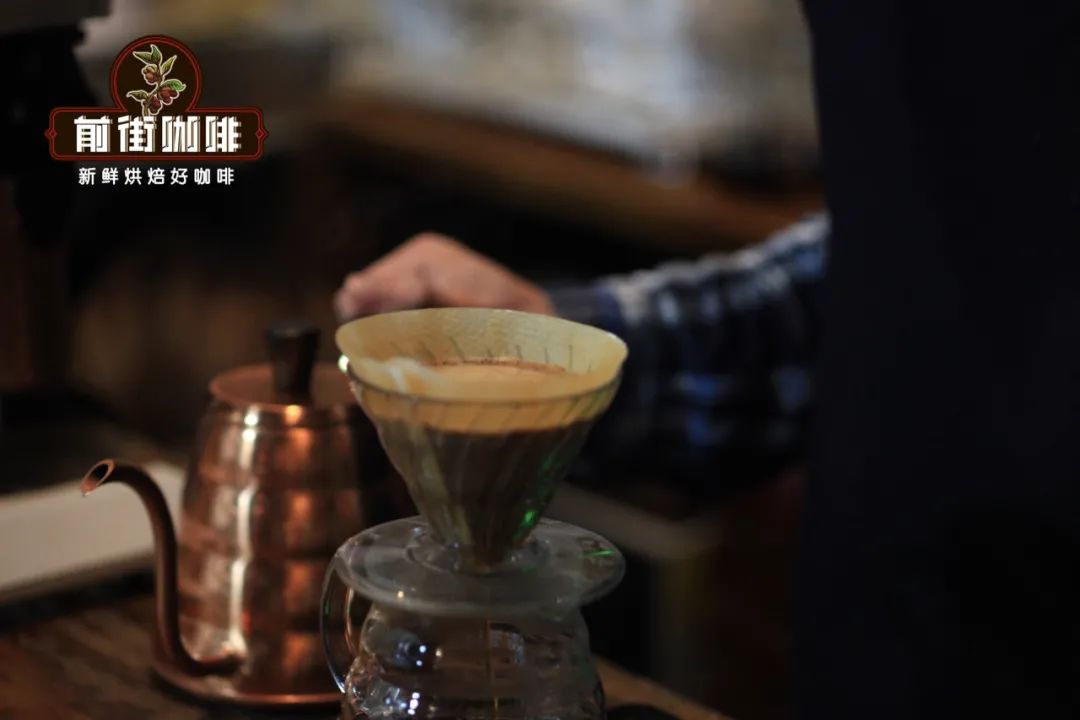
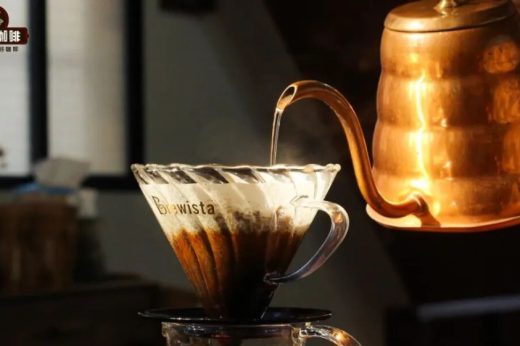
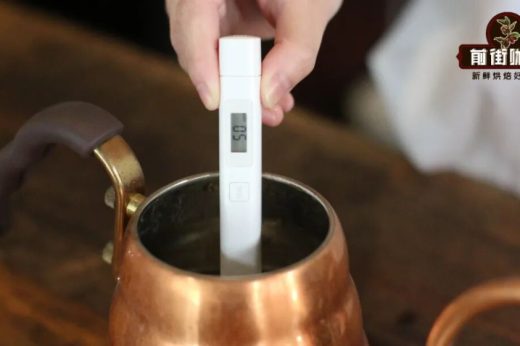
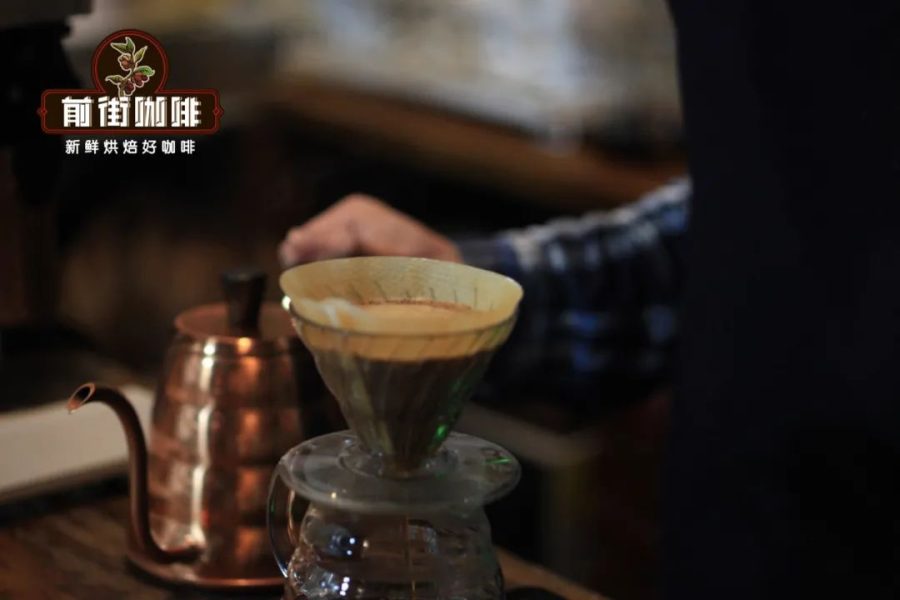
Take a classic espresso blend (a mix of Brazilian and Colombian beans) as an example: in espresso extraction it shows a full-bodied nut and chocolate flavor, with a dark roast level. If brewed as pour-over (parameters: 15 g coffee, 1:15 coffee-to-water ratio, medium-coarse grind / 65% passing a No. 20 sieve, water temperature 87°C), following a three-stage process—first stage 30 g water for a 30-second bloom, second stage circular pouring to 125 g (when the water level drops to 1/2), third stage continuing to 225 g—the final brew shows a clean, full-bodied character similar to Americano, with prominent caramel and nut flavors but a noticeable bitter, burnt finish. By adjusting the grind finer to coarser (55% passing a No. 20 sieve), the burnt taste can be reduced, but the overall flavor layers remain relatively simple, slightly thin compared with purpose-built pour-over beans.
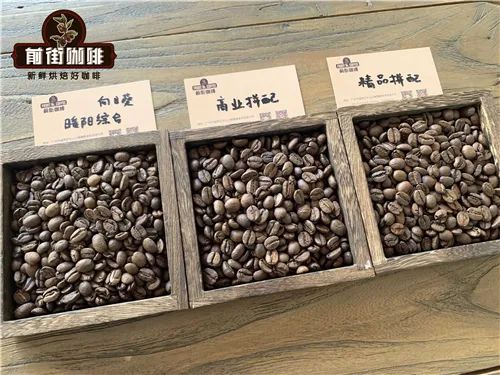
Why are espresso beans not suitable for direct pour-over? The key lies in the roaster's recipe goals: espresso roasting focuses on flavor release under high temperature and pressure, not the delicate layers a pour-over requires. Although dark roasting can highlight caramelized compounds, it may mask the beans' original regional flavor characteristics.
Are there beans that serve both purposes? The answer is yes. The design process of an experimental blend is quite instructive: to balance the bright fruit acidity of pour-over with the full-bodied base of espresso, beans with barrel-fermented processing (such as Sherry barrel-fermented beans) and beans with natural processing (such as Red Cherry natural beans) were selected and blended at a 6:4 ratio. Cupping showed that the beans have a soft fruit acidity on entry, a prominent sweetness in the finish, interwoven chocolate, vanilla and cream aromas, while retaining the complexity of wine-like notes and tropical fruit; the mouthfeel is clean and smooth with moderate body.
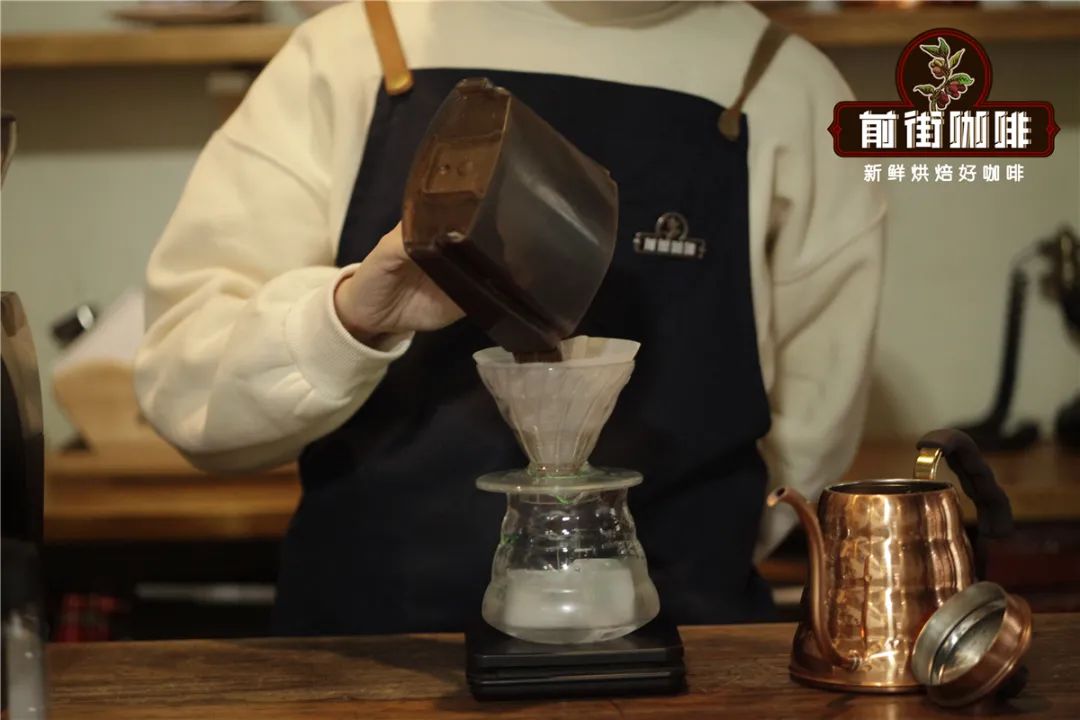
For such dual-purpose blends, the recommended pour-over parameters are: 15 g coffee, 1:15 coffee-to-water ratio, medium-fine grind (80% passing a No. 20 sieve), water temperature 88°C, following the three-stage process—first stage 30 g water for a bloom to release aroma, second stage circular pouring to 125 g to control flow rate, third stage continuing to 225 g to complete extraction. These parameters effectively balance fruit acidity and sweetness, avoiding the bitterness caused by over-extraction.
For ordinary consumers, choosing pour-over beans can focus on the following dimensions: prioritize light-to-medium roasted single-origin beans (such as Ethiopian washed beans with prominent citrus notes, or Colombian medium roast with a balanced nutty character); if you prefer a full body, choose dark-roasted blends, but appropriately coarsen the grind and lower the water temperature (85-87°C recommended); beginners are advised to start with washed Yirgacheffe or Brazil single-origin beans, whose bright fruit acidity and clear layers make flavor details easier to capture.