The Complete Coffee Cupping Guide: Grind Setting and Professional Tasting Steps
Introduction: Coffee cupping is the core method for evaluating the quality of coffee beans, and everything from green bean selection to roast optimization depends on this step. This article systematically explains the standardized cupping process, focusing on the principle behind the **0.85mm sieve 75% pass rate** grind setting, and provides practical details such as temperature control and water quality requirements. Master these techniques and you too can judge coffee's flavor potential as precisely as a professional roaster.
Coffee cupping is the coffee industry's core tool for evaluating bean quality. Whether sourcing beans at origin, adjusting roast profiles, or controlling end-product quality, all rely on this standardized tasting process. Professional cupping uses scientific parameter control to minimize human interference and directly reveal the true flavor characteristics of the coffee beans.
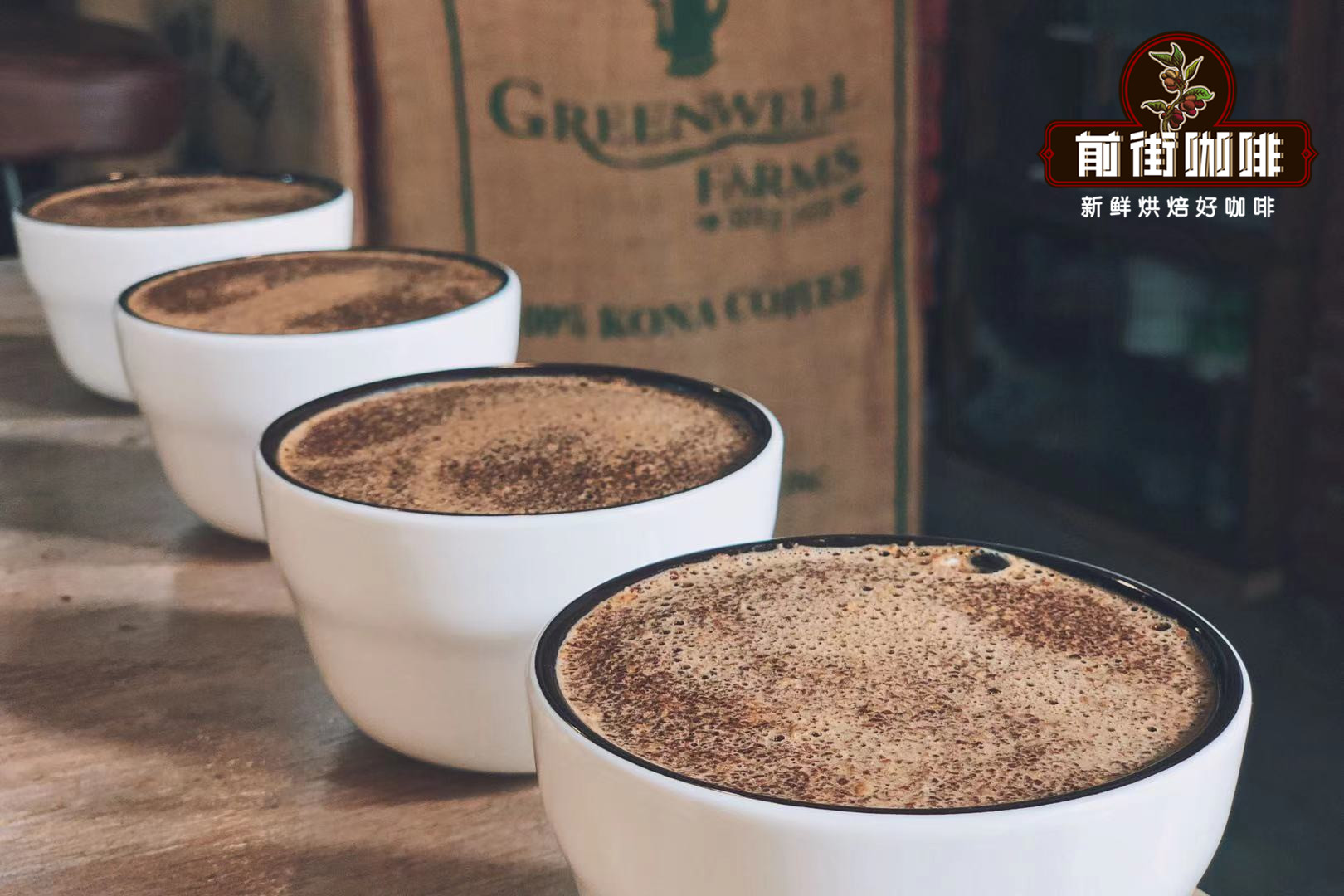
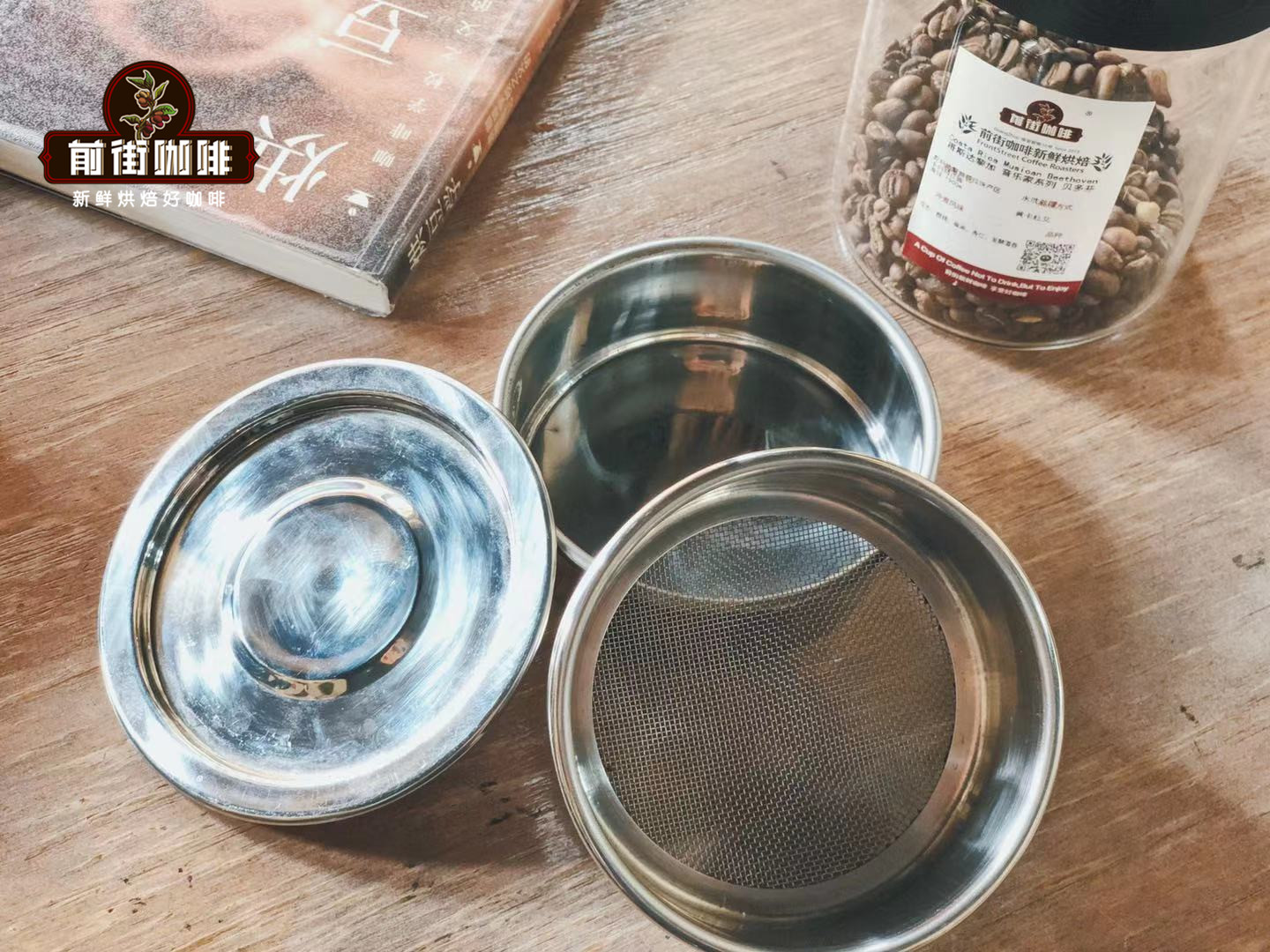
The first key step in professional cupping is to precisely weigh **11.3 grams of coffee beans**; this weight has been repeatedly tested to ensure extraction uniformity. It is recommended to prepare at least 3 parallel samples per lot, placed in professional cupping bowls. Before grinding, the grind must be calibrated with a **0.85mm standard sieve** to ensure 75% of the coffee grounds pass through—this parameter has been verified by the international coffee organization and is 10%-15% coarser than regular pour-over grind, effectively balancing extraction efficiency and flavor layers.
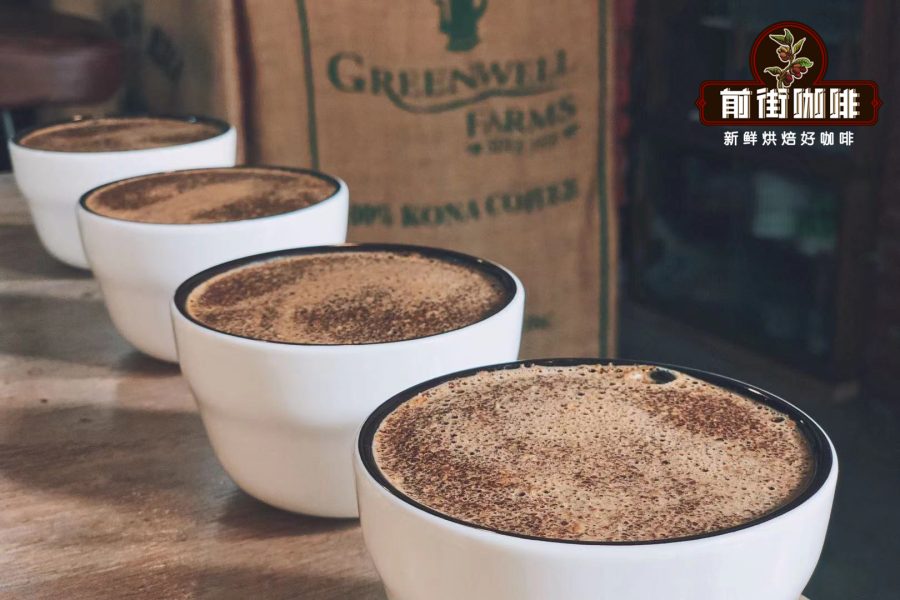
Dry aroma analysis after grinding is an important part of cupping. Cover the cup with your hand and gently shake; high-quality coffee will release clear nutty, caramel, or fruity aromas. Be careful to avoid excessive shaking, which causes aroma volatilization. This step provides a preliminary judgment of the green beans' freshness and the effectiveness of the processing method.
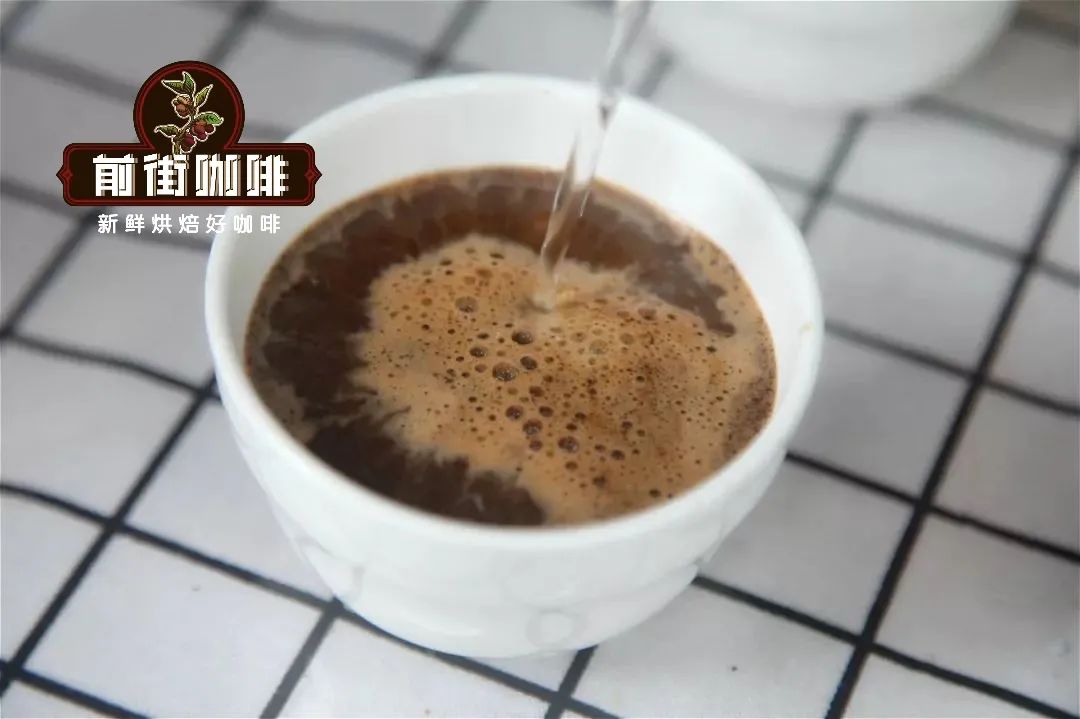
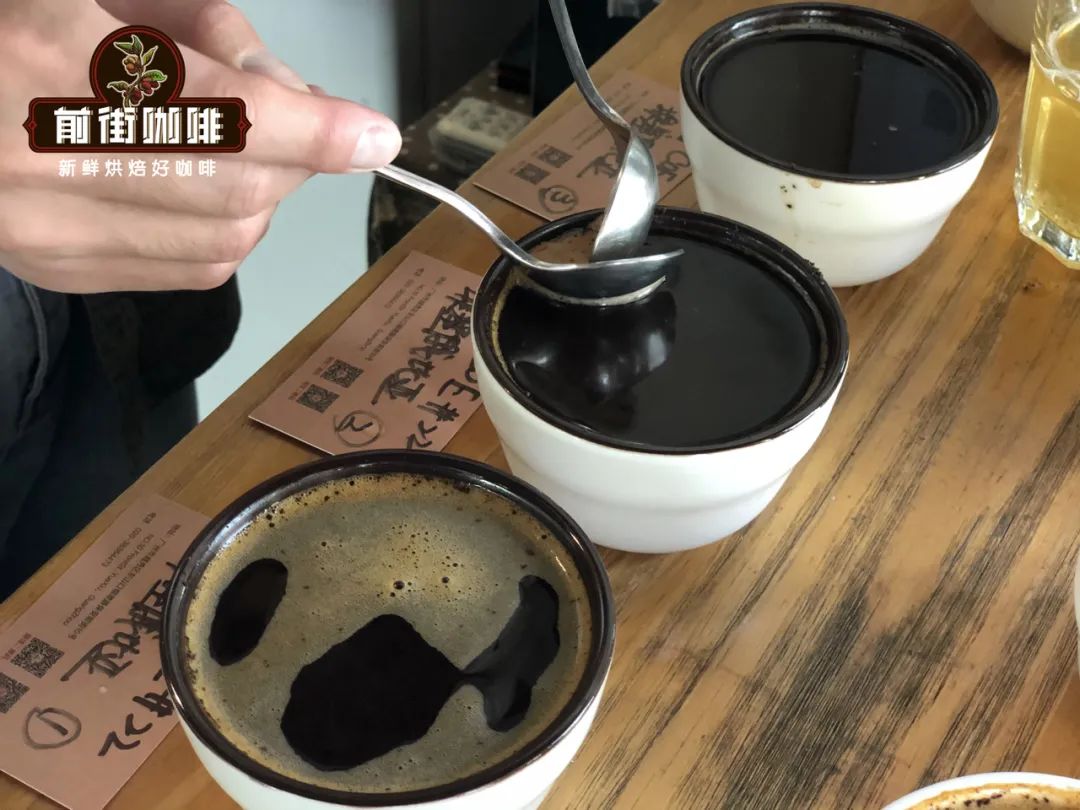
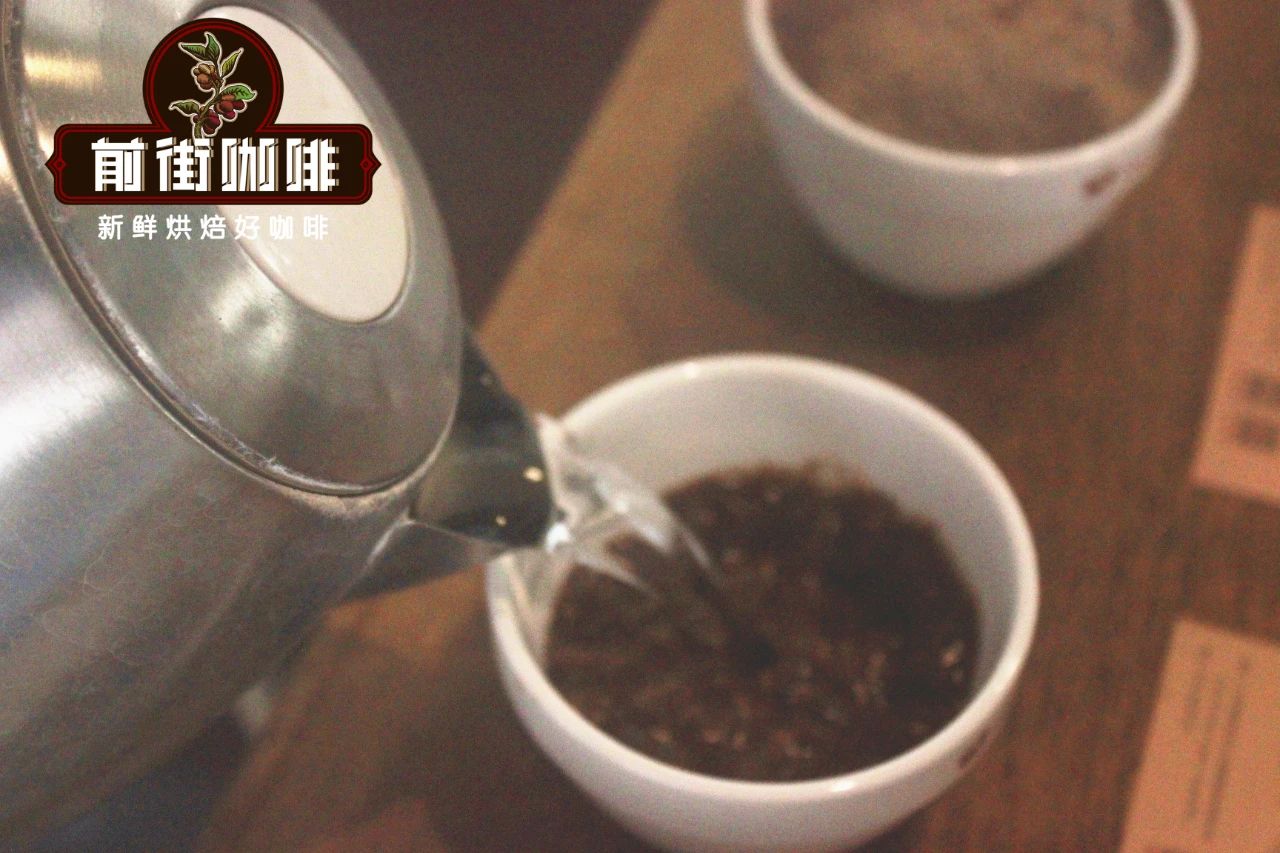
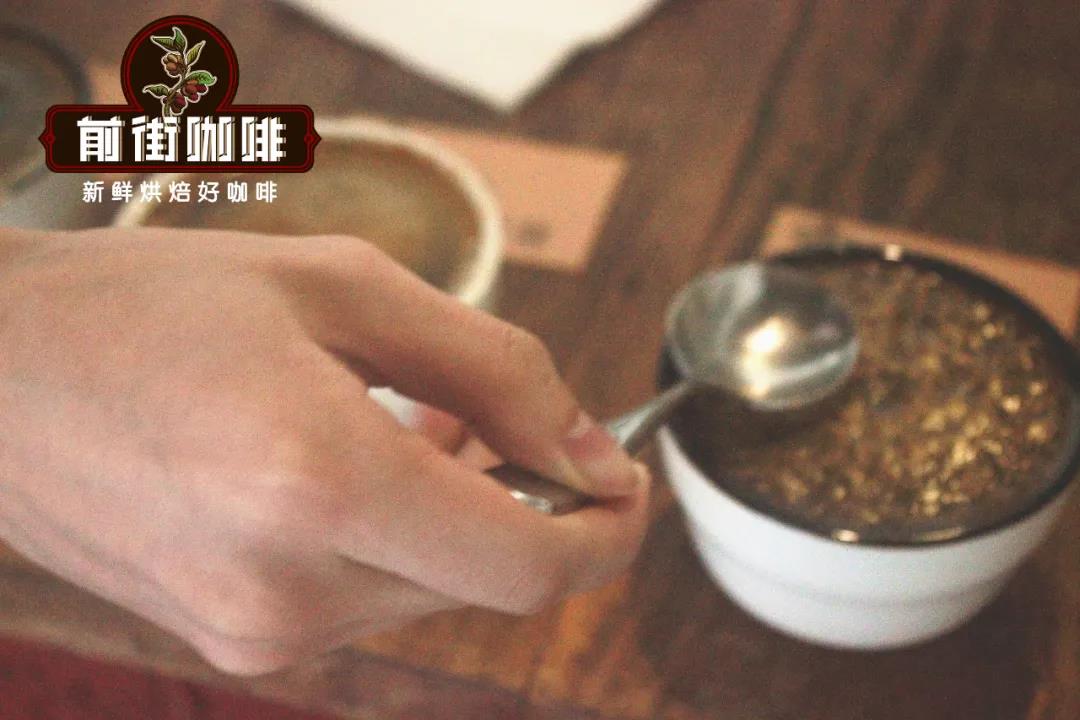
The pouring stage requires strict control of **94±1°C water temperature**, with 11.3 grams of coffee grounds for every 200 milliliters of water. Use a timer to precisely record the 4-minute extraction time. When breaking the crust with a cupping spoon, pay attention to the wrist angle—this action directly affects the efficiency of aroma release. Professional cupping typically uses a **1:18.18 coffee-to-water ratio**, equivalent to 11 grams of coffee to 200 milliliters of water; practice has verified that this ratio highlights the coffee's balanced characteristics.
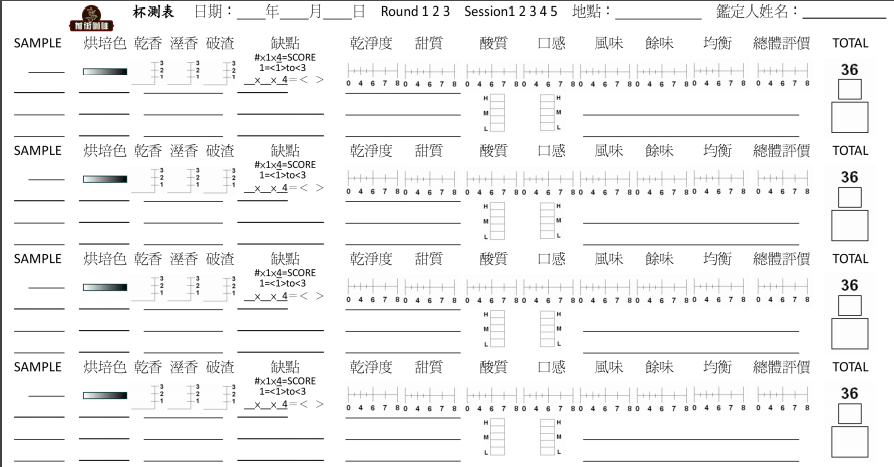
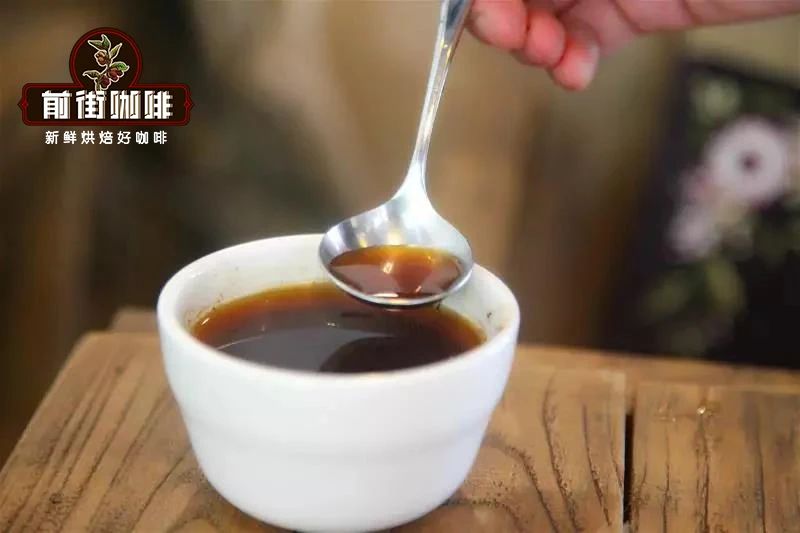
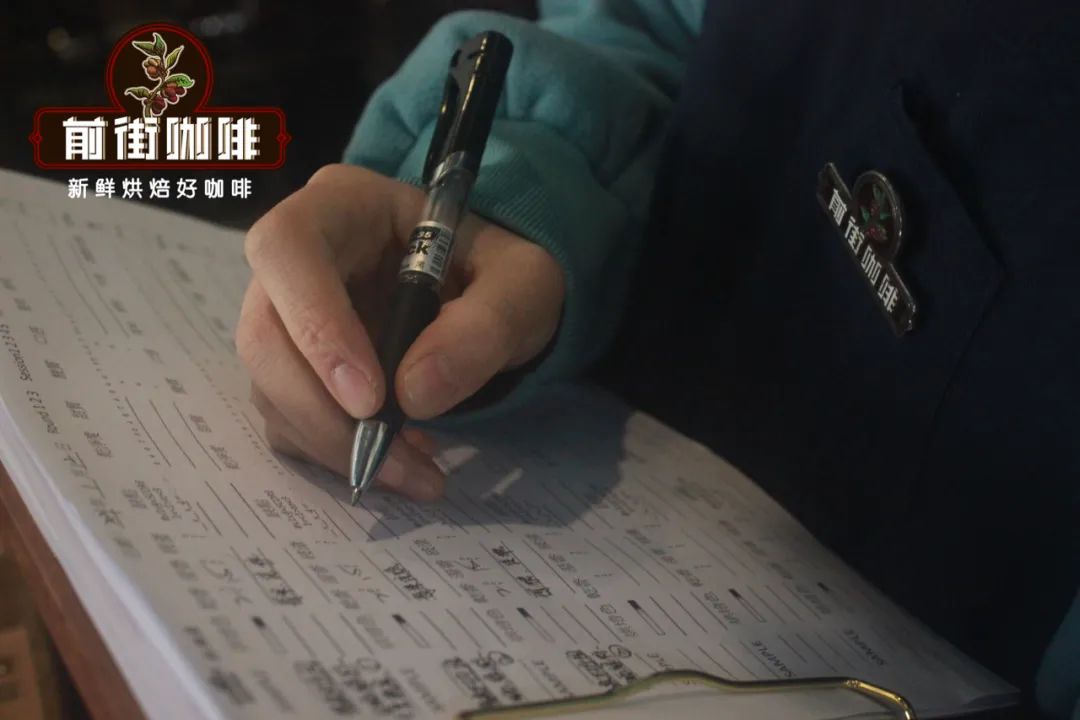
Flavor evaluation covers eight dimensions: a clean base flavor should have no earthy or fermented off-notes; sweetness reflects ripeness, and high-quality coffee often carries caramel or honey sweetness; acidity is best when bright and lively, with a fresh citrus or berry acidity preferable to sharp acetic acid; body evaluates the fullness in the mouth, similar to the texture difference between milk and water; finish length is an important indicator, and a lingering sweet aftertaste usually means higher quality.
Sample preparation before cupping has strict timing requirements: roasted beans should be tested **within 8-24 hours**, when the flavor is closest to its true state. During storage, avoid direct sunlight and keep them sealed at **around 20°C room temperature**. Note especially that water must be poured within 15 minutes after grinding to prevent loss of aromatic compounds through volatilization.
Advanced knowledge on grind size: international standards recommend a **No. 20 sieve 70%-75% pass rate** (about 850 micron particle size), but in practice adjustments are needed according to equipment. For example, cold drip extraction suits a coarser grind (80% pass rate), while espresso requires a finer grind (65%-70%). It is recommended to use an electronic sieve tester for regular calibration, as the actual grind coarseness of different grinder brands may vary significantly.
Water quality has a major impact on cupping results: the ideal TDS value should be controlled in the **125-175ppm** range, with a pH close to neutral. Water that is too hard amplifies bitterness, while water that is too soft may accentuate sharp acidity. Professional settings often use filtered water or mineral water, and direct testing with tap water should be avoided.
Cupping etiquette directly affects the objectivity of evaluation: do not use perfume or other strongly scented personal products, and never stir the coffee grounds when smelling the dry aroma. After rinsing the cupping spoon, lightly touch it against the edge of the container to drain, avoiding noise that disturbs others. Keep quiet throughout the process and delay sharing personal impressions to avoid influencing others' judgments.
The scoring system uses a 100-point scale, in which **basic items such as cleanliness and sweetness each account for 8 points**, and balance and overall impression are equally key. A 6 represents the competition-level baseline, and 8 or above is outstanding performance. Commercial beans usually fall in the 70-79 range, while only 80 and above meets the specialty coffee standard, and 85 and above enters the auction-grade quality category.
Common misconceptions: pursuing excessively high pouring temperatures leads to over-extraction, so it is recommended to strictly maintain 93-94°C water temperature; too fine a grind easily causes channeling and affects flavor balance; too long an interval between cups causes the coffee temperature to drop, and flavor evaluation at the medium-low temperature stage requires particular attention to temperature compensation.