Espresso Brew Ratio Explained: The 1:2 Golden Ratio and Extraction Parameters
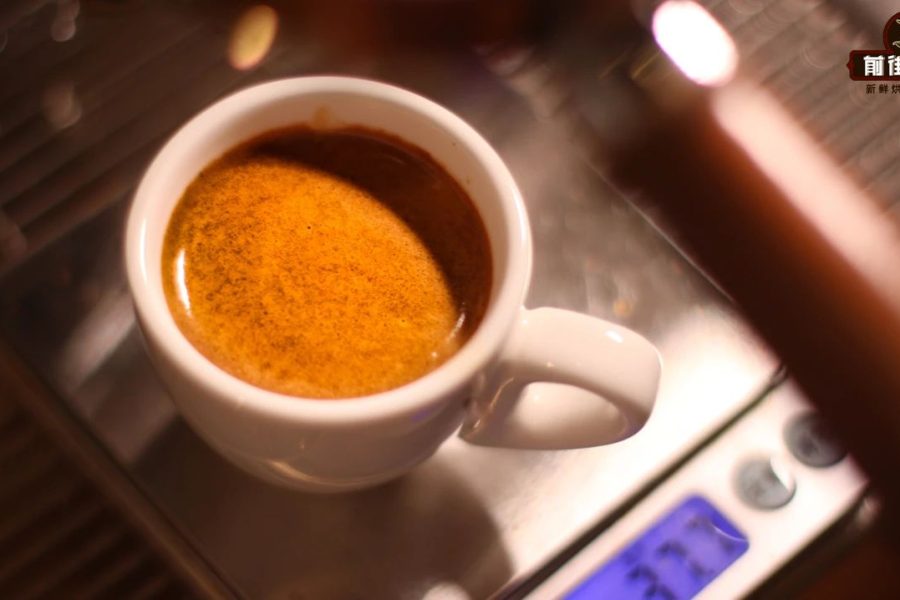
Introduction: The key to mastering espresso lies in precisely controlling the brew ratio and extraction parameters. This article explains in detail how to achieve the golden 1:2 coffee-to-liquid ratio by adjusting variables such as coffee dose, extraction yield, and grind size, creating an espresso with thick crema and balanced flavor. From home equipment to commercial machines, it guides you through the science behind the 25-30 second extraction time and offers solutions for common problems.
Want to recreate that crema-rich espresso from your favorite café at home? The key lies in understanding the mystery of the brew ratio. Unlike the immersion extraction of pour-over coffee, espresso relies on hot water at 9 atmospheres of pressure penetrating extremely fine coffee grounds, extracting only about 30 milliliters of thick, concentrated coffee liquid in 25-30 seconds. During this process, the ratio of dose to final liquid weight (the brew ratio) directly determines the coffee's concentration and flavor expression.
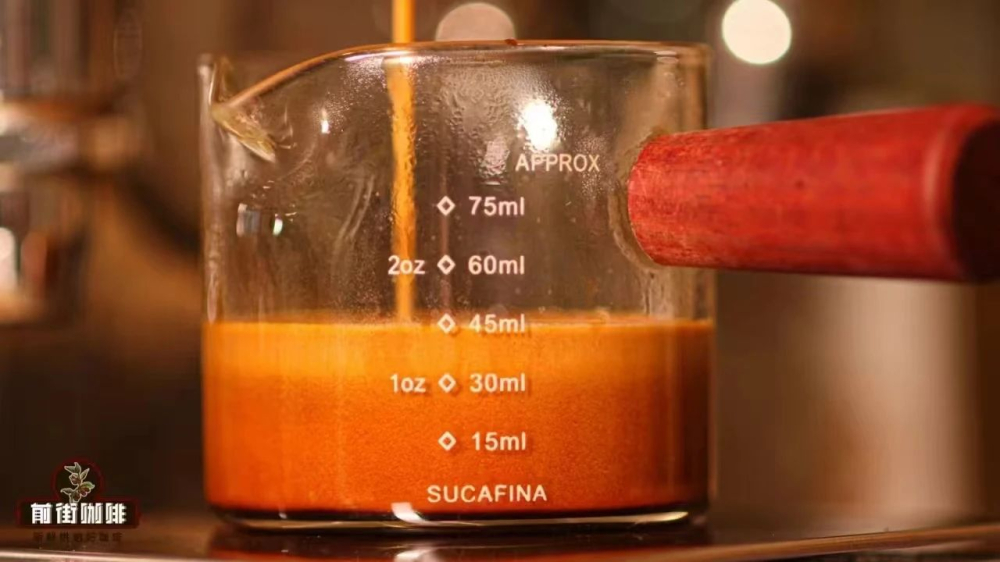
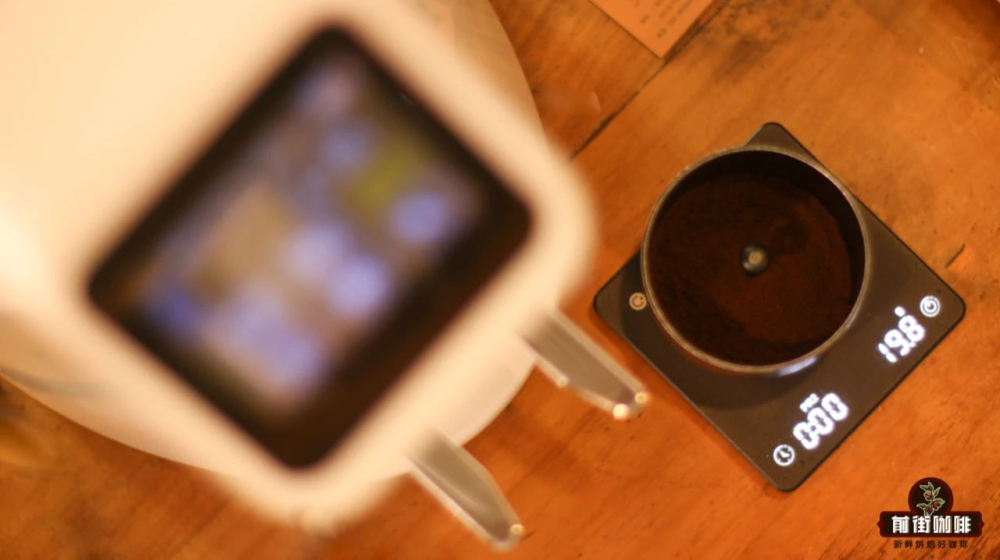
Modern espresso machines achieve rapid extraction through steam pressure, but parameter control leaves no room for carelessness. Commercial models typically maintain water temperatures above 90°C and stable high pressure, while home users need to focus on four core parameters: dose, extraction yield, grind size, and time. Among these, the coffee-to-liquid ratio is the most intuitive dimension to adjust—just as the flour-to-water ratio in baking determines dough texture, coffee's 1:2 ratio (for example, 20 grams of coffee producing 40 grams of liquid) is a proven classic range.
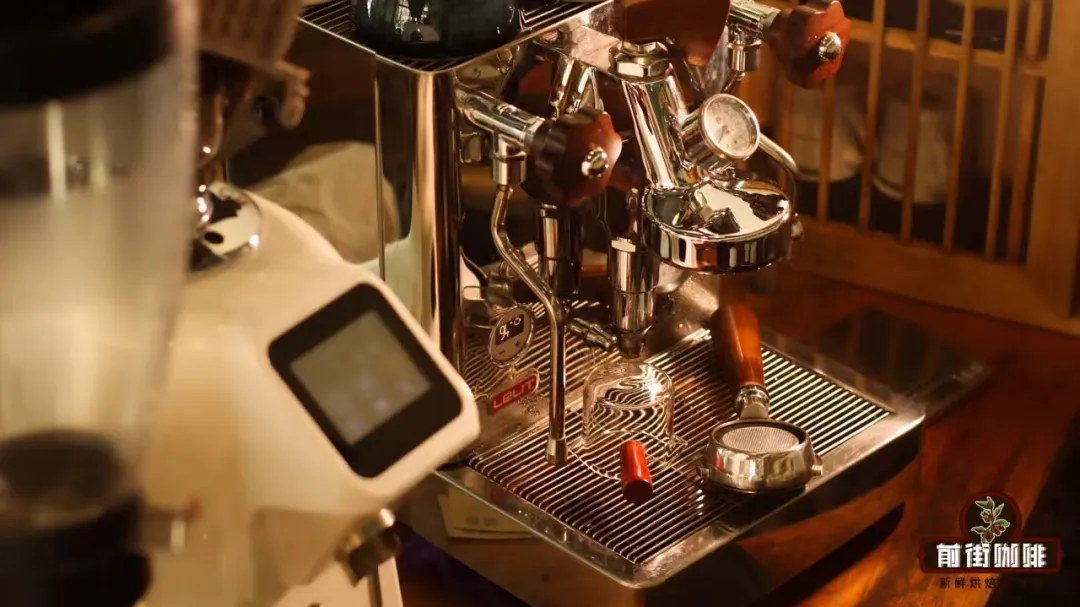
The impact of grind size on flow rate is greater than you might imagine. A subtle difference of 1 gram in dose can cause extraction time to vary by several seconds, and uneven particles can cause localized over-extraction or under-extraction. It is recommended to use a conical burr grinder to ensure grind uniformity, and calibrate through the following steps: first set a baseline dose (for example, 18-20 grams commonly used in double baskets), observe the speed at which dark brown crema forms in the early stage of extraction, and prepare to end extraction when the flow begins to turn pale golden.
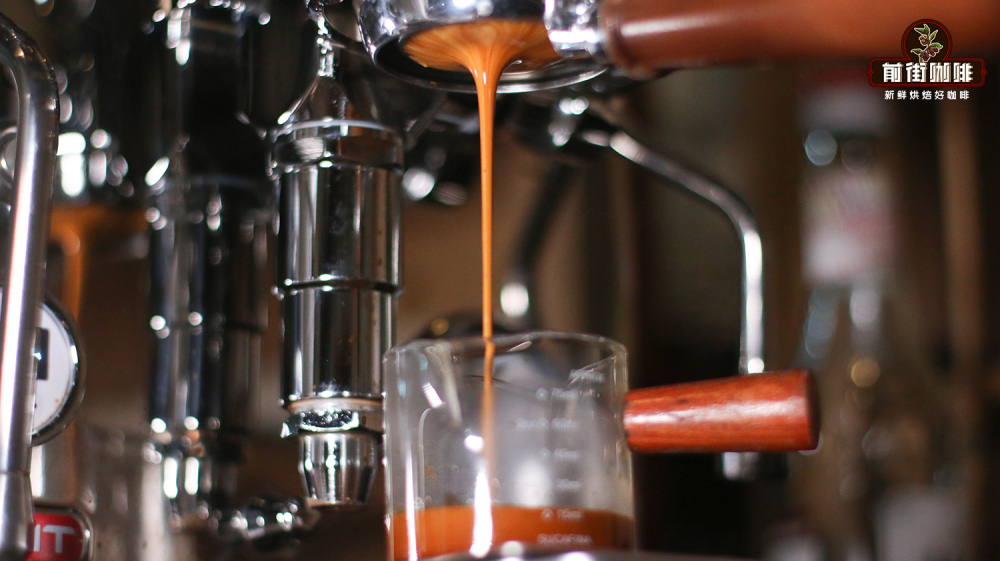
Traditional baristas once judged the endpoint by observing crema color changes—stopping when it turned from dark brown to whitish. Modern standards recommend a 1:2 coffee-to-liquid ratio as the baseline (for example, 20 grams of coffee corresponding to 40 grams of liquid), a ratio that balances concentration and flavor layers. In practice, fine-tune according to bean characteristics: light roasts can be extended to 1:2.2 to enhance fruity acidity, while dark roasts are recommended at 1:1.8-1:2 to maintain a full-bodied feel.
Extraction time and brew ratio constrain each other. At a fixed ratio, completing extraction within 25 seconds usually means high concentration and low acidity, while 30 seconds or more may develop more sweetness but risks over-extraction. Adjustment strategies include: to speed up, coarsen the grind or reduce the dose; to extend time, do the opposite. Note the pressure difference between commercial and home machines—if a home model cannot reach 9 bar of pressure, it is recommended to add an extra 5-10% dose as compensation.
When encountering common problems, refer to the following solutions:
• Flow too fast / weak flavor → grind finer + increase dose + check tamping pressure
• Flow too slow / sharp acidity or bitterness → grind coarser + reduce dose + confirm puck levelness
• Astringency in the tail end → shorten extraction time or reduce final liquid weight
It is recommended to change only one variable at a time and record data, for example, first increase the dose from 18 grams to 19 grams and observe changes in crema thickness.

Practical advice: first use baseline parameters (such as 18-20 grams dose / 40 grams liquid weight / 25-30 seconds) to make three comparison samples, recording respectively:
1. The crema color transition when dose varies by ±1 gram
2. The effect of grind coarseness on flow rate at the same dose
3. The effect of liquid weight changes on mouthfeel concentration
Home equipment users should pay special attention: preheat the machine for at least 15 minutes, and after each tamp, level the surface with the tamper to avoid channeling that causes uneven extraction.