How to Choose SOE Coffee Beans: Home Espresso and Blend Roasting Guide
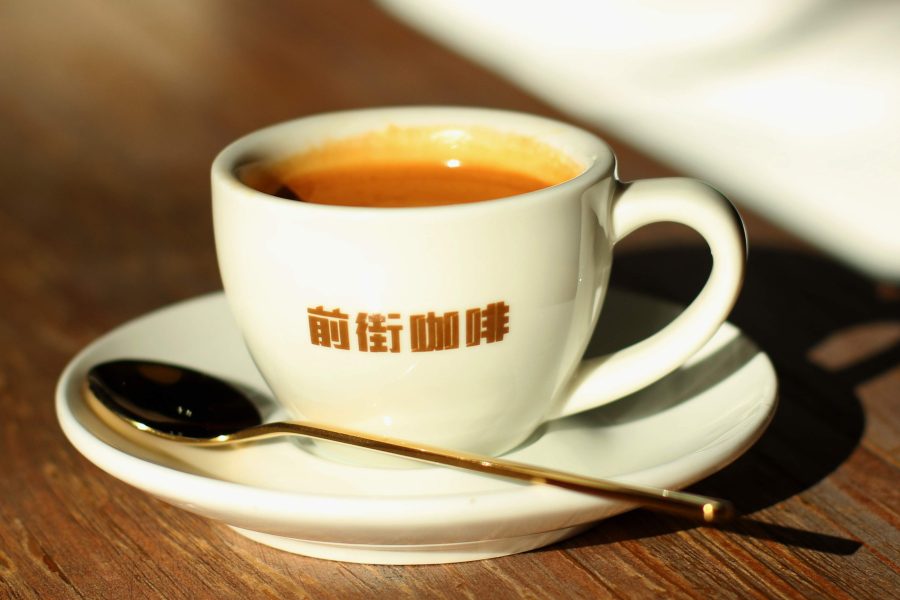
Introduction: From single origin to classic blends, explore the unique flavors and practical extraction methods of SOE coffee beans. This article explains the core differences between SOE and blend coffees, recommends medium to medium-dark roast beans suitable for home and cafe use, and provides guidance on judging freshness, flavor characteristics and extraction parameters, helping you easily master the key points of professional-level espresso making.
With the rise of specialty coffee culture, more and more coffee lovers are paying attention to the choice of espresso beans. Among them, "SOE" (Single Origin Espresso) has gradually become a popular option on cafe menus. Unlike traditional blend beans, SOE uses coffee beans from only a single origin, highlighting that region's terroir through the espresso process.
Compared with regular blend beans, which pursue balanced taste, blend coffee usually mixes beans from multiple origins, balancing acidity and bitterness while ensuring long-term flavor stability, making it more suitable for daily drinking.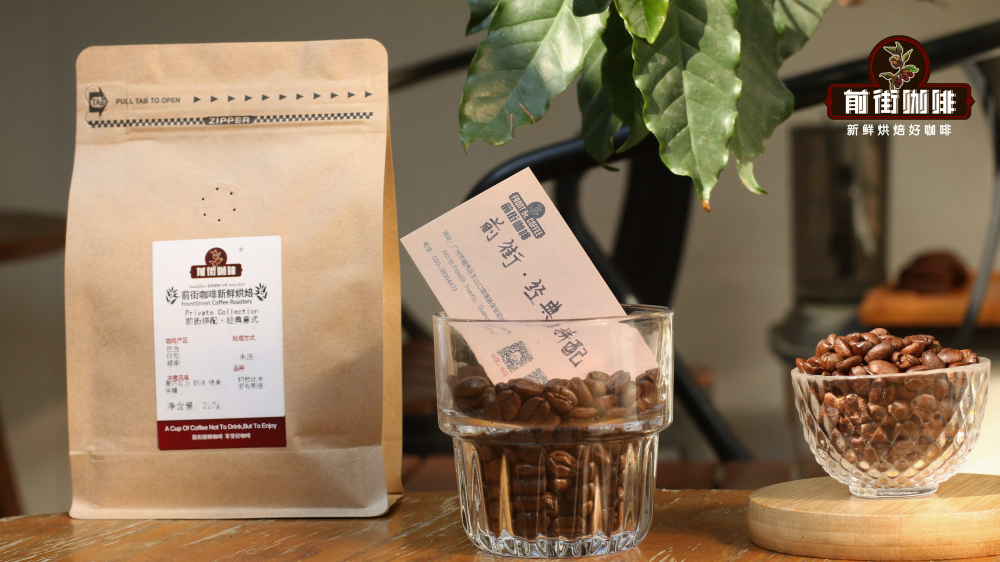 These beans are often used as a cafe's base formula, with cost control and flavor consistency as their main advantages.
In theory, all single origin coffee beans can be used for espresso, but the 9-10 atmospheres of pressure and 92-96°C high-temperature extraction environment of an espresso machine place strict demands on the beans' roast level. If light-roasted beans are used, the acidity is easily amplified and extraction is insufficient; over-dark roasting leads to bitterness and over-extraction. Practice shows that the medium (City+) to medium-dark roast (Full City) range is best suited to SOE needs.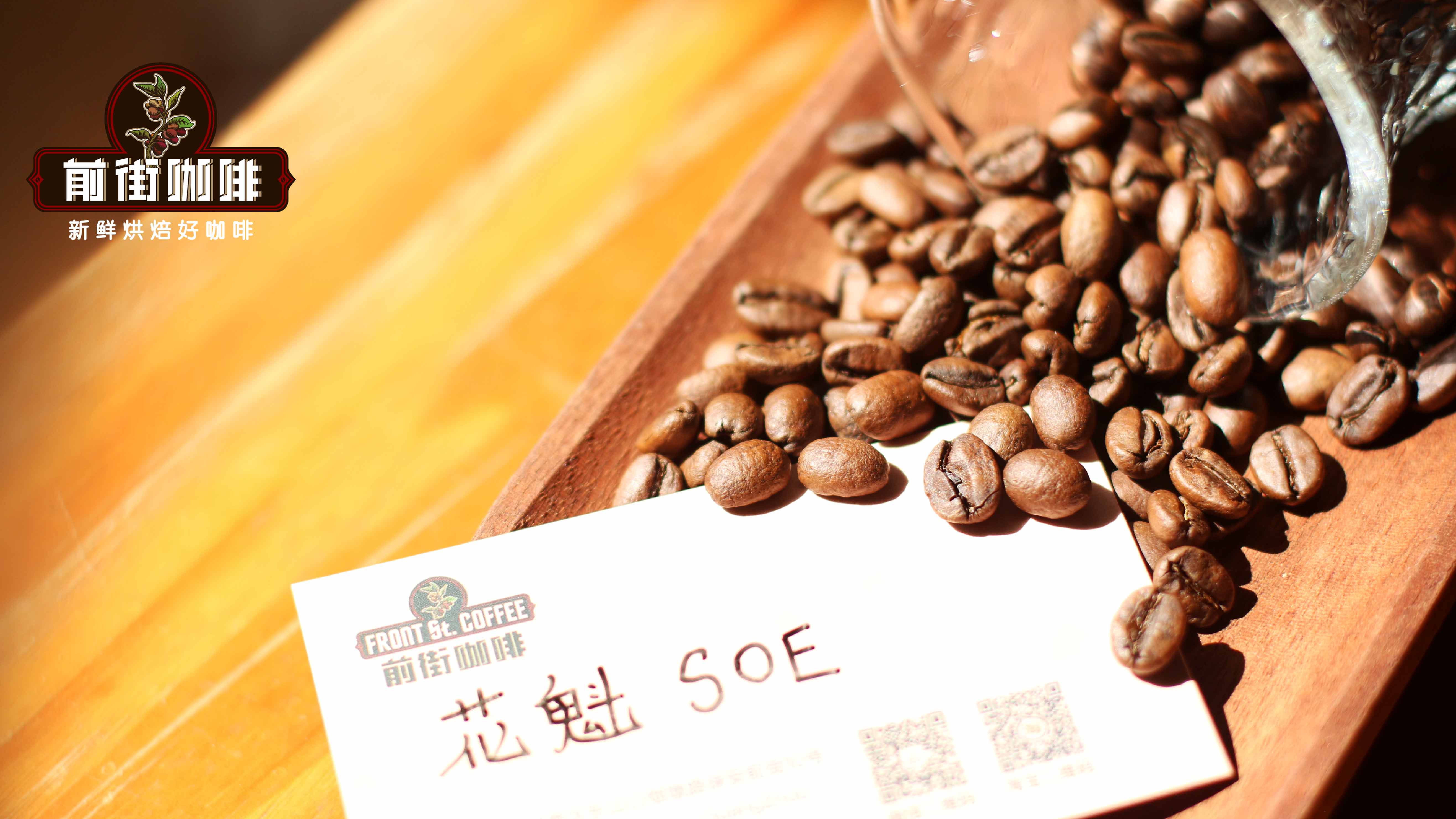
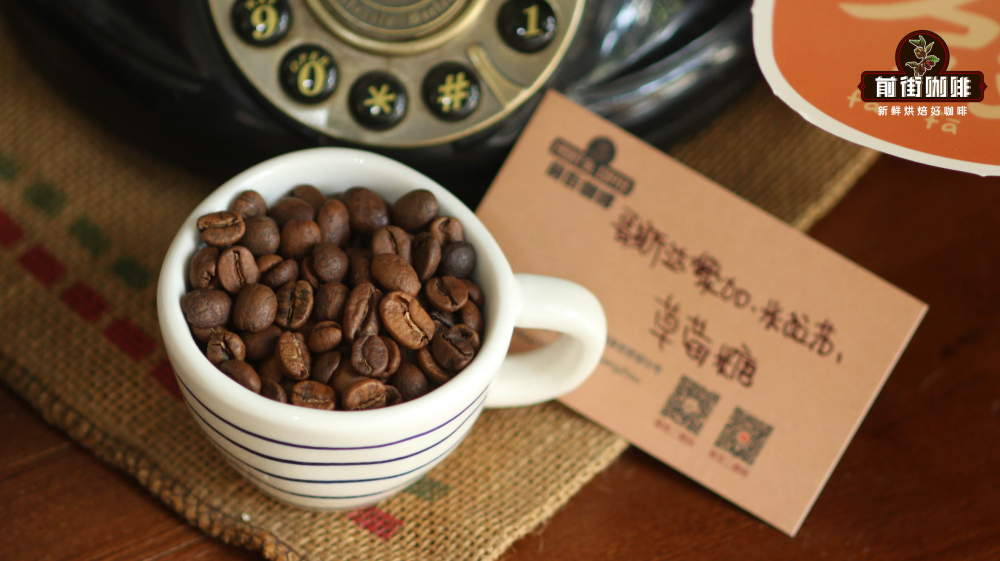
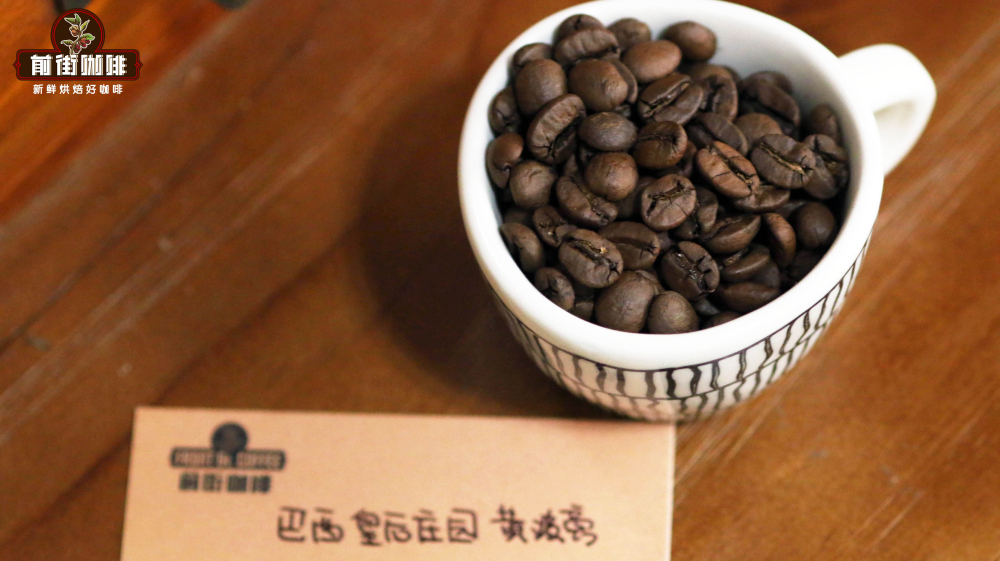
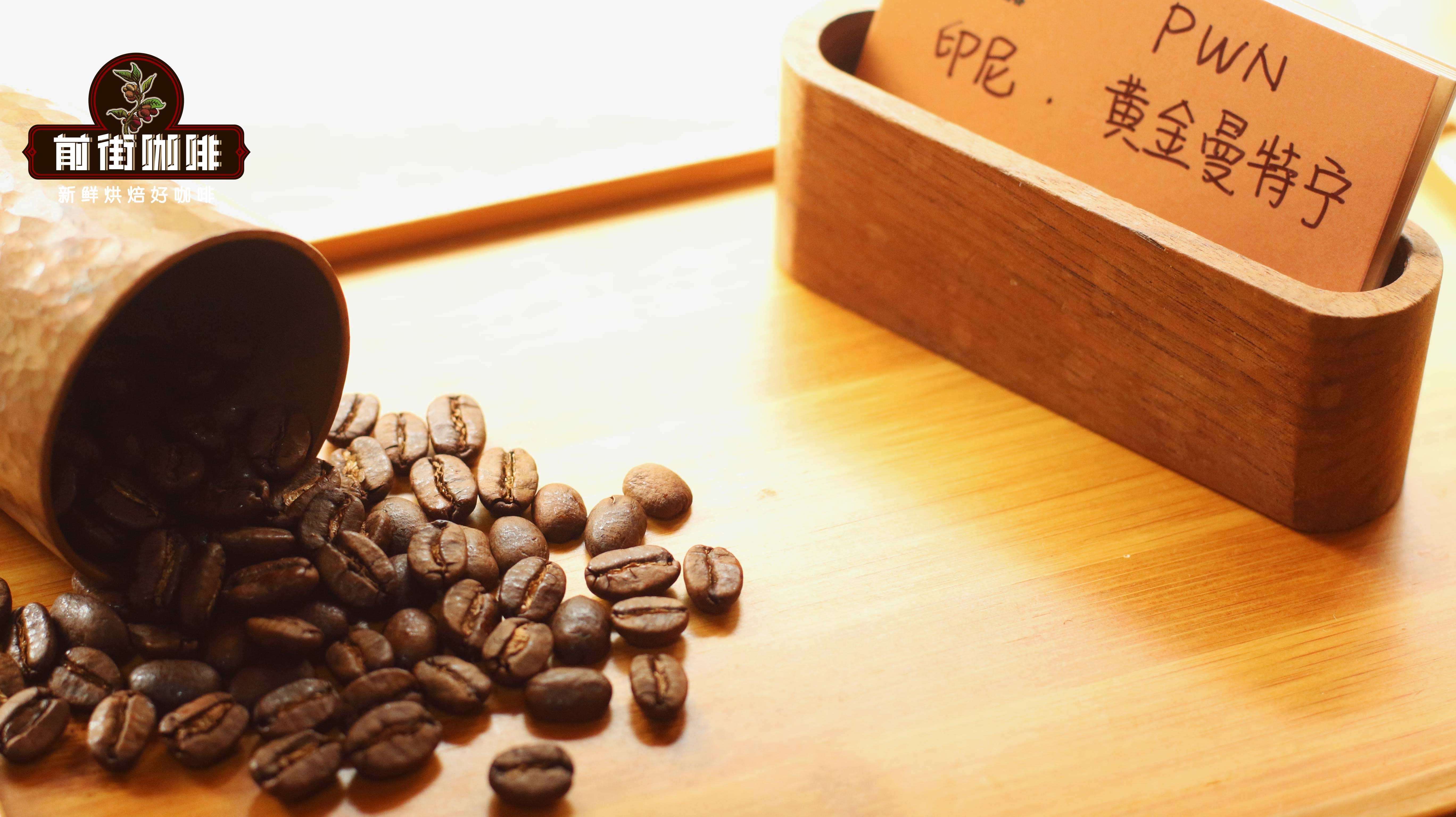
 Typical medium-roast examples include: naturally processed Ethiopian Hualv beans, presenting creamy strawberry and orange notes; Costa Rican strawberry candy beans, known for red berry and floral nectar sweetness. Medium-dark roast representatives include Brazilian Queen's Farm beans, which develop roasted nut and dark chocolate finish; and Indonesian Golden Mandheling, hand-sorted three times, which highlights herbal spice and caramel layers.
Freshness directly affects the efficiency of SOE flavor release. Professional advice is to choose the golden period of 5-14 days after roasting, when carbon dioxide release is moderate and aromatic substances remain active. Pay attention to the roast date on the packaging, and prioritize products marked with a specific date rather than vague batch information.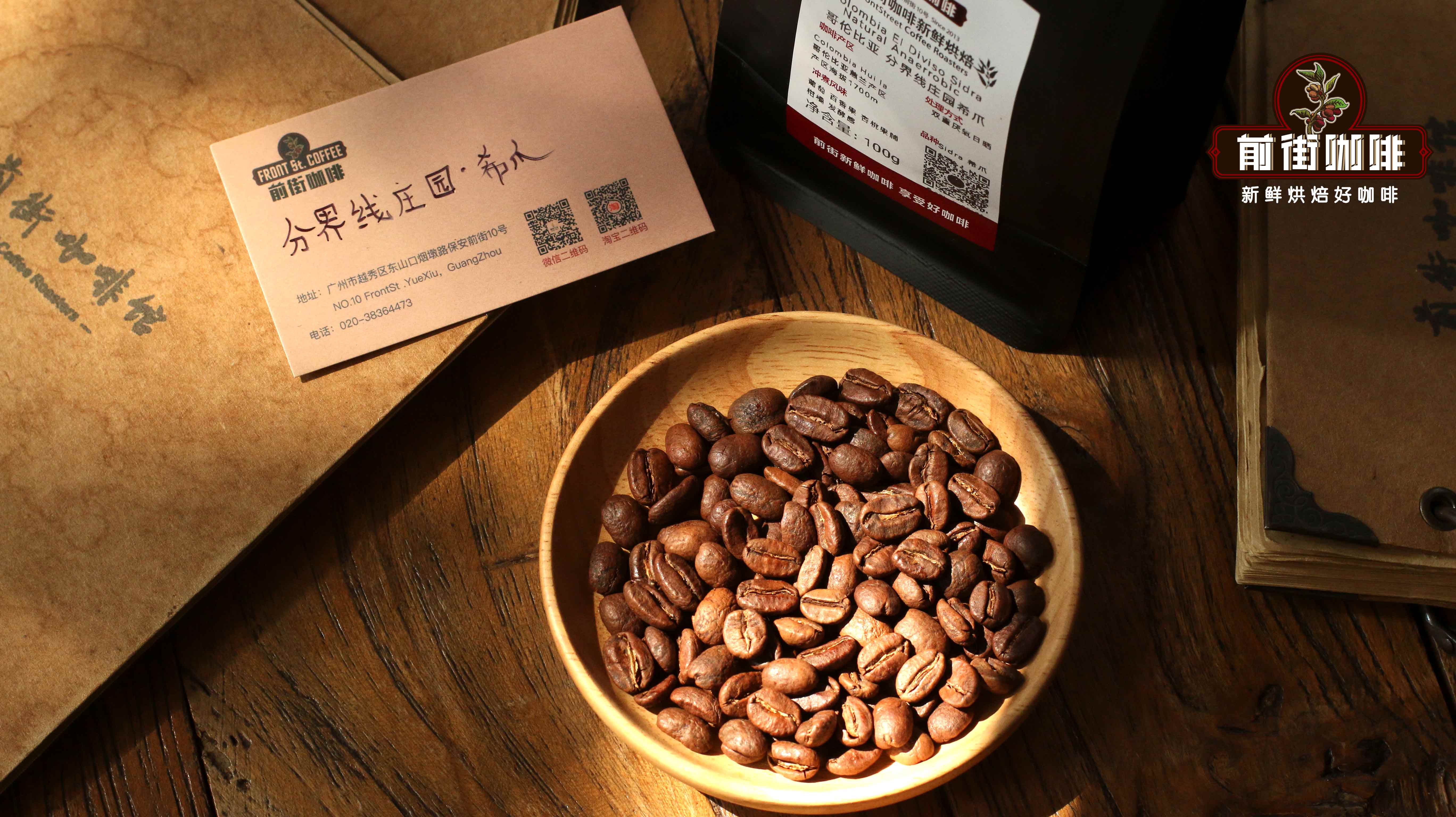
For extraction parameter optimization, SOE espresso recommends a dose of 18-20 grams, an extraction time of 25-30 seconds, and a yield of 36-40 milliliters. Grind size needs to be adjusted according to actual flow rate, usually about 10-15% finer than blend beans (close to the texture of fine granulated sugar). If using milk fusion, it is recommended to maintain a crema thickness of 3-5 millimeters on a double espresso base to ensure smooth milk foam integration.
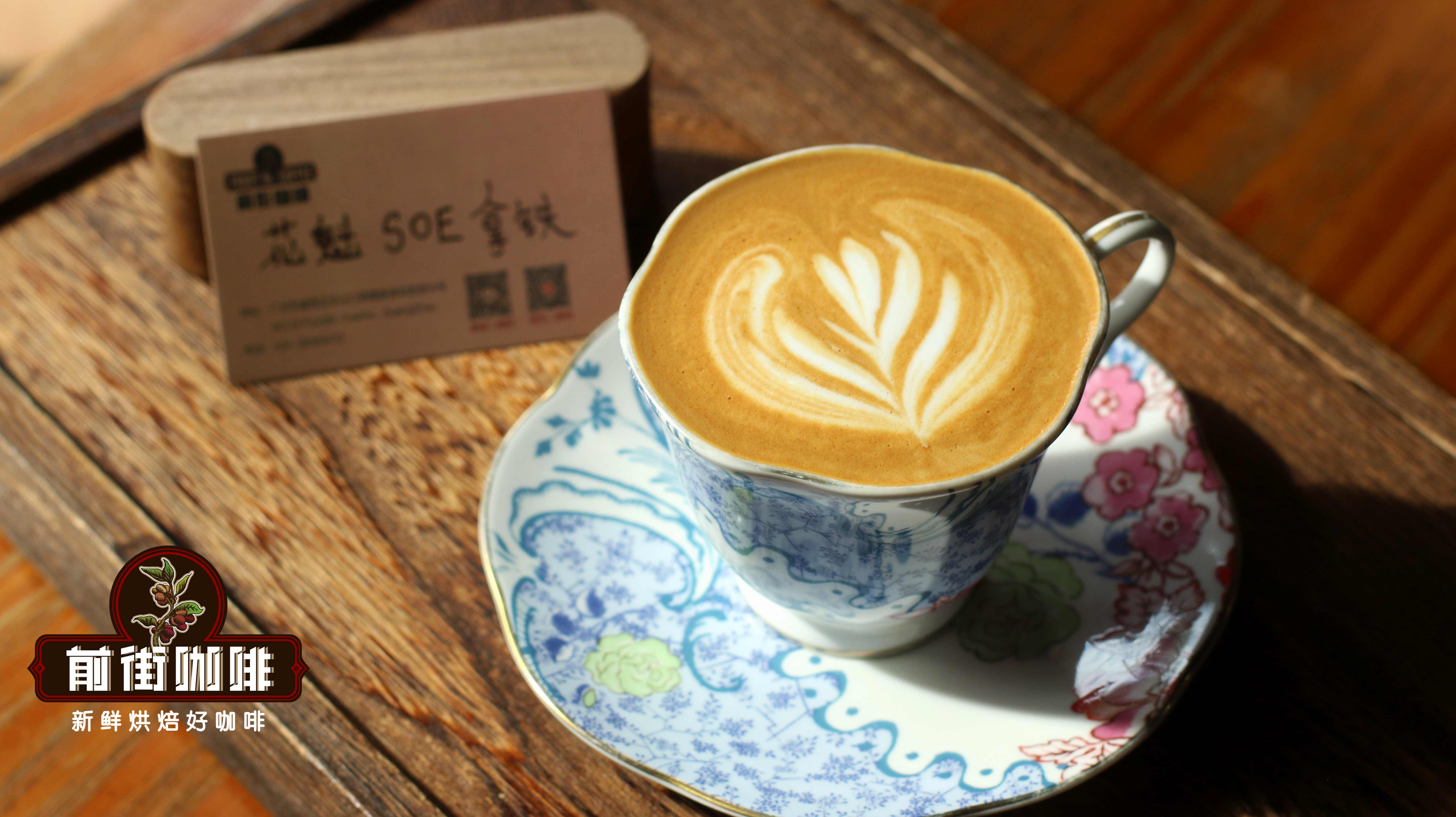 For home scenarios, you can first try the following flavor combinations: naturally processed beans are suitable for making a clean and bright SOE americano, and pairing with oat milk can enhance tropical fruit layers; when medium-dark roast beans are combined with whole milk, a steam temperature of 55-60°C is recommended to avoid damaging the nutty flavor structure.
Advanced enthusiasts can explore the differences between processing methods: honey-processed beans usually have higher sweetness and body, while wet-hulled beans present more distinct citrus notes. Regardless of which type you choose, regularly calibrating the grinder setting and tamping pressure are key elements for maintaining stable extraction.