Is Yunnan Catimor Arabica? Flavor Traits and Brewing Guide
Introduction: An in-depth analysis of the genetic makeup and flavor limitations of Catimor, the dominant coffee variety in Yunnan, compared with traditional varieties such as Typica. It explains the key factors behind Yunnan coffee's transition from instant coffee raw material to specialty coffee, including processing innovations and variety selection controversies. It also includes professional-level pour-over parameter suggestions and flavor wheel descriptions to help consumers identify Yunnan specialty coffee that truly has regional characteristics.
In recent years, Yunnan coffee has emerged prominently in domestic and international specialty coffee markets, and products from the Yunnan growing region launched by leading brands such as Luckin have continued to spark market discussion. Behind this phenomenon is both the push from the national-trend consumer movement and the benefits of scientific upgrading of cultivation techniques—through improved cultivation methods and innovative processing techniques, the quality stability and flavor uniqueness of Yunnan coffee beans have improved significantly.

There is still a clear gap in the market's understanding of Yunnan coffee. The core definition of specialty coffee emphasizes the unique flavor imprint that a specific geographical environment gives to coffee beans, such as the signature citrus notes of Ethiopia's Yirgacheffe. However, the Yunnan growing region has not yet formed a recognized flavor profile, mainly because of an imbalanced planting structure: the dominant Catimor variety naturally carries Robusta genes, and its flavor complexity and purity make it difficult to support a distinct regional character.

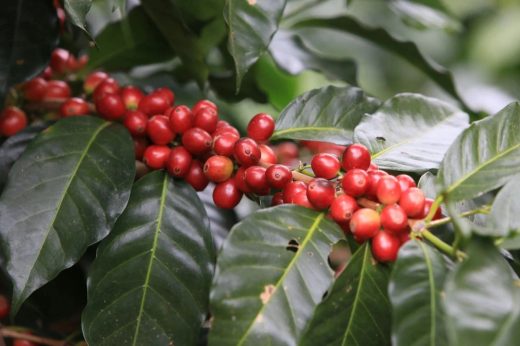
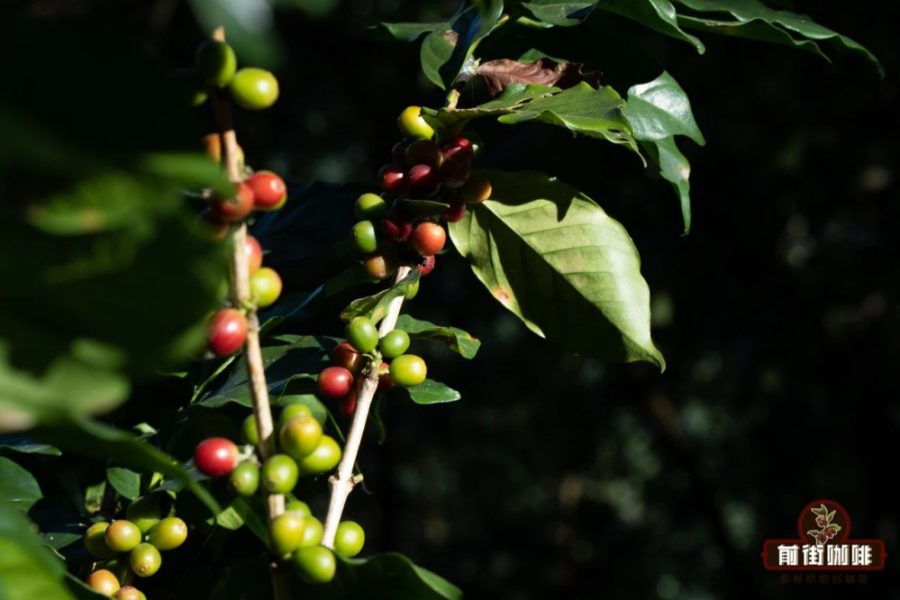
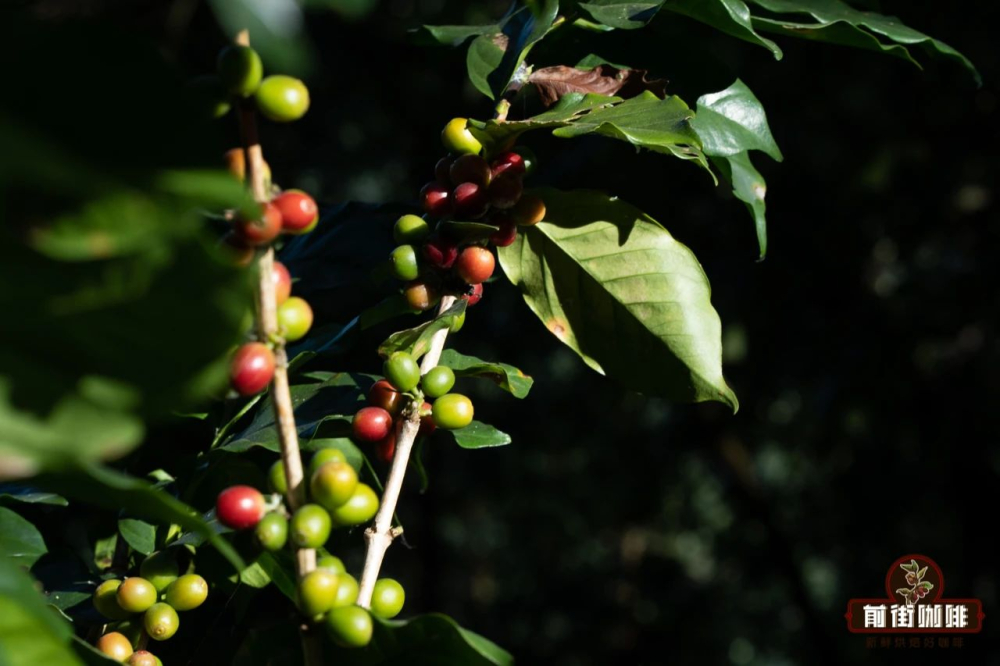
Catimor is actually a hybrid of Timor (a Robusta branch) and Caturra (a Bourbon variant), and its genetic composition includes 25% Robusta ancestry. This genetic combination leads to obvious flavor defects: a thin aroma dimension, often accompanied by noticeable bitterness and woody notes, and some lots even show unpleasant fermented off-flavors. But the variety has commercial advantages such as strong resistance to leaf rust and high yield per unit area, and since its introduction in the 1990s it has gradually become the main force in Yunnan coffee cultivation.

It is worth noting that Yunnan has not never grown high-quality Arabica varieties. As early as the period when French missionaries introduced coffee cultivation, Typica, one of the oldest coffee varieties, had already taken root. As a representative of pure Arabica ancestry, Typica is known for bright acidity and clear layering, and historically it has produced high-quality coffee with both floral notes and a honey finish. However, because of its weak disease resistance and low yield, under market demand fluctuations and economic trade-offs, its planting scale once shrank significantly.

Innovations in processing methods have opened new possibilities for the Catimor variety. Through modern techniques such as anaerobic fermentation and honey processing, the variety's inherent defective flavors can be effectively weakened and sweetness and fruity notes enhanced. But industry experts point out that relying solely on post-harvest processing to improve quality has obvious limits—true specialty coffee should establish advantages starting from the cultivation side, including systematic projects such as selecting varieties with strong disease resistance and outstanding flavor potential and optimizing cultivation environments matched to altitude.

For coffee enthusiasts, identifying the true quality of Yunnan coffee requires mastering key indicators: observe the density and defect rate of green beans, pay attention to the uniformity of the roast level (medium roast is recommended to preserve the balance of acidity and sweetness), and highlight regional characteristics through adjustment of brewing parameters. A professional-level pour-over plan can refer to: use a V60 dripper, a coffee-to-water ratio of 1:15, a grind size set to 75% passing through a China No. 20 sieve (about the particle size of coarse granulated sugar), and a water temperature controlled in the 88-89°C range. The specific procedure is: inject 30ml of water in the first stage for a 30-second bloom, then pour in stages to a total water volume of 225ml, maintaining the whole extraction time at about 2 minutes 10 seconds.
From the perspective of the industry's long-term development, the specialty coffee path for Yunnan coffee needs to balance short-term economic benefits with long-term quality building. The current planting area of more than 2 million mu brings scale advantages but also places higher demands on variety improvement and grading systems. When purchasing, consumers can make a preliminary judgment of quality level through flavor characteristics: high-quality Yunnan beans should show a clear berry/black tea base, accompanied by moderate caramel sweetness and a lasting citrus finish; if there is an obvious rubbery taste or excessive bitterness, it may come from low-altitude cultivation or improper processing.

At the practical level, beginners are advised to start with cost-effective everyday beans to build flavor awareness, and gradually try the flavor differences brought by different processing methods (such as natural, washed, and honey processing). Professional roasters usually make targeted adjustments to Yunnan beans—preserving floral and fruity notes by shortening the resting period, or strengthening a mellow texture by extending development time. Whichever product you choose, make sure to buy freshly roasted coffee beans (it is recommended to use them within 5 days after roasting) and adopt proper storage methods to fully experience the unique charm of Yunnan coffee.

The choice of brewing equipment also affects the final flavor presentation. Besides the V60, the Clever Cup and the French press can also adapt to the medium body characteristics of Yunnan beans, but the grind coarseness and steeping time need to be adjusted accordingly. It is worth noting that details such as water hardness (a recommended TDS value of 50-150ppm) and filter paper material (prefer virgin wood pulp filter paper) all have a significant impact on extraction efficiency. Through systematic parameter optimization, even the Catimor variety can show flavor performance beyond expectations.