Is Catimor an Arabica? Yunnan Coffee Varieties and Flavor Guide
Introduction: Catimor coffee beans are often mistaken for Robusta, but they actually belong to the Arabica species, albeit with a distinctive genetic background. Yunnan's widely planted Catimor small-bean coffee has improved significantly in quality in recent years, yet it differs noticeably from the traditional Typica variety. This article explains Catimor's varietal origins, the effect of growing altitude on flavor, and the flavor differences and brewing suggestions for Yunnan-grown Catimor versus Typica, helping coffee lovers better understand these common bean varieties.
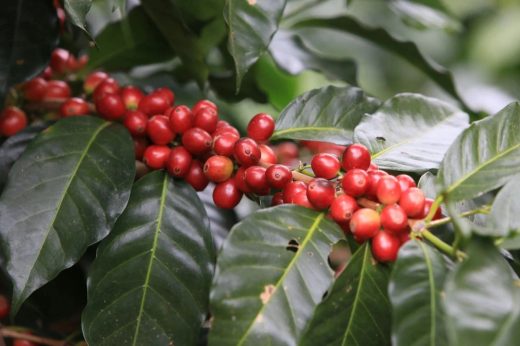
Although Catimor coffee beans contain Robusta lineage, the vast majority of their genes come from Arabica, so they are still classified within the Arabica family. This coffee was first created in 1959 by Portuguese researchers, who crossed the highly rust-resistant Timor variety with the high-quality Caturra variety. Its greatest advantage is strong disease resistance, especially good resistance to leaf rust, along with high yields and adaptability to a range of growing environments. It is currently one of the important varieties widely planted worldwide, especially in Yunnan's producing regions.

In terms of flavor characteristics, Catimor often shows a certain complexity. Catimor grown at low altitudes (about 600-1000 meters) tends to be rather bitter, with plum-like tartness and herbal notes, so these beans are mostly used for instant coffee or commercial blends. Catimor grown above 1200 meters, however, can show a more refined mouthfeel, such as plum acidity, caramel sweetness, and a roasted-nut-like finish; its overall quality can rival traditional high-quality Arabica varieties such as Bourbon, Caturra, and Catuai.
Yunnan, as China's largest coffee-producing region, has seen remarkable progress in the Catimor small-bean coffee grown there in recent years. This is thanks to government support, more scientific cultivation techniques, and more refined management of post-harvest processing and drying. Especially in higher-altitude growing areas, the large day-night temperature difference, together with the local red soil conditions, allows the beans to accumulate richer flavor compounds. Well-processed Yunnan Catimor often has plum acidity, caramel sweetness, and a nutty finish, and some can even show a faint licorice aroma, forming a distinctive regional flavor profile.

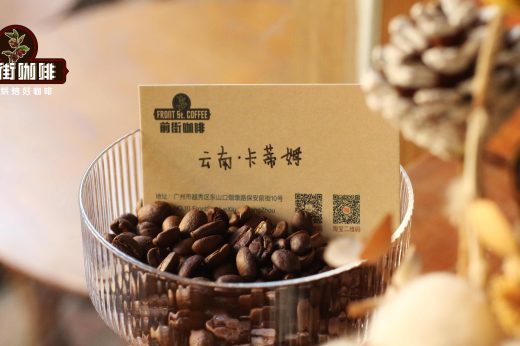
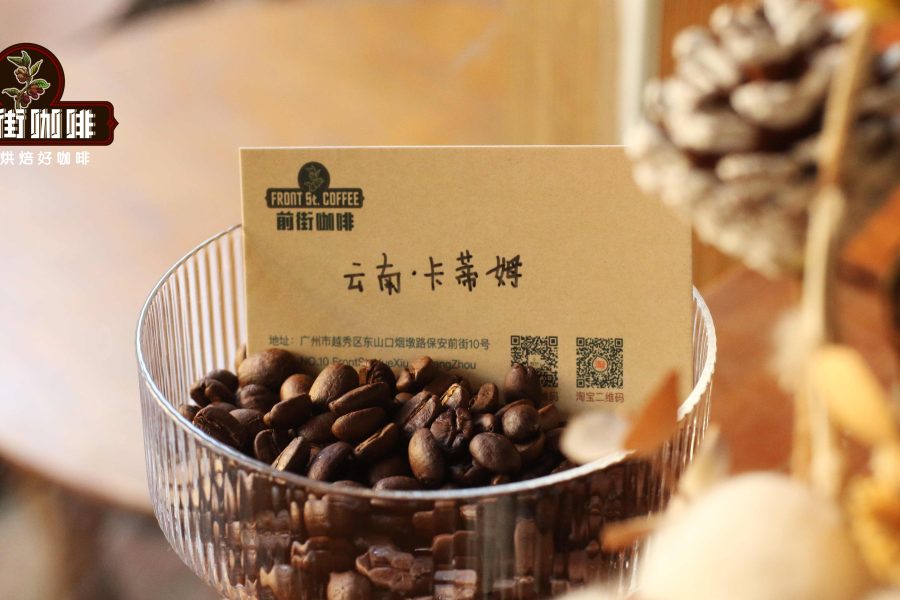
Yunnan Catimor grown at around 1200 meters, if washed and given a medium roast, is well suited to many home brewing methods, including pour-over, cold brew, moka pot, and home espresso machines. When brewed properly, this kind of coffee often presents clear fruit acidity, melon-like aroma, and a brown-sugar-tea-like sweet aftertaste, with an overall balanced and layered expression.Image position: 
Besides Catimor, Yunnan was once an important growing area for Typica coffee beans. Typica is one of the oldest varieties in the Arabica species, known for its clean, pure flavor and high sweetness. World-famous coffees such as Jamaican Blue Mountain and Hawaiian Kona were developed on a Typica base. When coffee cultivation was first introduced to Yunnan, it was Typica that was planted, but because of its lower yields and weaker disease resistance, it was gradually replaced by other higher-yielding varieties, with Catimor being one of the main replacements.
In recent years, some growers have begun to pay attention to Typica's value again. For example, in an area of Yunnan's Lincang at about 1300 meters, some growers persist in planting this traditional variety. Because Typica's genetics are pure and the growing environment is suitable, its flavor expression is usually cleaner and sweeter, with bright, clearly layered acidity. Compared with mainstream Catimor, Typica coffee has a clear advantage in flavor purity and sweetness; although yields are lower, it remains a choice worth trying for coffee lovers who seek layered flavor.
Locally grown Yunnan Typica, also called "2013 vintage coffee," uses the traditional natural process. After a medium roast, these beans usually show a soft berry-fermentation aroma, a plum-like sweet-tartness, brown-sugar-like sweetness, and a black-tea-style sweet aftertaste; the overall flavor is round and full of character. These beans suit consumers who like traditional flavors and also offer another perspective for exploring the diversity of Yunnan coffee.Image position:  ,
 ,
 ,