Yunnan Catimor Coffee Flavor Analysis and the Rise of Ten Local Brands
Introduction: An in-depth analysis of the flavor characteristics and cultivation challenges of Catimor, Yunnan's main coffee variety, revealing its journey from a disease-resistant, high-yield commercial bean to a specialty transformation. It also reviews the rise of ten representative Yunnan coffee brands, from the introduction of coffee in 1892 to the formation of a modern specialty coffee belt, presenting the features and development opportunities of China's largest coffee-producing region.
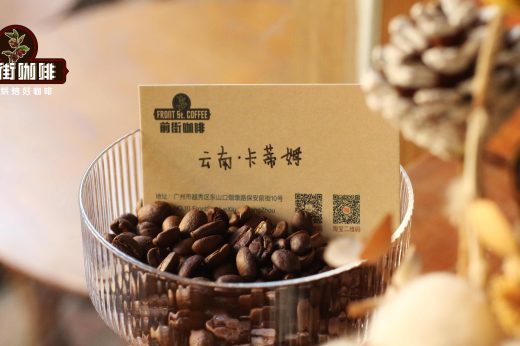
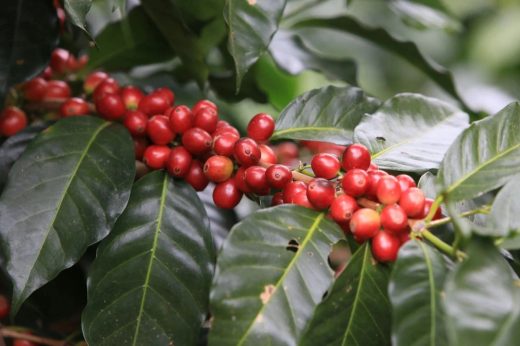
 As the dominant variety in Yunnan's coffee-growing areas, Catimor has drawn controversy due to its limited adaptability at low and medium altitudes, yet its improvement potential and commercial value are gradually emerging. Born in Portugal in 1959, this hybrid successfully combines the leaf rust resistance of the Timor hybrid with the compact tree shape of Caturra, providing a key solution for large-scale coffee cultivation across Yunnan's complex terrain.
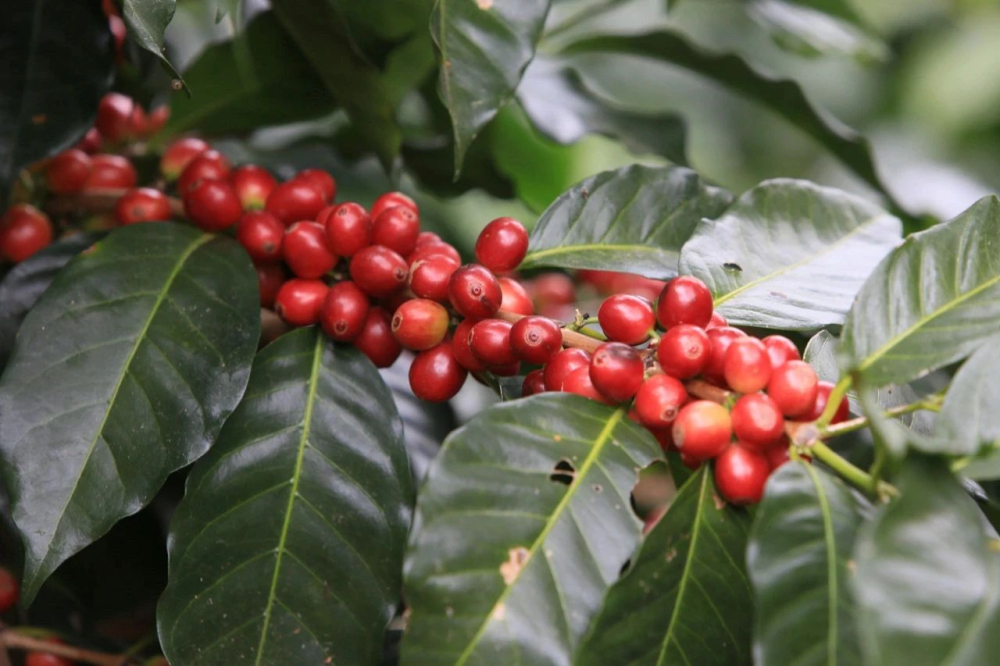 Catimor's global spread began in Brazil in the 1970s, and its optimal growing elevation was confirmed to be 700-1000 meters. Notably, the variety performs significantly worse below 600 meters or above 1500 meters—low altitudes invite pest problems, while high altitudes suppress yield potential. Through practice, Yunnan producers have found that when elevation is raised above 1200 meters and combined with meticulous processing, its flavor flaws can be markedly improved.
 The variety's most notable cultivation advantage lies in yield per unit area: its dwarf tree shape supports dense planting of more than 2,000 trees per hectare, together with a fast 14-16 month fruiting cycle. However, growers must pay special attention to its high nutritional requirements—seedlings need extra potassium and boron, and during peak production, soil testing should be done at least three times a year. Indonesian growing experience shows that with improper management, the economic life of the plants may be shortened to 8-10 years.
 In response to common flavor criticism, professional roasters recommend medium-light roasting (Agtron #65-75) to highlight its potential: in growing areas above 1200 meters, high-quality lots can show a balance of black tea finish and citrus acidity. Key processing parameters include strict selection at harvest of over 90% red cherries, fermentation time controlled at 18-24 hours, and a double washed process to reduce defect rates.
 Among the main existing sub-varieties, T-8667, with its extra-large bean size (single bean weight up to 220mg), suits espresso applications; T-5269 performs well in hot, humid areas with annual rainfall over 3,000 mm; and T-5175, with its extremely high yield of 3.5 tons per hectare, has become the first choice for commercial growing areas. The breeding of these sub-varieties has significantly expanded Catimor's range of suitable growing areas.
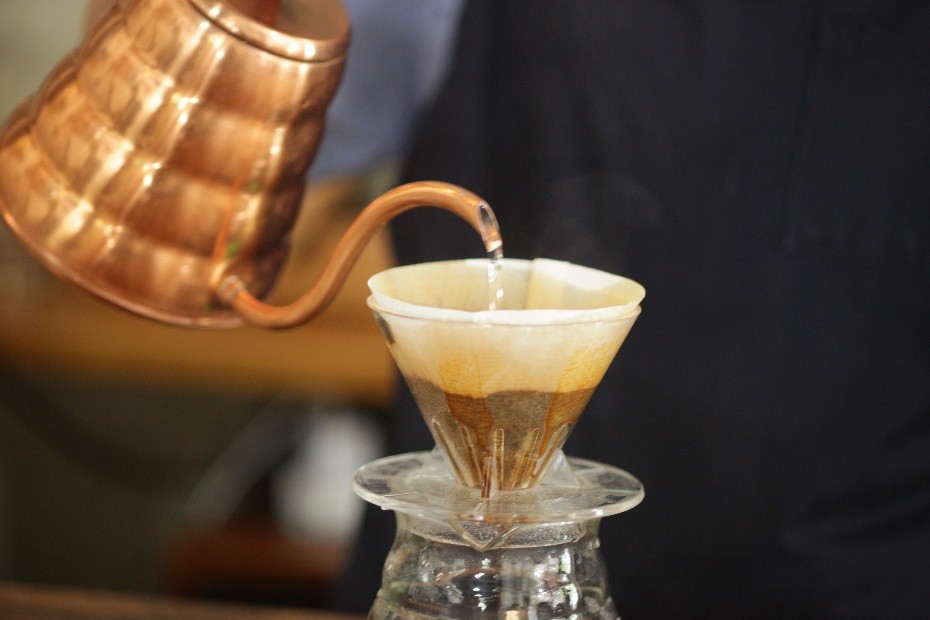 Looking back at Yunnan's coffee history, the Bourbon and Typica introduced in 1892 laid the foundation for small-bean varieties, while the rust-resistant Catimor promoted by Nestlé in 1989 drove the industry's transformation. In 2018, Yunnan specialty coffee was selected for the SCA's National Portrait exhibition in the United States, marking quality recognition. Among the three current main varieties, Catimor accounts for over 70%, and its full body and honey sweetness are especially prominent under the natural process.
 Yunnan's unique low-latitude highland climate at 21°-25° north latitude, together with 1,800-2,200 hours of annual sunshine and a 10-15°C day-night temperature difference, gives the beans bright citric acidity and a caramel finish. Core producing areas such as Menglian in Pu'er and Lujiangba in Baoshan further stabilize quality fluctuations through shade tree planting and drip irrigation systems.
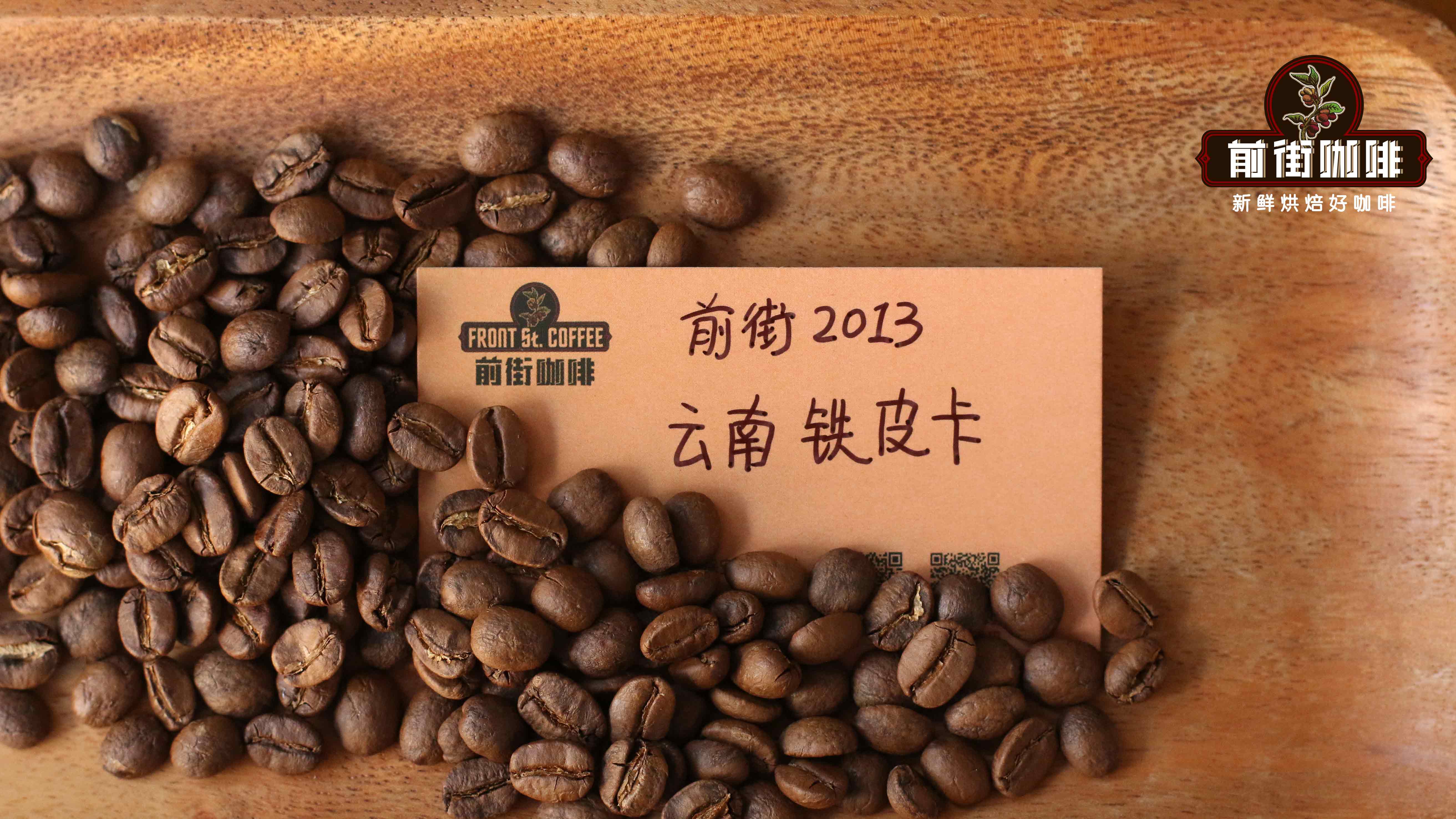 In the development of the ten local brands, from small cross-border trade starting in the 1990s to today's full industry chain spanning growing standards and certification systems, typical examples include: a southern Yunnan brand specializing in anaerobic processing, a Nujiang producing-area company developing drip-bag coffee, and a Baoshan cooperative that has built a blockchain traceability system. These practices have driven a 320% increase in the average export price of Yunnan coffee over ten years.
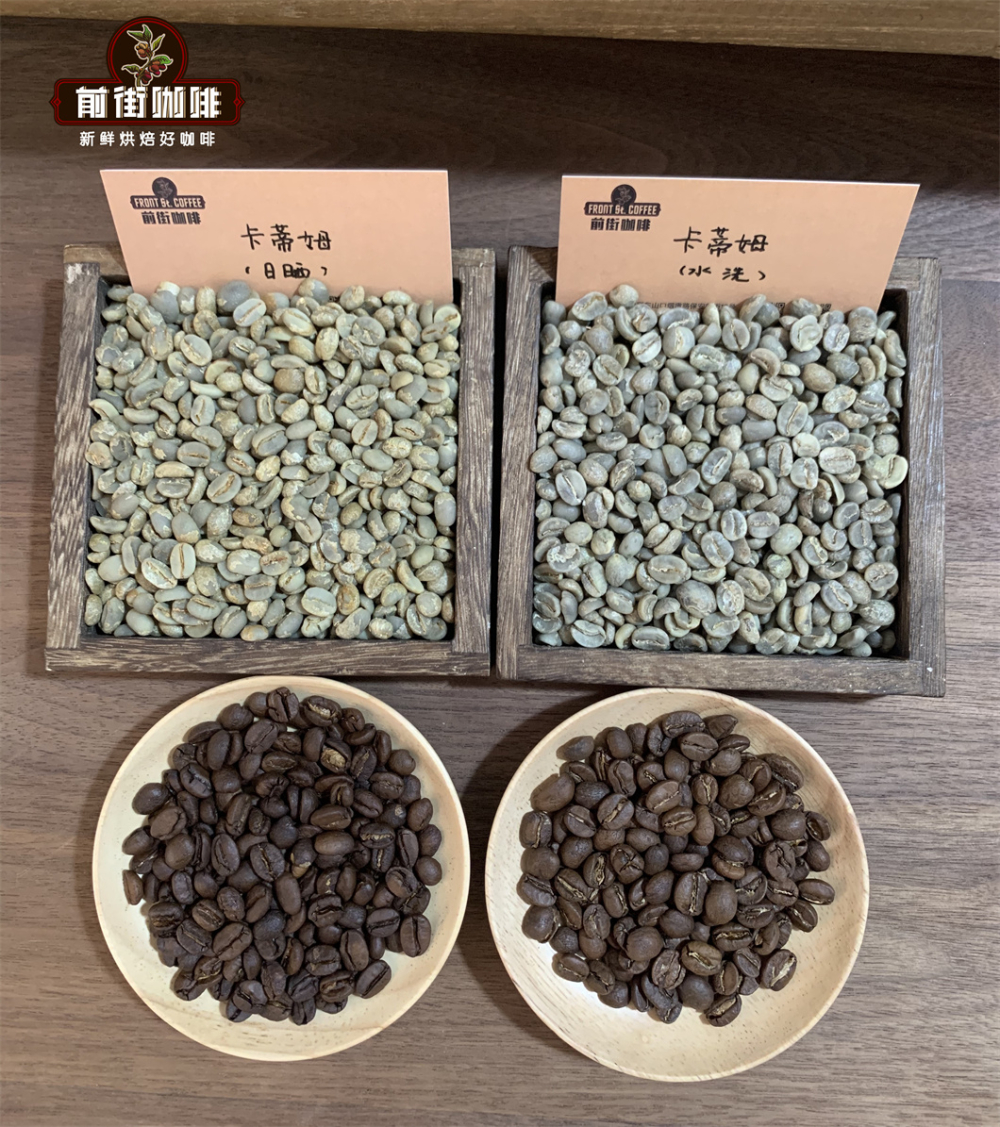 The key to future development lies in pursuing both variety improvement and consumer awareness: on one hand, enhancing Catimor's cupping score through molecular breeding (with a target of 82+); on the other, strengthening the spread of origin stories. For consumers, it is recommended to prioritize specialty lots labeled with growing elevation above 1300 meters and complete processing-plant information, and to use pour-over (90-92°C water, 1:16 coffee-to-water ratio) to fully reveal their layers.