Espresso Complete Guide: From Basic Steps to Flavor Differences and Common Types
Introduction: Espresso is an important foundation of modern coffee drinks, covering many classic types such as ristretto, latte, and cappuccino. This article starts with the core production process of espresso, explains the extraction principles and parameter settings of espresso in detail, compares its essential differences with Americano, and systematically introduces common espresso types and their characteristics, helping coffee enthusiasts and beginners fully master espresso knowledge and improve their tasting and production abilities.
Among the many coffee types, espresso is widely popular for its rich flavor and diverse drinking forms. Among them, espresso is the cornerstone of Italian-style coffee and the main raw material for making various fancy coffees. It is quickly extracted through an espresso machine after high-pressure hot water at about 92°C passes through a finely ground and compacted layer of coffee powder. This process not only extracts the solid substances in coffee but also dissolves rich flavor components, ultimately forming a small cup of rich and layered coffee liquid.
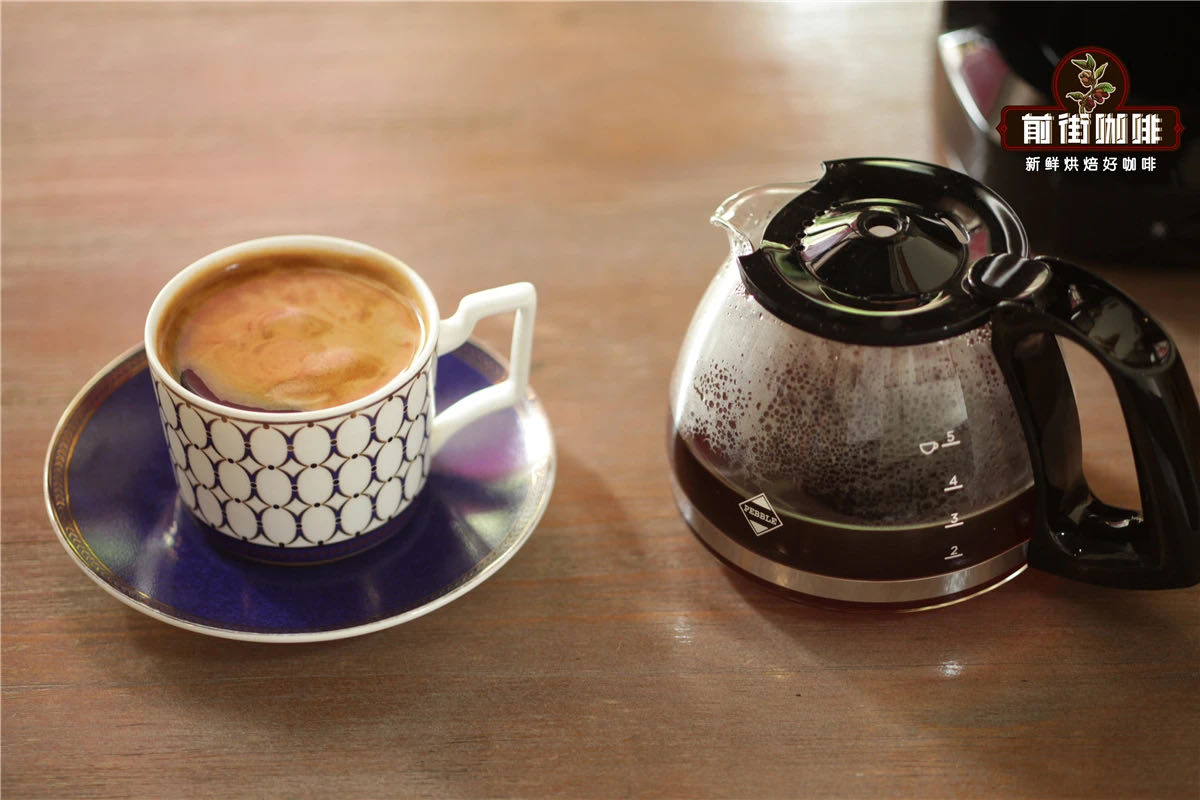
Many people often compare espresso with Americano, but in fact the two have obvious differences in production methods and flavor performance. Americano usually has two methods: one is direct extraction using a drip coffee machine, and the other is dilution by adding hot water to espresso. Tracing its history, the birth of Americano is related to American soldiers coming into contact with espresso in Europe during World War II. Because espresso has a strong taste, they habitually added water to it to restore a lighter taste similar to drip coffee. This practice later spread and gradually evolved into today's Americano. Although the name sounds "American style," in Europe this term originally even carried a slight teasing meaning.

Today, the Americano offered by most coffee shops is based on espresso, with the concentration and flavor controlled by adjusting the ratio of water to coffee liquid. A common ratio is 1:4 to 1:9, adjusted according to different coffee bean characteristics and drinking preferences. For example, hot Americano is mostly at a ratio of 1:4.5, while iced Americano may reach 1:9 to present a more refreshing taste. In addition, the use of different coffee beans also significantly affects the final flavor; some highlight a chocolate finish, while others bring obvious wine aroma and creamy texture.

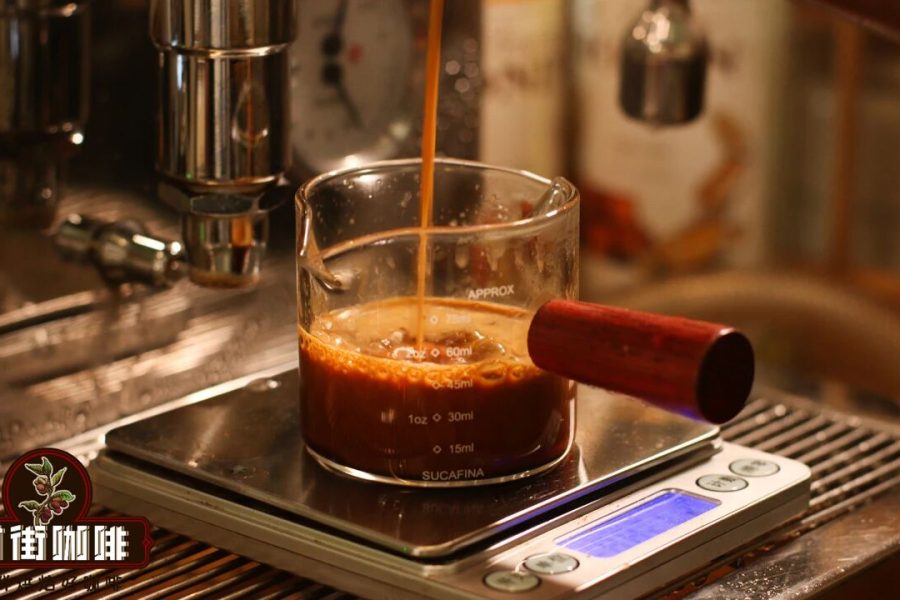
Espresso extraction has certain standards, among which the amount of coffee powder is usually between 18 and 22 grams, and this value needs to be adjusted according to the size of the filter basket used. The most common extraction ratio is to target a liquid weight twice the amount of coffee powder; for example, when using 18 grams of coffee powder, it is recommended to extract about 36 grams of coffee liquid. If this range is exceeded, over-extraction is likely to occur, resulting in a bitter taste and more off-flavors. However, this ratio is not absolute. Some coffee shops fine-tune parameters according to the characteristics of their own beans, such as using 20 grams of coffee powder to extract 36 grams of coffee liquid to enhance the aroma and flavor fullness of the final product. The liquid weight is generally 1 to 3 times the weight of the coffee powder, with 2 times being the most commonly used baseline.
In addition to the powder-to-water ratio, extraction time is equally critical and is usually controlled between 25 and 35 seconds. This time range directly affects the balance of acidity and sweetness and the expression of bitterness in coffee. If extraction is too fast, the coffee often has prominent acidity and insufficient sweetness; if the time is too long, bitterness and dullness are likely to occur. Therefore, the grind size needs to be flexibly adjusted according to the actual extraction time to ensure the best flavor performance.
The most direct way to judge whether a cup of espresso is qualified is to taste it. However, for a more objective evaluation, some professional baristas use a refractometer to measure the total dissolved solids (TDS) in coffee, thereby calculating extraction strength and extraction percentage. Through the formula (%TDS × coffee liquid weight) / coffee powder weight = extraction percentage, the extraction efficiency of each cup of coffee can be quantified, and parameter settings can then be optimized.

Although the production process of espresso may seem complex, as long as the basic steps are mastered, stable output can be achieved. Taking the common production of espresso as an example, the standard process includes: first clean the filter basket to ensure no moisture remains; then accurately weigh the coffee powder, keeping the error within ±0.1 grams as much as possible; then distribute the powder evenly so that the coffee powder is distributed consistently in the filter basket; then tamp to ensure the puck is dense and flat; lightly tap the handle to remove excess powder, then install it on the coffee machine; finally start the extraction button, wait for the coffee liquid to flow out, then remove the handle and clean the brew head to ensure the equipment is clean and ready for the next cup.

For coffee enthusiasts who want standardized operation, a commonly used espresso recipe is: use 20 grams of coffee powder, target 40 grams of coffee liquid, and control the time at about 30 seconds. This parameter combination balances flavor concentration and taste balance, suitable for most coffee beans and daily drinking scenarios.

After mastering the production of espresso, other common espresso drinks can be made by simply adding ingredients. For example, latte and cappuccino are both made by adding different proportions of steamed milk and milk foam to espresso. Iced coffee is more direct to make, usually by mixing hot espresso with ice cubes or cold milk. When making hot milk coffee, using the steam wand built into the coffee machine to froth milk is a key step; mastering the fineness and temperature of the milk foam will directly affect the taste and layers of the final drink.
Today, there are also many fully automatic coffee machines on the market that simplify the operation process and can complete the entire process from grinding to extraction with just one button, making them more suitable for users seeking convenience. But for those who truly want to understand the essence of coffee and improve their production skills, becoming familiar with every step and parameter meaning of espresso is still an irreplaceable process.

Overall, espresso is not just a drink but a complete system integrating technology, science, and art. From the basic extraction of espresso to the flavor presentation of different coffee types, and to the control of every detail in the production process, all are worth in-depth exploration and practice by coffee enthusiasts. Whether made at home or served in a shop, understanding these core pieces of knowledge will help you better enjoy the unique charm of espresso.