Cold drip coffee: brew time and best beans
Introduction: Cold drip coffee has become a popular summer drink for its uniquely mellow, refreshing and clean taste, but its brew time of a dozen or more hours and its relatively high price leave many enthusiasts with questions. This article examines the principles of cold drip coffee, the equipment, the time required, the coffee bean types that suit it, and how its flavour develops and how it should be stored, explaining this low-temperature slow-extraction coffee in full to help you better understand it and choose the cold drip you like.
As temperatures rise, cold drip coffee gradually becomes the summer first choice of many coffee lovers. Walking into a café, people often order directly: "Boss, a cold drip!" But some customers are confused about the difference between cold drip and an ordinary iced Americano, and even choose the more familiar iced Americano because of the higher price or the long wait.
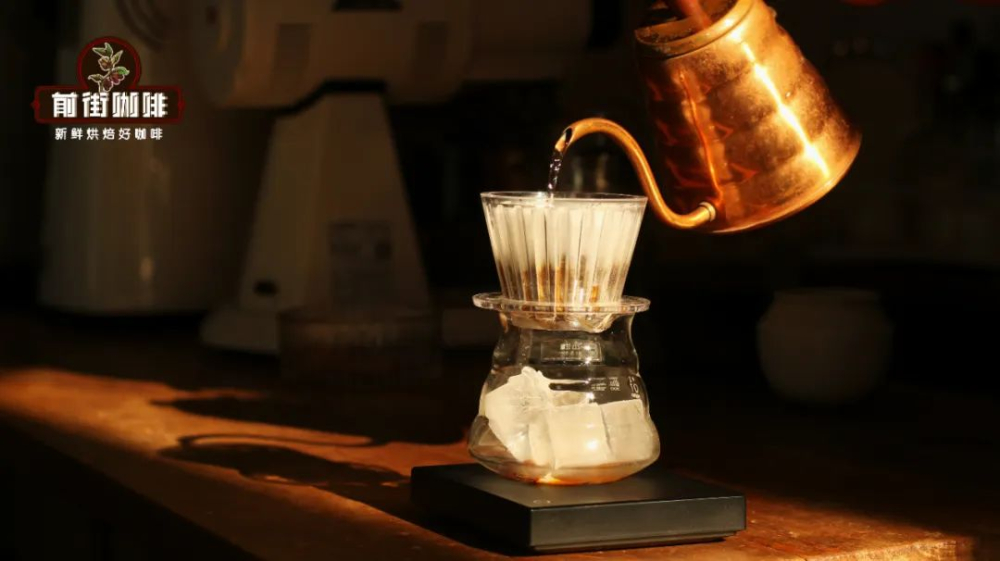
Iced coffee on the market falls roughly into two categories: one is hot-extracted coffee that is rapidly brewed with hot water and then cooled with ice, such as the common iced pour-over and iced Americano; the other is cold brew coffee extracted slowly with low-temperature or room-temperature water, and cold drip is the most classic form of the cold brew process.

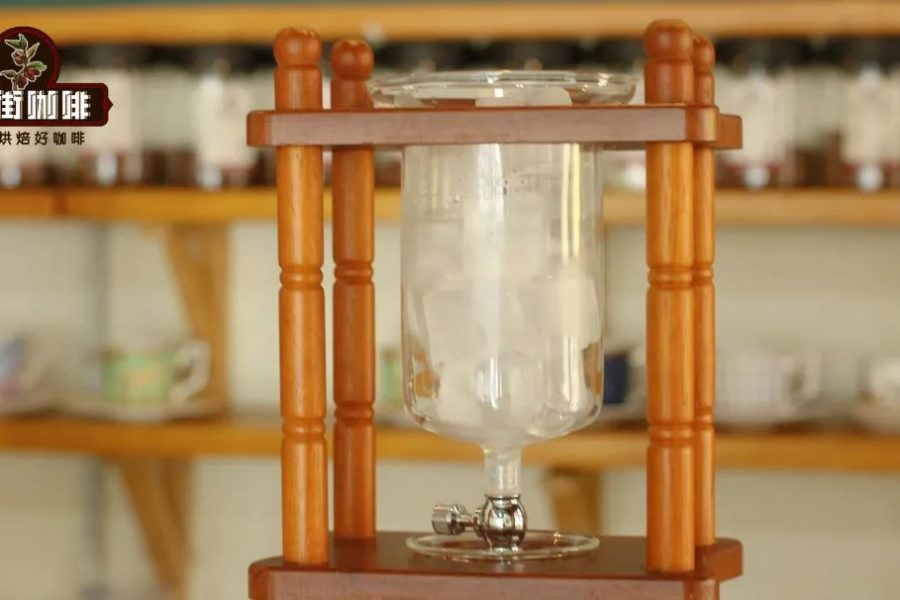
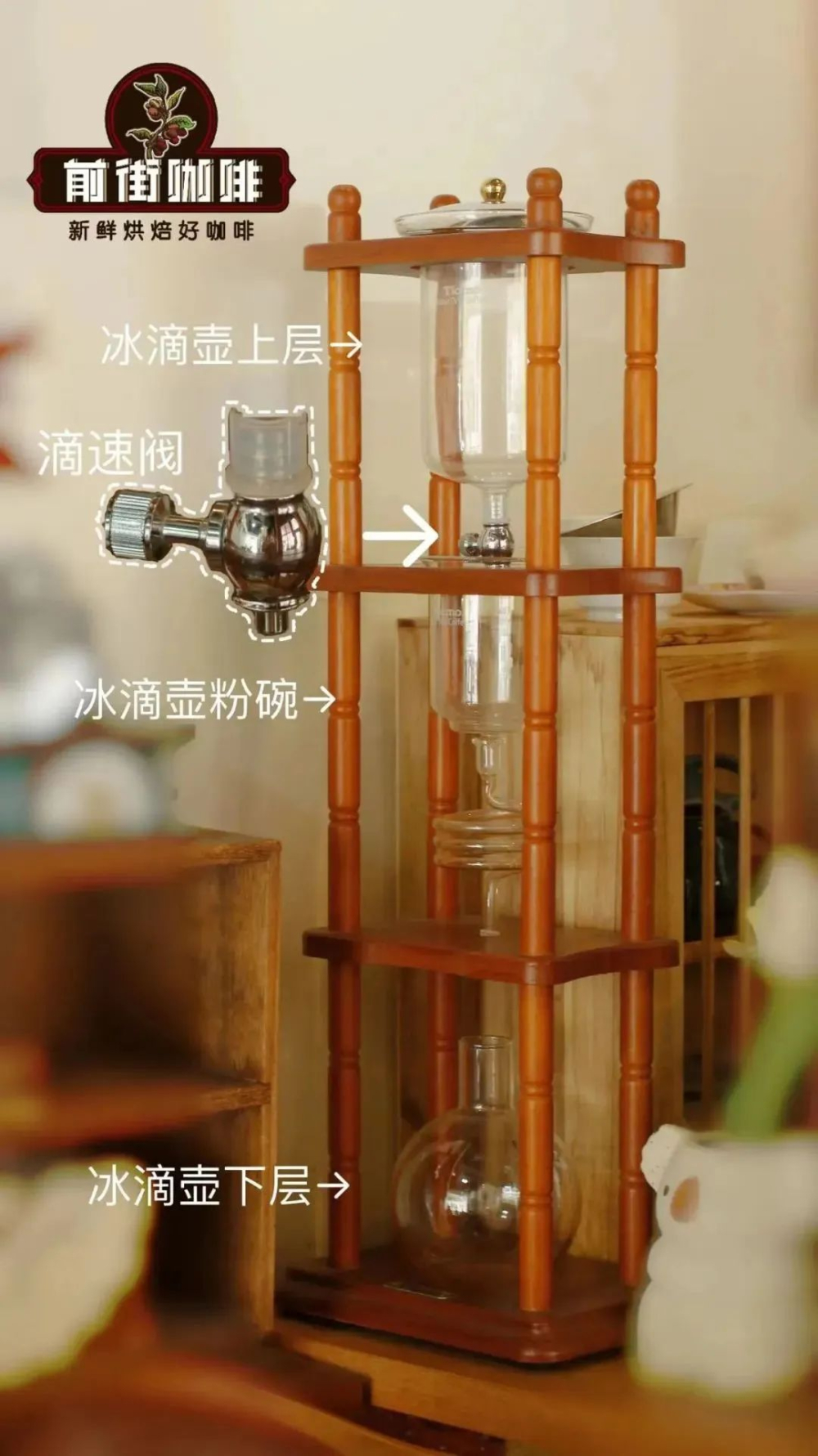
The reason cold drip coffee is relatively expensive is inseparable from its complex production process. Compared with simple cold brew, which needs only a refrigerator and a container, cold drip requires a dedicated drip-filter device — a cold drip tower — to complete the whole extraction process. Cold drip towers on the market come in many shapes and cost from a few dozen yuan to over a thousand yuan, but the basic structure usually includes three core parts: the upper pot (used to control the drip rate of ice water), the middle filter cup (which holds the coffee grounds), and the lower pot (which catches the extracted coffee liquid).
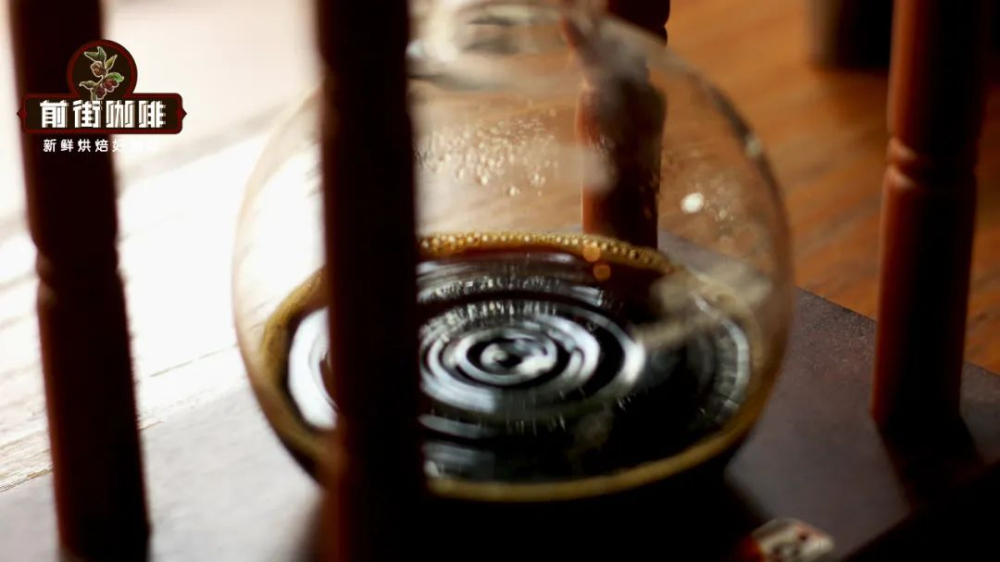
During cold drip production, low-temperature water drips continuously onto the layer of coffee grounds at an extremely slow rate (about 1–2 drops per second, or 7–8 drops every 10 seconds), extracting flavour compounds through long contact, and then drips naturally into the lower pot by gravity. The whole process generally lasts 5 to 8 hours, with the specific duration adjusted according to the amount of grounds and the speed of the drip.

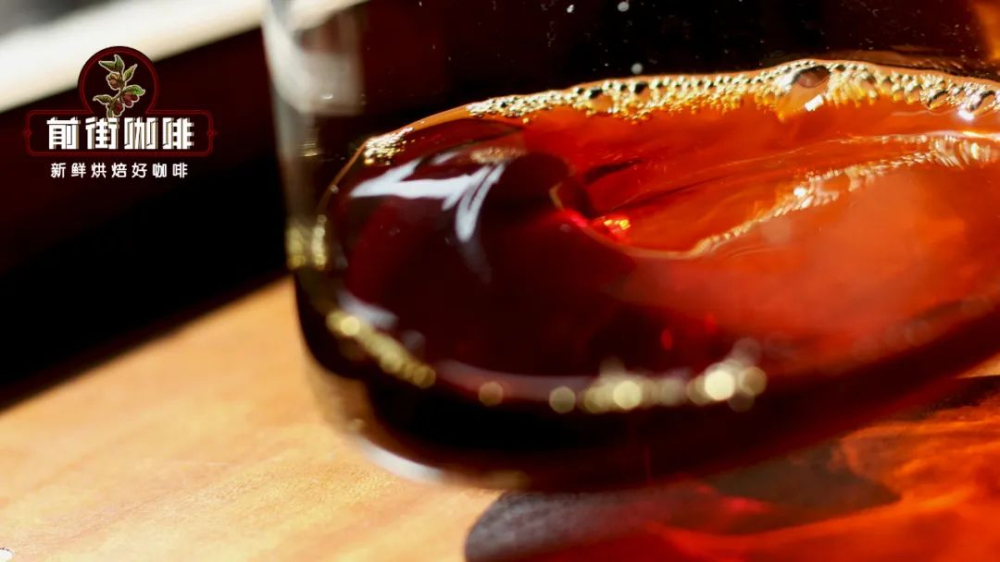
Unlike the "static soaking" method of traditional cold brew coffee, cold drip is a kind of "dynamic extraction": the ice water is constantly renewed as it contacts the coffee grounds, avoiding over-extraction and the release of impurities, so the taste is usually cleaner and clearer, with richer layers. In addition, after the cold drip is finished it usually needs to go through a process of "low-temperature maturation": the extracted liquid is sealed and refrigerated for at least 8 hours, allowing the coffee to ferment slightly in a low-temperature environment and develop a unique mellow and wine-like aroma. This process is also often called the source of the "cold drip taste".
So how long does it actually take to make a standard pot of cold drip coffee? Taking the extraction of 600 millilitres of concentrated coffee liquid as an example, from the start of dripping to the end takes about 5 to 8 hours, and adding the subsequent low-temperature standing and fermentation time, the whole process often exceeds 10 hours. For this reason, some cafés offer a reservation service to ensure that customers taste cold drip in its best flavour state.
It is worth noting that cold drip coffee usually uses a larger amount of coffee grounds. For example, making 600 millilitres of coffee liquid may require 60 grams of coffee grounds, which in the end can only be divided into about 3 cups (about 200 millilitres each, with ice). If the same amount of grounds were used for pour-over, 4 standard pour-over coffees could be made (about 15 grams of grounds per cup). This is also one of the reasons cold drip coffee has higher costs and prices.
So what kind of coffee beans are more suitable for making cold drip? To highlight cold drip's distinctive elegant wine-like feel and layered flavour, it is recommended to choose high-quality single-origin coffee beans with obvious floral and fruity aromas, a fermented feel or bright acidity. Under the dual action of slow drip filtration and low-temperature maturation, these beans can show richer fruit aromas and a mellow finish; for example, varieties with citrus, berry, tropical fruit or lightly fermented wine aromas can often bring a more memorable drinking experience.
When choosing coffee beans, you should also pay attention to the roast level. Usually, medium-light roasted coffee beans better express the freshness and delicacy of cold drip, while overly dark roasts easily bring burnt bitterness and a dull feel, which is not conducive to showing the pure flavour of cold drip. In addition, freshness is also key; it is recommended to use coffee beans within 1–3 weeks after roasting to ensure the best flavour release.
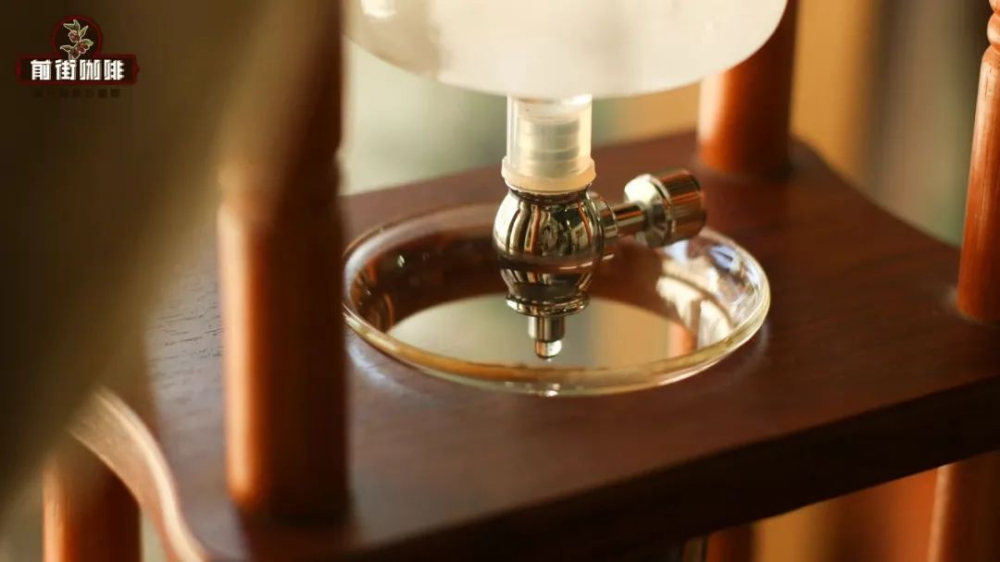
Besides bean variety and roast level, some practical details should be noted when making cold drip. For example, during dripping, pay attention to whether the drip rate is even, and avoid the drip nozzle becoming blocked by freezing at low temperature; if necessary, adjust the valve manually or tap the pot lightly to help clear it. In addition, the coffee liquid collected in the lower pot should avoid direct sunlight and high-temperature environments as much as possible, to reduce the risk of oxidation and keep the flavour stable.
Overall, the charm of cold drip coffee lies in its delicate, clear taste with a slight fermented complexity; it is a restrained yet refined choice for summer. Although its production time is long and its cost is high, as long as you master bean selection, the coffee-to-water ratio and the drip conditions, you can enjoy a cup of cold drip coffee comparable to professional level at home or in a café.