Kenya SL28/SL34 Coffee: Flavor Profile and Pour-Over Guide
Introduction: Kenyan coffee is known for its bright acidity and complex fruit aromas, and its core growing regions' high altitudes and volcanic soils create its distinctive flavors. This article takes an in-depth look at the flavor characteristics of the Kenyan SL28/SL34 varieties, reveals how altitude and soil affect the coffee's taste, and offers professional pour-over parameter recommendations to help enthusiasts precisely master the brewing technique for this specialty coffee.
On the global specialty coffee map, Kenya has always held an important place. Although its coffee-growing history is shorter than that of Central American countries, Kenya has successfully cultivated a highly recognizable coffee style thanks to a well-developed production and marketing system and a growing model dominated by smallholders. The country's main coffee belt is distributed around Mount Kenya, and the plateau and hilly terrain provide an ideal growing environment for coffee trees.

Kenyan coffee is often described as a drink that provokes strong feelings—enthusiasts are captivated by its bright acidity and layered flavors, while first-time tasters may be deterred by its intense impact on the palate. This trait stems from the region's exceptional natural conditions and varietal advantages, especially the two classic coffee varieties SL28 and SL34, which together shape the full, balanced flavor framework of Kenyan coffee.

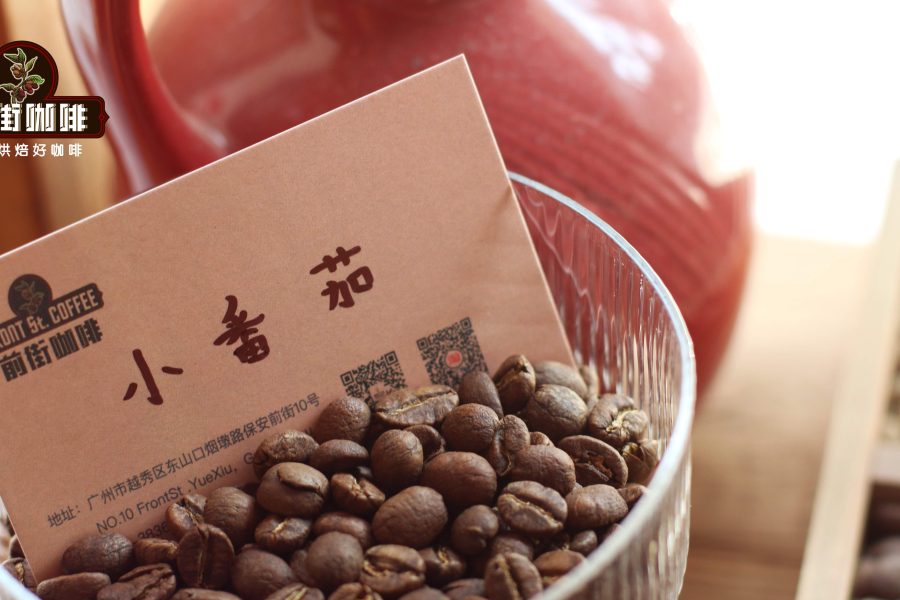
Take the Kenyan coffee produced by the Asali washing station in the Thika region (common product names include distinctive names such as "Little Tomato") as an example. This type of coffee usually has the following core parameters: growing altitude of 1,550–1,750 meters, volcanic soil rich in minerals, SL28 and SL34 varieties, and 72-hour washed fermentation. The flavor profile of these beans often features berry notes such as blackcurrant and citrus, along with a distinctive tomato-like acidity and a plum finish; the body is medium but the sweetness is prominent, and overall cleanliness is extremely high.

Among the factors affecting Kenyan coffee flavor, altitude is one of the most critical variables. The climate characteristics of high-altitude areas (usually above 1,500 meters) significantly slow the ripening of coffee cherries—lower temperatures extend the coffee tree's growth cycle, allow fuller accumulation of the mucilage layer, and ultimately form denser beans with more concentrated flavor compounds. Research shows that for every 100 meters of elevation gain, the sucrose conversion efficiency of coffee beans increases by about 3%–5%, which directly explains why high-mountain coffee generally has brighter sweetness and complexity. In addition, the day-night temperature difference in high-altitude areas can also suppress diseases such as leaf rust, ensuring fruit health.

Volcanic soil is likewise an important shaper of Kenyan coffee flavor. This type of soil is formed by the weathering of magma after volcanic eruptions and is naturally rich in trace elements such as phosphorus, potassium, boron and zinc, providing comprehensive nutritional support for coffee trees. At the same time, the loose structure characteristic of volcanic soil has excellent drainage performance, which can prevent the risk of root rot caused by waterlogging. Notably, the microclimates often associated with volcanic areas (such as morning fog and alternating afternoon showers) further regulate the growth rhythm of coffee trees, encouraging the fruit to ripen slowly and evenly.

At the varietal level, SL28 and SL34 can be called the soul of Kenyan coffee. These two varieties, developed by Scott Laboratories in the 1930s, may have technology-sounding names, but they are in fact high-quality lines shaped by decades of natural selection. SL28 has a tall tree and bright green leaves, is strongly drought-resistant but susceptible to leaf rust, and its fruit usually produces coffee with bright acidity and notes of lemon and black tea; SL34 shows bronze leaf margins, has slightly higher nutritional requirements, and its flavor leans toward a complex acidity of grapefruit and plum. Modern genetic testing shows that both varieties are related to the Bourbon lineage, which explains why they combine high yield potential with excellent cupping performance—together they currently account for about 80% of Kenya's total coffee exports.

For home brewers, extracting Kenyan coffee poses a certain challenge. Common mistakes include over-extraction leading to bitterness (extending brew time in pursuit of higher concentration) or under-extraction causing sharp acidity (grinding too coarse or water temperature too low). The standard parameters of professional cafés can serve as a reference baseline: V60 dripper with 15 grams of grounds, water temperature 91°C, water-to-coffee ratio 1:15 (i.e., 225 milliliters of water), with grind size controlled at 80% passing through a No. 20 standard sieve (equivalent to medium-fine grind in the Chinese standard). The specific operation is divided into three-stage pouring: first pour 30 grams of water and bloom for 30 seconds, then pour in a slow circular stream until the scale reads 125 grams and pause, and when the water level drops to the surface of the coffee bed, resume pouring to 225 grams, with a total extraction time of about 2 minutes. In actual brewing, fine-tune to personal taste—for brighter acidity, lower the water temperature to 90°C or shorten the time; for a fuller sweetness, raise the water temperature to 92°C and extend to 2 minutes 10 seconds.

Beyond parameters, bean freshness and storage method also directly affect the final flavor. It is recommended to choose coffee beans with a roast date within 1–2 weeks, and after opening, store them in an airtight container away from light (no need to refrigerate); the optimal enjoyment period is usually 2–4 weeks after roasting. If during brewing the flavor deviates from expectations (such as harsh acidity or flatness), first check whether the grind size matches the dripper's characteristics, or try adjusting the water temperature and pouring rhythm.

From plantation to cupping table, the unique charm of Kenyan coffee is the result of natural gifts and human wisdom working together. Understanding the synergistic effects of altitude, soil, variety and processing method not only helps enthusiasts appreciate the flavor layers of this coffee more deeply, but also provides a scientific basis for precisely controlling the brewing process. Whether pursuing a sensory experience bursting with fruit acidity or exploring the diversity of coffee terroir, Kenya SL28/SL34 is a classic choice not to be missed.