Drip Bag Coffee Brewing Guide: Pour-Over Tips & Cold Brew
Introduction: Master the correct brewing method for drip bag coffee to easily recreate professional-grade flavor. This article explains in detail the brewing parameters, water temperature control, pouring technique, and cold brew tips for drip bag coffee, answers common questions such as whether a single brew is reasonable and why flavor declines, and provides practical operating advice to help you enjoy a quality coffee experience at home.
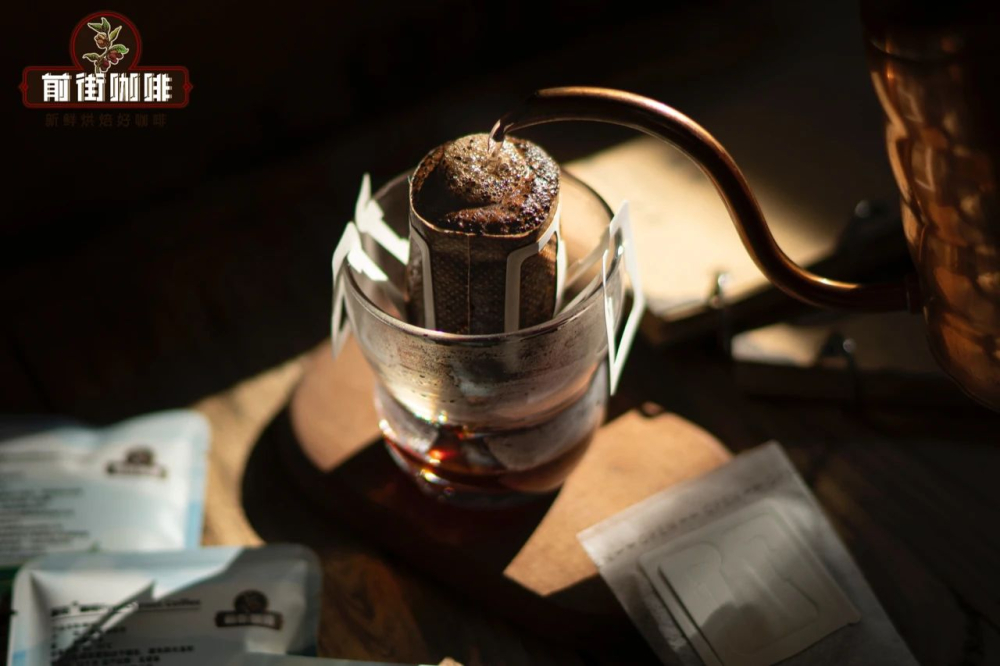
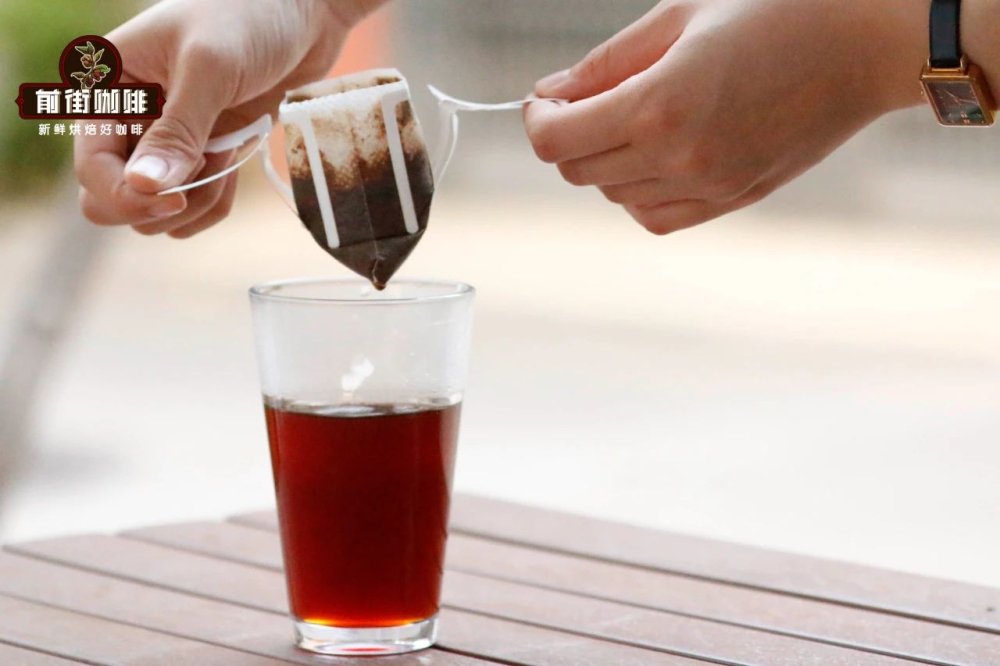
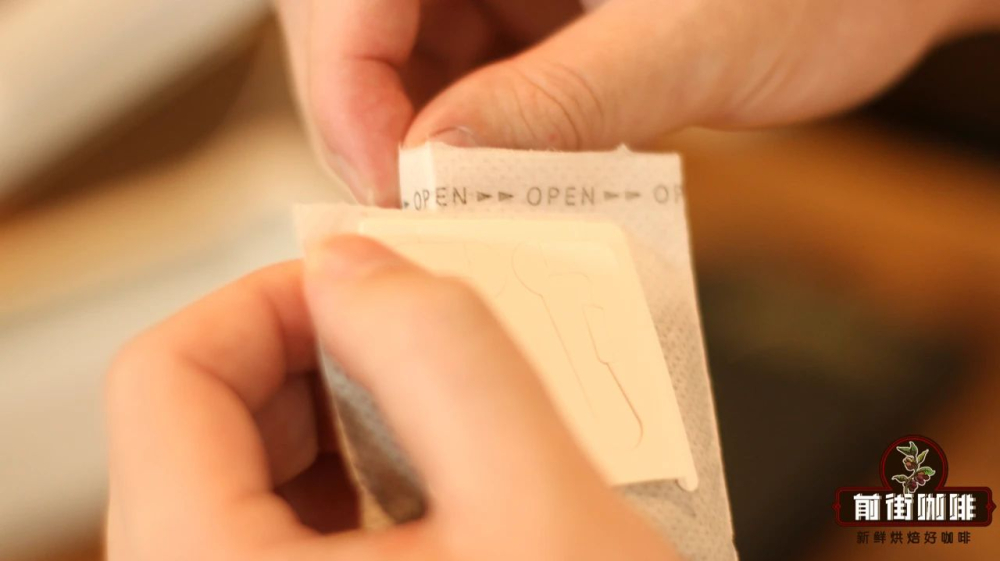
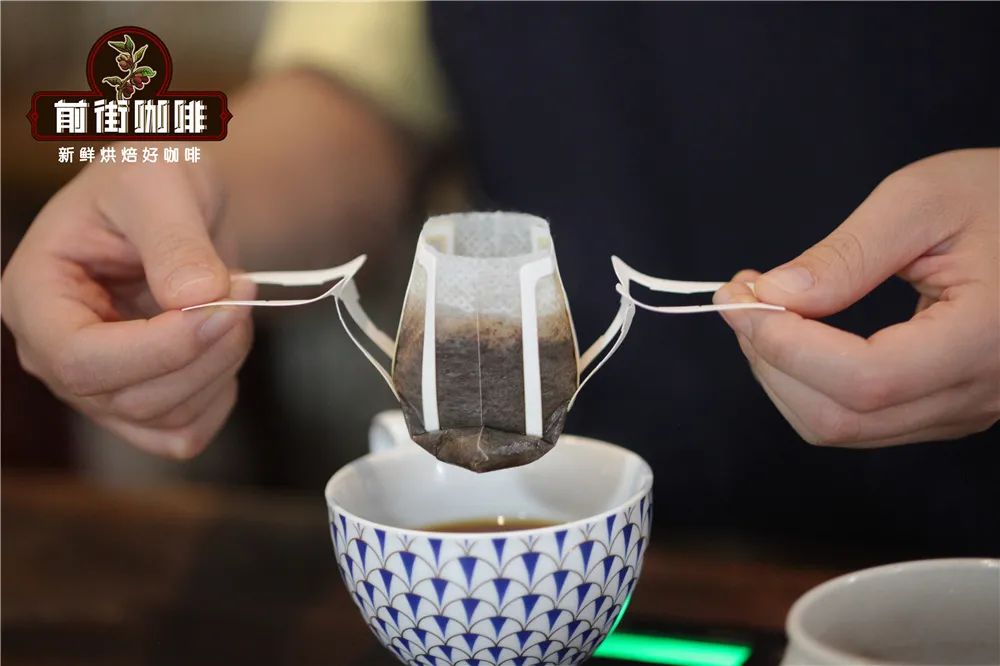
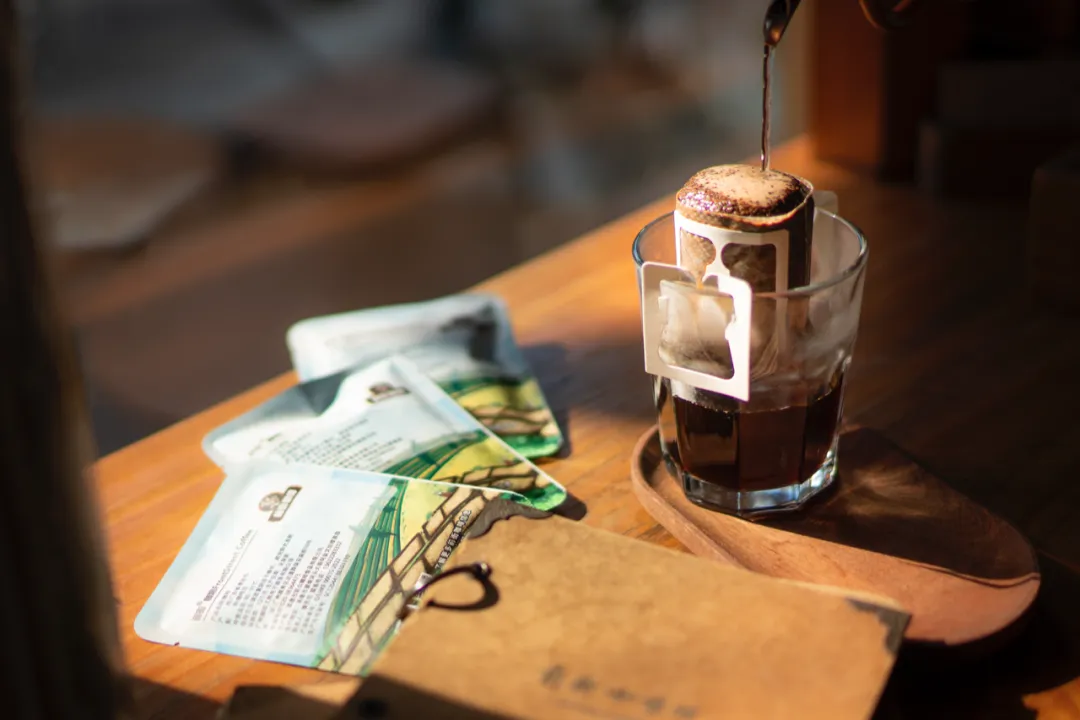
Drip bag coffee has become a daily choice for modern coffee lovers thanks to its convenience, but how do you brew a cup close to pour-over quality? The key lies in understanding its design principles and brewing logic. This pre-ground coffee filter bag is secured to the rim of the cup by the "ears" on both sides, eliminating the need for complex equipment while still requiring adherence to scientific extraction principles.
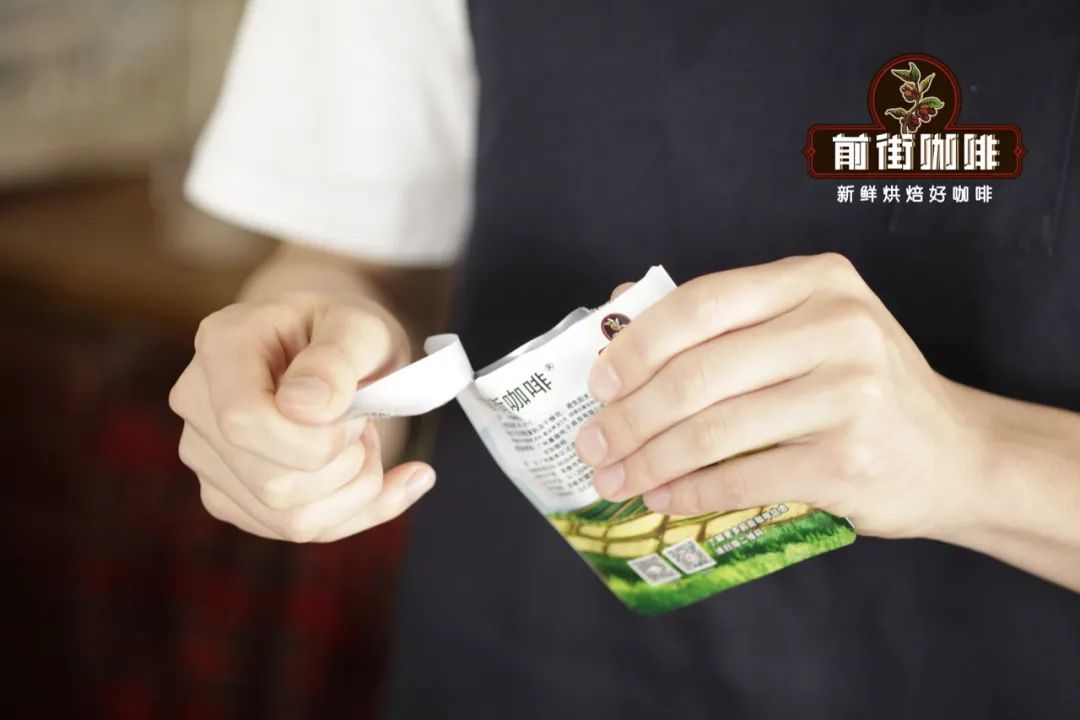
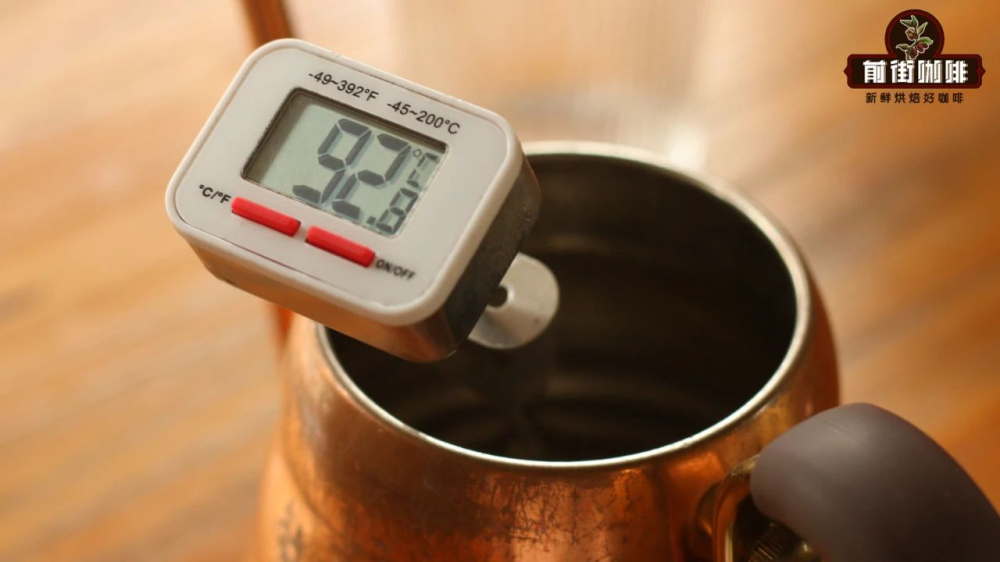
The standard brewing parameters recommend using 10 grams of coffee grounds, with a coffee-to-water ratio controlled in the range of 1:15 to 1:16, that is, pouring in 140-150 milliliters of hot water. The water temperature should ideally be around 90°C—if you don't have a thermometer, you can let boiling water rest for 2-3 minutes (at an ambient temperature of 28°C) to reach the ideal range. It is worth noting that the freshness of pre-ground coffee directly affects the speed of flavor release, so it is recommended to drink it as soon as possible after opening.
{{IMG}}
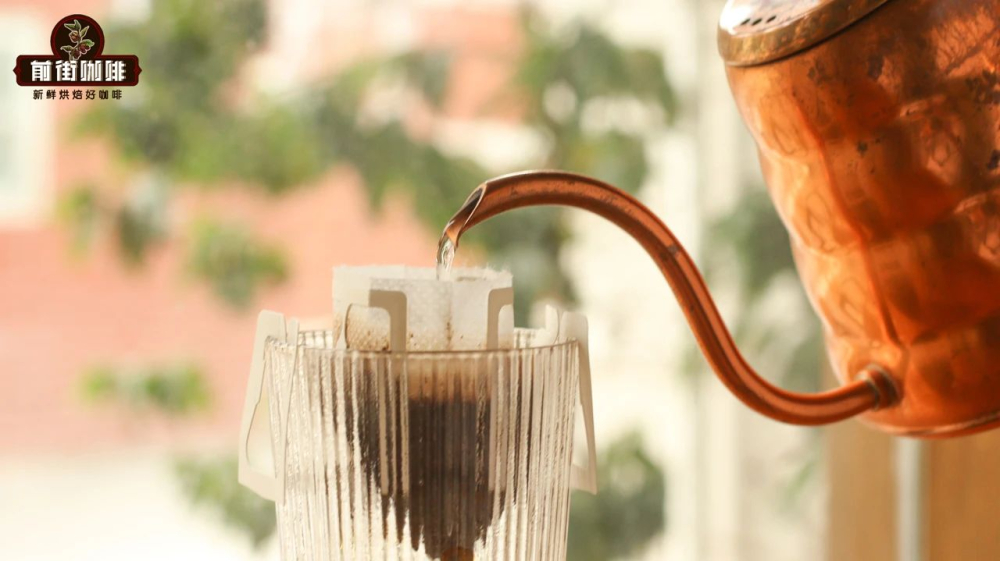
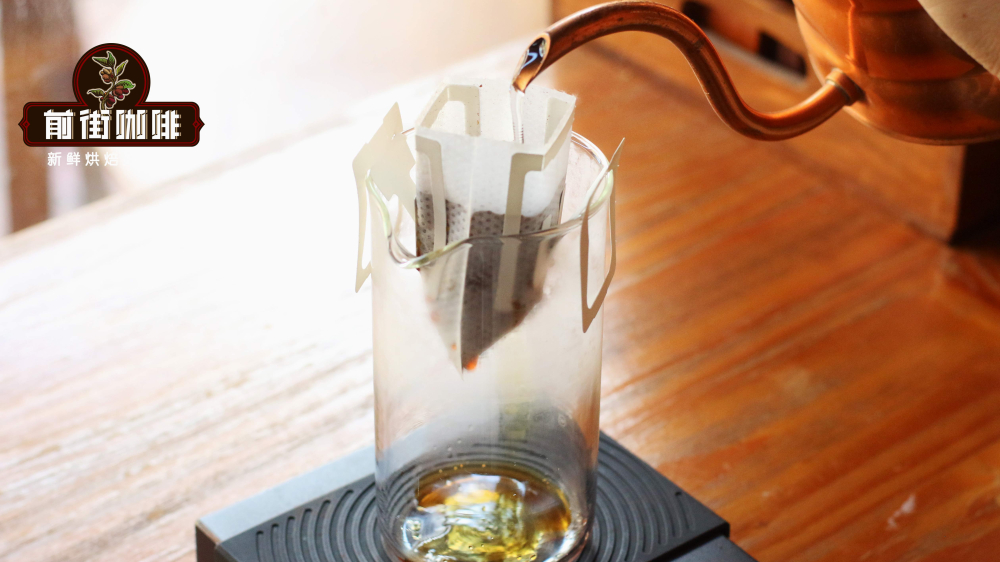
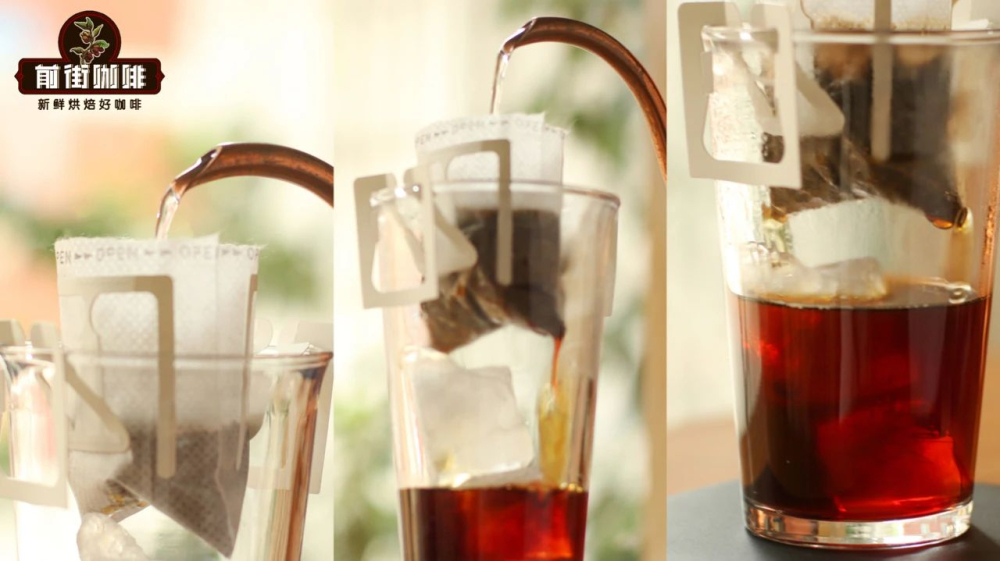
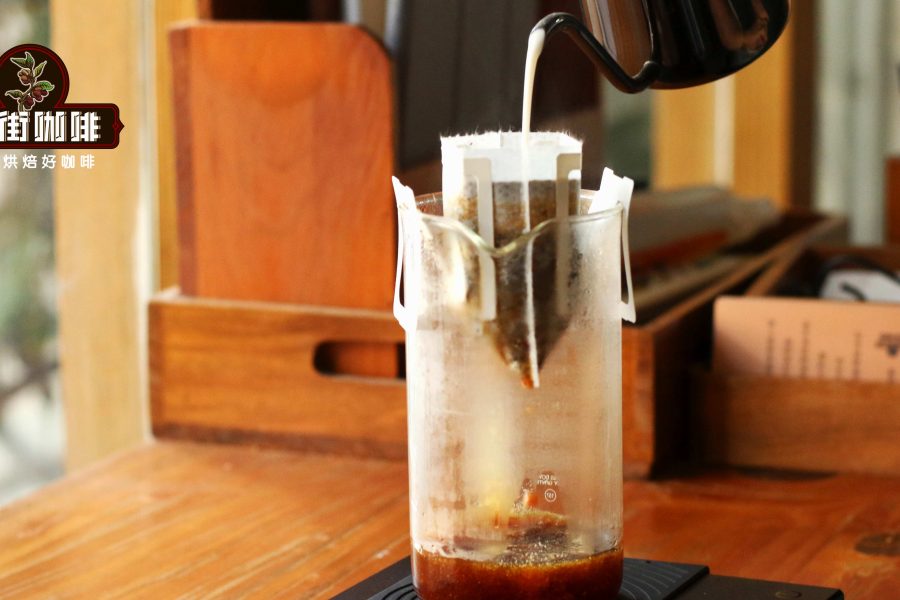
The brewing process consists of five steps: after preheating the cup, hang the filter bag on the rim of the cup and smooth the coffee grounds; first pour in a small amount of hot water and let it bloom for 30 seconds to awaken the coffee grounds; then pour water using a center-outward radial pattern combined with circular motions, keeping the flow steady, and add water in 2-3 stages up to the target volume. For the best results, complete the entire process within 60 seconds. If using a measuring kettle (150-160 ml), you can remove the filter bag after all the water has dripped through.
{{IMG}}
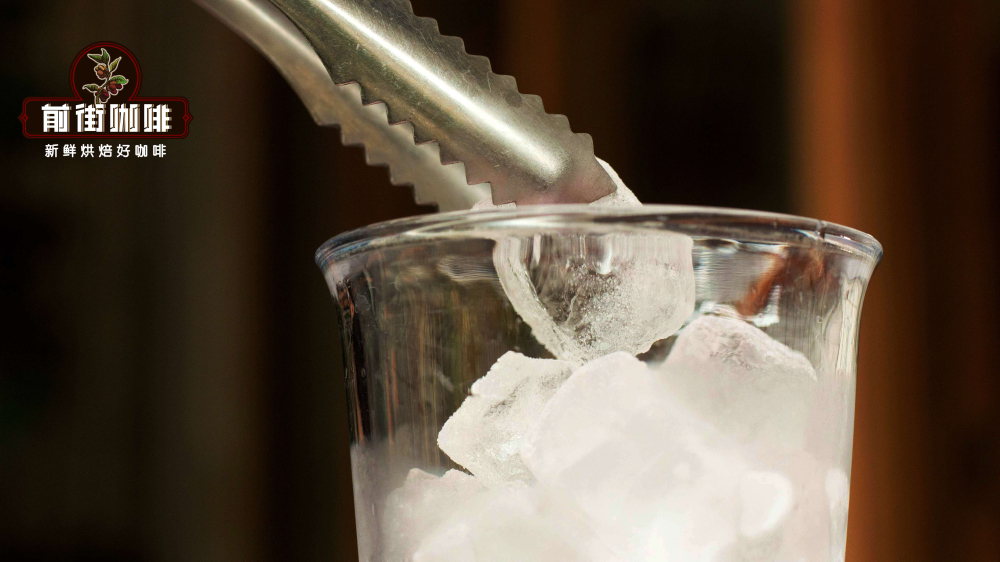
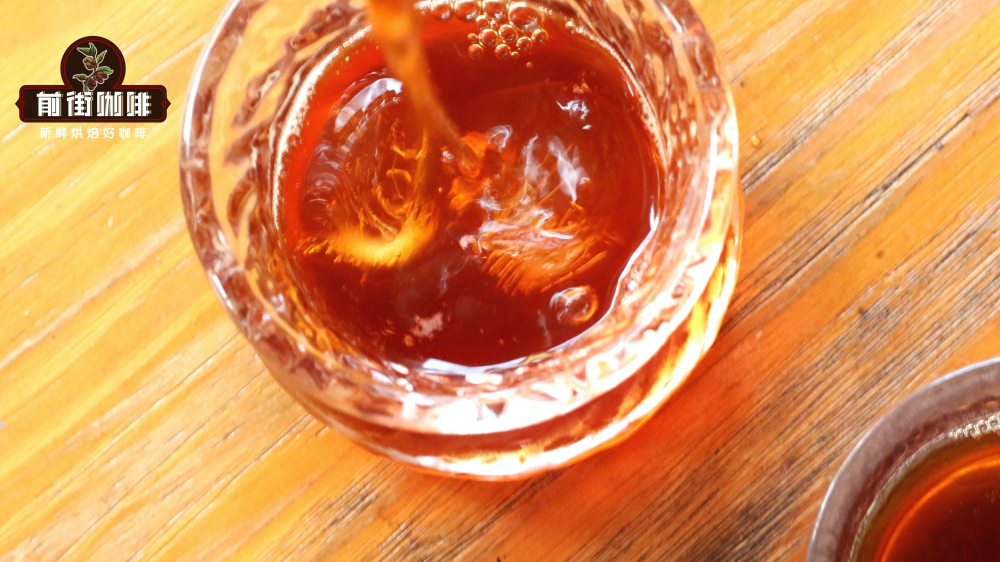
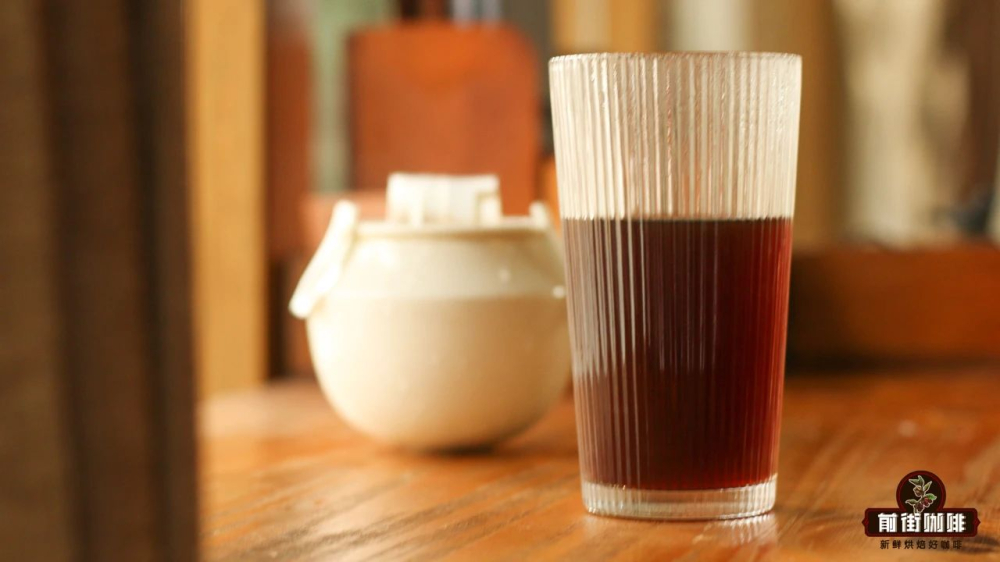
Cold brew drip bags require an adjusted approach to avoid dilution issues. It is recommended to first pour 100 milliliters of 93°C hot water, steep for 3 minutes for full extraction, then remove the filter bag, and finally cool it down with ice cubes. This method preserves flavor concentration better than adding ice directly; experiments show it can increase the retention rate of caffeine and aromatic compounds by about 15%. It is recommended to use large solid ice cubes to slow the melting rate and obtain a more balanced taste.
{{IMG}}
Why is drip bag coffee unsuitable for multiple brews? The essence lies in the limited extractable substances in coffee grounds—only about 30% of the flavor components can be dissolved by water, while the remaining 70% is non-extractable fibrous material. Even if the steeping time is extended, the taste of subsequent brews will be noticeably weak and may carry unpleasant off-flavors, which is the same principle as tea becoming bland after multiple infusions.
{{IMG}}
Common mistakes in operation include: using water that is too hot (which easily leads to over-extraction and bitterness), pouring too quickly (causing channeling), and insufficient blooming (affecting aroma development). In particular, note that although the paper of drip bag filters is claimed to be food-grade, prolonged soaking may still release trace impurities, so it is recommended that contact with liquid not exceed 4 minutes.
{{IMG}}
Regarding the choice of flavor types, common products on the market can be roughly divided into five categories: fruity types usually present citrus notes (suitable with breakfast); floral types carry jasmine or white flower aromas (a preferred afternoon pick-me-up); fermented types feature rice wine or berry characteristics (a warm winter drink); full-bodied types are known for chocolate and nutty finish (an after-meal pairing); specially processed products may carry honey or caramel sweetness (seasonal limited editions). Adjusting water temperature and grind size according to personal taste preferences (drip bags are already pre-ground, so this refers to choosing different products) can further optimize the experience.
{{IMG}}
For storage, note the following: unopened drip bags should be placed in a cool, dark place; after opening, it is recommended to store them in an airtight jar with a food desiccant. If the coffee grounds develop a rancid oily smell or darken in color, it means the aromatic compounds have begun to oxidize, and the flavor of the brew at this point will be greatly compromised.
{{IMG}}
Advanced technique: for users seeking layered complexity, try the staged pouring method—first pour 60% of the total water for the base extraction, wait 10 seconds, then add the remaining water; this can enhance the coffee's three-dimensional flavor expression. Also note the influence of ambient temperature: in winter the water temperature can be raised appropriately to 92°C, while in summer it is recommended to lower it to 88°C to prevent over-extraction.
{{IMG}}
Regarding equipment alternatives: when there is no dedicated drip bag cup, an ordinary mug works just as well, but make sure the rim is flat so the filter bag hangs securely. In outdoor settings, you can make a simple drip device from a mineral water bottle by fixing the filter bag at the bottle mouth and inverting it to achieve gravity extraction; be careful to control the flow rate to avoid overflow.
{{IMG}}
Finally, a reminder: although drip bag coffee simplifies the process, the core is still following the three principles of "freshly ground, proper water temperature, and precise coffee-to-water ratio." Through systematic practice, even beginners can master consistent brewing skills within 1-2 weeks and enjoy a drinking experience comparable to a professional coffee shop.
{{IMG}}
{{IMG}}
{{IMG}}
{{IMG}}
{{IMG}}
{{IMG}}
{{IMG}}
{{IMG}}
{{IMG}}