African vs. American Beans for Pour-Over: Flavor and Brewing Tips
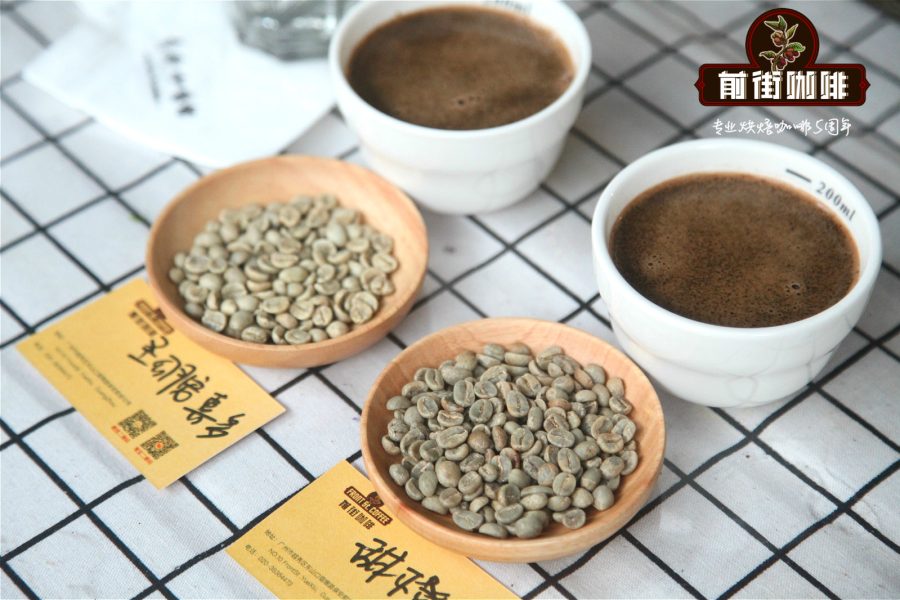
Introduction: African and American beans each have distinctive characteristics in pour-over coffee: the former is known for bright fruit acidity and floral notes, while the latter wins with mellow sweetness and balanced body. This article analyzes representative bean varieties from the two major producing regions in detail, from growing environment and processing methods to flavor characteristics, and provides brewing parameter references to help you choose according to your taste preferences.
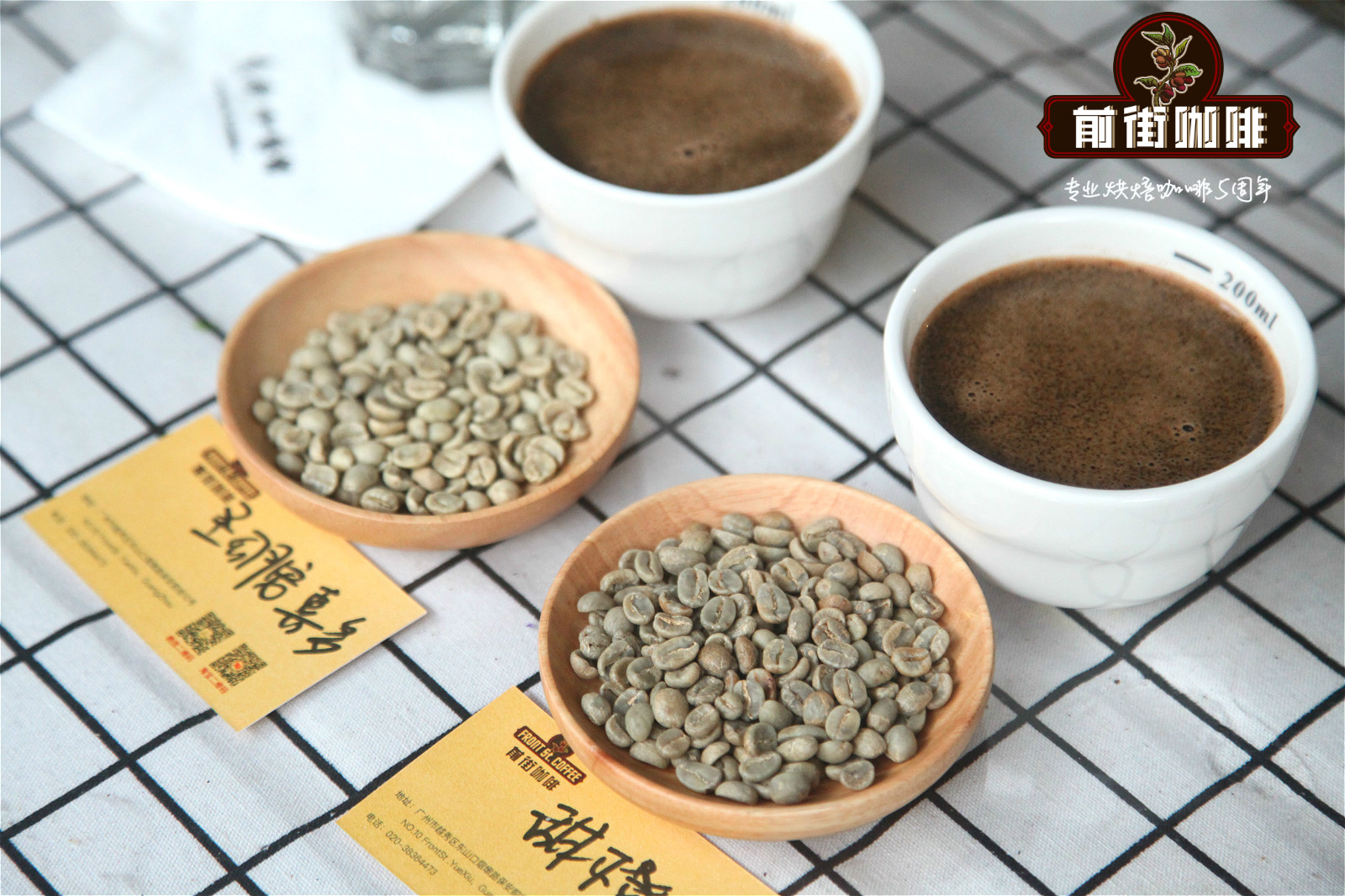
The flavor expression of pour-over coffee depends largely on the characteristics of the beans' origin. African producing regions are represented by highland countries such as Ethiopia and Kenya, with elevations generally above 1700 meters, large day-night temperature differences and ample sunshine; coffee grown in this environment usually carries distinct floral and fruity notes. American producing regions such as Costa Rica and Honduras, benefiting from volcanic soil and stable climate conditions, tend to produce beans with rounder sweetness and nutty notes.
Ethiopia's Yirgacheffe region is one of the highest coffee-producing regions in the world (1700-2100 meters). The local Red Cherry Project requires all hand-picking of fully ripe bright red cherries; combined with refined natural processing, in which the cherries are dried on raised beds for more than two weeks, this method preserves fruit aroma to the greatest extent. Its native small-screen beans (14-15 screen) often show plum, strawberry and other berry acidity when brewed, with obvious honey sweetness in the middle and a dark chocolate note in the finish; the acidity is bright but not sharp.
Ethiopia's Limu region (1850-1900 meters), also in the country, is known for washed processing; the local native Heirloom varieties are organically grown in metamorphic soil. Washed processing removes pectin through water fermentation, followed by 1-3 weeks of sun drying, producing a thinner body and a distinctive grassy aroma. Typical flavors include malic acidity and smoked plum aroma, with caramel and nutty sweetness emerging in the middle and cocoa and berry notes in the finish; it suits drinkers who prefer a crisp mouthfeel.
The representative American bean is Costa Rica's honey-processed coffee. The country's volcanic soil is rich in minerals, and with the advantages of microclimate regions such as the Central Valley, Caturra varieties processed as yellow honey (60% pectin retained), red honey (75%) or black honey (nearly 100%) gain pronounced sweetness as fructose concentrates during drying. Recommended brewing parameters are medium-fine grind (60-65% passing a Chinese standard No. 20 sieve), water temperature 90-92°C, and a steady pour that avoids disrupting the delicate mouthfeel; the result often balances citrus acidity with peach-like sweetness.
Honduras' San Juan Citon estate sits on a plateau at 1450-1550 meters, with coffee trees planted under banana-tree shade. When traditional washed processing is used, fermentation time must be controlled (10-12 hours is suitable); over-fermentation produces off-flavors. Its SHB-grade beans (strictly grown above 1500 meters), after drying on African beds, have rich flavor layers, with obvious caramel sweetness accompanied by a roasted-nut base; a long oolong-tea-like finish is a typical characteristic, and they suit drinking with milk.
The brewing differences between African and American beans are clear: for the former, a higher coffee-to-water ratio (1:15-1:16) is recommended to highlight aroma, pouring with a center pour plus spiral circles; the latter suits a standard ratio (1:15), strengthening sweetness through staged extraction. Common mistakes include over-pursuing the acidity of African beans while ignoring balance (a slightly coarser grind than for American beans is recommended), or using water that is too hot for American beans and causing burnt bitterness (no higher than 93°C). According to International Coffee Quality Association data, African beans typically have a pH of 4.8-5.2 (stronger acidity), while American beans fall in the 5.3-5.6 range.
Whether you seek the fresh fruit acidity of Yirgacheffe or prefer the mellow sweetness of Honduran coffee, understanding the link between regional characteristics and processing methods helps you adjust your brewing plan more precisely. During actual tasting, focus on the aroma during the bloom phase, as this is often an important basis for judging the direction of the flavor.