Sumatra Mandheling Coffee Beans: Tiger Packaging Origins and Wet-Hulling Guide
Introduction: This article explores the flavor secrets of Starbucks' bestselling Sumatra coffee beans and reveals the cultural meaning of the tiger totem on the packaging. It systematically outlines the differences among Mandheling's core production regions, explains how Indonesia's unique wet-hulling process shapes the full-bodied mouthfeel, and provides professional cupping data and pour-over parameters to help you grasp the distinctive charm of this 'coffee tiger.'
Among coffee enthusiasts, Sumatra coffee has always held a special place—its full-bodied base combined with the complex aromas of vanilla and herbs creates a highly recognizable taste experience. These beans from Indonesia's largest island are not only a year-round bestseller in Starbucks stores but also a regular on the classic bean lists of seasoned coffee lovers. When we look at the tiger image on its iconic packaging, it actually conceals a miniature epic of the island's coffee culture.
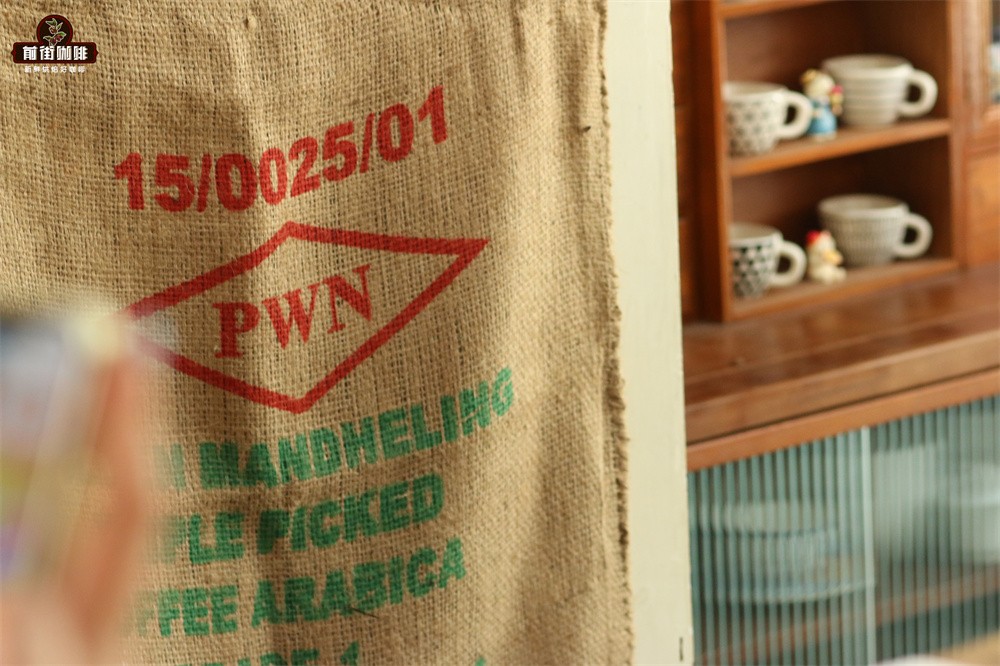
As an important origin of specialty coffee worldwide, Sumatra's coffee map can be clearly divided into two major production regions, north and south. The southern cluster, centered on Medan and radiating to Lake Toba and Lintong, has nurtured the most traditional 'Mandheling' flavor system; while the emerging Gayo Mountain and Aceh regions in the north have attracted much attention due to quality improvements in recent years—the Golden Mandheling of the 2020 harvest was born here. It is worth noting that although both areas belong to Sumatra, microclimate differences lead to significant variations in green bean density and sugar accumulation.
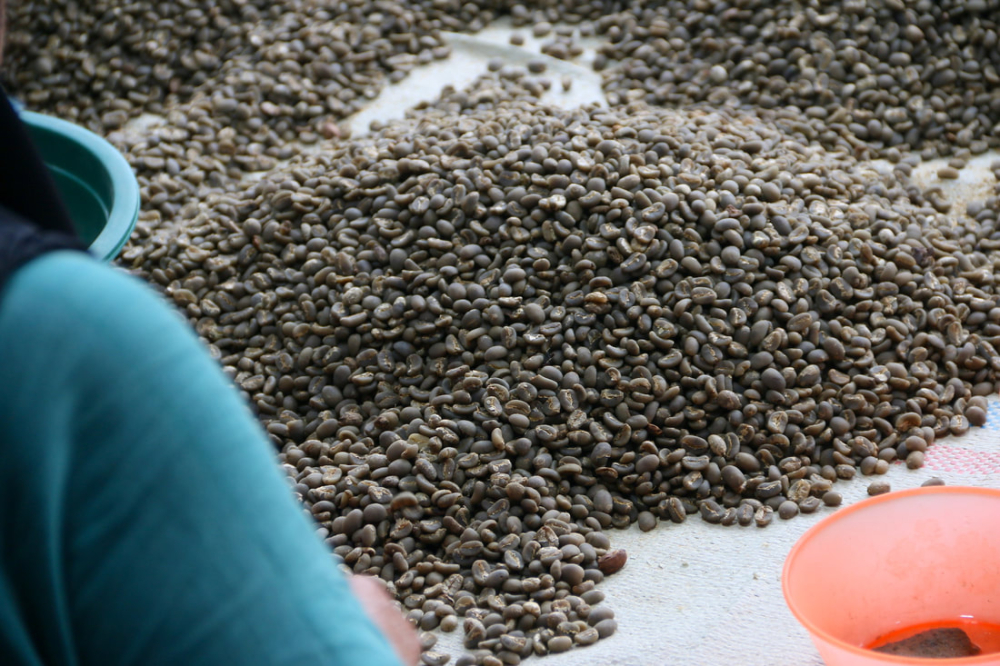
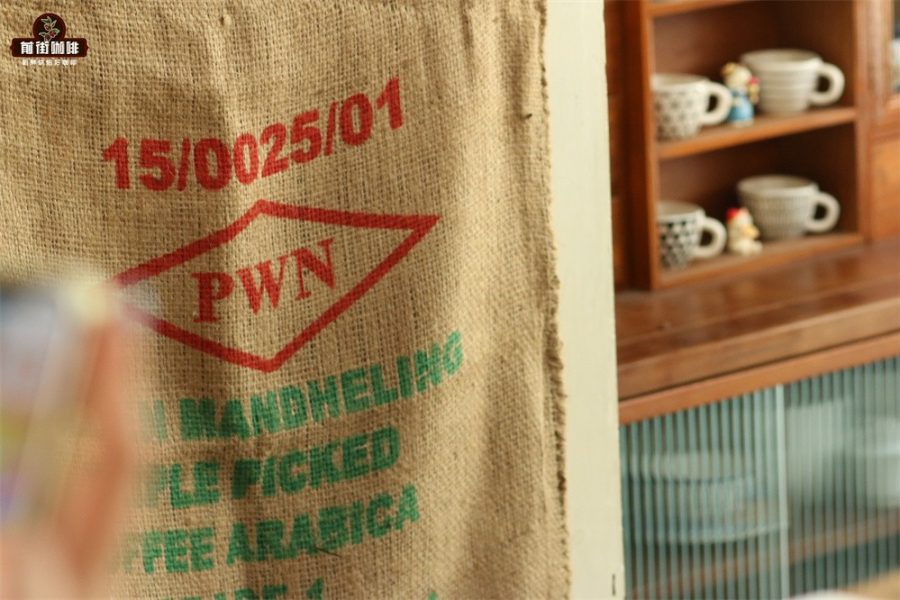
Focusing on the tiger packaging that sparks curiosity, its design inspiration comes from Indonesia's unique agricultural ecosystem. As one of the few countries in the world made up of tens of thousands of islands, over ninety percent of Indonesia's coffee supply comes from small family farms. The designer chose the Sumatran tiger, an endangered species unique to the country, as the visual symbol—this feline, which inhabits only Sumatra, symbolizes both the rarity of the coffee beans, like wild tigers, and the natural gift nurtured by Java's volcanic soil and equatorial sunlight. When you gaze at the majestic tiger stripes on the packaging, you are actually touching a story of terroir that crosses the equator.
Data recorded by a professional cupping instrument shows that a Mandheling sample from the Tiger Estate in the Aceh region presents distinct layers: in a standard 200ml cupping bowl, when 11.3g of coffee is extracted with 94°C water, the dry aroma releases a blend of dark chocolate and fir needle; four minutes after pouring, when breaking the crust, the wet aroma reveals sweet layers of licorice extract and caramel. The final flavor wheel shows that its main profile is herbal (38%), roasted nut (29%), and dark chocolate finish (33%). This complexity is a typical characteristic of wet-hulling.

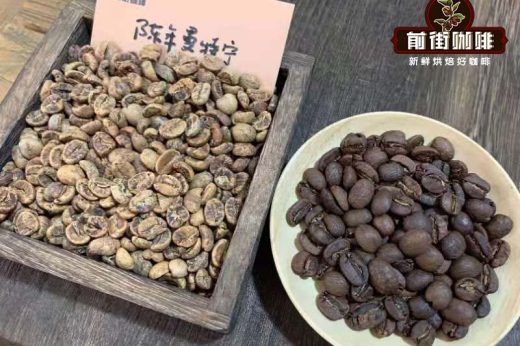
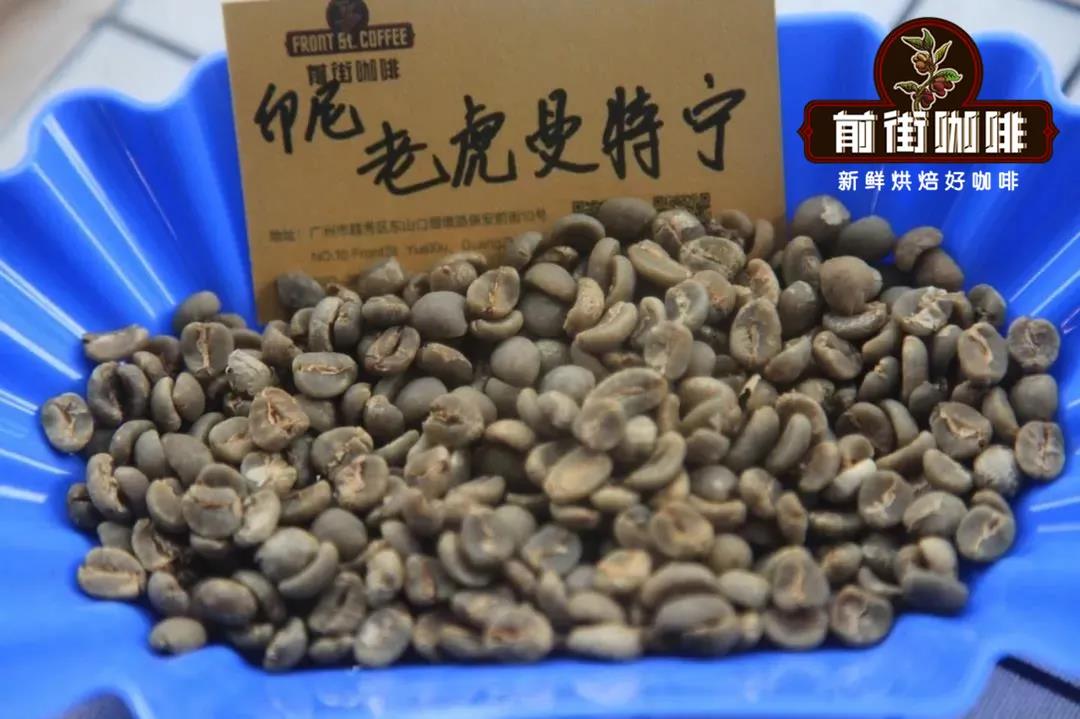
To explore the soul craft of Sumatra coffee, one must understand the globally unique wet-hulling process. Facing a tropical rainy season with average annual humidity exceeding 80%, local farmers developed an efficient solution: first remove unripe defective cherries, keeping only single coffee cherries that pass a 19-mesh screen. After three rounds of manual sorting to ensure consistent ripeness, the core process begins—first remove the outer skin and pulp for 48 hours of controlled-temperature fermentation, then keep the mucilage layer and dry the beans in their parchment. When the moisture content drops to about 35%, the parchment layer is innovatively removed ahead of time, allowing the beans to continue dehydrating in a semi-dry state to a safe value of 12%. During this process, the hoof-shaped cracks caused by mechanical squeezing become a key feature for identifying authenticity.
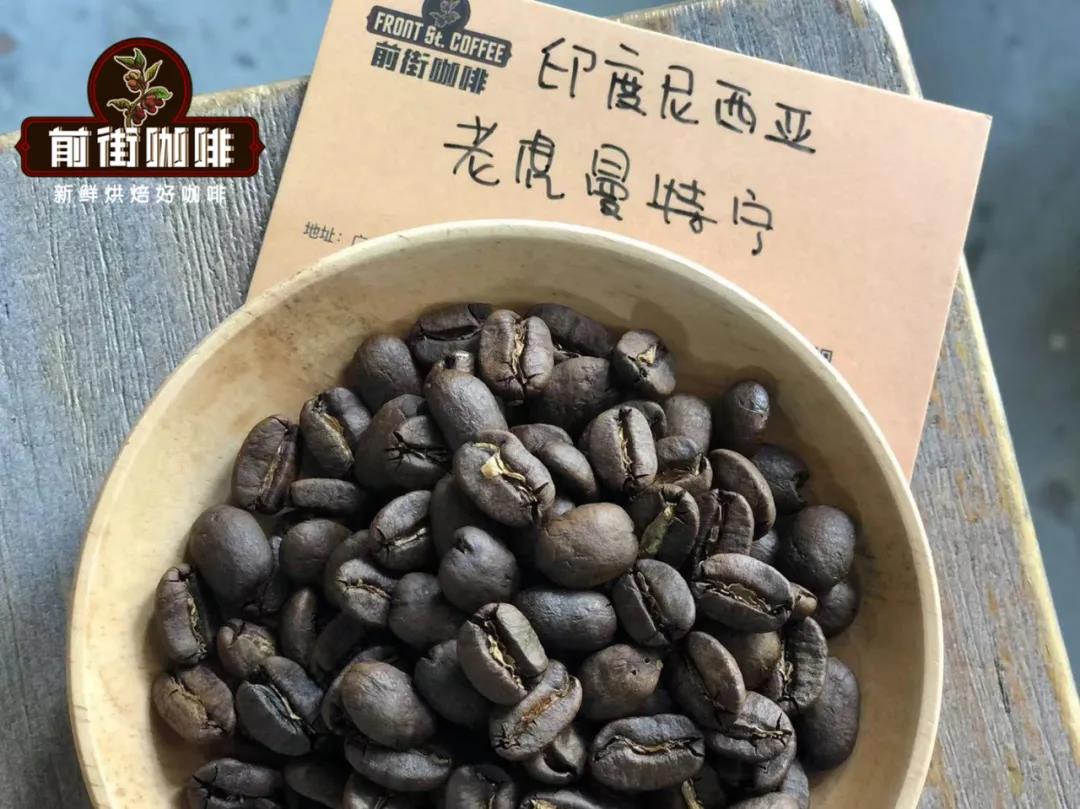
Comparative experiments show that Mandheling coffee beans processed by wet-hulling have denser cell wall structures than those processed by traditional washing. This physical characteristic directly translates into a heavier mouthfeel, and combined with the slow oxidation rate brought by the 12% golden moisture content, the floral and fruity acidity transforms into deeper woody tones and herbal aromas. Particularly noteworthy is that the crema layer produced by this process can reach 1.7 times the thickness of ordinary processing, which is the material basis for the silky mouthfeel and lasting sweetness.
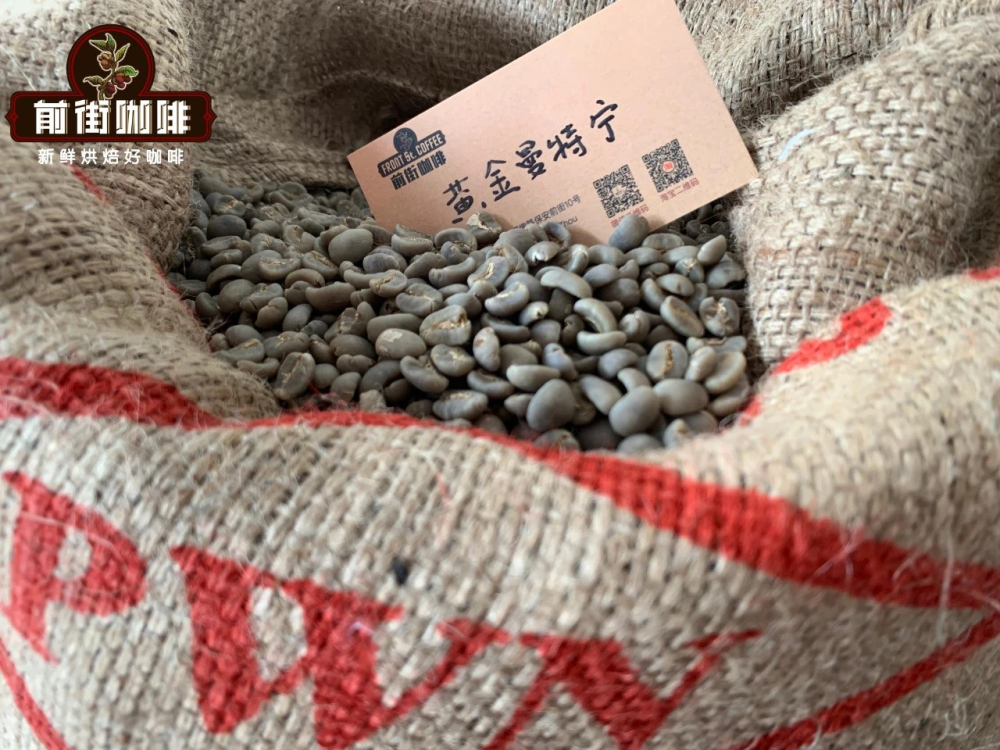
In terms of variety selection, the differentiated planting strategy in the Aceh region is worth pondering. Golden Mandheling usually uses the high-yielding, disease-resistant Catimor (locally called Ateng), while Tiger Estate insists on interplanting Typica and Caturra—the former is an ancient Bourbon variant brought by Yemeni missionaries, retaining bright citrus notes and clean acidity; the latter, a dwarf improved Bourbon variety, has a curved bean shape that helps increase density and gives the sweetness a more distinct caramel finish. The differences between the two varieties are significant in cupping: the Typica line presents a honey-like transparent sweetness, while Caturra brings a more lively red berry aftertaste.
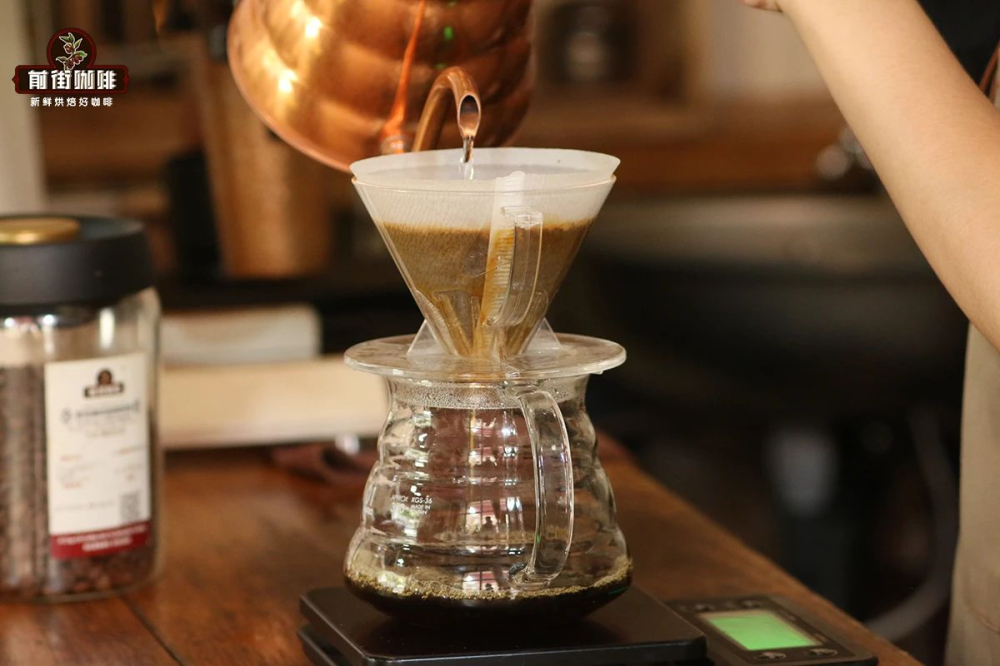
For optimizing brewing parameters for Sumatra coffee, it is recommended to use an immersion dripper to achieve flavor balance. Actual test data shows: using a Kono dripper with medium-coarse grind (73% passing a 0.85mm sieve), a 1:15 coffee-to-water ratio, and 88°C water temperature for a three-stage pour—start with 30g of water for a 30-second bloom to activate aromatic substances, then pour in circles until the water level reaches 125g, and when the bed reappears, continue pouring to 225g to complete extraction (total time 2 minutes 5 seconds). This method effectively suppresses the woody bitterness caused by over-extraction while highlighting the full-bodied texture imparted by wet-hulling, with measured sweetness intensity reaching 7.2/10 (SCAA standard).
In summary, the charm of Sumatra Mandheling stems from the dual carving of nature and culture: from plantations nourished by volcanic ash to traditional wet-hulling workshops, from the cultural metaphor of the tiger totem to the complex flavors blooming in the cup, every step embodies the wisdom of the island's coffee farmers. The next time you hold a cup of dark-roasted coffee with herbal aromas, take a moment to savor that unique flavor coming from the equatorial rainforest.