Sumatra Mandheling Coffee Review: Flavor Analysis and Pour-Over Tips
Introduction: Sumatra Mandheling is a classic coffee variety well known to specialty coffee enthusiasts worldwide, memorable for its full, rich body and distinctive woody tones. This article takes an in-depth look at the flavor characteristics, growing background, and much-favored wet-hulling process of this Arabica coffee from Indonesia's high-altitude regions. It also offers professional pour-over parameter suggestions to help you better appreciate the layered charm of this classic coffee.
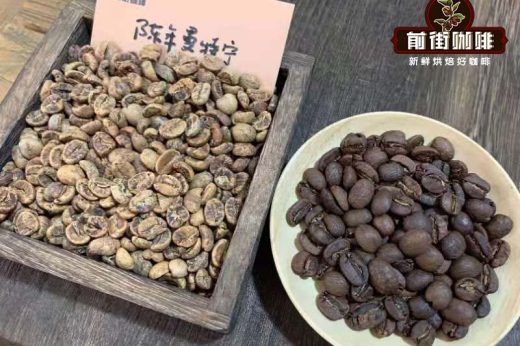
Sumatra Mandheling coffee is renowned worldwide for its bold and distinctive flavors. This Arabica coffee from Indonesia's island of Sumatra shows a rich body and solid mouthfeel, with moderate yet lively acidity, its overall character restrained rather than showy. When tasting, one often perceives the fresh aroma of herbs, a subtle cedar-wood quality, soft cocoa sweetness, and complex layers reminiscent of fermented fruit. Especially noteworthy is the silky tactile sensation it brings to the palate, with a long, warm finish; it is the first choice for many coffee connoisseurs for daily drinking and blend creation.
As Indonesia's largest island, Sumatra lies near the equator and has a typical tropical rainforest climate, hot and humid year-round with abundant rainfall. While such an environment favors coffee growth, it also brings challenges to cultivation and processing. Local smallholders mostly plant coffee trees among primary mountain forests; due to water scarcity, they developed the unique "wet-hulling" process (Giling Basah, also known as wet-hulled method). In this process, after the coffee fruit's mucilage is removed, the parchment layer is stripped off while the beans are in a semi-dried state, and drying then continues. This approach not only speeds up the processing but also gives Mandheling coffee its signature low acidity, heavy body, and rich spicy tones, clearly distinguishing it from coffees of other origins.
Of Indonesia's overall coffee production, only about 25% is Arabica, with the rest mostly Robusta, which is more disease-resistant but flatter in flavor. Only in the higher-altitude areas of northern Sumatra is Arabica actually grown for the specialty market, and these quality beans are usually sold under the regional designations Lintong and Mandheling. It is worth noting that "Mandheling" is not a place name but historically a term for the ethnic group that grew Arabica coffee locally; today it has become synonymous with high-quality Sumatran Arabica.
Sumatra Mandheling is generally grown at altitudes between 1,200 and 1,500 meters; such elevations, combined with the region's distinctive volcanic soil, provide ideal growing conditions for the coffee fruit. High altitude extends the coffee's growing cycle, allowing the fruit to accumulate richer flavor compounds as it matures, while the mineral-rich volcanic soil together creates the foundation for Mandheling's full body. In addition, the stable local average temperature and the day-night temperature difference also help the beans develop more three-dimensional flavor layers.
Looking back at history, Arabica coffee was first introduced to Indonesia's island of Java by the Dutch in the 17th century, then gradually spread to Sumatra and other nearby islands. But in 1877, a severe leaf rust outbreak devastated Arabica coffee farms in Indonesia's low-altitude areas, forcing many farms to switch to the more disease-resistant Robusta. Only a very few relatively isolated high-altitude areas continued to grow Arabica, and these surviving coffee trees are the source of today's Mandheling and Lintong flavor systems. After centuries of evolution and the local farmers' unique cultivation and processing skills, the Mandheling style we know today finally took shape.
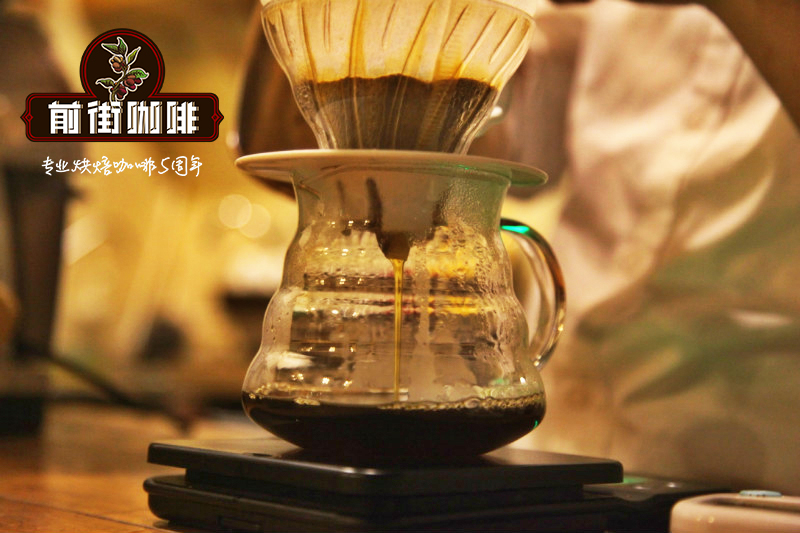
For those who enjoy trying single-origin coffees, Mandheling is a bean well worth exploring in depth. Its strong personality and consistent quality make it suitable both as a daily staple and as a window into Indonesian coffee culture. If you want to brew a fine cup of Sumatra Mandheling pour-over at home, a medium-coarse grind (similar to the texture of sea salt) is recommended, with a water temperature of 90–93°C and a coffee-to-water ratio of 1:15 to 1:16. For the pouring technique, a center pour with staged extraction is suggested, with the total time kept between 2 minutes 30 seconds and 3 minutes; this better reveals its full base and complex finish. Avoid over-extraction to prevent the bitterness from becoming too prominent.
Overall, with its uniquely distinctive flavor expression and solid regional character, Sumatra Mandheling coffee has always held a place on the global specialty coffee map. Whether you are a newcomer just entering the world of coffee or a seasoned enthusiast pursuing depth of flavor, it is well worth trying this classic variety and experiencing the unique coffee charm of the equatorial rainforest.