Starbucks Coffee Bean Guide: Verona and Sumatra Flavor Analysis
Introduction: With Starbucks' abundant coffee bean options, how do you find the one that suits your taste? This article focuses on Starbucks classic coffee beans, especially the Sumatra (Mandheling) and Verona blends, taking an in-depth look at their roast levels, flavor characteristics, and mouthfeel to help coffee lovers make more informed choices based on personal preference, while also offering practical flavor comparisons and buying advice.
Starbucks offers a wide variety of coffee beans, covering roast levels from light to dark to meet the needs of all kinds of consumers. For those new to Starbucks coffee beans or hoping to understand the selection more deeply, grasping the basic characteristics and flavor direction of each bean is the key to picking a coffee that suits your taste.
Among its many regular products, Starbucks offers light roast options such as "Blonde Willow" and "Blonde Idle Courtyard." These beans are roasted lighter, so they have less burnt-bitterness and are better suited to drinkers who prefer a light, clearly fruity-acidic cup. If you prefer a mild, non-irritating coffee experience, they are good entry choices.
Medium and dark roast beans are the mainstay of Starbucks' coffee lineup. As the roast level increases, the coffee's roasted aroma and full-bodied richness gradually intensify, and the bitterness becomes more pronounced. This change directly affects the coffee's overall performance, from flavor layering to mouthfeel structure. Generally speaking, the darker the roast, the stronger the coffee's "tongue-coating" sensation—that heavy, burning feel it leaves on the tongue.
Besides the fixed regular offerings, Starbucks also releases limited-edition beans by season, such as the "Starbucks Anniversary Blend" that may currently be on sale. In addition, special blends like "Tribute," "Christmas Blend," and "Three Region Blend" also frequently appear in stores. These seasonal or thematic beans often feature unique blends and flavor designs, suited to consumers who want to try something new or experience a holiday atmosphere. If you frequent the same store, keep an eye on the daily bean display information, or simply ask the staff about the beans recommended that day.
If you want to pick a few beans worth trying from the many options, many coffee lovers recommend paying attention to Kenya, House Blend, and Tribute. Among them, Kenya beans are known for their bright acidity and lively fruit aromas, with rich flavor layers, especially suited to drinkers who like bright acidity and floral-fruity notes. House Blend, as Starbucks' classic blend, has a relatively balanced taste without obvious sharp edges—a safe choice for beginners just starting to explore the coffee world.
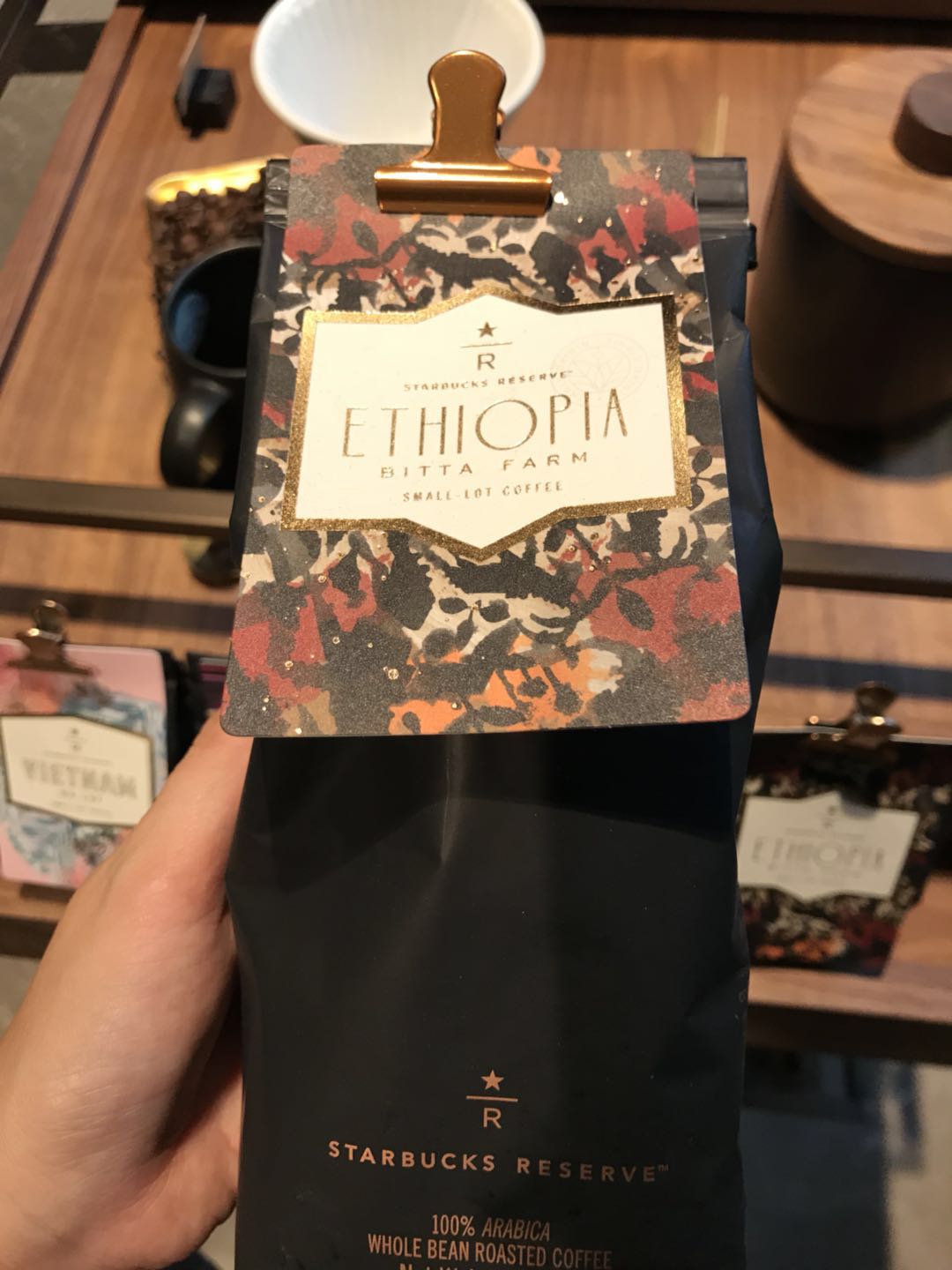
Coffee beans from different regions often carry distinctive regional characteristics. For example, Guatemala Antigua, grown near volcanic soil, usually has a noticeable smoky flavor but weak sweetness; while Casi Cielo, also from Guatemala, retains a certain richness while showing softer acidity and a smooth mouthfeel, with a hint of cocoa aroma, making it more broadly appealing. Tribute is a blend combining multiple regions and processing methods, including semi-washed beans from Sumatra, naturally dried beans from Ethiopia, and washed beans from Colombia and Papua New Guinea, thus possessing complex and balanced flavor layers, from fruit aromas to earthy notes, suited to users who enjoy exploring compound flavors.
Sumatra coffee beans, what we commonly call Mandheling, are one of the representative products of Starbucks' dark roast line. Its biggest characteristic is a rich earthy and herbal aroma, a style that comes from its unique wet-hulling process and dark roasting. First-time tasters may find the flavor too heavy or even slightly one-dimensional, but for users familiar with dark roasts who seek a rich mouthfeel, it is undoubtedly a highly recognizable bean.
Verona coffee beans, on the other hand, are a blend of Latin American and Asia/Pacific coffees, known for their rich body and intense mouthfeel. It is positioned more as a base for espresso or milk drinks like lattes, and is often used as the default bean for Starbucks' classic milk coffees. Verona's predecessor was the "80/20 Blend," made from 20% dark roast beans and 80% medium roast beans. It was originally the midday coffee for a Seattle restaurant and, because of its stable and full mouthfeel, was popular with customers and later added to Starbucks' standard menu.
There are also some beans with stories or special backgrounds, such as "Pike Place." Named after Starbucks' first store, its growing region and specific varieties remain undisclosed to this day, adding considerable mystery. It is said that the development team tried dozens of blends and roast curves before finalizing this balanced, smooth version with a sweet finish—one of the representative works of Starbucks' product development process.
Overall, when choosing Starbucks coffee beans, it is best to start from your personal taste preferences—choose light roasts if you like bright fruity acidity, dark roasts if you prefer richness and milk-coffee pairings; if you are curious about the art of blending, try compound products like Tribute; if you want to understand classic dark roast flavor, Sumatra and Verona are both representatives not to be missed. Through comparative tasting and observing your own responses, every coffee lover can gradually find the one that suits them best.


