Washed vs. Semi-Washed Coffee Processing: Flavor Differences and Methods

Introduction: Green coffee processing directly influences the final flavor expression. This article takes a deep look at the core differences between the washed method and the semi-washed method, comparing the key 16-36 hour fermentation parameters of both processes—from fermentation time and water consumption to flavor characteristics—and explains why washed beans often present bright acidity while the semi-washed method balances cleanliness and sweetness. By breaking down the process steps, it helps coffee enthusiasts understand how processing method affects the cupping experience.
From harvest to becoming a roastable green bean, coffee fruit must go through professional processing. The main processing methods include natural (dry), washed, and semi-washed, among which washed and semi-washed are widely adopted for their ability to improve flavor consistency. Although both belong to the wet-processing category, they differ significantly in fermentation method, water efficiency, and final flavor expression.
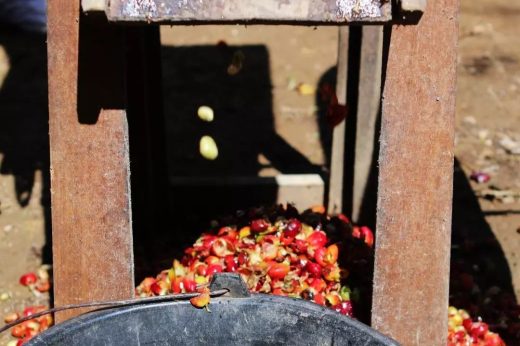
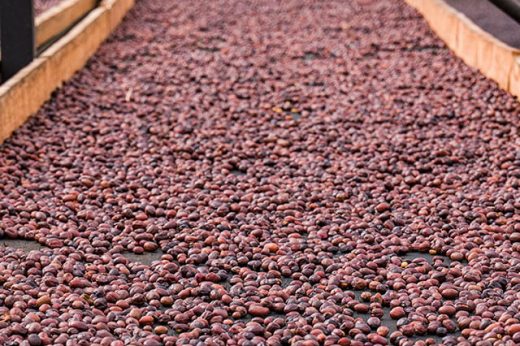
The washed processing method originated during the Dutch colonial period in the mid-18th century, and its core innovation lies in precisely removing the pectin layer through microbial fermentation. The operation begins with screening out defective beans, followed by using a pulper to strip the outer skin and fruit pulp. The mucilage-covered coffee beans then enter fermentation tanks, where during a temperature-controlled fermentation of 16 to 36 hours, natural microbes break down the pectin substances. After fermentation is complete, a second rinse removes residues, then mechanical drying or sun drying brings the moisture content down to the 10%-14% range, and finally a huller removes the silver skin to complete processing.
The main advantage of this process lies in quality consistency: a multi-stage screening mechanism ensures defective beans are removed early, the fully washed environment effectively suppresses mold growth, and the resulting coffee beans typically have bright acidity and clear regional flavor characteristics. However, the resource consumption problem of 50-100 liters of water per kilogram of green beans, along with the complex equipment investment required, makes it difficult to adopt in some producing regions.
To address the high water consumption drawback of the washed method, the semi-washed method (also known as the predecessor of the honey process) achieves balance through process improvements. Its initial steps are the same as the washed method, but in the pectin removal stage it uses a demucilager instead of traditional fermentation tanks. This mechanical device strips the mucilage layer through physical friction, reducing water use to less than one-third of the washed method. After demucilaging, the coffee beans can be directly sun-dried or mechanically dried, and once the moisture content meets the standard, they likewise undergo hulling.
The flavor characteristics of the semi-washed method show transitional features: compared with the sharp acidity of washed beans, its acidity is softer; compared with the rich sweetness of natural processing, it maintains higher purity. Because the fermentation stage is omitted, interference from variables such as temperature and microbial activity is reduced, making quality stability fall between traditional washed and honey processing. However, improper control of mechanical scraping force may lead to uneven pectin residue, requiring operators with extensive experience.
In terms of process complexity, both methods include at least five core steps: raw material screening, pulp removal, mucilage treatment, drying and dehydration, and silver skin removal. The washed method additionally requires fermentation monitoring and multiple washings, while the semi-washed method relies more on precise equipment control. It is worth noting that regardless of the process used, the final green bean moisture control and storage conditions directly affect flavor release during roasting.