Ethiopian Washed Yirgacheffe Flavor Analysis and Pour-Over Bean Selection Guide

Introduction: Ethiopia's Yirgacheffe region is known for its unique washed processing method, producing specialty coffee beans with both citrus and floral notes. This article provides an in-depth analysis of the flavor characteristics of washed Yirgacheffe, from the region's background to processing techniques, and to how to choose suitable coffee beans and roast levels based on personal taste, offering pour-over enthusiasts a complete reference plan for bean selection and brewing.
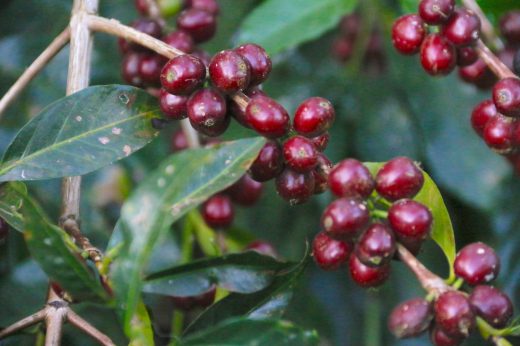
Ethiopia is the birthplace of Arabica coffee, and Yirgacheffe is one of the most representative regions in this cradle of coffee. The name Yirgacheffe means "let us settle on this wetland" in the local dialect; it is located in a highland wetland, and its exceptional natural environment provides ideal conditions for growing high-quality coffee. The region was originally part of Sidamo, but because it produced coffee beans with prominent floral and citrus flavors, it gradually became an independent specialty coffee region renowned worldwide.
The Yirgacheffe region has several sub-areas, such as Misty Valley, Aricha, Wenago, Domorso, Konga, Kochere, Chelelektu and Gutiti. Due to differences in microclimate and altitude, the coffee beans produced in each area also differ in flavor expression. Beans from these areas generally have bright acidity and rich citrus and floral notes, making them a popular choice among pour-over coffee enthusiasts.
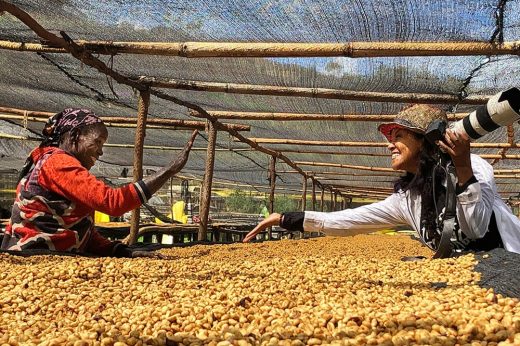
In terms of processing, Yirgacheffe originally used the traditional natural method, but after washed technology was introduced in 1972, its distinctive fresh fruit acidity and floral notes were further enhanced, and washed processing has since become the mainstream. In recent years, with increasingly refined processing techniques, natural Yirgacheffe has also gradually gained favor in the market. Through raised-bed drying, coffee cherries dry slowly in a well-ventilated environment, which not only reduces the risk of over-fermentation and rot but also allows the sugars in the pulp to penetrate the seed more completely, bringing richer fruit flavors and a fuller body. At present, the proportion of washed and natural Yirgacheffe on the market has become more balanced.
Yirgacheffe coffee beans are divided into several grades based on flavor expression and quality. Based on whether they have "classic Yirgacheffe flavor," they are divided into Grade A and Grade B—Grade A usually shows more typical citrus, floral and tea-like notes, while Grade B is relatively flatter in flavor. In addition, according to green bean quality scores, common grades include Q1 (highest), Q2, and the more widely traded G1 to G4 grades. For ordinary consumers, whether washed or natural, choosing G1 grade first can maximize the guarantee of a lower defect rate and more consistent flavor expression.
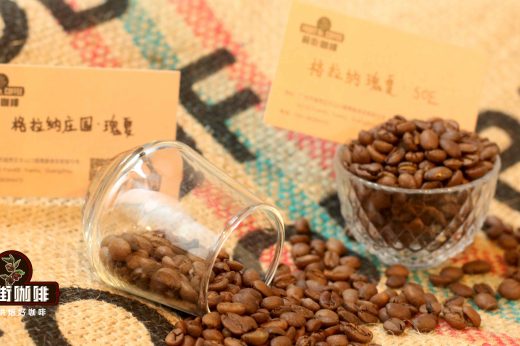
Washed Yirgacheffe, because the processing removes pulp and impurities, highlights the bean's own pure flavor and is especially suitable for those who like fresh acidity and floral notes. A light to medium roast is generally recommended, maximizing the retention of bright lemon, lime, jasmine or lily notes, with a clean entry and lively, refreshing acidity. If you prefer fuller sweetness and lower acidity, you can also try a roast level above medium, but this will sacrifice some of the vivid fruit acidity.
By contrast, naturally processed Yirgacheffe, while retaining a citrus base, incorporates more tropical fruit flavors such as blueberry, mango and even berries; its acidity is relatively mild, its sweetness more prominent, and the overall mouthfeel rounder. Therefore, if you prefer coffee with rich fruit aromas and balanced sweetness and acidity, natural Yirgacheffe is a very good choice.
When selecting washed Yirgacheffe coffee beans, in addition to paying attention to region and grade, you should also note the roast date. Beans within 2 to 4 weeks after roasting are recommended to ensure the best flavor expression. In addition, proper storage in a light-proof, sealed and moisture-proof environment helps slow flavor loss.
For pour-over enthusiasts, washed Yirgacheffe is very suitable for practicing the effects of different brewing parameters on flavor. Commonly used parameters can be set as follows: coffee-to-water ratio 1:15 to 1:16, water temperature controlled between 90°C and 93°C, grind size about medium-fine (about 70% to 75% passing through a Chinese standard No. 20 sieve). Conical drippers such as V60 and Kalita Wave are recommended to highlight its distinct sweet-and-sour structure. During actual brewing, you can fine-tune grind size and water temperature according to personal taste; for example, for a lighter mouthfeel, increase the grind size and lower the water temperature; for a fuller mouthfeel, do the opposite.
In summary, washed Yirgacheffe, with its fresh fruit acidity, charming floral notes and relatively affordable price, has become the first choice for many coffee lovers getting started, and is also a classic bean for experienced enthusiasts exploring flavor details. Whether you are new to specialty coffee or looking for an everyday staple bean, Yirgacheffe can bring a pleasant drinking experience with its unique sense of place.