Brazil Semi-Washed vs Indonesia Mandheling Wet-Hulled Coffee Flavor Differences
Introduction: This article provides an in-depth comparison of two distinctive coffee processing methods: Brazil's semi-washed method and Indonesia's Mandheling wet-hulled method. From processing steps and parameter control to the final flavor expression, it explains in detail how the two methods shape distinctly different coffee flavors. Understanding the balanced character of the semi-washed method and the heavy style of the wet-hulled method will help you choose the right coffee beans according to your brewing preferences.
In the world of coffee processing, Brazil's semi-washed method and Indonesia's Mandheling wet-hulled method represent two processing approaches with strong regional character. These two methods not only reflect local climate conditions but also directly influence the final flavor expression of the coffee beans.
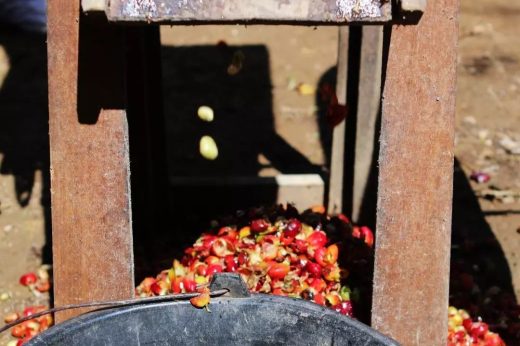
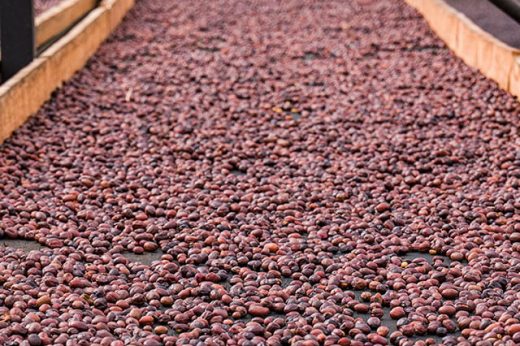
The semi-washed method, also known as a variant of the honey process, centers on skipping the traditional fermentation step. In practice, after the coffee cherries are floated to remove defects, they go directly into the pulper. This process requires only a small amount of water to mechanically strip the viscous mucilage layer, retaining about 30%-50% of the mucilage. The beans are then sun-dried until the moisture content reaches 12%; during this stage, the slow drying of the mucilage gives the coffee its unique sweetness and body. It is worth noting that this process requires the producing region to have clearly distinct dry and wet seasons to ensure a stable drying environment.
By contrast, the Indonesian wet-hulled method was developed as a solution to Sumatra's humid, rainy climate. When the coffee cherries are dehydrated to a moisture content still as high as 30%-50% (by which point the traditional washed method would have completed hulling), the parchment removal step is carried out immediately. This early hulling exposes the remaining mucilage directly to the air and greatly shortens the drying cycle to 2-4 days. But this process presents two major technical challenges: first, incompletely dried green beans are susceptible to mold; second, mechanical operations easily cause the beans to develop characteristic goat-hoof-shaped cracks. These seemingly defective features instead create Mandheling's signature herbal and woody notes.
In terms of flavor, semi-washed coffee presents bright citrus acidity and balanced sweetness, with a cleanliness similar to the washed method yet a full-bodied base reminiscent of the natural method. Mandheling processed by the wet-hulled method, on the other hand, is known for its low acidity and high body, with typical caramel sweetness often accompanied by complex earthy and herbal aromas. Professional roasters suggest that the former suits pour-over methods that showcase water flow and penetration, while the latter is better suited to devices such as the French press that highlight a full-bodied mouthfeel.
In terms of processing parameters, the semi-washed method requires strict control of the average daily temperature within the 25-30°C range and relative humidity below 60%; the wet-hulled method requires keeping bean temperature below 40°C during continuous rainy weather. The advantages and disadvantages of the two processes are equally clear: semi-washing can maintain relatively stable quality but depends on a specific climate, while wet-hulling is more efficient but requires stricter mold prevention measures.
For coffee lovers, understanding these processing differences helps choose beans according to drinking occasion. For morning alertness, choose bright, acidic semi-washed beans; for evening tasting, try the layered wet-hulled Mandheling. Mastering these basics will let you match your personal taste preferences more precisely the next time you buy coffee beans.