Sumatra Mandheling Coffee: Origins, Flavor, and a Golden Mandheling Buying Guide
Introduction: Explore the core growing regions of Sumatra, Indonesia, and gain a comprehensive understanding of the varietal characteristics of Mandheling coffee beans, their classic flavor layers, and the flavor differences among regions. From the processing details of wet-hulling to the unique standards of Golden Mandheling, this article will help coffee enthusiasts master the flavor code of Mandheling, learn to identify the characteristics of high-quality beans, and understand the key influence of resting beans on flavor maturation.
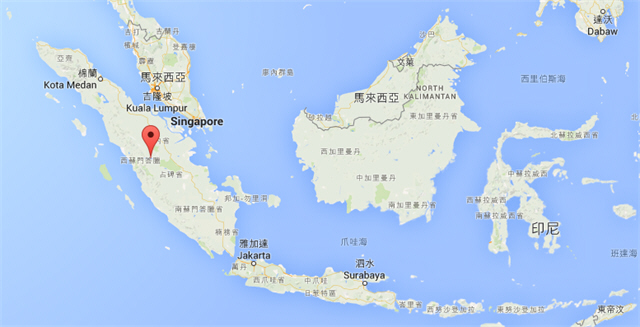
[Core Producing Regions] The high-altitude growing belt in northern Sumatra, Indonesia (approximately 1,400–1,600 meters), where volcanic soil is fertile and the temperature difference between day and night is significant, provides an ideal growing environment for the Typica variety.
[Processing Methods] A dual system of traditional wet-hulling and modern washing is used: wet-hulling gives the coffee a heavier body and woody tones, while washing highlights bright citrus acidity and a clean mouthfeel; together they shape Mandheling's signature low-acid, full-bodied character.
[Flavor Profile] Classic Mandheling presents three progressive layers of mouthfeel: the first sip offers a mellow base of dark chocolate and roasted nuts; the mid-palate reveals caramel sweetness and a dense, honey-like finish; the aftertaste carries complex lingering notes of herbs and earth. Acidity is kept at an extremely low level (a faint tartness reminiscent of wild berries), body reaches the top level among specialty coffees, and the tongue can clearly perceive a silky, smooth texture.
[Mandheling Subcategories] Main categories subdivided by origin:
• Lintong Mandheling: from the volcanic belt of southern Sumatra, emphasizing layered citrus notes and balanced acidity
• Golden Mandheling: strict screening standards set by Pwani Coffee Company (defect rate <3%), with three rounds of hand sorting ensuring bean plumpness; its unique advantages lie in purer nutty notes and a faster-developing body curve
Note: although most Golden Mandheling currently circulating in the market uses this name, actual quality varies; look for batches bearing the original producer's certification number.
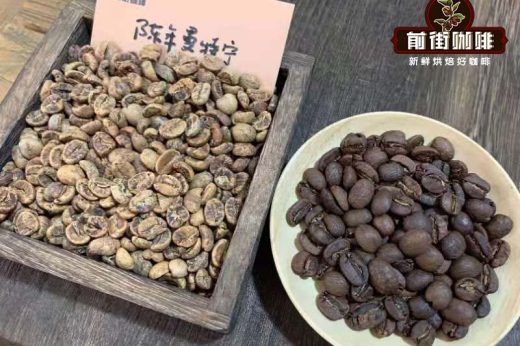
[Green Bean Identification Points] Unroasted Mandheling green beans often appear bluish-green with a rough surface, but after medium roasting (recommended roast level: City+ to Full City), the beans expand into a deep brown-red with an oily sheen; at this point silver skin residue should be less than 5% to ensure flavor purity.
[The Science of Resting Beans] Freshly roasted Mandheling needs a 14–21 day degassing period: the first 3 days, when large amounts of carbon dioxide are released, are not suitable for drinking; days 7–10 mark the flavor turning point—nutty notes begin to emerge; after day 14, the golden balance of sweetness and body is reached. Store in bags with one-way degassing valves, and keep ambient humidity in the 45%–55% range to avoid woodiness.
Special note: wet-hulled Mandheling often shows unique defects (such as localized dark spots); these are normal traces of the process rather than quality defects, but if large areas of blue-green mold are found, the entire batch should be discarded.