Sumatra Coffee Beans: Mandheling Flavor and Growing Guide
Introduction: Sumatra is one of the world's top coffee regions, and its beans are known for being low in acidity and full-bodied. This article explains Mandheling coffee beans' unique processing method, flavor characteristics, and the geographic and cultural background of the Sumatra region, helping coffee enthusiasts master the key points for buying this classic bean and brewing suggestions. It is especially suited to pour-over coffee drinkers who pursue a rich mouthfeel.
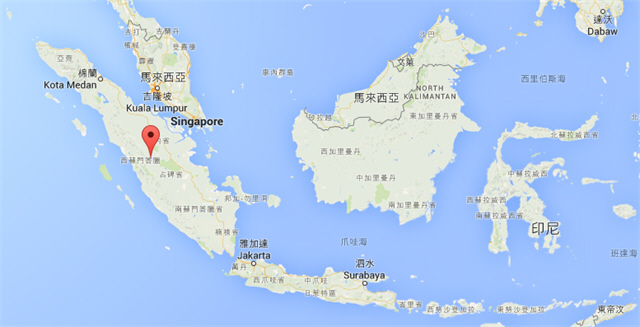
Sumatra is the world's fourth-largest island and Indonesia's most important specialty coffee region. The coffee beans produced here are known for low acidity and high body, making them especially suitable for coffee lovers who dislike sharp acidity. Its signature flavors include rich caramel sweetness, dark berry notes, and a distinctive herbal and earthy aroma; when brewed, it often shows a chocolate and nutty finish.
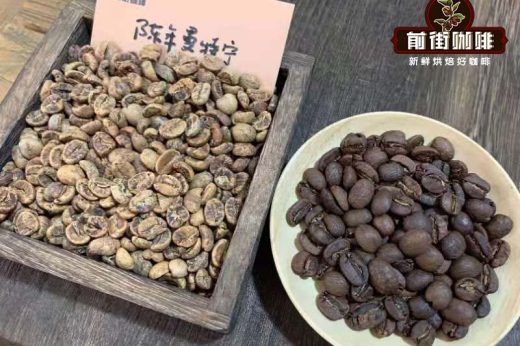
Mandheling coffee beans are Sumatra's most representative variety, and the product from the Pawani region uses a special semi-washed processing method (locally called Giling Basah). This process first removes the outer skin of the coffee fruit, leaving the mucilage and parchment on the fruit to dry together, and then removes the mucilage layer once the moisture content has dropped to a certain level. Compared with traditional washing, this process extends the contact time between the pulp and the seed, thereby giving the coffee a more complex fruity fermentation aroma and malty sweetness.
The operational details of this processing method are worth noting: during the drying stage, the mucilage-covered coffee beans need to be spread thinly on raised mesh beds and turned 3-4 times a day to prevent mold, and the whole process lasts 18-25 days. The final beans have a dark green, bluish tint and a higher density than ordinary washed beans. It is recommended to use a medium-fine grind (70%-75% passing a Chinese standard No. 20 sieve) with a water temperature of 92-94°C, which can effectively highlight its rich body.
Sumatra's volcanic soil provides a natural advantage for coffee cultivation. The island has more than a hundred volcanoes, of which more than ten active volcanoes regularly erupt volcanic ash rich in minerals such as potassium and phosphorus, creating soil with a distinctive high pH and abundant trace elements. The main growing areas are concentrated in mountainous areas at elevations of 1,200-1,500 meters, such as the Gayo Mountains and the Mandheling region. In these areas, the temperature difference between day and night can reach 8-10°C, which helps coffee fruits slowly accumulate sugar.
In terms of climate, Sumatra has a typical tropical rainforest climate, with a year clearly divided into dry and rainy seasons. The best coffee harvest period is the dry season from May to September, when ripe coffee cherries have higher sugar content. It should be noted that the region's high-humidity environment can easily cause coffee beans to develop musty odors during transport. When buying, look for products with a GR1/GR2 grade mark; these beans, which have been hand-sorted three times, have a defect rate below 3%.
Analyzed on the flavor wheel, high-quality Sumatra Mandheling usually presents: herbal and spice notes in the dry aroma (such as cinnamon and clove), fermented fruit and caramel sweetness in the wet aroma, an obvious mid-palate body and a low citric acid type after sipping, and a lingering dark chocolate finish. Professional cuppers recommend using a French press or AeroPress, which can better display its rich characteristics.
In terms of culture and geography, Sumatra's diverse ethnic cultures also influence the coffee industry. The island is home to more than ten indigenous ethnic groups, including the Batak and Minangkabau. Among them, the Batak people's traditional terraced farming methods are still retained in some production areas. These communities' unique fermentation techniques and post-processing experience add irreplicable regional flavor characteristics to Sumatra coffee.