The Complete Coffee Cupping Process: From Grind Size to Scoring
Introduction: Cupping is the coffee industry's core method for evaluating bean quality. Mastering this standardized process not only allows precise judgment of a coffee's flavor characteristics but also provides a basis for roasting and purchasing decisions. This article explains the purpose of cupping, environmental requirements, operating steps, and key scoring dimensions, with particular attention to professional parameters such as grind size (passing a No. 20 sieve) and water temperature (93°C), and adds notes on practical operation to help coffee professionals and enthusiasts get started systematically.
 So-called cupping is, like wine tasting, a scientific process for comprehensively evaluating coffee's sweetness, acidity, bitterness, aftertaste, and overall quality. This method directly presents the unique flavors of a coffee's origin and is especially important in green coffee purchasing—professionals decide whether to keep or reject a lot through cupping, and the internationally used cupping system also gave rise to the SCAA Specialty Coffee Association certification system; the cupper is precisely the key role in controlling coffee quality.
The essence of cupping is the objective analysis of coffee flavor, and its core value is reflected in four major goals: first, to uncover a bean's natural strengths and defects; second, to adjust roasting parameters to bring out the best flavor characteristics; third, to formulate purchasing plans based on scoring results; and finally, to provide suggestions for cultivation, processing methods, and storage and logistics. Together these links form a quality loop from origin to cup.
 Conducting professional cupping requires strict preparation: choose a quiet space free of odor interference and equip it with a dedicated cupping table and sampling utensils; basic equipment includes a roaster, an Agtron color disc (for calibrating roast level), and a grinder meeting the No. 20 sieve standard; more critically, control the variables—all cups must be of uniform specification, and water total dissolved solids (TDS) must be strictly limited to the 125–175 ppm range, which is the basic condition for ensuring fair flavor comparison.
The standard cupping process begins with precise roast control: green beans must be roasted within 8–12 minutes to reach the Agtron #55 to #65 light-to-medium roast range (visually light brown to amber), avoiding burnt-bitter notes that interfere with flavor judgment. The grinding stage requires a fixed coffee-to-water ratio of 1:19 to 1:21 (18 grams of grounds to 340–380 milliliters of water), and the particle fineness must pass a No. 20 sieve (about 80% pass rate), similar to a medium-coarse grind for pour-over coffee. Note in particular that the dry aroma evaluation must be completed within 15 minutes after grinding, when volatile aromatic compounds are most active.
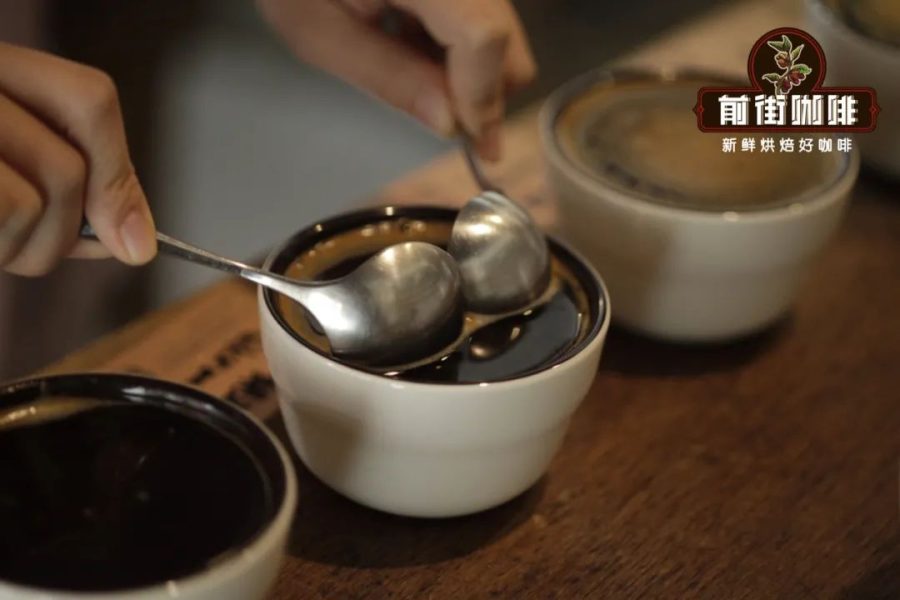
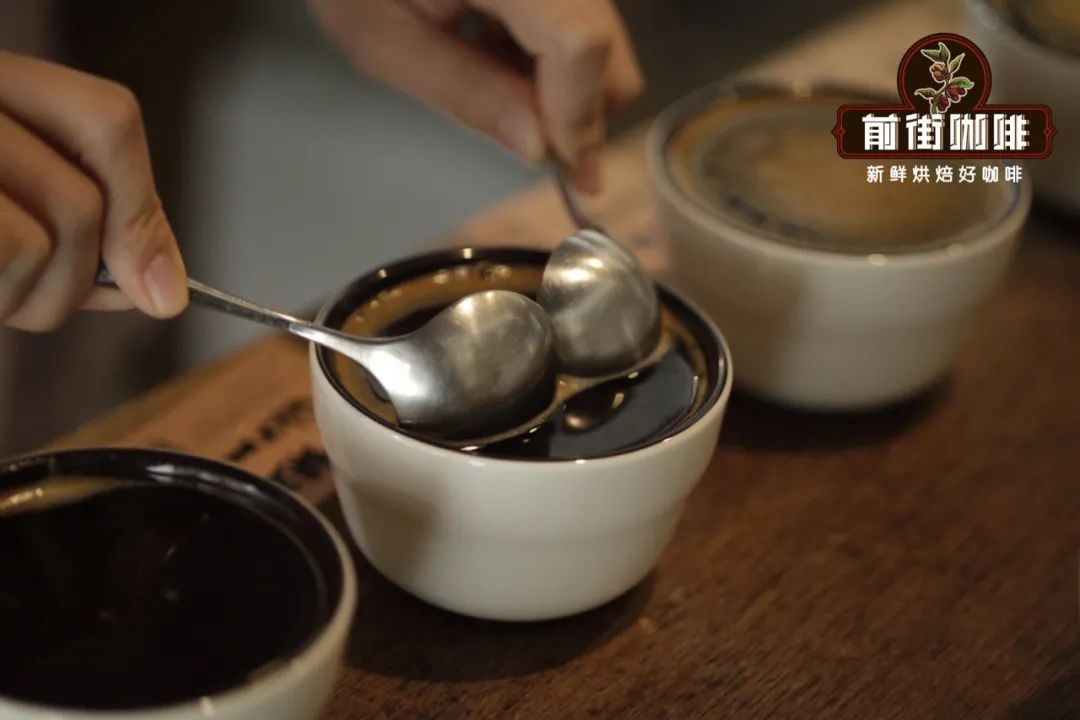
Water temperature control is another major technical point: the pouring temperature is constant at 93°C ±1°C, which fully extracts flavor compounds while avoiding over-caramelization caused by high temperatures. The operating order follows: first smell the dry aroma (the aroma of the ground powder), then pour water and let it steep for 30 seconds before breaking the crust to smell the wet aroma (noting the difference in aroma layers before and after breaking the crust). The entire process must be carried out in standardized cupping bowls, with each sample amount precisely controlled to ensure comparability of results.
Professional cupping includes eight major scoring dimensions: first is Clean Cup, requiring the absence of fermentation defects, mustiness, and other undesirable notes; Sweetness reflects the natural sweetness that ripe fruit should have, with clear differences between underripe and overripe beans; Acidity at its best shows bright citrus-like acidity or berry liveliness, while poor acidity resembles vinegar or a spoiled taste. Aroma requires distinguishing the layering between the dry aroma of the grounds and the wet aroma after water is added, with common positive indicators such as floral and fruity notes and caramel.
Mouthfeel evaluates the texture and weight of the coffee liquid; a high-quality sample should have a silky smoothness or moderate body; Aftertaste focuses on the flavor performance that persists after swallowing—good beans have a clean, long-lasting finish with no negative residue. Balance examines the harmony of sweet, sour, bitter, and salty, avoiding the dominance of a single flavor; the final Overall evaluation is a subjective judgment of the combined sensory experience that directly influences purchasing decisions.
It is worth noting that cupping results directly affect every link in the coffee supply chain: green coffee merchants use them to screen suppliers, roasters adjust profiles to highlight advantageous flavors, and baristas optimize extraction plans. For home users, mastering basic cupping methods can also improve purchasing ability—observing the coffee-to-water ratio and paying attention to how grind coarseness matches water temperature; this professional knowledge will significantly improve the brewing experience.


